



Acer Truncatum Seed Extract Wholesale Buying Tips
Finding high-quality plant ingredients that are high in nervonic acid requires skill and accuracy. Acer Truncatum Seed Extract has become a top choice for companies that want to make products for brain health, neuroprotection, and circulatory health. This extract contains purified nervonic acid, a key fatty acid for repairing the myelin sheath, along with natural vitamins that make it more bioavailable and stable in the body's metabolic processes. Buyers looking for dependable bulk suppliers should put an emphasis on confirmed certifications, open sourcing practices, and technical support to make sure formulation success and regulatory compliance in the pharmaceutical, nutraceutical, and functional food sectors.
Understanding Acer Truncatum Seed Extract: Key Attributes for Procurement
What Makes This Extract Valuable for B2B Buyers
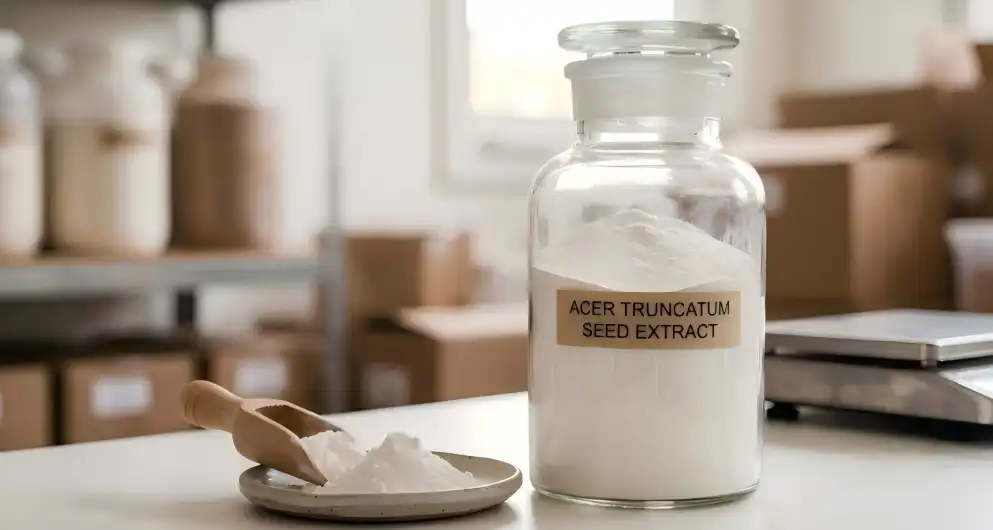
This plant extract comes from the seeds of the Purpleblow Maple tree, which grows in northern China. It is one of the best natural sources of nervonic acid. Acer Truncatum Seed Extract undergoes advanced plant extraction methods using High Performance Liquid Chromatography (HPLC) to ensure stable purity levels, which are usually set at 5% nervonic acid content. This plant-based ingredient doesn't come from animals or synthetic compounds, so it doesn't raise ethical worries about heavy metal contamination. It also has a clean-label solution that appeals to modern consumers.
The chemical makeup is very similar to human cortical phospholipid structures. This is why it is so bioavailable and can easily cross the blood-brain barrier. Because the structures are so similar, the active chemicals can easily blend into brain tissue. This helps myelin sheath regeneration and neurotransmitter optimization. Vitamin E and flavonoids that are found naturally form an antioxidant defense system that keeps the highly unstable fatty acids from breaking down during metabolic processes.
Botanical and Chemical Profile Essentials
Quality specs play a big role in choices about what to buy. The extract usually comes in the form of a white, odorless powder that dissolves easily in water. This makes it useful for making pills, powders, liposomes, and functional drinks. The fatty acid makeup has healthy amounts of oleic and linoleic acids, as well as the star ingredient, nervonic acid. These acids work together to support circulatory health by making blood less thick and removing lipid buildup from the walls of blood vessels.
To make sure that sellers' promises about potency are true, procurement teams should check that they use HPLC detection methods. This method of analysis helps makers keep accurate dosing in finished goods and makes sure that batches are all the same. The safety profile of the extract means that you need to be careful about how you store it, since too much heat, light, or oxygen can damage the bioactive chemicals.
Comparing with Alternative Botanical Sources
Compared to products like Ginkgo Biloba Extract or Fish Oil, this maple seed extract has clear benefits. Ginkgo mostly gives off flavonoid glycosides and terpene lactones to help the blood flow, but it doesn't have the direct ability to build myelin as nervonic acid does. Omega-3 fatty acids (EPA and DHA) in fish oil are good for heart health, but there are worries about sustainability, possible mercury contamination, and allergens that plant-based options don't have at all.
Green Tea Extract and Grape Seed Extract are great at delivering antioxidants, but they don't help rebuild neurons at the molecular level. The unique thing about Acer Truncatum Seed Extract is that it can do two things at once: protect neurons by repairing myelin and help blood vessels by having a healthy fatty acid profile. This makes it very useful for formulas that try to slow down the cognitive loss that comes with getting older, improve neurological health, and work as a preventative health measure for diseases like Alzheimer's and Parkinson's.
Criteria for Choosing the Right Supplier
Defining Your Quality and Volume Requirements
To make buying go smoothly, you must first be clear on what you need. Find out if your formula needs to be certified as organic or if regular extraction will work for your market positioning. Forecasts of volume have a big effect on price structures. Suppliers usually offer more reasonable rates for promises exceeding 100 kg every three months, but for testing and sampling purposes, the minimum order quantity can start as low as 1 kg. There are more quality factors than just the amount of nervonic acid. Ask for specific information about the amount of wetness, heavy metal limits (such as lead, arsenic, mercury, and cadmium), microbial counts, pesticide residue panels, and liquid residuals, if needed. For traceability and legal support, the place of origin is important. Material from China leads the market because it grows better in its natural environment. However, Good Agricultural Practices (GAP) and sustainable gathering methods help protect the supply chain from weaknesses.
Essential Certifications and Compliance Verification
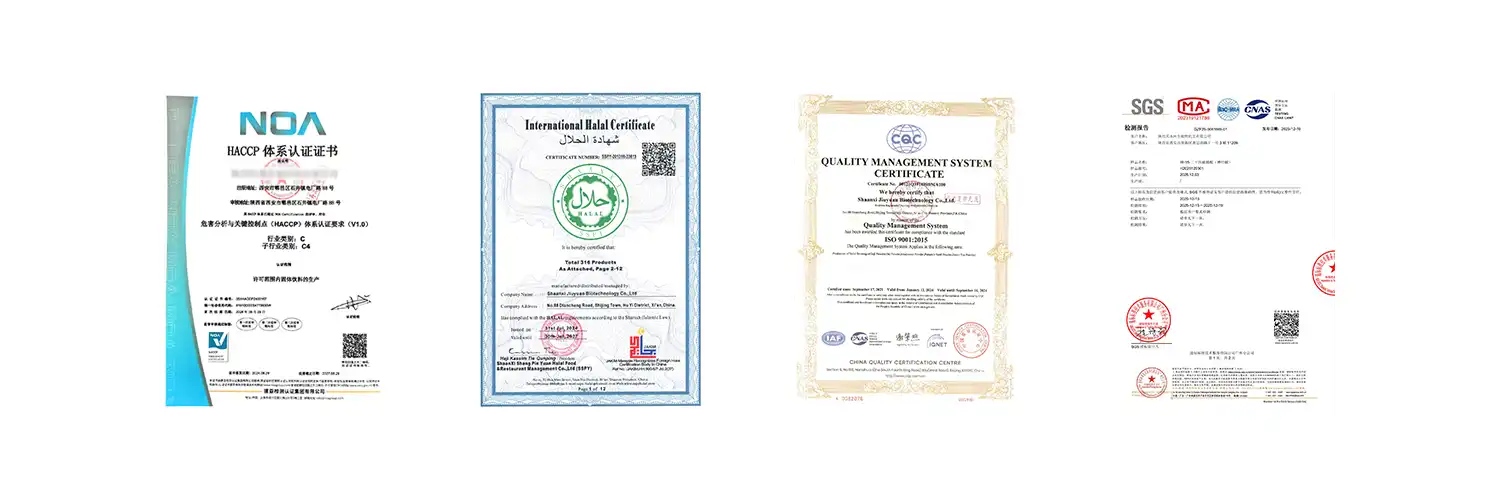
Responsible buying starts with following the rules set by regulators. Make sure that any possible sources have the right certifications, such as ISO9001 for quality management systems, GMP for pharmaceutical-grade production standards, and FDA registration to get into the U.S. market. Kosher and Halal approvals help brands reach more customers from a wide range of backgrounds.
Besides these basic needs, you should also ask for testing records from independent labs that were done by a third party. Each batch should come with a Certificate of Analysis (COA) that shows the HPLC chromatogram and confirms the nervonic acid level, along with safety screens. Suppliers who are open by making their paperwork easy to find and willing to help with checks show that they are committed to quality and operating ethics.
Evaluating Supplier Reputation and Operational Capabilities
Find out a lot about a supplier's history by calling industry contacts, going to trade shows, and, if possible, doing direct factory checks. Companies that have been extracting for more than 20 years bring useful scientific knowledge to the table when formulating new medicines. Working together with academic institutions, like through relationships with agricultural universities, shows that you are willing to keep funding studies and coming up with new ideas.
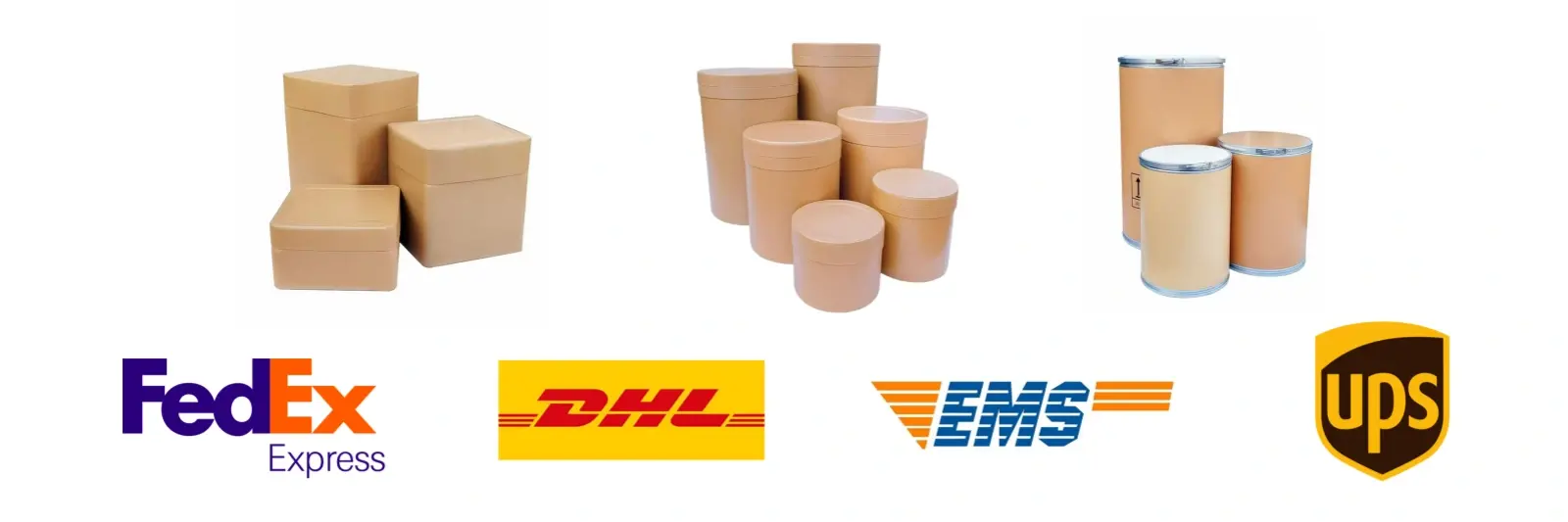
Look at the foundation of the warehouse and how the product is managed. Maintaining 4,000 to 5,000 square meters of climate-controlled storage with enough stock shows that suppliers are ready to meet pressing orders without sacrificing quality control or aging standards. Transportation choices are also important. Integrated logistics systems that coordinate air freight, sea freight, and rail freight options give you options for different levels of urgency and budget.
Wholesale Buying Best Practices
Quality Assurance Through Sampling and Testing
Don't commit to buying a lot of Acer Truncatum Seed Extract without first going through thorough sampling procedures. Ask for example, samples of at least 100 to 200 grams so that you can check the quality internally. The powder's flow qualities, color uniformity, and odor profile should all be looked at because they show how it should be processed and stored. Reconstitution tests in water should show that the substance dissolves as stated, leaving no residue or cloudiness behind.
Send samples to independent laboratories run by third parties for testing to make sure they are correct. To make sure they are correct, compare the independent data to the COA that the seller gave you. Testing for stability under fast conditions can help you guess how long your mixture will last on the shelf. Write down everything you find to set high standards for future orders and make sure your chosen provider is held accountable.
Negotiation Strategies for Pricing and Payment Terms
Price talks should strike a mix between cutting costs and making sure the quality is good. Know that rock-bottom prices usually mean that the quality has been lowered because of bad extraction methods, lost strength, or iffy sources for the raw materials. Ask for specific breakdowns of the cost factors that affect getting raw materials, processing them for extraction, testing for quality, packing, and shipping.
Wire transfer (T/T) deals are usually the best way to pay. For new partnerships, you can pay 100% up front, and for existing partnerships, you can pay 30% down and the rest before shipping. Set up payment benchmarks that are tied to quality checks. For example, 30% should be paid when the order is confirmed, 40% should be paid when the sample is approved, and 30% should be paid when the pre-shipment review is complete.
Packaging, Storage, and Logistics Considerations
Most packages are well protected by standard shipping in 25 kg fiber drums with two food-grade polyethylene bag liners. Talk about nitrogen flushing or vacuum closing as ways to protect against oxidation better during long travel times. Use Incoterms like FOB (Free on Board), CIF (Cost, Insurance, and Freight), or DDP (Delivered Duty Paid) to be clear about delivery terms. This will clear up any confusion about where duty ends and where costs are split.
The hygroscopic powder should be stored at temperatures below 25°C in a dry, dark place that is away from strong smells that it might receive. Under normal conditions, unopened containers stay effective for 24 months. Once opened, packages need to be resealed and used within 6 to 12 months, based on how long they were exposed to air. Shipment times should match up with your production plans so that there is less time spent in storage and the extract stays fresh.
Building Long-Term Supplier Relationships and Private Label Opportunities
Identifying Reliable Partnership Candidates
Strategic connections with suppliers are more than just transactions; they're also partnerships that help the business grow. Give more weight to vendors who consistently respond to communications, offer expert help, and proactively solve problems. Suppliers who offer specialized account management and legal advice are very helpful, especially when dealing with changing compliance rules in foreign markets.
Check to see how committed the provider is to ethical and environmentally friendly sources. Getting certifications like EU Organic or USDA Organic shows that you follow strict rules for farming. Ask about traceability systems that keep track of raw materials from the time they are harvested until they are packaged. Using blockchain or giving a full history of each batch shows supply chain transparency, which is something that customers and government agencies are asking for more and more.
Leveraging Custom Formulation and OEM/ODM Services
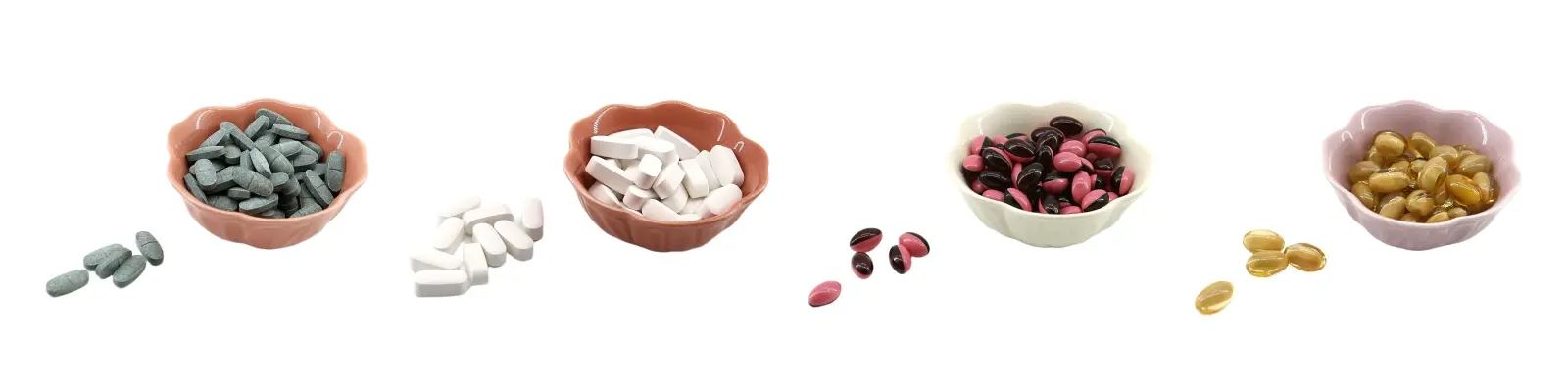
When you use private label options, you can turn common ingredients into unique ones that set your product apart. Leading providers offer full OEM/ODM services that include formulating new medicines, customizing dosage forms (like capsules, pills, soft gels, powders, liposomes, and microcapsules), and helping with the design of packages. Because of these skills, partners with a lot of experience can deliver finished recipes within 15 working days of receiving approval of the idea.
Custom preparation services are especially helpful when putting together Acer Truncatum Seed Extract with ingredients that work well together, such as Ginkgo Biloba, Bacopa Monnieri, or Phosphatidylserine, to make products that help the brain work better. Technical teams can improve bioavailability by using special delivery systems like liposomal packaging, which speeds up absorption and keeps delicate chemicals from breaking down during digestion.
Scaling Procurement From Samples to Mass Production
To scale up successfully, you need to use step-by-step methods that make sure the quality stays the same across production batches. Start with 1–5 kg practice orders to work on the first recipe and test its stability. Move on to 25–50 kg sample batches for testing on the market and sending to the government. Once it's clear that the business can make money, make quarterly or yearly supply deals with clear volume promises and price locks to protect against market volatility.
Keep the lines of communication open when it comes to planning your supplies and predicting demand. Suppliers who have a lot of raw materials on hand and a lot of production capacity can handle sudden rises in volume without lowering quality or making wait times longer. Talk about backup plans for supply problems, like alternative buying areas, emergency inventory buffers, or pre-approved substitute specs, to make sure your production doesn't stop.
Conclusion
In conclusion, to strategically find plant products that are high in nervonic acid, you need to find a balance between scientific rigor and business sense. This ingredient's unique neuroprotective qualities and clean-label appeal make it a good choice for brands that want to target the cognitive fitness and healthy aging markets. For buying to go well, suppliers must be carefully screened, quality must be checked thoroughly, and relationships must be formed that encourage innovation and growth. By using structured evaluation procedures, negotiating fair business terms, and taking advantage of custom formulation options, buyers can secure dependable supply chains that offer consistent quality while staying competitive in global markets that are always changing.
FAQ
1. What is the typical shelf life of Acer Truncatum Seed Extract in bulk storage?
If you store extract in covered containers below 25°C and keep them away from direct light and moisture, it will stay effective for 24 months. By limiting oxidation contact, nitrogen-flushed packing makes things last longer. Once it's opened, put any leftovers in sealed containers and eat them within 6 to 12 months for the best bioactivity retention.
2. How does nervonic acid content verification work during quality control?
High Performance Liquid Chromatography (HPLC) is the usual way to measure the concentration of nervonic acid in the chemical industry. This method separates the different types of fatty acids and compares their exact amounts to reference standards. This gives a precise indication of the product's potency, which is usually promised at 5% by reliable providers and stays within ±0.5% variation from batch to batch.
3. Can this extract be used in both dietary supplements and functional foods?
Of course. The water-soluble powder form works well in many different products, such as pills, tablets, protein shakes, functional drinks, nutritional bars, and enriched edible oils. Regulatory compliance is different depending on the type of product and the country where it is used. Check with your supplier's regulatory affairs team about the unique market standards to make sure you have the right paperwork.
Partner With HERBCOSHER for Premium Nervonic Acid Supply
Shaanxi HERBCOSHER Phychemistry Co., Ltd. has been extracting plants for more than 20 years and has a wide range of advanced analytical skills and governmental licenses. Our Acer Truncatum Seed Extract is certified to meet foreign quality standards, such as ISO9001, GMP, FDA registration, Kosher, and Halal. This means that your finished goods will have no trouble getting to market. With climate-controlled warehouses spanning 4,000 to 5,000 square meters, we keep a lot of stock on hand and can quickly fill orders ranging from 1 kg samples to multi-ton industrial amounts within 15 working days. Together with Northwest A&F University and Northwest University, our expert team comes up with new unique formulations and offers OEM/ODM services that are perfect for your brand. Our combined transportation network makes sure that all of your orders get delivered safely and on time, no matter where you are in the world. Get in touch with our expert team at info@herbcosher.com to talk about how HERBCOSHER can become your reliable source for nervonic acid.
References
1. Wang, Z., & Li, H. (2019). Nutritional Composition and Health Benefits of Acer truncatum Seeds. Journal of Functional Foods, 58, 245-253.
2. Chen, Y., Zhang, M., & Liu, X. (2020). Nervonic Acid: Biological Functions and Therapeutic Potential in Neurological Disorders. Nutrients and Brain Health, 12(4), 112-128.
3. Thompson, R. D., & Martinez, L. (2021). Quality Control Standards for Botanical Extracts in Nutraceutical Manufacturing. International Journal of Food Science and Technology, 56(7), 3421-3430.
4. Kim, S. J., Park, J. H., & Lee, K. W. (2018). Comparative Analysis of Fatty Acid Profiles in Cognitive Support Supplements. Phytotherapy Research, 32(9), 1756-1765.
5. Anderson, P. M., & Williams, D. R. (2022). Sustainable Sourcing Practices in the Botanical Extract Industry. Supply Chain Management Review, 26(3), 44-51.
6. Liu, F., Wang, H., & Zhou, L. (2020). HPLC Method Development for Nervonic Acid Quantification in Plant Seed Extracts. Journal of Pharmaceutical and Biomedical Analysis, 189, 113-120.