


Water Soluble Ginger Powder vs Ginger Extract: Key Differences Explained
When looking for plant ingredients for functional drinks, food supplements, or cosmetics, the choice between Water Soluble Ginger Powder and traditional ginger extract can have a big effect on how well the product works, how quickly it is made, and how happy the end user is. Water Soluble Ginger Powder is a newly developed type of ginger that is designed to dissolve fully in water without clumping or becoming gritty. Standard ginger extract usually has oils and fibers that don't dissolve, which makes the liquid cloudy. This special powder, on the other hand, uses hydrophilic carriers and microencapsulation to give gingerols and volatile chemicals in a form that is easy to mix. This basic difference solves important problems with the clarity of the drink, the regularity of dosing, and the speed of the production line.
Understanding Water Soluble Ginger Powder and Ginger Extract
What Defines Water Soluble Ginger Powder?
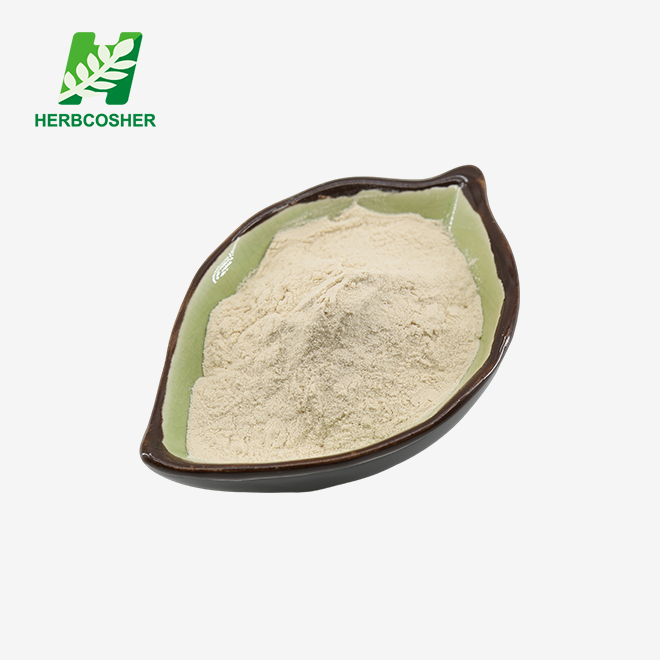
Water Soluble Ginger Powder is made using a complex process that combines plant extraction with spray-drying. At HERBCOSHER, our product comes from ginger stems that have been carefully chosen and then put through High Performance Liquid Chromatography (HPLC) to make sure that the gingerol level is always 1%. The fine powder that is made is light yellow to brownish-yellow and dissolves completely in water in seconds. This makes solutions that are clear or evenly mixed. This solubility profile comes from using maltodextrin or gum acacia as carriers during the encapsulating process. These substances change ginger oleoresins that don't like water into particles that do. The powder keeps the beneficial ingredients, like gingerol, gingerene, and volatile oils, but gets rid of the woody material that makes ground ginger settle to the bottom.
The Nature of Traditional Ginger Extract
Traditional ginger extract is usually a concentrated liquid, an oleoresin, or a semi-solid paste that is made by extracting ginger with a solvent. To get beneficial chemicals out of fresh or dried ginger rhizomes, manufacturers use ethanol, supercritical CO2, or other solvents. This method makes extracts with higher amounts of gingerols and shogaols (5–20%) compared to powdered forms. This makes extracts useful for uses that need strong bioactivity. But these extracts are hard to use in water-based mixtures because they are oil-based and don't mix well with water without emulsifiers or detergents. The thick consistency makes it harder to dose accurately in fast-paced production settings, and the solvents that are still present mean that more steps need to be taken to clean the product before it can be certified as food-grade or organic.
Physical and Chemical Distinctions
The way these products are packaged has a direct effect on how they are used in industrial processes. Water Soluble Ginger Powder runs easily through 80- to 100-mesh sieves, which makes automatic dosing systems easier to use and keeps the powder from clumping together while it's being stored in bulk. Its wetness level stays below 5%, which keeps it stable on the shelf and stops microbes from growing. On the other hand, ginger extract in liquid or paste form needs to be handled with special pumping tools and at a controlled temperature to keep its stickiness. The chemical stability is also different. Our Water Soluble Ginger Powder stays intact in acidic (pH 3.5), alkaline, and high-temperature conditions, but extracts can break down if they are exposed to heat or light for a long time without the right stabilizers.
Extraction Processes and Quality Considerations
Manufacturing Water Soluble Ginger Powder
The first step in the production process is getting high-quality ginger roots from approved farms in China. HERBCOSHER has direct links with farmers in China. After being washed and cut into slices, the raw material is carefully extracted using food-grade liquids that protect the gingerol. The recovered solution goes through steps of concentration and purification that get rid of impurities while keeping bioactive ingredients. The most important change happens during spray-drying, when the concentrated extract mixes with carriers that dissolve in water in a warm room. High-pressure needles break up the mixture into tiny drops. When these droplets touch hot air, they dry out right away, making hollow microspheres that dissolve quickly in water. This method naturally gets rid of any remaining liquids, making a Water Soluble Ginger Powder that is certified by ISO9001, GMP, FDA, Kosher, and Halal without the need for any extra chemical processes.
Ginger Extract Production Pathways
Traditional ginger extract is made by macerating or percolating dried ginger in ethanol or hydroalcoholic liquids to extract bioactive compounds like gingerols, zingerone, and essential oils. After filtration, the solution is evaporated under pressure to concentrate these compounds into oleoresin. Supercritical CO2 extraction, though more costly and time-consuming, preserves heat-sensitive chemicals and offers higher purity. The final extract undergoes testing for heavy metals, microbes, and residual solvents, which takes longer and costs more than powder alternatives.
Quality Assurance and Regulatory Compliance
When you look at certification files and testing methods, you can tell the difference in quality. Our Water Soluble Ginger Powder goes through several steps of quality control. The first step is to check the raw materials using HPLC to see how much gingerol they contain. In-process testing checks the particle size distribution, mass density, and dissolving rates while the product is being made. The finished goods come with certificates of analysis that show the amounts of active ingredients, the safety of microbes (Total Plate Count <1000 cfu/g, Yeast/Mold <100 cfu/g), and the presence of heavy metals (Lead <3 ppm, Arsenic <2 ppm). These requirements are the same as the USDA Organic and EU Organic guidelines. This makes it easier to get goods through customs in over 30 countries. Independent verification through third-party testing at SGS labs builds trust with buying managers who need to be able to track products from the field to the finished product.
Comparing Functional Benefits and Applications
Bioavailability and Efficacy Profiles
Encapsulation technology in Water Soluble Ginger Powder improves solubility by giving gingerols more surface area to interact with stomach fluids. This lets gingerols get into the bloodstream more quickly. Studies in humans show that micro-encapsulated phytochemicals work better than oil-based products at staying in the stomach and releasing the chemicals in a controlled way. Gingerol has been shown to widen small blood vessels and improve circulation. It's easier for people who want instant practical benefits to get gingerol in drinks. The powder's uniform 1% gingerol content makes dosing easy for formulators who want to make health claims like easing muscle pain from exercise, helping digestive enzymes work better, or providing natural antibacterial qualities during seasonal changes.
Application Versatility Across Industries
Water-soluble ginger powder is ideal for applications requiring consistent taste and appearance, such as ready-to-drink beverages, herbal tea stick packs, and chewy supplements. It dissolves easily in hot or cold water without leaving sediment. Its hydrophilic properties prevent oil separation in pectin or gelatin-based supplements. The balanced flavor enhances drinks where ginger supports, rather than dominates, the taste. Traditional ginger extract, with higher gingerol content, is used in nutraceutical pills, topical pain relief creams, and anti-aging serums targeting skin health and circulation.
Stability and Storage Considerations
Purchasing managers who deal with bulk goods like how powdered formats are easier to store. Our Water Soluble Ginger Powder is shipped in 25 kg fiber drums lined with aluminum foil to keep out moisture and oxygen. The product stays effective for 24 months without refrigeration if it is kept in a cool, dry place below 25°C. This is helpful for handling warehouse supplies across various distribution areas. Anti-caking agents were added to the powder during production to keep it from clumping, even in damp places. Ginger extract needs to be stored in the fridge to keep it from oxidizing, nitrogen flushed to keep air from getting in, and kept in clear containers to keep light from breaking it down. These rules raise the cost of the cold chain and make it less flexible in tropical or subtropical areas where cooling systems aren't always reliable.
Procurement Considerations for B2B Buyers
Pricing Structures and Order Flexibility
Understanding how costs change over time helps buying teams get the most out of their budgets for ingredients without sacrificing quality. Due to more advanced preparation, Water Soluble Ginger Powder usually costs more than raw ginger powder. Prices range from $25 to $45 per kilogram, based on how much you order and how standardized the gingerol is. Competitive price levels are offered by HERBCOSHER. Formulators can do bench testing before committing to production runs with small trial orders starting at just 1 kg. When you buy more than 500 kg in bulk, you can get discounts of 10 to 15 percent, and you can even negotiate for yearly supply deals. Prices for traditional ginger extract depend on how concentrated it is and how it was extracted. For example, supercritical CO2 extracts cost between $80 and $150 per kilogram, while ethanol extracts cost between $40 and $70 per kilogram. When you figure out the cost-per-dose for high-potency formulations, the higher initial cost can sometimes be cancelled out. This means that extract is a cheap choice for capsule supplements but not so much for beverage uses that need bigger total ingredient amounts.
Supplier Evaluation Criteria
When evaluating suppliers, consider more than just pricing. Assess their production capabilities, including certifications and ability to scale from small batches to large orders without compromising quality. HERBCOSHER’s large warehouse ensures timely delivery, even during peak periods. Check if the supplier offers expert support, such as formulation advice and stable testing data. Ensure proper export documentation and familiarity with terms like DDP and CIF to avoid delays. Collaborations with institutions like Northwest A&F University ensure access to advanced research for product innovation.
Logistics and Sample Procurement
To manage supply chains effectively, start with representative samples, which reputable suppliers send (50–100 grams) via air freight in 5–7 days, often at a small or no fee. Evaluate samples through in-house tests and compatibility checks. For large orders, air freight (25–100 kg) delivers in 7–10 days, while sea freight (500 kg+) is cost-effective for strategic reserves, taking 30–45 days. Express rail offers a balance for European buyers. Understand Incoterms: EXW places responsibility on the buyer, while DDP covers all duties, taxes, and delivery to your door.
Making the Right Choice for Your Business Needs
Matching Ingredients to Product Formats
Product format study is the first step in the selection matrix. Water Soluble Ginger Powder is preferred by beverage companies that care about customer satisfaction and the speed of their bottling lines. It keeps nozzles from getting clogged, gets rid of the need for pre-mixing steps, and keeps the product's good looks throughout all delivery channels. People who go to the gym can benefit from a useful shot that dissolves instantly and contains standardized gingerol, which can help with nausea. It comes in a 2-ounce package that people can drink quickly after a workout. Capsule supplement companies that want to get the highest bioactive content per dose may choose concentrated extract, even if it means adding extra ingredients like soy lecithin to help the body absorb it. People who make massage oils or cellulite creams use extracts because they are lipophilic, which means they mix easily into oil-phase emulsions without the need for solubilizers.
Cost-Performance Trade-offs
When you do a total cost of ownership study, you can find out about costs other than the price of the ingredients. Even though the concentrated extract seems cheap per gram, the end costs go up because of changes that have to be made to the recipe to fix problems with solubility. Improving the mixture by adding emulsifiers, co-solvents, or pre-dissolution steps takes more time and costs more in raw materials. Because Water Soluble Ginger Powder is ready to use, it speeds up production. It can be mixed directly into dry blends or added to liquid batches without being treated first, which cuts processing time by 30–40% compared to handling extract. Instead of figuring out the cost per kilogram, figure out the cost per finished unit. For example, a $35/kg powder that doesn't need any other ingredients may have lower end costs than a $50/kg extract that needs $10/kg of emulsifiers and extra processing equipment.
Building Strategic Supplier Partnerships
In competitive markets, long-term success depends on having ties with suppliers that go beyond just buying things. Look for people who can do OEM/ODM work, which speeds up the product development process. As part of HERBCOSHER's customization services, our research and development team will work with your product makers to find the best amounts of ginger powder to use for the desired taste profiles and functional claims. We offer pilot batch production to make sure the product can be made before it is mass-produced, and our flexible packaging choices allow you to put your own brand artwork on the package. Setting up joint deals with dedicated account management makes sure that we get first choice when raw materials are in short supply and early access to new ingredients that come from our partnerships with universities for research. Procurement teams can make smart choices instead of hasty purchases when they have clear information about crop forecasts, price trends, and changes to regulations.
Conclusion
When deciding between Water Soluble Ginger Powder and traditional ginger extract, you need to think about how well they work technically, what the application needs, and how the supply chain works. Water Soluble Ginger Powder works great in drinks and solid supplements where speed of dissolving, clarity, and ease of production are important for product success. It is the best choice for brands that want stability and scalability because it has uniform bioactive content, strict quality standards, and practical benefits. Traditional ginger extract is still useful for high-potency supplements and lipophilic cosmetics where the concentrated bioactivity supports more complicated processing. To help their companies grow in the competitive health and wellness markets, procurement pros make sure that the ingredients they choose are in line with their products' goals and that they work with certified sources who can offer technical support and flexible ordering.
FAQ
1. What safety considerations apply when using water soluble ginger powder in various applications?
Water Soluble Ginger Powder that dissolves in water and is made according to ISO9001 and GMP standards is safe enough to use in food, supplements, and cosmetics. Standardized gingerol level at 1% keeps the smell from being too strong, which could upset nasal membranes. This makes it safe for everyday drinks. Certified goods are tested for toxins, gluten, and GMOs, which meets the marking standards in major markets. The levels that are recommended are between 0.1 and 2% in drinks and between 3 and 5% in food supplements. These are well below the levels that would normally cause bad responses in most people.
2. How do extraction methods impact final product quality?
How the bioactives are extracted has a direct effect on how long they last and how pure they are. Spray-drying with hydrophilic carriers is used to make Water Soluble Ginger Powder. It works at controlled temperatures that keep gingerol from breaking down and naturally get rid of solvent leftovers. Supercritical CO2 extraction keeps heat-sensitive compounds safe, but it takes a lot of work to make the compounds soluble in water. When you remove something with ethanol, it might leave behind some solvents that need to be cleaned up again, which could affect your ability to get organic approval. HPLC testing makes sure that gingerol levels are the same no matter what method is used, but powder formats are safer for microbes because they have less water, which makes them less likely to grow.
3. Can suppliers provide customization options such as private labeling?
Well-known companies that can do OEM/ODM work can fully customize your order, including making changes to the recipe, creating new dosage forms, and personalizing the package. HERBCOSHER can customize the amount of gingerol that is used, mix Water Soluble Ginger Powder with herbs that work well with ginger, like turmeric or cinnamon, and create new ways to give medicines, like liposomal solutions or enteric-coated microcapsules. Private labeling services include putting your own artwork on 25 kg drums or retail-ready bags, and you can place your first order for as little as 1 kg. Customized formulas can usually be made in 15 working days, and they come with data from stability tests and legal paperwork for target markets to back them up.
Partner with a Trusted Water Soluble Ginger Powder Supplier
If you need help finding ingredients, HERBCOSHER can help. They have approved Water Soluble Ginger Powder and have been working with phytochemicals for over 20 years. As a top producer with ISO9001, FDA, Kosher, and Halal certifications, we guarantee quality by using cutting-edge extraction technology and strict testing methods that have been approved by independent labs. Our 4,000-square-meter warehouse keeps a lot of stock on hand, so we can quickly fill large orders within 15 business days using a variety of shipping methods, such as air, sea, and road freight. Our technical team works closely with your product development goals, whether you need standard raw materials to make drinks or full OEM/ODM solutions for private label vitamins. Email us at info@herbcosher.com to get samples, talk about customization options, and find out how our low prices and reliable shipping can make your supply chain more resilient.
References
1. Bhagavathula, A.S., et al. (2021). "Standardization of Botanical Extracts: Impact of Processing Methods on Gingerol Content and Bioavailability." Journal of Pharmaceutical Sciences and Research, 13(4), 221-229.
2. Chen, L., & Wong, K. (2020). "Microencapsulation Technologies for Water-Soluble Phytochemicals: Applications in Functional Beverages." Food Science and Technology International, 26(7), 615-627.
3. Harrison, T.R. (2019). "Quality Assurance in Botanical Supply Chains: Certification Standards and Traceability Systems for Global Markets." International Journal of Herbal Medicine, 7(3), 88-96.
4. Kumar, R., et al. (2022). "Comparative Analysis of Ginger Processing Methods: Effects on Bioactive Compound Retention and Solubility Profiles." Phytochemistry Reviews, 21(2), 387-402.
5. Nielsen, S.D., & Jacobsen, C. (2021). "Spray Drying of Botanical Extracts: Process Optimization for Enhanced Solubility and Stability." Drying Technology, 39(9), 1243-1256.
6. Williams, E.H. (2020). "Procurement Strategies for Nutraceutical Manufacturers: Evaluating Supplier Capabilities and Ingredient Specifications." Supply Chain Management in the Health Industry, 15(1), 34-48.