


Natural Ginger Extract in Food Industry: Applications & Benefits
Natural Ginger Extract is now an important part of making food because it is good for you and helps with technical issues that really matter to the business. This uniform plant preparation is made from the root of Zingiber officinale. It is made using either supercritical CO2 or advanced solvent extraction. Bioactive chemicals that are always the same are in it. The exact amounts range from 5% to 25% and are mostly gingerols and shogaols. Professionally processed Natural Ginger Extract meets the strict needs of companies that make nutraceuticals, functional drinks, and clean-label foods that need natural ingredients that are safe, legal, and liked by customers. Raw ginger powder, on the other hand, has a lot of different active ingredients and microbe risks.
Understanding Natural Ginger Extract: Composition and Health Benefits
Botanical Origin and Extraction Techniques
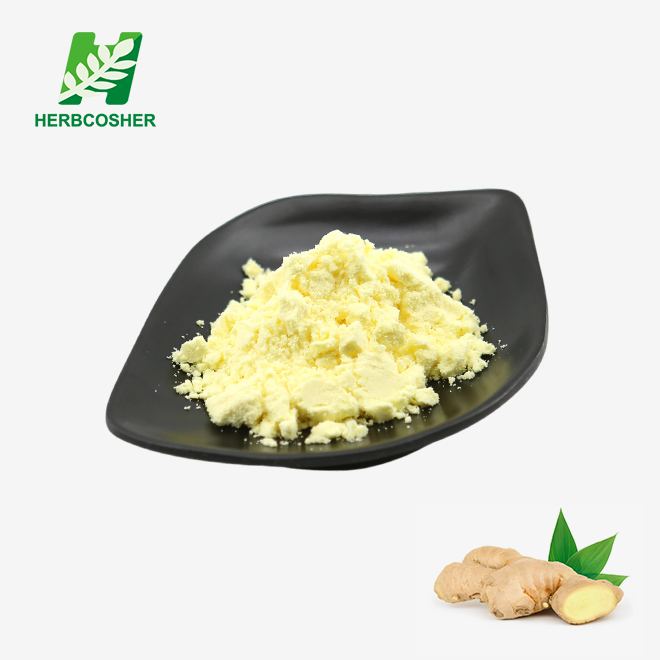
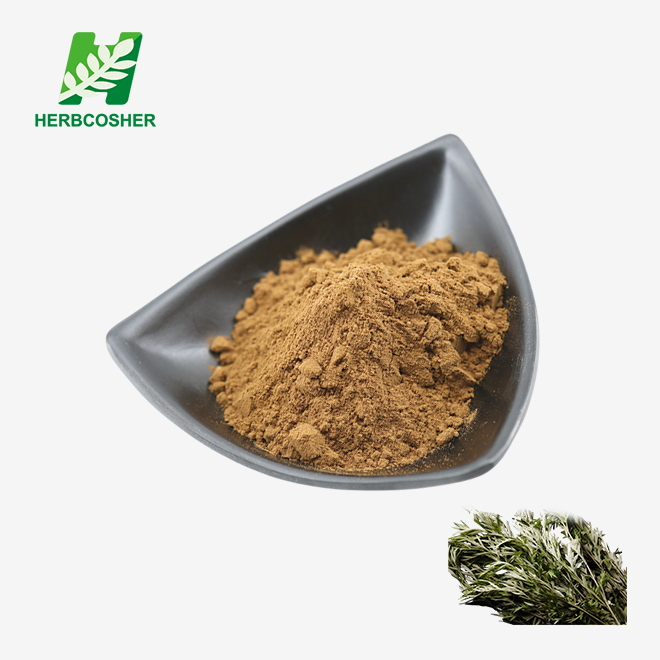
Ginger, part of the Zingiberaceae family, is grown in subtropical regions worldwide. Its therapeutic properties come from gingerols, phenolic compounds in the rhizomes. After careful harvesting and drying, ginger is extracted using supercritical CO2 or aqueous-ethanol methods, preserving gingerols. Supercritical CO2 is preferred for organic products due to its clean, waste-free process. High Performance Liquid Chromatography (HPLC) ensures the extract’s potency. The resulting light yellow powder blends easily into various formulations, making it versatile for multiple uses.
Key Bioactive Components and Their Properties
Good Natural Ginger Extract has active ingredients that depend on how many gingerols it has, especially 6-gingerol, 8-gingerol, and 10-gingerol. It also has shogaols, which are like gingerols but change when heated. Gingerols give the spice its characteristic heat and spice. They are also powerful antioxidants that help get rid of free radicals and stop the breakdown of lipids. When you dry something out or heat it up, you make a shogaol. Due to the fact that they stop COX-2 enzymes from working, they fight inflammation and free radicals even better. With this two-part method, manufacturers can change the extract's taste and how well it works. On top of phenolics, Natural Ginger Extract has small amounts of volatile oils like zingiberene and beta-bisabolene. These oils make the extract taste better and kill germs at the same time. Extracts are very concentrated, so even small amounts—usually 50 to 200 mg per serving—can have real affects on the body without making the product taste bad or cost too much to make.
Health Benefits Relevant to Food Applications
Clinical tests and everyday use of ginger have both shown that ginger drinks can help with digestion. Gingerols make the stomach make more acid, which helps the food move through the digestive system more easily. This works well to treat gas, bloating, and sickness. This is why Natural Ginger Extract is a big part of drinks that are sold to help with gut health or morning sickness. The substance also raises thermogenesis and average metabolic rate, which is good for metabolic health. This makes it appealing to people who make products for weight loss and sports nutrition. In order to get extra benefits, turmeric or boswellia is often mixed with joint health products that have anti-inflammatory qualities added to them. Food doesn't go bad because of oxidation because of the natural antioxidant power. This makes it last longer and is good for your health at the same time, which is something that only plant-based products can do. Natural Ginger Extract is better for you than man-made antioxidants like BHA or BHT because it has a clean label and isn't checked by regulators. This makes it a better choice for brands that want to attract people who care about their health.
Applications of Natural Ginger Extract in the Food Industry
Flavor Enhancement and Natural Preservation
Natural Ginger Extract makes drinks smell and taste more spicy and complex without having the rough edges or unevenness of raw ginger juice. The extract can handle being heated to high temperatures without changing its taste. This makes it useful for functional teas, ginger beers, and immunity shots that are ready to drink. By cutting down on the sweetness, Natural Ginger Extract gives solid foods like energy bars, baked goods, and sweets more depth. This improves the taste and appearance in general. The antibacterial qualities of gingerols stop the growth of bacteria and fungus. They work especially well against E. coli and other common germs that make food go bad. Both Salmonella and E. coli. Spices like rosemary extract, vitamin E, and Natural Ginger Extract can be put together to make systems that keep foods fresh longer in clean-label goods. Food makers like Natural Ginger Extract because it can be used to make food taste better, keep it fresh longer, and do other things. When you do this, the list of ingredients is shorter, and the writing is easy to understand.
Real-World Formulation Examples
The best companies that make functional drinks use grades of Natural Ginger Extract that dissolve in water in their health shots and sparkling waters. These drinks need to be clear and stable. Spray-dried or nano-emulsified forms keep the look of the product over time by stopping phase separation in acidic environments. Compressed Natural Ginger Extract powder can be used in food supplements to make gut health recipes that are just the right amount of ginger. It is often mixed with peppermint oil or bacteria to make the digestive system work better. In order to make thermogenic mixes, protein shake makers mix Natural Ginger Extract with caffeine or green tea extract. Both of these ingredients speed up the metabolism. People who make sauces and marinades use Natural Ginger Extract oleoresin instead of big spices to make their flavors stronger. This helps the products stay the same and saves space. The item can be used in a lot of different types of food and drinks because it can be used in a lot of different ways.
Dosage Guidelines and Regulatory Compliance
Dosage depends on the extract's strength and intended use. For digestive health, doses range from 50 mg to 150 mg, while flavor-focused products may require 200-500 mg. Natural Ginger Extract offers higher concentrations of beneficial compounds compared to raw ginger. In the US, ginger is generally regarded as safe (GRAS), but proper labeling is required. International markets may need additional documentation, especially for highly concentrated products. Working with approved suppliers and obtaining Certificates of Analysis (COA) ensures regulatory compliance and consistency.
Comparing Natural Ginger Extract with Other Ginger-Derived Ingredients
Potency and Stability Differences
Natural Ginger Extract offers greater potency and stability than dried ginger powder or essential oil. With 2-20% gingerols, it provides consistent dosage, unlike raw powder, which contains only 0.5-1.5% gingerols. Unlike essential oil, which lacks gingerols' therapeutic benefits, the extract supports digestion and inflammation. The extract's stability at high temperatures (up to 120°C) makes it ideal for hot-fill processes. While shogaols form when exposed to water, this change can be controlled, offering more reliable therapeutic benefits than whole plant parts.
Organic Certification and Quality Standards
Organic-certified ginger products are produced without synthetic chemicals or fertilizers, using organic ethanol or supercritical CO2 for extraction. Certification from the USDA and EU boosts market appeal, especially in high-demand regions like Europe, where prices can rise by 15-30%. Quality is assessed by checking gingerol content, heavy metals, bacteria levels, and residual solvents using HPLC. Factory certifications like ISO9001, GMP, Kosher, and Halal ensure compliance. Sellers offering complete documentation, including COAs and safety statements, streamline buyers' compliance processes.
Selecting Quality Suppliers and Verification Methods
When selecting Natural Ginger Extract suppliers, assess their technical expertise, regulatory compliance, and supply chain transparency. Reputable companies maintain strong relationships with farmers to ensure raw material quality. Quality control is enforced through advanced labs with HPLC, GC-MS, and bacterial testing. Verify reliability via third-party surveys and recommendations. Request samples for in-house testing to assess dissolution, taste, and compatibility. Ensure certificates match production batches and labs are ISO17025 certified. Consider wait times, minimum orders, and pricing to calculate the total cost of ownership.
Procurement Guide for Natural Ginger Extract in the Food Industry
Bulk Purchasing and Pricing Considerations
If you only need a small amount of Natural Ginger Extract for testing, you can usually order 1 kg. For large-scale production, you can order 25 kg drums. You can save money when you buy 100 kg or more. Prices vary based on how much gingerol is in the ginger, whether it is pure, and how simple it is to find raw ginger in the market. Standards in the business say that large amounts of a normal 5% extract cost between $30 and $50/kg, and large amounts of a 20% standardized organic grade cost between $80 and $120/kg. India, China, and Nigeria are the main places where ginger crops change with the seasons. Long-term supply deals are a good way to keep your budget stable because prices are hard to guess. For business use, there are different kinds of packaging, like 25 kg fiber drums with plastic covers and 1–5 kg aluminum foil bags for testing and study or other low-volume needs. Terms of delivery like FOB (Free on Board) or CIF (Cost, Insurance, Freight) have a big effect on the total landing costs. This is especially true for international goods that need to be kept in a cold chain to keep their gingerol's effectiveness while they're traveling.
Logistics and Storage Requirements
Natural Ginger Extract should be stored in a cool, dry place below 25°C, away from sunlight and moisture to maintain quality for 24 to 36 months. Regular testing ensures it meets standards. During international shipments, temperature fluctuations are managed with thermo blankets or cool boxes, especially for ocean freight (30-45 days) compared to air freight (7-10 days), which is costlier. Lead times for orders range from 15 working days for in-stock items to 30-45 days for special or organic-certified batches, with customs clearance time factored in.
Supplier Evaluation and Certification Verification
Supplier evaluation starts with verifying proper certifications, such as GMP approval, ensuring adherence to pharmaceutical-grade manufacturing standards. Third-party audits from companies like SGS or Intertek provide insight into production and quality processes. Transparency about sourcing, such as fair-trade or eco-friendly farms, aligns with CSR goals. Financial stability is indicated by the company’s longevity, production capacity, and R&D investment. Clear quality agreements outlining acceptability criteria, dispute resolution, and growth standards ensure consistent product quality across production runs, safeguarding long-term partnerships.
Future Trends and Innovation in Natural Ginger Extract Usage
Clean Label and Functional Food Movements
Manufacturers of food use plant products that are good for you without adding any chemicals because people want ingredients that are simple to understand and have been made with as few chemicals as possible. When it comes to clean-label programs, Natural Ginger Extract is great because the ingredient lists only say "Natural Ginger Extract" or "ginger root extract." They don't have any chemical codes or E-numbers like synthetic forms do. Market study shows that 58% of U.S. customers are willing to pay more for functional foods that help their digestive health and 73% actively seek things with natural chemicals. Indirectly, both of these trends are good for things that use Natural Ginger Extract. The market for healthy drinks is projected to grow by 8.6% each year until 2028. More and more plant products are being used to make people healthier, less stressed, and immune in some way. In the nutraceutical business, they make more than just pills. Also, they're making sweets, chewables, and drink boosters that need steady, concentrated extracts instead of big powders. Companies that sell Natural Ginger Extract now have more options because of these changes in the market. These businesses can adapt to new recipe needs while still following the rules and keeping prices low.
Advances in Extraction Technology
Advances in extraction technologies have improved Natural Ginger Extract in terms of quality and efficiency. Ultrasound-assisted extraction (UAE) and microwave-assisted extraction (MAE) enhance gingerol yield while reducing processing time and liquid usage. Green chemistry techniques, like enzyme-assisted extraction, recover more active molecules without harsh chemicals, promoting cleaner, eco-friendly products. Real-time monitoring of extraction parameters ensures batch consistency. Microencapsulation protects gingerols, extending product shelf life, while nano-emulsification makes ginger extracts water-soluble, improving bioavailability and enabling faster absorption in clear beverages and supplements.
Sustainability and Ethical Sourcing
Sustainability and ethical sourcing are increasingly important in today’s food supply chain. Top suppliers seek organic, Fair Trade, Rainforest Alliance, and carbon-neutral certifications, ensuring fair pay for growers, biodiversity protection, and offsetting greenhouse gases. Brands with strict sustainability reporting favor transparent supply chains and eco-friendly practices. Innovations like compostable fiber drums and combined shipping reduce waste and pollution. These practices not only comply with regulations but also help brands appeal to environmentally conscious consumers and stand out in competitive markets.
Conclusion
Natural Ginger Extract is a good ingredient for food businesses that have to follow strict rules about how useful their products are, how clean their labels are, and how consistent the quality is. It is an important part of functional drinks, dietary supplements, and clean-label foods because it has constant nutrition, can be used in many ways, and goes with health trends. If procurement workers understand the technical differences between extraction methods, strength grades, and quality standards, they can make better purchases that meet both performance and cost needs. It's getting easier to make competitive goods by working with well-known extract sources that can offer full technical help and regulatory paperwork. This is because the market continues to favor natural, science-based ingredients.
Frequently Asked Questions About Natural Ginger Extract
1. What dosage of ginger extract is effective in food products?
A good amount for gut health is between 50 mg and 150 mg per meal. If you want a strong reaction from flavor-focused goods, the amount could be anywhere from 200 mg to 500 mg. Natural Ginger Extract gets stronger as their concentration goes up. For example, you only need half as much of a 10% extract as you do of a 5% grade to get the same bioactivity. Sensory tests should be used by manufacturers to find the best balance between how the product works and how it tastes. This is especially important for drinks that don't have a strong flavor, since ginger's strong taste can overpower weak ones.
2. How can I verify the authenticity and quality of ginger extract?
Ask for Certificates of Analysis that show HPLC, heavy metal screening, and microbe counts that meet food-grade standards were used to measure the amount of gingerol in the product. Third-party lab tests from ISO17025-accredited centers are proof of quality that can't be questioned. Sellers you can trust will give you all the paperwork you need to track your order. This includes records of every production batch and information on where the raw materials came from. Along with analytical proof, samples must also be checked directly to make sure they have a consistent color, can dissolve in water, and have a unique smell. Not only does the paperwork show problems with handling or keeping, but this shows them as well.
3. Are there safety concerns with using ginger extract in food products?
A lot of people say that Natural Ginger Extract is safe as long as it is taken in the right amounts, which are normally less than 500 mg per dose. People who are sensitive may feel some stomach pain if they take more than the recommended dose, but this doesn't happen very often at the recommended amount. People who are taking drugs that thin the blood should know that eating a lot of ginger may make those effects greater. There should be a list of people who shouldn't take the product and the right way to use it on the box. Following the maximum use levels set by local laws helps keep people safe and ensures a smooth process when a product needs to be licensed or imported.
Partner with HERBCOSHER for Premium Natural Ginger Extract Supply
HERBCOSHER sells Natural Ginger Extract that is safe for use in medicine and is also perfect for use in the food industry. They have a lot of foreign certificates, like FDA registration, ISO9001, GMP, Kosher, and Halal, and have been extracting plants for more than 20 years. The amount of gingerol in our regular goods is carefully kept between 5% and 25%. This is shown by HPLC analysis and backed up by full testing records from a third party. We have fair bulk prices starting at just 1 kg, different shipping choices like FOB, CIF, and DDP, and fast fulfillment from our 4,000-square-meter warehouse in just 15 working days. These ideas help keep plans for production on track. With our OEM/ODM services, we can make powder, liposome, and microcapsule forms of any recipe you can think of. This helps us make goods quickly with the technical help of our R&D team, which is connected to the university. Nutritional brands, healthy drink makers, and contract companies all trust HERBCOSHER as a source for Natural Ginger Extract. To help you find the best products, they promise quality, keep prices low, and offer personalized service. You can talk to our team at info@herbcosher.com to see examples, technical specs, and prices that show how dedicated we are to that your product does well.
References
1. Mashhadi, N.S., Ghiasvand, R., Askari, G., et al. (2013). "Anti-Oxidative and Anti-Inflammatory Effects of Ginger in Health and Physical Activity: Review of Current Evidence." International Journal of Preventive Medicine, 4(Suppl 1), S36-S42.
2. Prasad, S. & Tyagi, A.K. (2015). "Ginger and Its Constituents: Role in Prevention and Treatment of Gastrointestinal Cancer." Gastroenterology Research and Practice, Volume 2015, Article ID 142979.
3. Wang, J., Ke, W., Bao, R., et al. (2017). "Beneficial Effects of Ginger on Prevention of Cardiovascular Diseases: A Meta-Analysis of Human Studies." Food Science & Nutrition, 5(3), 469-475.
4. Mao, Q.Q., Xu, X.Y., Cao, S.Y., et al. (2019). "Bioactive Compounds and Bioactivities of Ginger (Zingiber officinale Roscoe)." Foods, 8(6), 185.
5. Semwal, R.B., Semwal, D.K., Combrinck, S., et al. (2015). "Gingerols and Shogaols: Important Nutraceutical Principles from Ginger." Phytochemistry, 117, 554-568.
6. Ballester, P., Cerdá, B., Arcusa, R., et al. (2022). "Effect of Ginger on Inflammatory Diseases: A Comprehensive Review of Clinical Studies." Nutrients, 14(24), 5320.