



All About Apple Cider Vinegar Powder
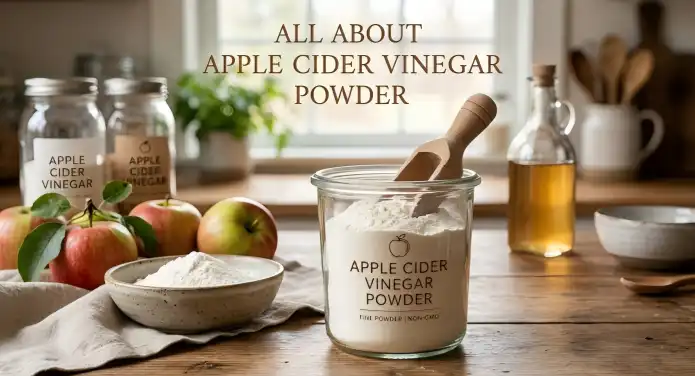
Apple Cider Vinegar Powder is a concentrated, dried alternative to regular vinegar. It was made using advanced spray-drying technology to keep the amount of acetic acid fixed in a form that can be stored for a long time. When companies buy Apple Cider Vinegar Powder Bulk, they get a strategic ingredient that saves them the trouble of transporting heavy liquids, protects processing equipment from rust, and lets them precisely control the amount of apple cider vinegar added to dietary supplements, functional drinks, and cosmetics. This detailed guide gives procurement workers useful information about product details, how to evaluate suppliers, and market trends that affect the ACV powder scene in North America and Europe.
Understanding Apple Cider Vinegar Powder
What Defines Apple Cider Vinegar Powder?
Apple Cider Vinegar Powder is made by spray-drying or microencapsulating fermented apple cider vinegar until it turns into a dry, free-flowing powder. During production, liquid ACV is broken up into tiny drops and quickly dried out at controlled temperatures. This keeps the core beneficial compounds, such as acetic acid, malic acid, pectin, and trace minerals, intact. Maltodextrin or soluble plant fibers are often used as carrier materials because they keep volatile acids stable and stop hygroscopic clumps. The powder that is made has a color ranging from ivory white to pale yellow and dissolves easily in water, which makes it useful for many commercial uses.
Manufacturing Standards and Quality Control
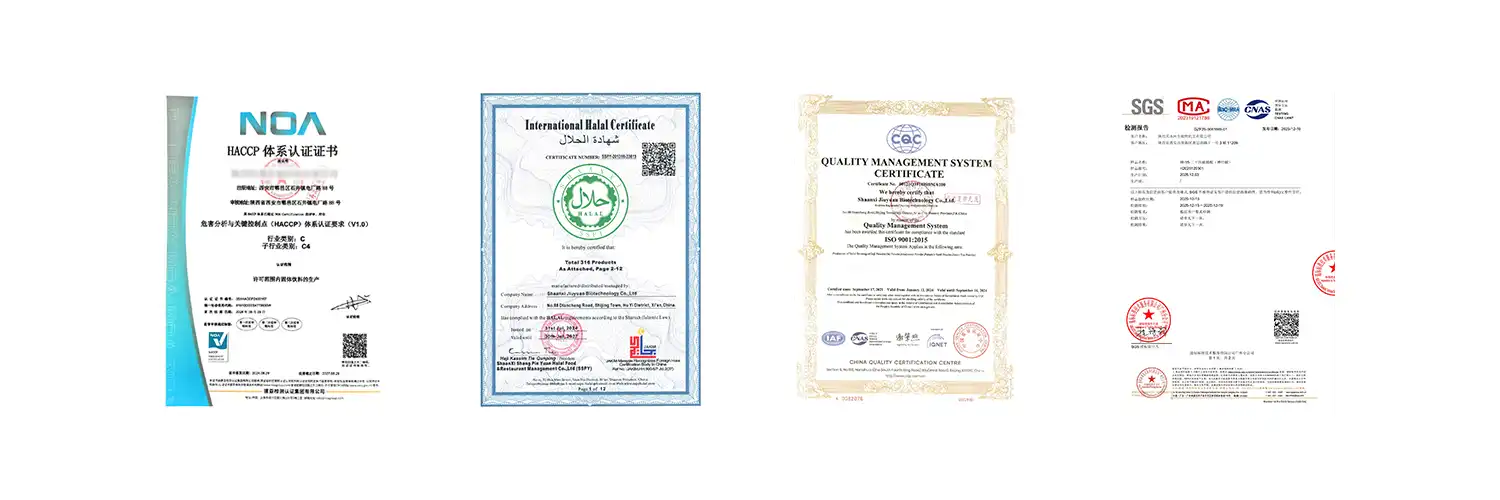
Suppliers of Apple Cider Vinegar Powder Bulk that you can trust follow strict quality standards that are checked by multiple levels of testing. Titration analysis shows the quantity of acetic acid, which is usually set at 5% or 10% purity. Heavy metal screening checks for amounts of lead, arsenic, cadmium, and mercury, making sure they are within the safety limits set by Proposition 65 and the EU. Microbial limit testing checks for yeast/mold, E. coli, and overall plate count. E. coli and salmonella to make sure they are safe for food. Particle size distribution analysis makes sure that the 80–100 mesh granulation is regular, which is important for mixing recipes with more than one ingredient. Pharmaceutical and nutritional buyers can feel even safer with ISO9001, GMP, FDA registration, Kosher, and Halal approvals.
Nutritional Profile and Health Benefits
Because it is made up of organic acids, Apple Cider Vinegar Powder Bulk has a number of health benefits that have been proven to work. Acetic acid stops lipogenesis and speeds up fat burning, which helps weight control products work. The chemical makes the stomach make more acid, which helps break down protein and fat and reduces bloating after a meal. Malic acid absorbs metabolic waste products, which helps keep pH levels stable and lowers the tiredness that comes from exercise. The powder is good for gut health supplements because it has natural antibacterial qualities from the organic acids that support the balance of microbes in the gut. Safe dose ranges for acetic acid are usually between 500 mg and 1,500 mg per serving, but this depends on the quantity and the purpose of the use.
Comparing Apple Cider Vinegar Powder With Other Forms
Powder Versus Liquid: Industrial Advantages
When looking at different types of raw materials, Apple Cider Vinegar Powder Bulk is clearly better for business than watery vinegar. The dried version cuts the weight of shipping by about 90%, which lowers the cost of freight and the carbon footprint of buying things internationally. Powder form keeps stainless steel tanks and sealing machinery from being exposed to acidic acids that damage them. This makes the equipment last longer and costs less to maintain. Under the right storage conditions, shelf stability lasts for 24 months, while it only lasts for 12 to 18 months for liquid concentrates. The smooth powder works well in processes like pill pressing, capsule filling, and dry beverage making that can't work with liquids because of technical issues.
Organic Versus Conventional Specifications
Quality levels have a big effect on both how much things cost and how they are positioned in the market. Certified organic Apple Cider Vinegar Powder Bulk costs more than regular grades, usually 25 to 40 percent more. This is because it comes from plants that have not been grown with GMOs or pesticides. Getting certified as USDA Organic or EU Organic lets you get into premium supplement markets and place your product as having a clean name. Conventional powder has the same amount of acetic acid and works just as well, but it costs less and is good for uses that need to save money or large-scale production. Buyers should make sure that the certification standards are in line with the rules and demands of the target market.
Presence of "The Mother" in Powdered Formats
The "mother" is made up of cellulose and good bacteria types that grow during fermentation. Liquid apple cider vinegar is prized for its bacterial content. Most live bacterial cultures are killed by standard spray-drying methods, but enzyme-active polyphenols and peptides are left alone. Some specialty makers charge 50–70% more for freeze-dried Apple Cider Vinegar Powder Bulk that still has some bacterial activity. Standardized acetic acid level is more important than probiotic claims in most bulk powder uses, since heat-stable organic acids work the same way in all finished product batches.
How to Choose the Right Apple Cider Vinegar Powder for Your Business
Defining Your Application Requirements
Before buying something, it's important to be clear on the use cases and technology requirements. For nutritional uses, Apple Cider Vinegar Powder Bulk that is pharmaceutical-grade, has a 10% acetic acid content, low microbial numbers, and full analytical evidence is usually needed. Functional food companies can choose a 5% food-grade powder with flavor-masking carriers that can be used in protein bars and drink mixes. For cosmetic products to work, they need to be certified as cosmetic-grade, have the right particle size for topical absorption, and have stable testing data for emulsion systems. Before evaluating a provider, industrial buyers should be clear about their purity needs, preferred carrier types, and any allergen limits.
Supplier Evaluation Criteria
To find trustworthy Apple Cider Vinegar Powder Bulk providers, you need to carefully look at a lot of different factors. Certifications for manufacturing facilities, such as ISO9001, GMP, and FDA approval, show that they have quality control systems in place. Ask a third-party lab for certificates of analysis (CoA) that show the test results for heavy metals, microbial limits, and acetic acid levels for each batch. Check production ability and store levels to make sure there is a steady supply even when demand goes up. Logistics skills are very important. Suppliers who offer customizable shipping terms like EXW, FOB, CFR, CIF, DAP, and DDP give you more control over the supply chain. Sample testing is possible with orders as little as 1 kg, and mass price breaks usually happen at 100 kg, 500 kg, and 1,000 kg.
Cost Optimization Strategies
There are more ways to save money when you buy in bulk than just getting a big deal. When you negotiate yearly supply deals, you protect prices against changes in other commodities that could hurt apple crop yields. When you combine orders into full container loads (FCL), the cost of freight per kilogram is 30–50% less than when you ship less than a container (LCL). If you buy Apple Cider Vinegar Powder Bulk from local sellers, you can cut down on wait times and import duties, but you need to be very careful to make sure that the quality of the product and that the certifications match up. Most of the time, wire transfer payment terms are 2-3% cheaper than letter of credit plans. To set a reasonable baseline, buyers should compare quotes from three to five providers.
Apple Cider Vinegar Powder Bulk Purchasing: Best Practices and Market Insights
North American and European Demand Trends
The market for Apple Cider Vinegar Powder Bulk is growing quickly thanks to health trends and the creation of clean-label products. From 2020 to 2023, North American demand grew by 18% each year, thanks to new weight loss products and useful drinks. For medicine and cosmetic uses, organic powder is most sought after in European markets. Germany, France, and the UK are the main places where it is imported. Trends in plant-based nutrition and the popularity of probiotic supplements are opening up new markets for freeze-dried versions of foods that still have enzyme activity. Harmonization of regulations between the FDA and EFSA makes it easier for global brands to buy things across borders.
Packaging and Shelf-Life Management
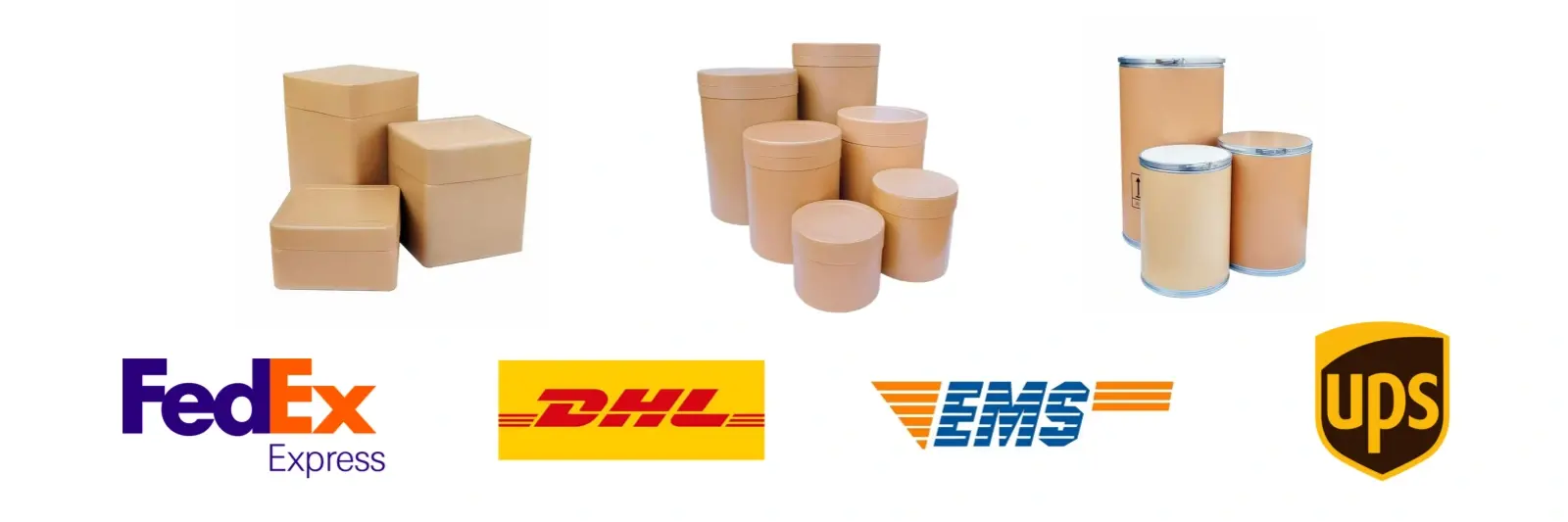
Standard bulk packaging for Apple Cider Vinegar Powder Bulk uses 25 kg fiber drums with plastic liners to keep the contents safe from light and wetness. Some sellers offer 10 kg foil bags for smaller businesses and 500 kg bulk sacks for companies that make a lot of products. To keep things from caking and acetic acid from escaping, they should be stored in cool, dry places below 25°C with relative humidity below 60%. When sealed, it can last for 24 months, but once opened, it needs to be eaten within 90 days. Buyers who have to keep track of a lot of different SKUs profit from providers who keep 4,000–5,000 square meter warehouses with climate-controlled storage and the ability to restock items just in time.
Logistics Coordination for International Procurement
To efficiently source Apple Cider Vinegar Powder Bulk, you need to plan your logistics ahead of time to cut down on wait times and customs delays. If you need something quickly, air freight can get it to you in 7–10 days, but it costs 400–600% more than sea freight. Shipping goods by sea in 20-foot containers that can hold 10 to 12 metric tons is a cheap way to build up your inventory, and it only takes 25 to 35 days for goods to get from Asian sources to ports on the US West Coast. Rail freight is becoming a competitive middle choice for European buyers who want to buy from China. It can bring goods in 18–22 days and costs 30% less than air. Keeping combined logistics management and global carrier ties with suppliers is the best way to make sure that customs paperwork is correct and that you can see shipments in real time.
Leveraging Apple Cider Vinegar Powder in Your Product Line or Resale Portfolio
Versatile Applications Across Industry Segments
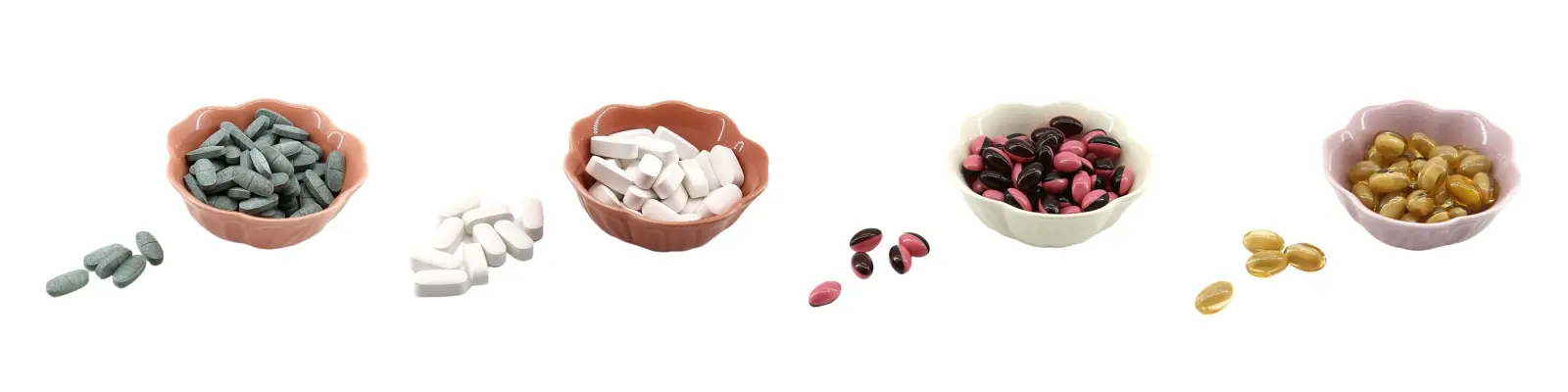
Apple Cider Vinegar Powder Bulk is an important ingredient in many areas that want to promote natural health. Manufacturers of dietary supplements use the powder in weight loss pills, detox mixes, and gut health blends because it is well-known among customers. It's used by functional food makers to add vinegar taste to protein bars, snack seasonings, and salad dressing mixes without having to deal with liquids. Companies that make drinks make fizzy drinks and ready-to-mix fitness shots for people who care about their gut health. The antimicrobial and pH-balancing qualities of acetic acid are used by cosmetic companies to make face toners, hair rinse powders, and bath soaks. The technical flexibility of the ingredient lets the product line grow quickly with little money spent on changing the recipe.
Quality Attributes Driving Product Efficacy
Getting Apple Cider Vinegar Powder Bulk that is as pure and effective as possible is important for the performance of the final product. Premium powder keeps 90–95% of the flavonoid content of the original liquid ACV, so the antioxidant power stays the same after spray-drying. Low amounts of leftover solvent (below 10ppm) stop off-flavors and regulatory worries. Consistency in particle size makes it possible to predict how quickly particles will dissolve in drinks and how evenly they will be spread out in tablet grids. Suppliers who keep track of data on glass transition temperatures help formulators find the best packaging settings, which stops acid from moving during storage. Traceability methods that keep track of where apples come from and how they are fermented make quality checks and clean label marketing claims clearer.
B2B Success Stories and Innovation Trends
Leading OEMs and private label manufacturers show how Apple Cider Vinegar Powder Bulk can be used to make money by launching new products in smart ways. By adding ACV powder capsules to its current probiotic lines, a North American supplement seller increased its health offerings and saw 35% growth in sales within a year. A European functional beverage brand changed liquid ACV shots into powder stick packs. This cut shipping costs by 60% and increased the product's shelf life from 6 to 18 months. New uses include liposomal encapsulation technology, which makes acetic acid more bioavailable, and microencapsulation systems, which release active chemicals in specific pH zones in the gut. Early adopters of these new ideas will be at the top of the natural health market competition.
Conclusion
To find good Apple Cider Vinegar Powder Bulk, you have to find a balance between technical requirements, source dependability, and cost-effectiveness in order to meet a variety of business goals. Procurement professionals can make choices that are in line with regulations and market positioning goals if they understand how products are made, what certifications are needed, and what quality characteristics are needed for each purpose. The powder format's benefits in terms of logistics, longer shelf stability, and formulation flexibility solve important problems in the production of supplements, healthy foods, and cosmetics. As the need for natural ingredients backed by science keeps growing, businesses can take advantage of new possibilities in North America and Europe by forming smart agreements with certified providers.
FAQ
1. What is the recommended dosage of Apple Cider Vinegar Powder in supplement formulations?
Depending on the powder content (5% or 10%), a typical amount has between 500 mg and 1,500 mg, which is equal to 25 mg to 150 mg of acetic acid. 750–1,000 mg daily doses were used in clinical tests that showed metabolic effects. Formulators should make sure that dosing is in line with goals for acetic acid bioavailability and label space limitations. This will help make sure that final goods are safe within the limits set by past regulations.
2. Can Apple Cider Vinegar Powder be used as a direct food ingredient?
Apple Cider Vinegar Powder Bulk that is food-grade and meets FCC standards can be used in baking mixes, spice blends, and drinking powders. It dissolves easily in water and has a mild flavor, making it useful in situations where vinegar utility is needed without liquid acidity. Manufacturers need to make sure that the licenses of their suppliers match the types of food they want to sell and that they follow the rules for marking ingredients in target markets.
3. How do I verify supplier authenticity when sourcing bulk powder?
Ask for up-to-date ISO9001, GMP, and organic certificates with scope statements that match the production of ACV powder. Ask for batch-specific COAs from licensed third-party labs instead of checking them yourself. Check the conditions of the building by conducting supplier checks or reading third-party audit reports. Check the state of their FDA registration for shipments going to the US, and ask well-known names that use their Apple Cider Vinegar Powder Bulk for customer examples. Traceability paperwork that connects the source of the raw apples to the finished powder gives you even more confidence.
Source Premium Apple Cider Vinegar Powder Bulk from HERBCOSHER
HERBCOSHER is the company you can trust to give you pharmaceutical-grade materials and has over 20 years of experience working with plant extracts. Our factory in China is ISO9001, GMP, FDA-registered, Kosher, and Halal-certified, and it makes normal powder with 5% and 10% acetic acid levels. There are also organic and non-GMO options that meet USDA and EU approval standards. We keep 4,000 to 5,000 square meters of climate-controlled warehouse space to make sure we always have what we need. We can handle minimum orders from 1 kg samples to multi-ton container loads, and we can meet large needs in 15 days.
As part of our integrated quality system, third-party approved labs test for heavy metals, microbes, and particle size using titrations to confirm the product's potency. With established air, sea, and train freight partnerships and flexible delivery terms ranging from EXW to DDP, goods will be delivered on time in North America and Europe. With OEM/ODM options, you can get formulations, liposomal processing, and private label packages that are made just for your business.
Get in touch with our expert sales team at info@herbcosher.com to talk about how to buy Apple Cider Vinegar Powder Bulk. Ask for full product details, current prices for the amount you want to buy, and free samples that show our commitment to quality. Partner with HERBCOSHER to get ingredients that are reliable, legal, and priced reasonably. This will help you come up with new products and grow your market.
References
1. Johnston, C.S., & Gaas, C.A. (2006). Vinegar: Medicinal Uses and Antiglycemic Effect. MedGenMed: Medscape General Medicine, 8(2), 61.
2. Budak, N.H., Aykin, E., Seydim, A.C., Greene, A.K., & Guzel-Seydim, Z.B. (2014). Functional Properties of Vinegar. Journal of Food Science, 79(5), R757-R764.
3. Petsiou, E.I., Mitrou, P.I., Raptis, S.A., & Dimitriadis, G.D. (2014). Effect and Mechanisms of Action of Vinegar on Glucose Metabolism, Lipid Profile, and Body Weight. Nutrition Reviews, 72(10), 651-661.
4. White, A.M., & Johnston, C.S. (2007). Vinegar Ingestion at Bedtime Moderates Waking Glucose Concentrations in Adults With Well-Controlled Type 2 Diabetes. Diabetes Care, 30(11), 2814-2815.
5. Kondo, T., Kishi, M., Fushimi, T., & Kaga, T. (2009). Acetic Acid Upregulates the Expression of Genes for Fatty Acid Oxidation Enzymes in Liver To Suppress Body Fat Accumulation. Journal of Agricultural and Food Chemistry, 57(13), 5982-5986.
6. Yagnik, D., Serafin, V., & Shah, A.J. (2018). Antimicrobial Activity of Apple Cider Vinegar Against Escherichia coli, Staphylococcus aureus and Candida albicans. Scientific Reports, 8(1), 1732.