



Apple Cider Vinegar Powder: A Convenient Twist on a Classic Remedy
Apple cider vinegar powder is a huge step forward in how we use this health ingredient that has been around for hundreds of years. Using modern spray-drying technology, apple cider vinegar turns from a liquid into a concentrated, shelf-stable powder that solves important problems in production, formulation, and distribution. For companies that want to buy Apple Cider Vinegar Powder Bulk, this new technology gets rid of the problems that come with transporting liquids, protects equipment from corrosion, and lets tablets, pills, and useful drinks be precisely dosed. The powder form keeps the important organic acids like acetic acid, malic acid, and pectin while giving manufacturers better handling options that they need today.

Understanding Apple Cider Vinegar Powder: Definition, Benefits, and Usage
What Exactly Is Apple Cider Vinegar Powder?
Using spray-drying or microencapsulation techniques, apple cider vinegar powder is created by carefully dehydrating fermented apple cider vinegar. In this step, liquid vinegar mixes with carrier materials, which are usually maltodextrin or organic plant fibers, to keep the acetic acid level stable. The end result is a powder that is off-white to pale yellow and standardized to certain acetic acid amounts, usually 5% or 10% quality standards. Formulators no longer have to worry about the 95% water weight that drives up shipping costs. This change also stops rusting of stainless steel processing equipment and turns a volatile liquid into a free-flowing ingredient that can be used in dry-blend manufacturing.
The powder has the same molecular makeup as the liquid it replaced, but it can be used in more situations. Titration-verified testing methods help manufacturers make sure that all of their production batches have the same amount of acidity. This helps them follow the rules and make sure that the recipe works as planned. While liquid vinegar needs to be kept in the fridge and can leak, powdered vinegar can stay stable at room temperature for up to 24 months if it is properly packed in drums that keep out moisture.
Established Health Benefits Backed by Research
The health-benefiting effects of apple cider vinegar are still strong in powder form. Peer-reviewed studies have shown that acetic acid, the main bioactive substance, has physiological effects. It stops pathways that make fat, delays stomach emptying to make you feel fuller after a meal, and speeds up the burning of fat. When combined with appropriate nutrition, these processes help control body composition.
Digestive support is another tool that has been proven to work. The powder raises the amount of acid in the stomach, which breaks down protein and fat more easily and reduces bloating after a meal. When organic acids are broken down, they make alkaline byproducts that help keep the pH balance of fluids and fight metabolic acidity caused by high-protein foods. A new study shows that natural substances with a wide range of antimicrobial properties can help keep the balance of microbes in the gut by stopping the growth of harmful bacteria.
Industrial Applications Across Multiple Sectors
Nutraceutical companies use Apple Cider Vinegar Powder Bulk apple cider vinegar powder a lot in pill and tablet formulas because it freely flows and mixes evenly with other herbs that work well with it, like ginger root or turmeric. Because it dissolves completely in water, functional beverage companies use it in fizzy drink mixes and protein shake powders. The makeup industry likes the powder because it can be used to make face masks and hair rinses. The controlled acidity helps keep the skin's pH level and smooths out the cuticles.
Food scientists like how the powder can be used to make a lot of different seasoning mixes for salad dressings, marinades, and clean-label snack coatings. Unlike liquid vinegar, which can change the texture of dry goods, the powder only rehydrates when water is added, so the product stays intact throughout its shelf life. This flexibility also applies to private-label development, where adding fruit powders or probiotics in a custom way makes products stand out in the market.
Production, Quality, and Shelf Life: What Procurement Managers Need to Know
Manufacturing Processes and Technology
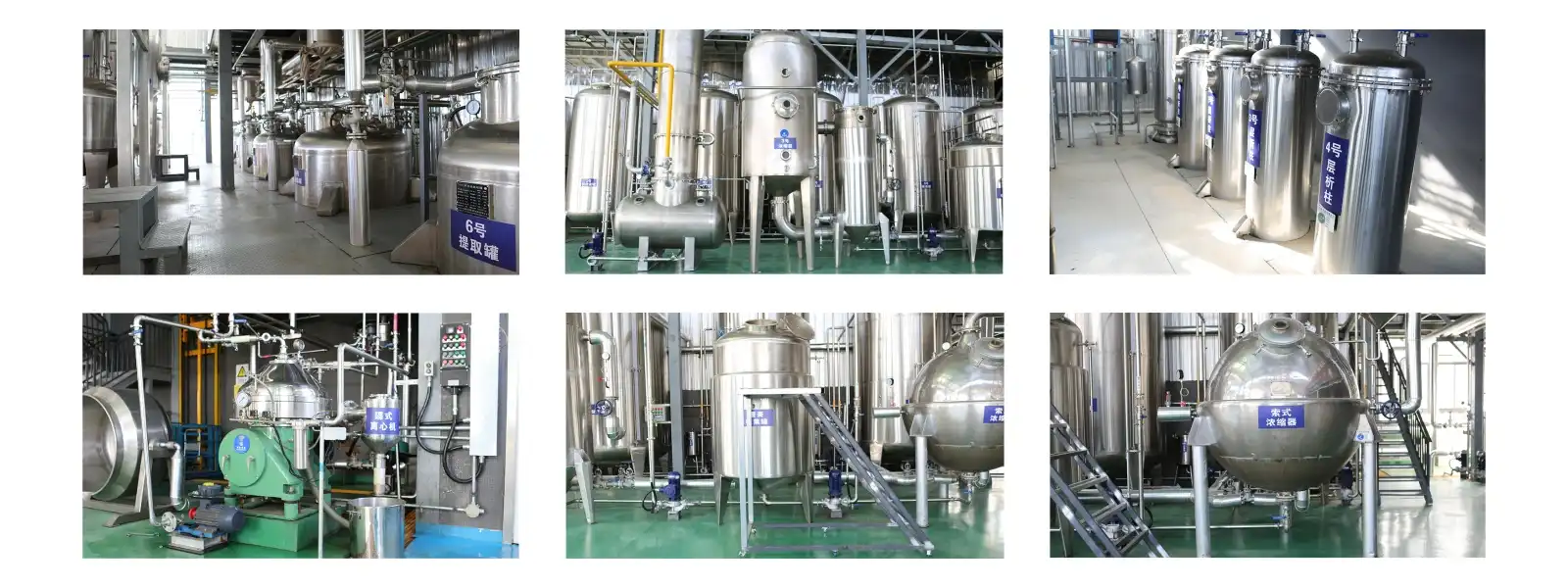
Spray-drying is the principal technique of commercial apple cider vinegar powder manufacture. The technique transforms liquid vinegar into small droplets in a heated environment, draining water while preserving heat-sensitive organic acids. To prevent acetic acid breakdown, temperatures move between 160°C and 180°C and then below 80°C. Most carriers are maltodextrin; however, organic-certified ones utilise tapioca or rice for clean-label.
Microencapsulation, a newer method, protects against acidity and controls release. This approach protects vinegar drops with modified starches or gums. In humid air, this makes particles more stable. Spray-dried powder has a bulk density of 0.40 to 0.65 g/ml and a particle size distribution of 80 to 100 mesh for easy mixing.
Organic and conventional agricultural cultivation vary greatly. Apples must be grown without pesticides, fermented with natural acetobacter cultures, and processed without additives to be organic. Conventional methods employ quicker fermentation and non-organic carrier materials, lowering costs but reducing high-end product demand.
Critical Certifications and Compliance Standards
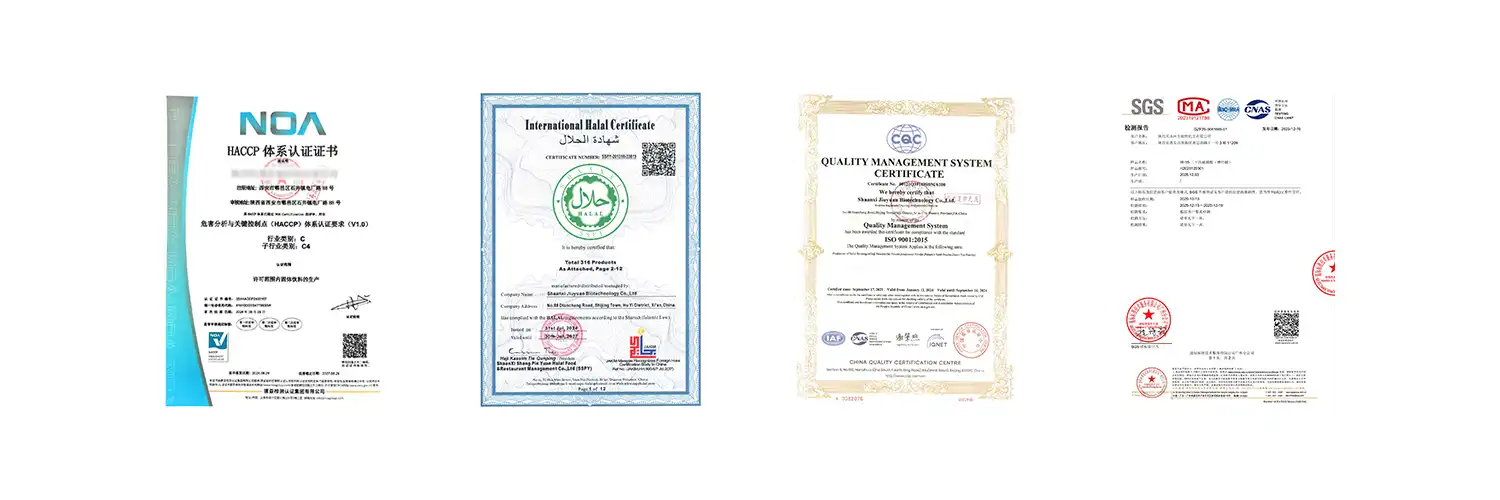
Verifiable certifications ensure high-quality purchases. ISO 9001 accreditation indicates planned quality management, while GMP compliance ensures pharmaceutical-standard manufacturing controls. USDA and EU Organic certifications prove a trustworthy supply chain from farm to packing. FDA facility registration assures government control for U.S. market access, while Kosher or Halal certifications create new markets for certain consumer groups.
Lab tests must screen for heavy metals (lead, arsenic, cadmium, and mercury) according to Proposition 65 limitations, titrate acetic acid levels, and ensure food safety for bacteria using total plate count and viral testing. Third-party certificates of analysis provide batch-specific information for customer audits and import regulatory inspections.
Storage Requirements and Packaging Solutions
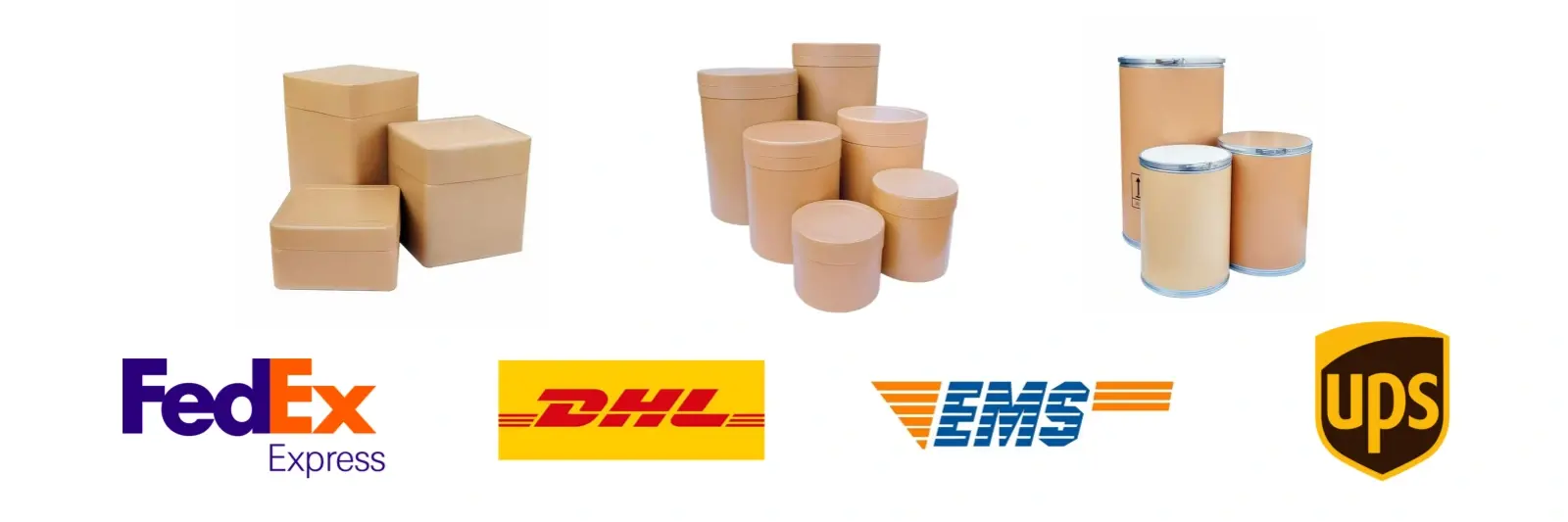
Controlling wetness and keeping air out are important for shelf stability. When powder is made correctly, it has hygroscopic properties that mean it needs to be stored below 25°C with a relative humidity below 60%. For 24 months, industrial packaging in 25 kg fiber drums with plastic covers is enough to keep the goods safe. Vacuum-sealed foil bags are better at keeping things out when they are being shipped over long distances or in hot regions.
To keep oxidative breakdown to a minimum, procurement teams should ask for packing with desiccant bags and nitrogen flushing. Bulk crates must have seals that can't be broken and lot codes that make it possible to track goods through the supply chain. Temperature-controlled storage stops caking that happens when moisture is absorbed, keeping the powder's flowability, which is important for systems that dole out medicine automatically.
Apple Cider Vinegar Powder vs Other Forms: A Comparative Analysis for Bulk Buyers
Powder Versus Liquid: Practical Advantages
When you compare dry and liquid types, you can see that they work very differently. About 5% of liquid vinegar is acetic acid and 95% is water. This means that it needs to be kept cool and heavy when shipping. A 1,000 kg order of powder provides the same amount of acetic acid as 10,000 kg of liquid, which cuts freight costs and carbon emissions by a huge amount. Powder protects processing and packing materials from corrosion, which increases the life of machinery and lowers the time it needs to be taken apart for upkeep.
Powder makes it much easier to get the right dose. When measuring the volume of a liquid, there is some error because the density changes with temperature and there are effects of surface tension. Gravimetric dosing of powder gives an accuracy of ±2%, which is important for making sure that supplement labels are truthful. The lack of flammable fumes makes safety rules easier to follow, and there are no worries about air exposure during production.
Capsules and Tablets: Formulation Considerations
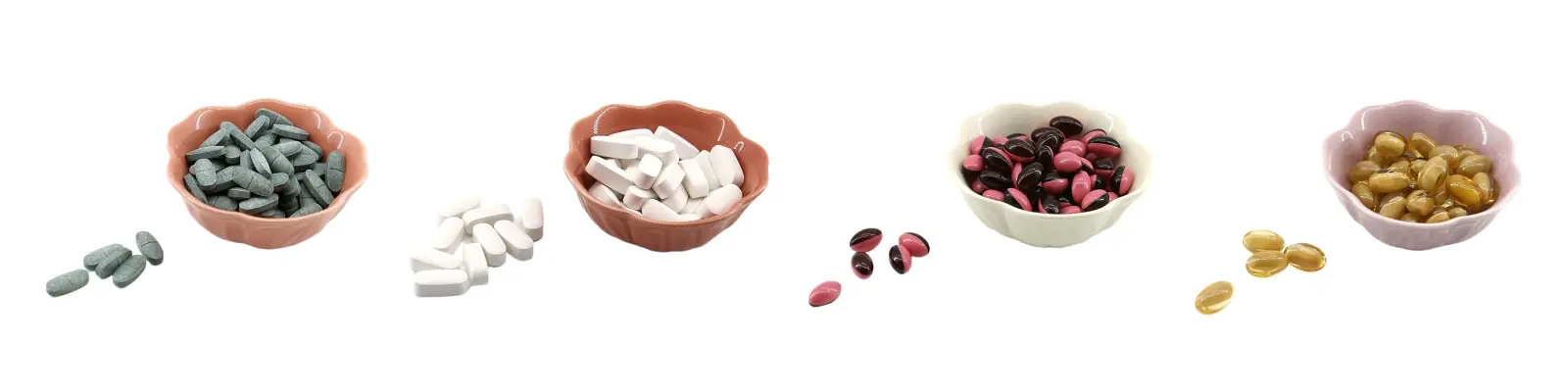
Spray-dried powder is usually pressed into veggie or gelatin pills that contain encapsulated vinegar products. This is helpful for end users, but bulk sellers can get more out of it by getting raw powder for custom preparation. When you buy pre-encapsulated material, the dose and blend ratios are locked in. This makes it harder to change the strength or mix it with ingredients that work well together, like cayenne or chromium picolinate.
Making tablets from bulk powder allows for the creation of controlled-release matrices, in which binding agents slow down the rate at which acid is released to protect the stomach. This pharmacy method makes products stand out in a way that simple pill filling can't. The economics of manufacturing also favor buying powder because captive packaging lowers the cost per unit compared to buying finished capsules.
Organic Versus Conventional: Market Positioning
Organic Apple Cider Vinegar Powder Bulk costs more than other grades (30–50% more), but it opens up high-value market niches. Natural goods stores and high-end supplement brands put a high value on organic certification to match customer values and marketing claims. The approval method checks for synthetic herbicides, GMO carriers, and illegal processing aids, which supports the idea of a "clean label."
Conventional powder is used for price-sensitive uses where being organic doesn't give a big benefit, like in factory food ingredients or value-tier supplements. For the best profit structure, bulk buyers should make decisions about where to get their goods based on the demographics and positioning of their target market. By taking samples of both types during the development process, changes in taste or performance can be found that could affect the formulation choices that are made.
Comprehensive Bulk Buying Guide for Apple Cider Vinegar Powder
Supplier Selection and MOQ Considerations
In order to find suitable suppliers, you need to look at their service, manufacturing, and quality processes. Established makers set minimum order numbers (MOQs) between 100 kg and 1,000 kg to balance how efficiently they can make goods with how easy it is for customers to get them. Smaller MOQs raise the price per kilogram because of the costs of switching batches, but they allow for sample sales to make sure the product works. Through guaranteed offtake deals, buyers who sign yearly contracts in large quantities get better prices.
Lead times depend on how much material is available and how much tailoring is needed. Stock goods usually ship within 5 to 7 business days. Custom formulas, which use specific carrier types or acidity levels, take 15 to 20 days longer. Around New Year's goals to be healthier and the release of new supplements in the fall, demand may change, which is why it's smart to order ahead of time during busy times.
Pricing Dynamics and Cost Drivers
The price of bulk items depends on a lot of factors. Origin is important. Chinese production takes advantage of cheaper labor and being close to apple-growing areas, while European organic powder costs more because it has to be certified and is made on a smaller scale. Standardizing acidity has an effect on cost; 10% grades with better strength need more raw materials than 5% grades, which makes the price go up by the same amount. Costs go up with each level of certification. For example, standard powder costs 20% to 30% more than organic powder, and specialty Kosher/Halal certifications cost an extra 5 to 10%.
Choosing a form of transportation strikes a balance between speed and cost. Ocean freight has the lowest cost per kilogram for containerload shipping (20–35 days transit time), air freight is faster for urgent restocking but costs three to five times more (5-7 days transit time), and rail freight is a middle ground for regional routes. Choosing an Incoterm (FOB, CIF, or DDP) means that the buyer and seller are both responsible for setting up the freight, getting insurance, and clearing customs.
Private Label and OEM Customization
Private label partnerships let brand owners get finished goods without having to build their own factories. Suppliers help with recipe development by putting together apple cider vinegar powder with other ingredients that work well together, such as green tea extract or B vitamins. Customization in packaging includes designing bottles, printing labels, and branding secondary packaging materials to fit the needs of the customer. For setup costs to be worth it, OEM deals usually need at least 3,000 to 5,000 units to be produced.
Original Design Manufacturer (ODM) services go beyond simple contract making. Suppliers with a lot of experience can help with custom formulations and can suggest ingredient combinations that work well together and dosing forms that follow market trends. This collaborative method shortens the time it takes to get a product to market for brands that don't have their own research and development (R&D) staff. The supplier's understanding of regulations and ties in the supply chain help brands meet compliance requirements more quickly.
Why Choose HERBCOSHER as Your Trusted Apple Cider Vinegar Powder Bulk Supplier?
Certified Quality and Manufacturing Excellence
HERBCOSHER has complete quality control systems that are backed up by ISO9001, GMP, and FDA-registered center status for Apple Cider Vinegar Powder Bulk. Third parties regularly check that our manufacturing methods are in line with international standards for food and drug safety. There are separate areas in the production center for organic and conventional processing. This keeps the purity of the certification and prevents cross-contamination. Batch paperwork makes it possible to track apples all the way from where they are grown to how they are packaged, meeting even the strictest customer audit standards.
Our technical skills go beyond simple contract manufacturing. Working together with Northwest A&F University and Northwest University gives you access to cutting-edge research in extraction and packaging, which lets you keep improving your process and come up with new products. This collaboration between universities has led to the development of unique spray-drying settings that keep more of the acetic acid and make the powder easier to work with. These technical benefits have led to better product performance.
Flexible Commercial Terms and Logistics
Our MOQs vary from 1 kg for first samples to multi-ton yearly contracts for long-term relationships, so we can manage a variety of order quantities. Our integrated supply chain—including apple orchards and transportation management—enables competitive pricing. This eliminates rivals' middleman markups. Volume-tiered discounting promotes repeat buyers. Annual arrangements lock in superior rates without market fluctuations.
Our warehouse, which is 4,000 to 5,000 square meters, stocks many common products, so we can satisfy stock requests in 48 to 72 hours. Standardised development processes simplify bespoke formulation requests. We provide prototype samples in a week and complete full-scale manufacturing in 15 business days. Air, sea, and rail freight agreements provide variable routing that balances delivery speed and transportation economy depending on client demands and budgets.
Comprehensive Support and Customer Service
When a client requests technical support, our sales engineers provide formulation, legal, and application advice based on their product ideas. Free samples help you test performance before purchase, reducing risk and ensuring specs match. Post-sale assistance includes reliable test results, storage recommendations, and repeat planning to maximise inventory turnover.
Our OEM/ODM services convert client ideas into market-ready products. Formulation scientists collaborate to choose components, determine doses, and enhance taste and smell. However, packaging specialists discover bottles, labels, and other secondary packaging that fit the brand's aesthetic and functional objectives. This turnkey technique allows new brands without a manufacturing base and existing organisations to add additional goods with 15-day development procedures that speed up market launch.
Conclusion
The use of Apple Cider Vinegar Powder Bulk in modern products has undergone a basic transformation by makers, formulators, and brands. The powdered form solves important supply chain problems by lowering the cost of shipping, stopping equipment corrosion, and allowing exact formulation control while preserving health-beneficial bioactive compounds. To successfully purchase Apple Cider Vinegar Powder Bulk, you need to carefully evaluate suppliers, check their quality certifications, and have a good idea of what they can produce. Your company can benefit from working with HERBCOSHER because they have a history of high-quality manufacturing, flexible business terms, and full technical support. This will help you meet the growing demand for easy-to-use, high-quality apple cider vinegar products in nutraceutical, functional food, and cosmetic uses.
FAQ
1. What storage conditions maximize shelf life?
Keep powder below 25°C and below 60% relative humidity in containers that are covered and have a moisture barrier. Humidity makes acetic acid crystallize and break down, which lowers its effectiveness. Industrial drums with plastic cores and desiccant bags protect goods well enough to last for 24 months. Refrigeration makes things more stable, but it also increases the risk of condensation when the temperature changes. Oxidative breakdown is slowed down by flushing with nitrogen during packing.
2. How is batch consistency maintained?
Reliable providers use titration testing on every batch of production to make sure that the percentage of acetic acid meets the goals set by the manufacturer, which are usually between 5 and 10 percent. Spray-drying factors like intake temperature, feed rate, and carrier ratio are standardized to make sure that all particles have the same properties. Each package comes with a certificate of analysis that confirms the product's potency, heavy metals, microbiology, and physical qualities by a third-party laboratory.
3. Can powder substitute directly for liquid vinegar in formulations?
For substitution, you need to recalculate based on the concentration of acetic acid. At 10 grams, a 10% acidity powder gives you the same amount of acetic acid as 200 ml of 5% liquid vinegar. Think about the amount of the carrier material in the end formulas. Powder quickly rehydrates in water, but the feel is a little different after adding liquid. Do tests on a bench to find the best way for the ingredients to dissolve and taste.
Partner with HERBCOSHER for Premium Apple Cider Vinegar Powder Bulk Supply
If you need to buy certified organic Apple Cider Vinegar Powder Bulk, HERBCOSHER is ready to help. They have been extracting phytochemicals for 20 years. We are a top seller, and to make your supply chain run more smoothly, we offer reasonable prices, strict quality systems, and quick fulfillment. Our MOQs are open enough to handle orders ranging from small samples to large contracts, and our full OEM/ODM services will shorten the time it takes to develop your product. Email our expert sales team at info@herbcosher.com right now to get free samples, talk about your needs for custom formulations, or get full quotes. You can trust HERBCOSHER in 30 places around the world because of its dependability, commitment to quality, and focus on working with customers.
References
1. Johnston, C.S., & Gaas, C.A. (2006). Vinegar: Medicinal uses and antiglycemic effect. MedGenMed: Medscape General Medicine, 8(2), 61.
2. Budak, N.H., Aykin, E., Seydim, A.C., Greene, A.K., & Guzel-Seydim, Z.B. (2014). Functional properties of vinegar. Journal of Food Science, 79(5), R757-R764.
3. Petsiou, E.I., Mitrou, P.I., Raptis, S.A., & Dimitriadis, G.D. (2014). Effect and mechanisms of action of vinegar on glucose metabolism, lipid profile, and body weight. Nutrition Reviews, 72(10), 651-661.
4. Kondo, T., Kishi, M., Fushimi, T., & Kaga, T. (2009). Acetic acid upregulates the expression of genes for fatty acid oxidation enzymes in liver to suppress body fat accumulation. Journal of Agricultural and Food Chemistry, 57(13), 5982-5986.
5. White, A.M., & Johnston, C.S. (2007). Vinegar ingestion at bedtime moderates waking glucose concentrations in adults with well-controlled type 2 diabetes. Diabetes Care, 30(11), 2814-2815.
6. Ho, C.W., Lazim, A.M., Fazry, S., Zaki, U.K.H.H., & Lim, S.J. (2017). Varieties, production, composition and health benefits of vinegars: A review. Food Chemistry, 221, 1621-1630.