



Gardenia Blue Pigment: Uses, Benefits, and Applications
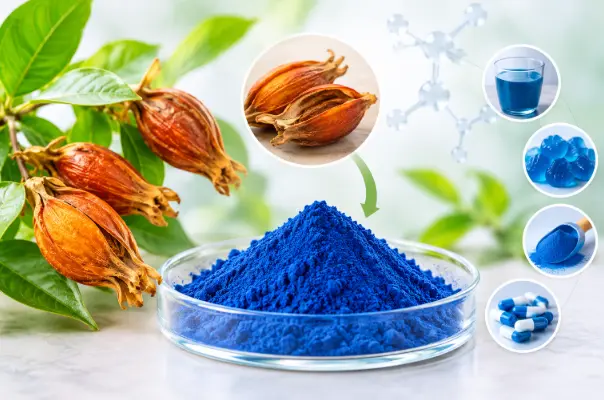
Gardenia blue pigment is a water-soluble natural colorant derived from Gardenia jasminoides fruit through enzymatic hydrolysis of geniposide (CAS 106441-42-3, INS 165). The active compound—a genipin-peptide polymer—produces a deep sapphire-blue tone with maximum absorption at 590–600 nm. As demand for clean-label formulations grows across beverages, confectionery, and cosmetics, this botanical colorant has become the preferred alternative to synthetic dyes like FD&C Blue No. 1. Its stable performance across pH 3–8, combined with FDA 21 CFR §73.168 permanent listing (effective July 15, 2025), positions gardenia blue pigment as a technically sound and commercially compelling choice for B2B buyers.
Understanding Gardenia Blue Pigment: Composition, Extraction, and Properties
What Is Gardenia Blue Pigment Made From?
The color gardenia blue comes from the dried fruit of the Gardenia jasminoides Ellis plant. In order to make genipin, manufacturers use enzymes to break down geniposide. Genipin then reacts with soy protein hydrolysate to make a blue genipin-peptide polymer that is stable. The color stays true during this bio-enzymatic process, and the product doesn't have any added chemicals. What you end up with is a dark blue powder or liquid that mixes easily with water and ethanol. It can be added straight to recipes that use water or alcohol.
Key Technical Properties
Depending on the strength grade, HERBCOSHER's gardenia blue pigment has a color value of E30 to E200 (E1%/1cm at 600 nm). This is the list of the most important technology things buyers look at:
- Appearance: Blue liquid or dark blue powder
- Solubility: Easily soluble in water and ethanol
- pH Stability: Stable across pH 3.0–8.0; optimal vibrancy near neutral pH
- Heat Resistance: Withstands pasteurization and retort sterilization up to 100°C
- Testing Method: Spectrophotometry (maximum absorption 590–600 nm)
- Purity: 100%, verified by third-party laboratory analysis
Storage and Stability Considerations
Color strength and handling performance of gardenia blue pigment is contingent on proper storage. Store the powder in well-closed containers in a cold, dry place. Avoid moisture absorption and caking by maintaining a relative humidity of less than 60%. The pigment exhibits high stability throughout pH 4.0–8.0 and can survive standard manufacturing conditions, including heat treatment. For long-term storage, shielding the material from extreme humidity and continuous direct sunlight helps retain its look, solubility, and constant coloring performance.
Benefits and Key Applications of Gardenia Blue Pigment in B2B Industries
Regulatory and Safety Profile
Gardenia blue pigment had an ADI set at 0–7 mg/kg body weight at its 100th meeting in 2025. This was a strong safety reference for applications to the world market. The GB 2760 in China lets you use it. In the U.S., the FDA put it on a set list for sweets and drinks under 21 CFR §73.168 (90 FR 31586). This means that it doesn't need to be approved for each batch. Because of this, labels don't have to say "FDA certified color," they can say "exempt from certification." This is a huge difference that you need to be aware of when writing up product paperwork.
Food and Beverage Applications
Many different kinds of food can benefit from gardenia blue pigment. At amounts used in uses (usually 0.01% to 0.5%), it doesn't make foods taste bitter or off, so it can be used in taste tests.
It's clear that this colorant adds value to food in the ways below:
- Sports drinks and flavored waters: Maintains vivid blue tone despite citric acid and electrolyte content; no sedimentation observed at pH 3.5–5.0
- Hard and soft candies: Color remains uniform through high-temperature boiling cycles without bleeding or crystallization
- Ready-to-drink tea and juice drinks: Stable hue under hot-fill and aseptic processing conditions
- Frozen dairy and ice cream: Exceptional freeze-thaw stability prevents color migration in layered formats
There is a rule in the FDA's 21 CFR §73.168 that these apps fall into, so product leaders can be sure they are sending the right words to the government when they do so.
Cosmetic and Personal Care Applications
Gardenia blue is also seen in clean beauty and K-beauty products. It’s INCI listed as “Gardenia Blue” which makes ingredient labels clearer for firms who seek to pitch themselves as vegan or without artificial colors. Most lip glosses and face creams are designed to work in the E40 to E200 range. Before you start making formulations, be careful to verify your local regulations to ensure the usage you intend to create (lip vs. face) is allowed.
Gardenia Blue Pigment vs. Alternative Blue Pigments
How Does It Compare to Synthetic Blues?
The color of FD&C Blue No. 1 (E133) stays the same, but regulators in clean-label markets are looking more closely at it. Gardenia blue pigment supports labels that say "no artificial colors" because it has the same effect on the eyes when added to drinks in the same dose amounts. In the U.S., it doesn't need batch approval like E133 does, which makes it easier for producers to keep track of their paperwork.
Comparison With Other Natural Blues
Being acidic or hot makes blue spirulina (phycocyanin) break down quickly above 60°C and lose its color below pH 4.0. This means it can't be used in those things. When the pH level changes, butterfly pea flower extract turns a very bright new color. It turns black when the pH level is low. In a retort, gardenia blue pigment can be sterilized while maintaining its shape between pH 3.0 and 8.0. It's now easier for R&D teams to guess what will happen in different production settings.
Protein Compatibility Consideration
Gardenia blue pigment is a good option for protein containing compositions since it has a high affinity to protein based compounds. This allows color to be more uniformly dispersed during the process resulting in less undesirable color migration or stains. This compatibility may help promote more consistent color performance for food and beverage businesses who are dealing with dairy products, protein beverages or other protein-rich formulations. Gardenia blue pigment provides an option of natural origin, which may be simpler to use in clean-label product ideas compared to other blue pigments with a distinct behavior in protein systems.
Procuring Gardenia Blue Pigment: Best Practices and Market Insights
Ordering Parameters and Lead Times
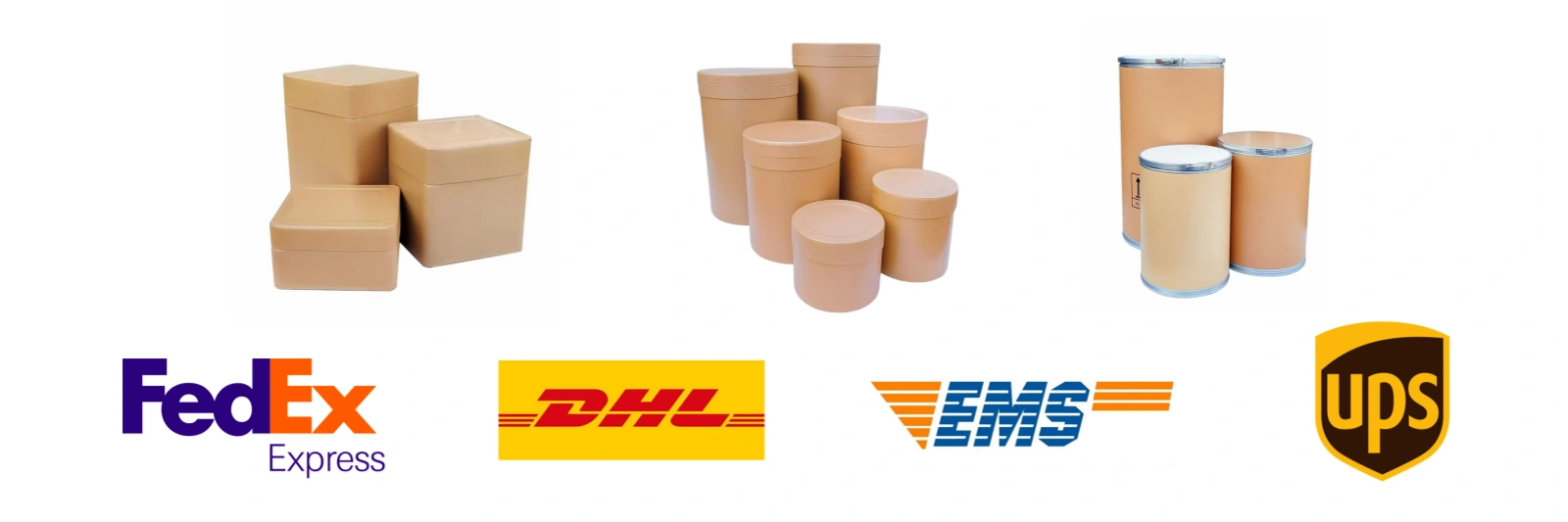
HERBCOSHER's gardenia blue pigment is available with a minimum order quantity of just 1 kg, making laboratory trials accessible before committing to volume. Standard packaging is 10 kg/drum. Bulk orders ship within 15 working days from a 4,000 m² warehouse with maintained inventory. Delivery terms include EXW, FOB, CFR, CIF, DAP, and DDP—covering direct-to-factory delivery for buyers in Southeast Asia, North America, and Europe.
Certifications to Verify Before Sourcing
When examining any gardenia blue pigment source, ensure the following paperwork is current and verifiable:
- ISO 9001 quality management certification
- GMP manufacturing compliance
- FDA facility registration (U.S. market)
- Halal and Kosher certification for Muslim and Jewish market access
- COA including spectrophotometry data, microbial counts, heavy metal screening, and allergen statement
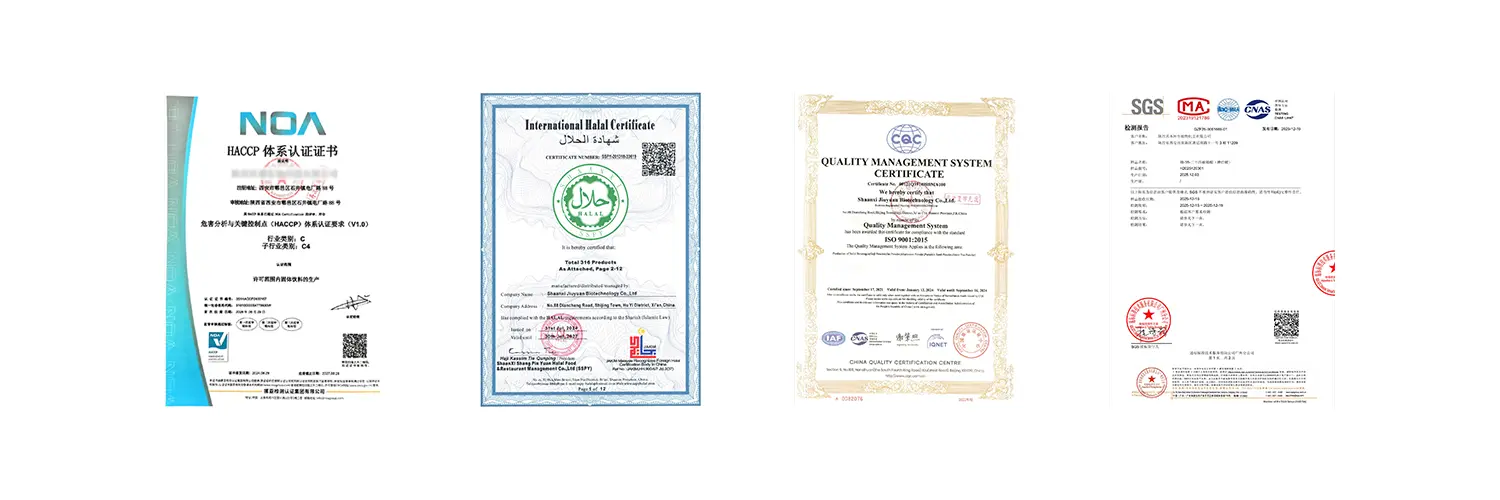
HERBCOSHER provides full documentation with each shipment, including third-party laboratory reports suitable for regulatory submissions in the U.S., EU colouring food framework markets, and Southeast Asian markets.
Shipping Options
We transport orders by air, sea or train depending on the volume and urgency of delivery. 3. Payment terms: T/T (wire transfer) is preferred. OEM and ODM services are provided for customers that require bespoke concentration grades, liquid vs powder format or private-label packaging.
Maximizing the Value of Gardenia Blue Pigment in Your Production Line
Formulation Integration Tips
In aqueous beverage systems, use a test concentration of 0.01 to 0.05% and adjust thereafter to get the desired colour intensity. For making sweets, first combine the powder with warm water so that it spreads more evenly. Then add it to the sugar mix. Take down the spectrophotometry readings of each test run for an internal ΔE baseline. Make every batch consistent by aiming for ΔE ≤ 5 in 6 months of accelerated shelf-life testing.
Color Blending Potential
Gardenia blue pigment and gardenia yellow pigment can be mixed in certain amounts to make green shades that stay the same. This is a good option for people who want to make SKUs that are inspired by nature but don't want to use artificial green dyes. This mix works great for limited-edition holiday things like Valentine's Day, Christmas, and Children's Day. The clean, bright colors on the labels make people want to try the product.
Quality Control Checkpoints
Your production team should check the color value (E1%/1cm), the pH of the working solution, and for microbes when they look over the new goods that have come in. After heat processing, test the finished goods again to make sure they keep their color as needed before putting them on the market.
Conclusion
Gardenia blue pigment is a natural colorant that has been tested and given the green light by the government to be used in clean-label drinks, sweets, and cosmetics. Officials in charge of products and quality say it meets the most important legal standards. It has a set listing under FDA 21 CFR §73.168, a JECFA ADI range of 0–7 mg/kg bw, and all the necessary Halal, Kosher, and ISO paperwork. Its grade options that are stable in pH, don't melt in heat, and work with proteins solve real problems in manufacturing. Because this plant-based colorant always works and is backed by data, brands can use it instead of FD&C Blue No. 1 or make special SKUs that stand out on the market.
FAQ
1.Does gardenia blue pigment require batch certification in the U.S.?
No. Under FDA 21 CFR §73.168, it is classified as exempt from batch certification. Your label should state "exempt from certification," not "FDA certified color."
2.Which product categories does FDA 21 CFR §73.168 cover?
The regulation covers sports drinks, flavored and fortified non-carbonated waters, juice drinks, ready-to-drink teas, hard candies, and gummies. It does not cover infant formula, baked staples, meat products, or pet food.
3.Can it be used in EU-destined products?
EFSA review is ongoing. For EU sales, position it under the "colouring food" framework rather than claiming it as an approved EU food color additive.
4.How do I handle color shift in protein beverages?
Request the protein-compatible grade and conduct a compatibility trial at the sampling stage. Adjusting pH or adding a chelating agent such as EDTA may help stabilize color in high-protein systems.
5.What documentation ships with each order?
Each batch includes a COA with spectrophotometry results, microbial testing, heavy metal screening, allergen statement, and Halal/Kosher certificates.
Request a Sample of HERBCOSHER Gardenia Blue Pigment Today
A licensed company that has been making phytochemicals for more than 20 years sells gardenia blue pigment that has been checked out by HERBCOSHER. They have ISO 9001, GMP, FDA registration, Halal, and Kosher certifications, so your formulation team can start trials right away. The minimum order size is 1 kg. You can get a sample, a proof of authenticity, and prices from a trustworthy gardenia blue pigment seller at herbcosher.com or by emailing us at info@herbcosher.com.
References
1. U.S. Food and Drug Administration. Listing of Color Additives Exempt from Certification: Gardenia Blue. 21 CFR §73.168. Federal Register 90 FR 31586. 2025.
2. Joint FAO/WHO Expert Committee on Food Additives (JECFA). Evaluation of Gardenia Blue: 100th Meeting of JECFA. WHO Technical Report Series. 2025.
3. European Food Safety Authority (EFSA). Scientific Opinion on the Safety of Gardenia Blue as a Food Additive. EFSA Journal. 2023.
4. Shi, J., et al. "Stability and Colorimetric Properties of Genipin-Derived Blue Pigment from Gardenia jasminoides Under Various Processing Conditions." Food Chemistry. 2021.
5. Codex Alimentarius Commission. Draft Specifications for Gardenia Blue as a Food Colour. CAC/MISC 6. 2024.
6. China National Standard GB 2760. National Food Safety Standard: Standards for Uses of Food Additives. National Health Commission of the People's Republic of China. 2024.