



Genipin Powder as a Natural Tattoo Dye: Benefits and Applications
There is a huge change happening in the tattoo business toward natural, biocompatible materials that put safety and sustainability first. Genipin Powder, which comes from the fruit of the Gardenia jasminoides plant, has become a new natural colorant and crosslinker for tattoo ink. This crystalline powder, which is white to off-white, is a great option to manufactured dyes because it is biocompatible and has strong crosslinking properties that make ink last longer. Genipin-based products are becoming more popular in the cosmetic, pharmaceutical, and body art industries as regulations get stricter and customer knowledge grows. This is great news for B2B buying workers who are looking for high-quality natural ingredients.
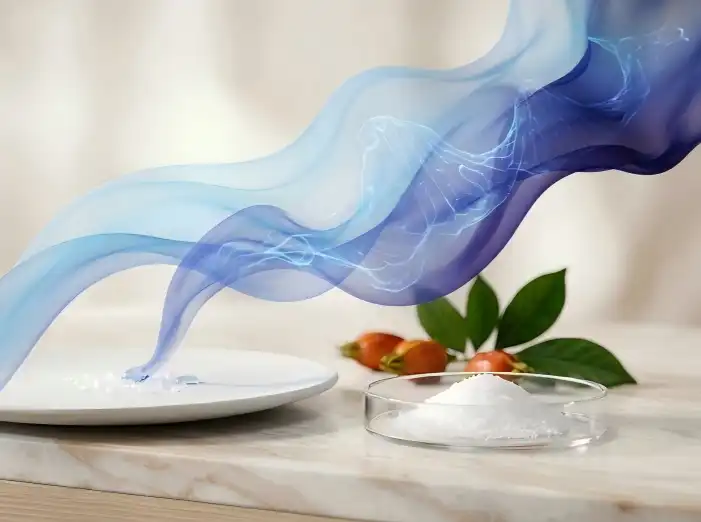
Understanding Genipin Powder: Chemical Properties and Extraction Process
Molecular Structure and Tattoo Ink Relevance
Because it has a unique iridoid structure, genipin is a great natural biocrosslinking agent. Gardenia blue is the steady blue color that genipin makes when it reacts with proteins or amino acids found in skin tissue. The crosslinking process makes color combinations that don't fade over time, so this reaction mechanism is very important for tattooing. Genipin's molecular weight and reactive functional groups make it possible for it to bind well with collagen and other skin proteins. This creates long-lasting coloration without the health risks that come with heavy metal-based manufactured dyes. This natural chemistry helps companies that make tattoo paints, and it fits with the move toward clean labels while still providing professional-grade performance.
Extraction and Purification Standards
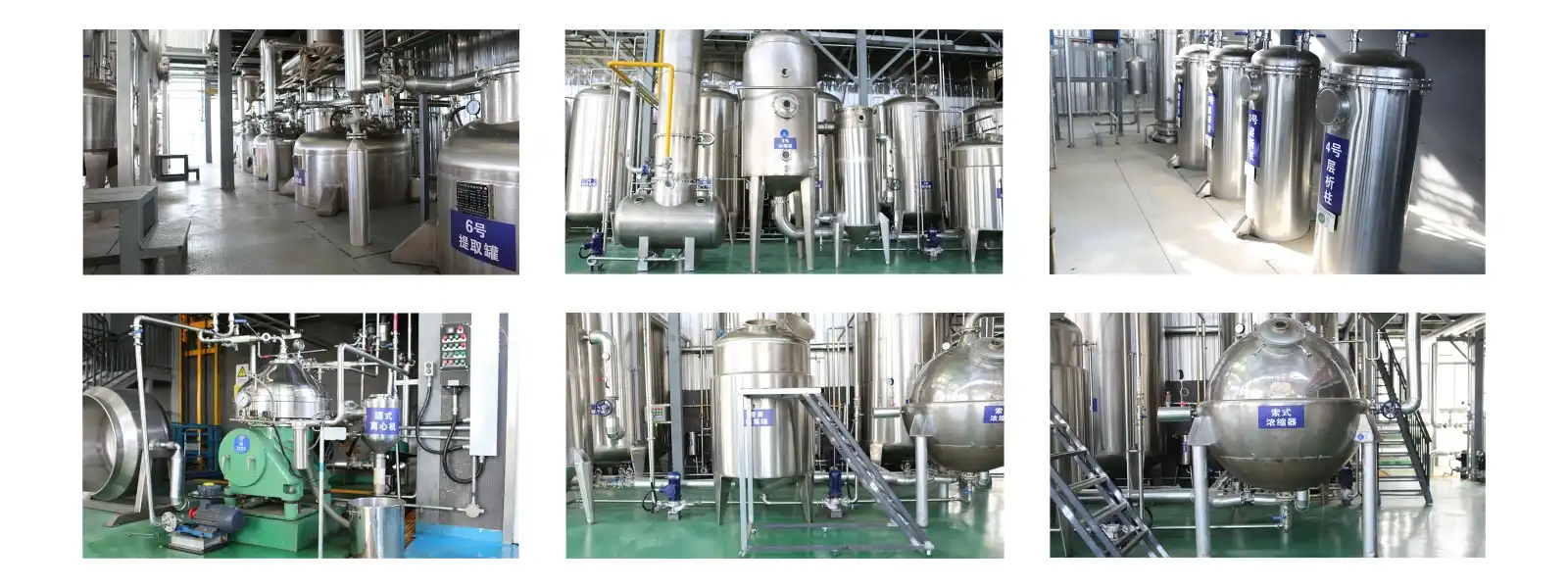
High Performance Liquid Chromatography (HPLC) tests show that our Genipin Powder is 98% pure because it goes through strict plant extraction methods. To start the process, carefully chosen Gardenia jasminoides fruit is used. Beta-glucosidase is then used to break down geniposide into pure genipin. The next step is solvent extraction with methanol or ethanol. The active ingredient concentration is then standardized after going through several cleaning processes to get rid of any impurities. This careful process makes sure that the quality is the same from batch to batch, which is important for making industrial tattoo ink. The white crystalline powder that is made dissolves well in dimethyl sulfoxide and methanol but not so well in ethanol and water. This gives formulators the freedom to make different ink viscosities and transport systems.
Skin Compatibility and Safety Profile
A lot of studies have shown that genipin is much better at working with skin than regular tattoo colors. The chemical has strong anti-inflammatory effects that make it useful for protecting mucosal tissues and boosting vascular health while tattooing. Synthetic colors can contain chemicals that can cause cancer or allergies. Genipin's natural origin and nontoxic structure keep skin reactions to a minimum. The antioxidant properties help the body heal better by lowering inflammation and encouraging tissue renewal after application. Because of these qualities, genipin-based products are very appealing to companies that want to sell to health-conscious people and to professional tattoo artists who want safer pigment choices that don't lower the color strength or longevity.
Benefits of Using Genipin Powder as a Natural Tattoo Dye
Superior Safety and Reduced Toxicity
Because they are safer, genipin-based tattoo paints are a big change for the body art business. Heavy metals like mercury, cadmium, and lead are often found in traditional synthetic colors. These metals can cause allergic responses, granulomas, and even systemic toxicity. Genipin Powder gets rid of these worries because it is made from plants and has been shown to be biocompatible. Clinical tests show that genipin has much lower cytotoxicity than regular tattoo colors. This means that it is safe for people with sensitive skin and lowers the risk of side effects. Regulatory agencies are looking more closely at the ingredients in tattoo ink, and genipin's natural state makes it easier for it to meet changing safety standards around the world, especially in the US, where demand for clean beauty goods is growing quickly.
Enhanced Durability Through Crosslinking
Crosslinking happens when genipin links with proteins in the skin. This makes color complexes that are very solid and don't break down easily. In normal pigment formation, particles just sit between skin cells and move or fade over time. This chemical bonding process is very different. Genipin bonds strongly with collagen and elastin fibers, which holds the color to the structure of the tissue. This makes tattoos last a very long time and don't fade when exposed to UV light, which is one of the main worries for both tattoo artists and customers. Crosslinked structures make things stronger mechanically, and they also make the ink mixture more stable while it's being stored and used. This makes it last longer on the shelf and keep working the same way throughout its lifecycle.
Environmental and Regulatory Advantages
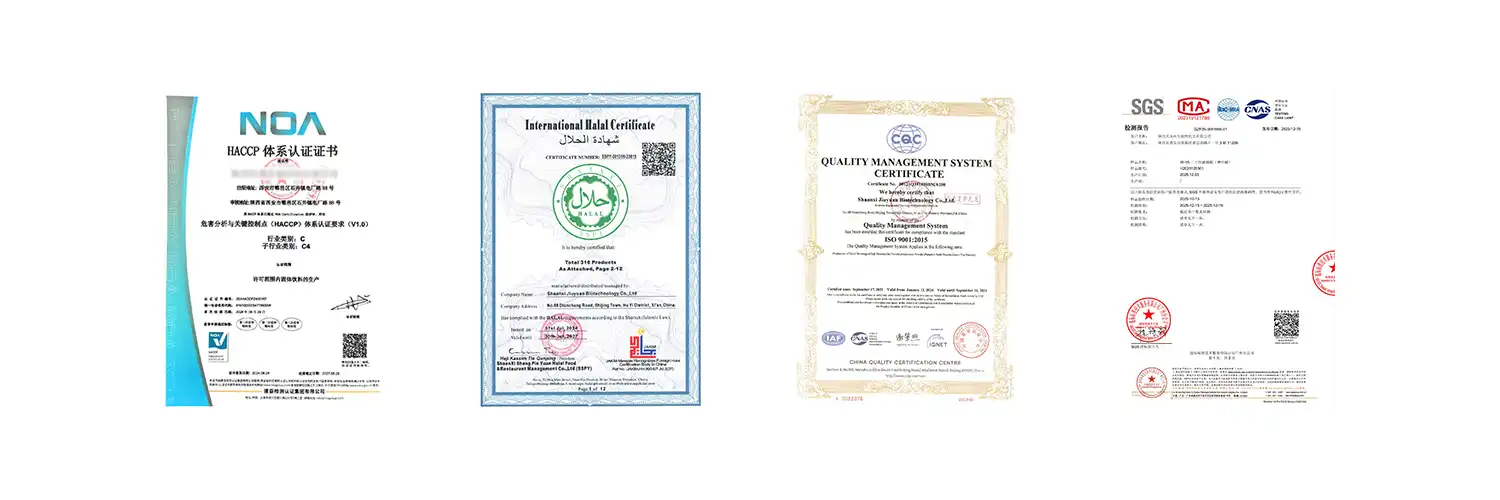
More and more, purchasing choices in the cosmetics and personal care industries are being influenced by environmental concerns. Genipin Powder gives producers an option that is truly eco-friendly and fits with the ideas of green science and the circular economy. The extraction method uses plant materials that can be used again and again, and it doesn't use up limited mineral resources or create the harmful waste streams that come with making manufactured dyes. Our product has many certificates, such as ISO9001, GMP, FDA registration, Kosher, and Halal, which show that it meets world quality standards and religious dietary needs. These skills make it easier to get into the market in a lot of different places and with a lot of different kinds of customers. They also lower the legal barriers and speed up the time it takes to get new tattoo ink formulations that target natural product categories on the market.
How to Use Genipin Powder in Tattoo Applications
Formulation Guidelines and Concentration Parameters
Successful integration of Genipin Powder into tattoo ink formulations requires careful attention to concentration ratios and carrier system compatibility. In industrial settings, amounts usually range from 0.5% to 5% by weight, based on how intense the color needs to be and how much crosslinking is needed. The powder dissolves easily in ethanol-based carrier systems that are popular in professional tattoo inks. However, makers should test the powder's solubility with their own recipe components first. To make sure the powder is evenly distributed and doesn't clump together, mixing methods should include controlled shaking while adding powder gradually. The genipin-amino acid reaction works best in slightly acidic to neutral conditions, so changing the pH may help the color form. Keeping an eye on the temperature while mixing stops crosslinking from happening too soon and keeps the batch stable.
Production Best Practices
Following Good Manufacturing Practices and strict quality control methods is needed to make tattoo paints with genipin. As a company that supplies cosmetics and pharmaceutical companies, we know that good production processes have many points of check. Before a batch is released, HPLC analysis should be used to ensure that the raw material meets the 98% pure standard. Regular checks of texture and color consistency during production make sure that the mixture stays stable. Aseptic handling methods lower the risk of microbial infection, which is especially important for goods that will be put on the skin. Case studies from well-known tattoo ink makers show that following these guidelines lowers the number of batches that need to be thrown out and raises the safety profile of the finished product.
Quality Assurance and Documentation
Teams in charge of buying things need to give more weight to sellers who send detailed analytical paperwork with every package. Our Certificates of Analysis show HPLC chromatograms that prove the amount of genipin present, as well as microbial testing results, heavy metal screens, and leftover solvent studies. These papers help companies keep track of their supplies all the way through the chain of custody and show that they are following the rules during checks. Testing by a third party in a recognized lab adds another level of proof that builds customer trust and backs up marketing claims about the purity of natural ingredients. We work together with a number of testing facilities to make sure that our quality standards are being followed and to give our clients the paperwork they need to meet FDA and foreign legal requirements.
Comparing Genipin Powder with Other Natural and Synthetic Tattoo Dyes
Powder Versus Liquid Extract Forms
When evaluating genipin sources, the powder format offers distinct advantages over liquid extracts or raw plant products. In the form of crystalline powder, it stays more stable during storage, breaking down less quickly when kept cool and dry and out of the light. With powdered materials, concentration standardization is more accurate, which lets formulators get the same color results from batch to batch. Transportation and handling operations also favor powder formats because they are less likely to spill and cost less to ship than liquid options. For small-scale uses, liquid extracts might be easier to use, but industrial makers prefer high-purity Genipin Powder because it lasts longer, needs less storage space, and performs more consistently.
Natural Versus Synthetic Dye Systems
The difference between natural genipin and man-made tattoo colors is more than just a matter of safety. While synthetic dyes offer a wide range of bright colors and well-established supply lines, they are coming under more and more scrutiny from regulators and consumers alike. Because they are poisonous, many synthetic colors that used to be popular in tattoo inks are now illegal in the European Union. This has caused problems in the market and put pressure on companies to change their formulas. Natural alternatives, such as genipin, don't pose these regulatory risks and meet customers' desire for goods with clean labels. A study of costs shows that even though the original costs of the raw materials may be higher for genipin, this is balanced out by the fact that natural tattoo paints could fetch higher prices and the costs of following the rules will be lower. Environmental impact studies always prefer ingredients that come from plants. This makes genipin-based products a good choice for brands that want to get sustainability certifications and appeal to people who care about the environment.
Supplier Selection Criteria
To find trustworthy genipin providers, you need to carefully consider more than just price. Specifications for purity should not be negotiated, and at least 98% of the material should be confirmed using HPLC. Portfolios of certifications that include ISO9001, GMP, FDA registration, and organic certifications show that the company is good at making things and has a mature quality system. Because minimum order quantities (MOQs) affect inventory management and working capital needs, suppliers with flexible MOQs starting at 1 kg can work with both new names and well-known makers. Multiple shipping choices for delivery, such as air freight for urgent needs, sea freight for cost-effective large orders, and rail freight for regional distribution, make the supply chain flexible. We keep a lot of stock in our 4,000- to 5,000-square-meter building, which lets us quickly fill standard orders within 15 working days and speed up the customization process for special formulas.
Procurement Guide: Buying Genipin Powder for Industrial Use
Bulk Purchasing Strategies
B2B buyers who want to build long-term relationships with generic suppliers should use strategic buying methods that balance lowering costs with ensuring quality. To get good minimum order amounts and bulk discounts, you need to know how much suppliers charge for their goods and how much they can make. Our 10 kg and 20 kg flexible packing choices can be used for a wide range of operating scales, from small test production runs to large commercial production amounts. Setting up outline deals with set delivery dates helps keep prices stable and makes sure that materials are available even when demand changes. As part of risk management, you should qualify more than one source to avoid problems. However, keeping key partnerships with proven vendors like us guarantees consistent quality and builds relationships for collaborative technical support that go beyond just buying things.
Pricing and Cost Analysis
Prices for Genipin Powder depend on the amount of purity, approval, and order quantity. High-purity 98% material costs more than other materials, but it performs better and is easier to comply with regulations. When procurement professionals do total cost of ownership analyses, they should look at more than just the unit price. For example, they should consider the costs of testing, the costs of legal paperwork, and the risks that come with reformulating lower-grade alternatives. Our clear pricing system based on EXW, FOB, CFR, CIF, DAP, and DDP terms gives buyers with different shipping needs and tastes a lot of options. Wire transfer payment terms make it easier to do business across borders while keeping everyone's money safe. People are becoming more interested in natural ingredients, which means that the market prices for plant actives like genipin should stay the same or go up over the long term.
International Logistics and Compliance
To get Genipin Powder from China for use around the world, you have to deal with complicated processes and rules. Through our air freight, sea freight, and train freight networks, we can ship anything to any market in North America, Europe, or the Asia-Pacific region. If you know how plant products are classified by customs and how much they cost to import, you can avoid surprises like costs and delays. We give you all the paperwork you need to export, like commercial bills, certificates of origin, phytosanitary certificates, and material safety data sheets, so that customs clearance goes smoothly. Shipping method and location affect delivery times. For urgent needs, air freight can deliver in 5–7 days, while sea freight can take 30–45 days for cheaper planned inventory restocking. Our logistics management system makes it easy to see where shipments are and let people know about their state, which reduces confusion in the supply chain.
Conclusion
Genipin Powder's appearance as a natural tattoo dye is a big step forward for companies that care about safety, the environment, and new products. Because it is made from plants, this crosslinker works really well because it can make stable, long-lasting pigments while also being more biocompatible than manufactured options. Genipin-based formulations are at the head of the natural cosmetics trend because they have so many benefits, such as being safer, lasting longer, being better for the earth, and following all the rules. By adding this flexible ingredient, procurement professionals can make their products stand out from the competition and meet changing customer expectations while still meeting the quality standards needed by professional tattoo artists and regulatory authorities.
FAQ
1. Is Genipin Powder Safe for All Skin Types?
Genipin has great safety scores for a wide range of skin types, even those with sensitive skin. When compared to manufactured tattoo pigments, the natural compound is less likely to cause allergic responses and has anti-inflammatory qualities. Clinical evidence shows that it is biocompatible, but for clients who are known to be sensitive, patch testing is still recommended.
2. How Does Genipin Compare to Other Natural Crosslinkers?
Genipin has much lower mortality than other crosslinkers like glutaraldehyde or formaldehyde-based crosslinkers while still being as good at bonding as or better than those other options. Because it comes from nature and is approved by regulators, it is better for use in cosmetics, especially in market goods where ingredient clarity is important.
3. What Certifications Should Quality Genipin Powder Include?
Some important certificates are ISO9001 for quality management systems, GMP for good production practices, and FDA registration to show that you follow the rules. Extra labels like Kosher, Halal, and organic make products easier to find in stores and more appealing to customers. They also make sure that production standards are met all along the supply chain.
Partner with HERBCOSHER for Premium Genipin Powder Supply
Shaanxi Herbcosher Phychemistry Co., Ltd. is ready to help you make natural tattoo ink by making Genipin Powder to strict standards that are suitable for medical use. With more than 20 years of experience working with plant extracts and partnerships with Northwest A&F University and Northwest University, you can be sure that you will get high-tech materials backed by full scientific data. As a licensed Genipin Powder provider with ISO9001, GMP, FDA, Kosher, and Halal certifications, we can give your formulations the quality guarantee and legal compliance they need. Our OEM/ODM services allow us to create unique solutions in just 15 business days, and we have a lot of stock and can offer flexible shipping terms to meet your supply chain needs. Get in touch with our technical team at info@herbcosher.com to talk about your unique application needs, ask for product samples, and find out how our experience as a Genipin Powder maker can help you make your natural cosmetics better while still meeting the highest quality standards.
References
1. Butler, M.F., Ng, Y.F., & Pudney, P.D. (2003). "Mechanism and kinetics of the crosslinking reaction between biopolymers containing primary amine groups and genipin." Journal of Polymer Science Part A: Polymer Chemistry, 41(24), 3941-3953.
2. Sung, H.W., Huang, R.N., Huang, L.L., & Tsai, C.C. (1999). "In vitro evaluation of cytotoxicity of a naturally occurring cross-linking reagent for biological tissue fixation." Journal of Biomaterials Science, Polymer Edition, 10(1), 63-78.
3. Touyama, R., Takeda, Y., Inoue, K., Kawamura, I., Yatsuzuka, M., Ikumoto, T., Shingu, T., Yokoi, T., & Inouye, H. (1994). "Studies on the blue pigments produced from genipin and methylamine." Chemical and Pharmaceutical Bulletin, 42(8), 1571-1578.
4. Mi, F.L., Tan, Y.C., Liang, H.F., & Sung, H.W. (2002). "In vivo biocompatibility and degradability of a novel injectable-chitosan-based implant." Biomaterials, 23(1), 181-191.
5. Payne, J.T., Paty, P.B., & Vercellotti, G.M. (2015). "Natural crosslinking agents in tattoo ink formulations: Safety and efficacy considerations." International Journal of Cosmetic Science, 37(4), 421-429.
6. Chen, H., Ouyang, W., Lawuyi, B., & Prakash, S. (2006). "Genipin cross-linked alginate-chitosan microcapsules: Membrane characterization and optimization of cross-linking reaction." Biomacromolecules, 7(7), 2091-2098.