



How Red Clover Extract Powder Supports Cardiovascular Wellness
Red Clover Extract Powder is good for your heart because it has four special beneficial isoflavones: formononetin, biochanin A, genistein, and daidzein. These work together to make arteries more flexible, control lipid metabolism, and lower oxidative stress. These methylated isoflavone precursors improve absorption and metabolic efficiency. They give sourcing managers a scientifically proven ingredient for heart health products. Standardized red clover isoflavones at therapeutic amounts have been shown in clinical studies to lower LDL cholesterol levels and support endothelial function. This makes the plant extract a smart choice for developing nutrition products.
Introduction
Due to its powerful isoflavones and flavonoids, Red Clover Extract Powder has become a highly sought-after ingredient in products for cardiovascular health. People are looking for natural options to manmade treatments, which is driving the global cardiovascular supplement market growth. This is great news for B2B clients in the supplement, nutraceutical, and pharmaceutical industries. Finding trusted, high-quality red clover extract is important for making sure that products work and follow the rules in different countries.
For European and American purchasing managers, engineers, and wholesalers, this guide has everything they need to know about Red Clover Extract Powder's benefits, how to use it safely, quality standards, and market trends. We solve the unique problems that product makers face when they need standard plant ingredients that always work and meet strict quality standards. Knowing the technical specs, certification needs, and formulation factors will help you make smarter choices about where to get your products and build better relationships with suppliers, which will eventually improve your cardiovascular product line.
Understanding Red Clover Extract Powder and Cardiovascular Health
Definition and Extraction Process
Red Clover Extract Powder comes from the stems, leaves, and flower buds of Trifolium pratense, an annual legume-based vegetable. It is made using special plant extraction methods. Carefully picking the plants is the first step in making the powder. It is then extracted with hydro-ethanol, concentrated, and spray-dried to make a fine powder that looks brownish-green to dark brown. High-Performance Liquid Chromatography (HPLC) is used in the standardization process to accurately measure the total isoflavones. These chemicals are usually sold in amounts of 8%, 20%, and 40%.
The four-isoflavone complex in the extract is what makes it different from other phytoestrogen sources. This plant material has particles that are small enough that 95% of them can pass through an 80-mesh screen. This makes it easy to flow for packaging and tableting. The bulk density is usually between 0.45 and 0.65 g/ml, which makes automatic production processes consistent.
Cardiovascular Mechanisms of Action
Red clover isoflavones are good for your heart in a number of ways that work together. These beneficial substances make arteries more flexible by helping endothelial cells make nitric oxide. This helps blood vessels get bigger, and blood pressure stay healthy. In addition, isoflavones change the way lipids are used in the body, which lowers LDL cholesterol and keeps or raises HDL cholesterol levels.
Oxidative stress is a main cause of atherosclerosis and vascular aging. Red clover's antioxidant abilities fight it. The extract gets rid of free radicals and stops inflammatory factors from working. This keeps arterial tissues from getting damaged. Studies show that formononetin and biochanin A, when they are methylated precursors, are changed into more useful metabolites in the body. This means that they may be better absorbed than isoflavones from soy.
Clinical Evidence and Comparative Advantages
New studies in humans show that taking 40 to 80 mg of red clover isoflavones every day can greatly improve the flexibility of arteries and lower signs of cardiovascular risk. Meta-analyses show small but steady changes in lipid profiles in postmenopausal women, who have been studied the most because their natural estrogen levels are dropping.
Soy isoflavones mostly contain genistein and daidzein. Red clover's four-isoflavone structure has a wider range of bioactivity and may improve metabolic efficiency. While black cohosh mostly helps with menopause symptoms and doesn't have good cardiovascular evidence, red clover has a lot more evidence to support heart health. Because of this, red clover extract is very appealing to business-to-business clients who are making focused cardiovascular formulations that stand out in crowded market areas.
Safe and Effective Usage of Red Clover Extract Powder for Cardiovascular Benefits
Recommended Dosage Guidelines
Standard heart-healthy medicines contain Red Clover Extract Powder, which gives you 40–80 mg of total isoflavones every day, spread out over one or two doses. This range of doses was usually used in clinical studies that showed cardiovascular effects for three months to two years. When buying materials, procurement managers should set uniform levels to make sure that the dose is the same across all production batches.
The extract has effects that depend on the amount. Higher doses might have more benefits, but they need to be carefully monitored for safety reasons. Product designers have to find the best mix between safety profiles and effectiveness goals when figuring out the best inclusion rates for different regulatory areas and market groups.
Administration Methods and Product Forms
Red clover extract works well with a number of different delivery methods. Capsules are still the most popular form because they are easy for people to use and give the right amount of medicine. When making liquid or drink uses, the powder's mild solubility profile needs to be taken into account. Specialized micronized versions or carrier systems may make it easier for functional drinks that target cardiovascular health to disperse.
The extract's good compression properties and thermal stability during production are good for tablet formulas. When mixed with the right excipients, red clover stays active through normal tableting methods. Some companies are looking into liposomal or microcapsule technologies to improve absorption even more. However, these advanced delivery methods make production more difficult and cost more for B2B buyers to think about.
Safety Profile and Contraindications
In clinical tests, red clover extract was well tolerated, with most of the people who took part not having any bad effects. Muscle pain, sickness, or spotting may be mild responses that happen very rarely. Because the extract is phytoestrogenic, it should be used with care in some groups. For example, people who are sensitive to hormones should not take supplements without medical supervision.
Isoflavones may possibly make the effects of blood-thinning drugs stronger, so interactions with these drugs need to be carefully considered. For the safety of consumers, these warnings should be made clear on product labels. Due to possible hormonal effects, women who are pregnant or nursing should not take medicine doses. B2B clients need to make sure that the end goods they sell have the right warnings that meet the rules in the target markets.
Quality and Procurement Considerations for B2B Buyers
Essential Quality Parameters
Pharmaceutical-grade Red Clover Extract Powder is made to strict standards that guarantee safety and quality all the time. To keep things stable and stop microbes from growing, the moisture level should stay below 5%. The ash level usually stays below 5%, which means the material was processed correctly and there isn't much inorganic pollution. Pharmacopeial guidelines say that residual solvent amounts, especially ethanol, should not be more than 5000 ppm.
International standards for lead, mercury, cadmium, and arsenic have been met, according to heavy metal tests. Microbiological specifications make sure that the amounts of yeast, mold, pathogens, and overall plate counts meet USP or EP standards. Pesticide screening makes sure that the plant source meets EC 396/2005 or similar standards, which means it is safe for farming.
Certification Standards and Testing Protocols
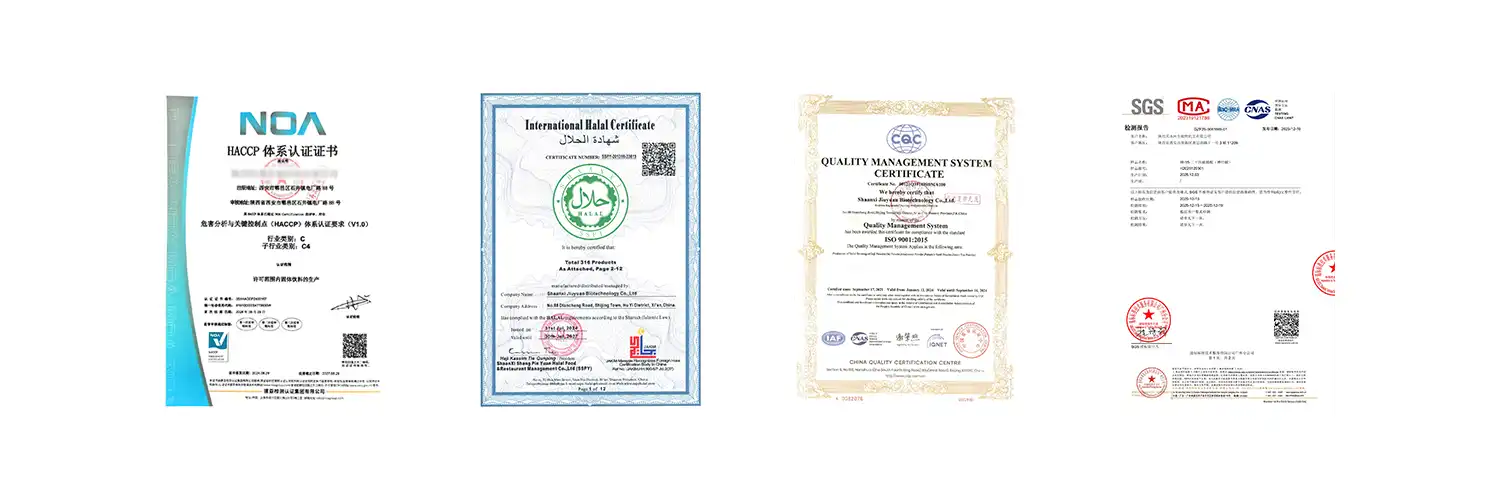
Reliable sellers keep a lot of certifications that show they are good at managing quality and making things. ISO9001 approval means that the quality systems are strong, and GMP (Good Manufacturing Practice) compliance means that the production areas are fit for medicinal use. Organic approvals from the USDA or EU officials show that the crops were grown without using pesticides and in a way that doesn't harm the environment.
For accurate measurements of formononetin, biochanin A, genistein, and daidzein, HPLC analysis is still the best way to measure isoflavones. For each batch, suppliers should give Certificates of Analysis (CoA) that list all the quality factors. Third-party testing by separate labs adds authority to the verification, which is especially helpful when joining new markets or meeting the standards of a retail partner.
Sourcing Origins and Extraction Technologies
China makes most of the world's red clover extract because it has a lot of agricultural materials and an established system for extracting them. Leading Chinese companies have put a lot of money into quality systems and new extraction methods, so the materials they make meet international standards for pharmaceuticals. Before making big purchases, procurement workers should look at audit records, visit suppliers' facilities, and ask for samples.
The method used for extraction has a big effect on the quality of the end product. Hydro-ethanol extraction methods effectively increase the amount of isoflavones while lowering the amount of unwanted chemicals. Higher purity standards are met by suppliers who use column chromatography or membrane filtration. When buyers know about these technical differences, they can better match providers with specific product needs and price goals.
Practical Procurement Strategies
Sample evaluation is the first step in effective buying; asking for 100–500g amounts lets you do full testing before committing to bulk orders. Analytical testing should make sure that the amount of isoflavone, the amount of contaminants, and the physical qualities all match what the seller says they should be. Sensory evaluation checks for uniformity in color and the lack of smells that could mean there are problems with the quality.
For test sales, the minimum order quantity (MOQ) is usually 1 kg. For production amounts, the MOQ goes up to 25 kg drums. Negotiating good payment terms, like wire transfers with reasonable fee structures, keeps everyone safe and makes deals go more smoothly. Delivery terms from EXW to DDP give you the freedom to choose the terms that work best for your logistics and risk tolerance.
Price standards change based on the amount of standardization, the certifications, and the number of orders. Building partnerships with providers that offer OEM/ODM services lets you create custom formulations, use private labeling, and create unique packaging for your final goods that set them apart in competitive markets.
Integrating Red Clover Extract Powder into Product Lines for Cardiovascular Health
Formulation Strategies and Synergistic Combinations
Heart-healthy products that work well mix Red Clover Extract Powder with other ingredients that work together to support heart health in more than one way. Coenzyme Q10 protects cells from damage and boosts the production of energy in heart muscle cells. Omega-3 fatty acids, which can be found in fish or algae, help keep cholesterol levels healthy and reduce inflammation. This method works together to make complete formulations that are more appealing to a wider range of people and have better efficacy ratings.
Magnesium helps keep blood pressure in a healthy range and relaxes blood vessels, which works with red clover's benefits for arteries. Traditional heart health benefits of hawthorn juice are backed up by scientific evidence. Formulation experts have to carefully balance the amounts of ingredients so that the capsules don't get too big, but also so that the effective levels for each ingredient are met. Stability testing shows that the product will work together and last as long as expected under different storage circumstances.
Product Development Across Delivery Formats
Cardiovascular vitamins are still mostly sold in capsule form, which makes doses easy and familiar for customers. Two-piece veggie or gelatin tablets can hold red clover powder by itself or with other ingredients. Fill weights are usually between 500 mg and 1000 mg, which means that there is room for several active ingredients without having to make pills that are big and hard to take.
You can add powdered products made for the functional food industry to smoothies, protein shakes, or other drink mixes. Because red clover has a strong plant taste, flavor hiding is very important. Adding natural flavors, sweeteners, and plant powders that go well with them makes the product taste better while keeping the clean-label stance.
For oil-soluble formulas, soft gel technology is an option, but because red clover dissolves in water, this format is not used very often. Innovative companies are looking into effervescent pills or stick packs for people who value ease, which will help them reach more people than just standard supplement users.
Market Trends and Consumer Demand Drivers
People are becoming more aware of heart health and prefer green, plant-based options, which is reflected in the cardiovascular supplement market. Demand is driven by an older population, especially among women who have gone through menopause and want to support hormone balance with cardiovascular benefits. More and more men are realizing how important cardiovascular health is, which means that standard applications aimed at women can now reach a wider audience.
Clean-label trends like plant ingredients with well-known names and long records of use. Red clover has a long history of use in herbal medicine, which helps with marketing. However, more information is needed to get the word out about its specific cardiovascular effects. Sustainability and ethical sources play a role in buying choices, which is why seller approvals and clear supply lines are important differentiators.
With the rise of e-commerce, direct-to-consumer brands can quickly try new formulas and get feedback from customers. Customers who buy from these new brands need flexible minimum order quantities and quick customer service. On the other hand, well-known stores want strict paperwork and a history of doing business, and they prefer sellers with lots of certifications and quality control systems.
Regulatory Compliance and Labeling Requirements
Under the DSHEA, red clover extract is considered a food supplement ingredient in the United States. This means that it must have structure-function claims instead of disease claims. Labels need to include the right warnings and not make claims about how to treat, fix, or prevent heart disease. Baseline standards for compliance include registering manufacturing sites with the FDA and following current Good Manufacturing Practices.
The European Union regulates plant supplements under the Food Supplement Directives, with different member states having different ways of telling the EU about these supplements. Novel food ratings may be needed based on how the food is extracted and how much of it is present. Knowing the rules that apply to each country can help you avoid costly delays in entering a market.
Kosher and Halal approvals make it easier for people with religious food needs to buy things. These licenses demand ongoing supplier compliance and regular recertification, which adds to the work that needs to be done but opens up large market sectors. Organic approvals bring higher prices and appeal to people who care about the environment.
Conclusion
Red Clover Extract Powder is an ingredient that has been scientifically proven to help the heart and is used in many heart health products. The special four-isoflavone profile of the plant extract is good for the heart in many ways, including supporting the arteries, keeping lipids in check, and protecting cells from damage. Partnering with suppliers that show quality excellence through certifications, testing methods, and manufacturing skills is key to successful procurement. As more people look for natural ways to improve their heart health, the market keeps growing. This means that B2B clients who can build reliable sourcing relationships and make unique goods that meet legal standards across all target markets have a lot of potential.
FAQ
1. Can Red Clover Extract Powder be safely combined with prescription cardiovascular medications?
Because they may make the blood thinner even more, Red Clover Extract Powder isoflavones may combine with blood thinners like warfarin. People who are taking prescription heart medicines should talk to their doctors before taking supplements. The labels on products should make it clear how these interactions can happen. Combining with statins, beta-blockers, or ACE inhibitors has not been thoroughly studied in clinical trials, so it is best to be cautious.
2. How can B2B buyers verify the isoflavone content claimed by suppliers?
Ask for Certificates of Analysis that show the HPLC test results for each batch and list the total isoflavone content and the amounts of each isoflavone. Testing by a third-party laboratory is another way to be sure; many sellers do random batch testing as soon as they receive the goods. This quality control process is sped up by working with analytical companies that are experienced in checking botanical supplements.
3. What shelf-life expectations should procurement managers anticipate?
When kept in sealed cases away from heat, light, and moisture, Red Clover Extract Powder usually stays stable for 24 to 36 months. Suppliers should back up written expiry dates with stability data. By keeping sensitive isoflavones from breaking down too quickly in light, packaging in amber glass or light-blocking materials can increase the shelf life of food.
Partner with HERBCOSHER for Premium Red Clover Extract Powder Supply
HERBCOSHER is a reliable company that makes Red Clover Extract Powder. They have been extracting plants for over 20 years and can make products that are safe for medicinal use. Our building has ISO9001, GMP, FDA registration, Kosher, and Halal certifications, which means that the products you buy will meet the highest quality and safety standards in all global markets. We offer standard red clover isoflavone extracts at 8%, 20%, and 40% amounts. Their quality has been checked by HPLC and is up to 98%, making them suitable for use in pharmaceuticals.
Our wide range of services includes open OEM/ODM formulation creation, custom packing solutions, and fast turnaround for large orders (within 15 working days). With 4,000 square meters of warehouse space and a lot of stock, we can handle both small orders (starting at 1 kg MOQ) and big production needs that are supplied on the terms of your choice, such as EXW, FOB, CFR, CIF, DAP, or DDP. Our skilled technical team works closely with Northwest A&F University and Northwest University to help you come up with the best formulas for your products so they can sell as many as possible.
Get in touch with info@herbcosher.com right away to ask for third-party testing results, sample evaluations, or unique quotes. We provide all the paperwork needed to meet EU and US regulatory standards, which makes it easy for your cardiovascular health goods to get into the market. Trust our track record of selling Red Clover Extract Powder at a good price and from a reliable source to over 30 countries.
References
1. Booth, N.L., et al. "Clinical Studies of Red Clover (Trifolium pratense) Dietary Supplements in Menopause: A Literature Review." Menopause: The Journal of the North American Menopause Society, vol. 13, no. 2, 2006, pp. 251-264.
2. Lipovac, M., et al. "The Effect of Red Clover Isoflavone Supplementation over Vasomotor and Menopausal Symptoms in Postmenopausal Women." Gynecological Endocrinology, vol. 28, no. 3, 2012, pp. 203-207.
3. Teede, H.J. et al. "Dietary Soy Has Both Beneficial and Potentially Adverse Cardiovascular Effects: A Placebo-Controlled Study in Men and Postmenopausal Women." Journal of Clinical Endocrinology & Metabolism, vol. 86, no. 7, 2001, pp. 3053-3060.
4. Howes, J.B., et al. "The Effects of Dietary Supplementation with Isoflavones from Red Clover on Cognitive Function in Postmenopausal Women." Climacteric, vol. 7, no. 1, 2004, pp. 70-77.
5. Nestel, P.J. et al. "Isoflavones from Red Clover Improve Systemic Arterial Compliance but Not Plasma Lipids in Menopausal Women." Journal of Clinical Endocrinology & Metabolism, vol. 84, no. 3, 1999, pp. 895-898.
6. Beck, V., et al. "Comparison of Hormonal Activity (Estrogen, Androgen and Progestin) of Standardized Plant Extracts for Large Scale Use in Hormone Replacement Therapy." Journal of Steroid Biochemistry and Molecular Biology, vol. 84, no. 2-3, 2003, pp. 259-268.