



The Health Benefits of Natural Ginger Extract: What You Need to Know
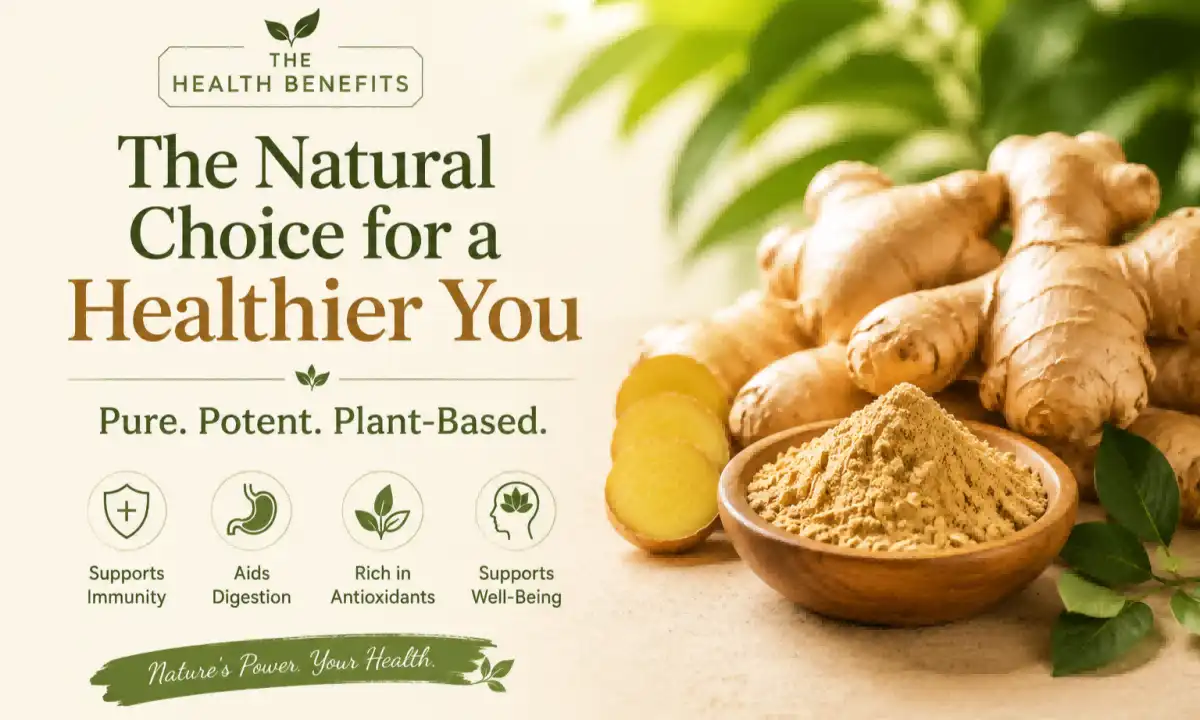
Natural Ginger Extract's standardized gingerol and shogaol concentrations decrease inflammation, improve digestion, and increase immunity. This potent material, extracted from Zingiber officinale rhizomes using solvent or supercritical CO2, is pharmaceutical-grade and 5% to 25% pure, preferable to raw ginger powder. To create competitive, compliant, and consumer-trusted formulations, nutraceutical, cosmetic, and functional food procurement professionals, manufacturers, and product developers must understand Natural Ginger Extracts' clinical efficacy, application versatility, and sourcing standards in today's wellness-driven market.
Introduction
Due to worldwide demand for botanically derived beneficial chemicals, Natural Ginger Extract is a standard in B2B procurement strategies across several industries. Zingiber officinale has migrated from pharmaceutical shelves to industrial floors, where precision, potency, and regulatory compliance are crucial. Today's brands require scientifically proved, standardized compounds with measurable effects and tight certification criteria.
We wish to inform procurement leaders, R&D teams, and health product producers about Natural Ginger Extract composition, therapeutic methods, and strategic sourcing. This resource provides scientific detail and practical assistance for formulating nutritional supplements, functional drinks, and cosmeceuticals. Natural Ginger Extract product comparisons, extraction processes, use advice, and quality assurance criteria that set premium suppliers apart from commodity merchants will be covered. Understanding these factors is crucial for ingredient selection.
Understanding Natural Ginger Extract: Composition and Health Benefits
What Defines Quality Ginger Extract
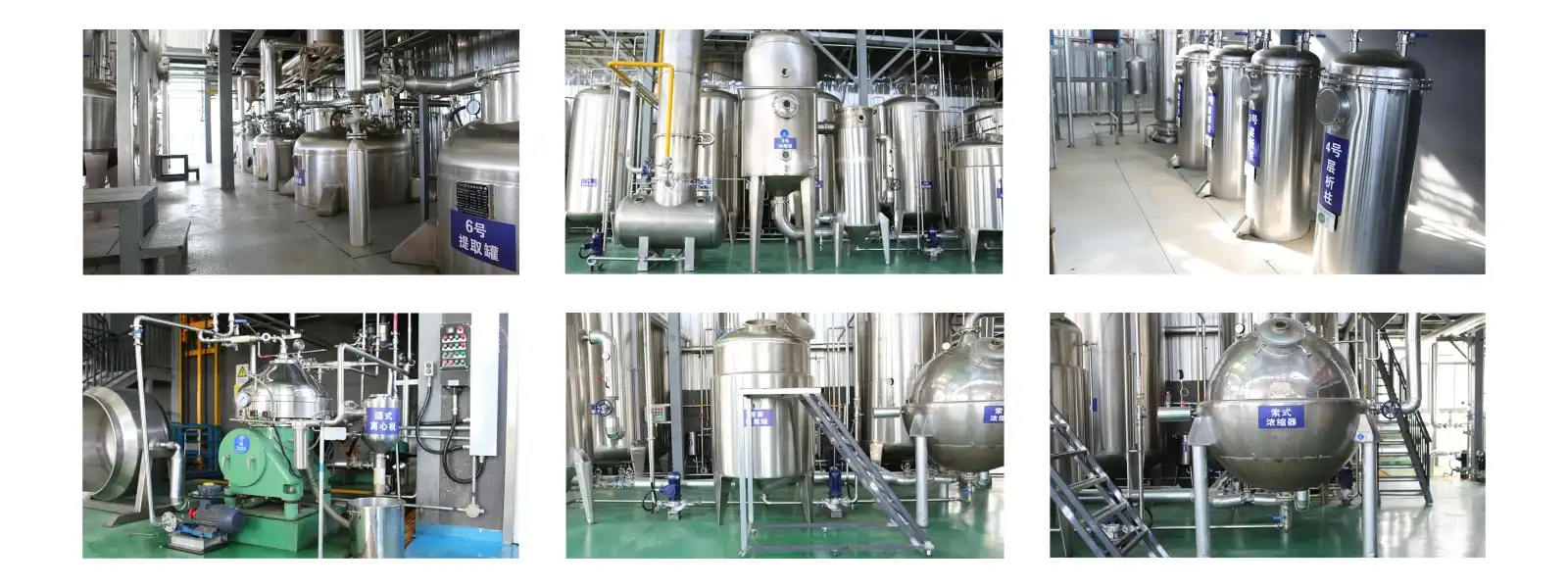
Quality starts molecularly. Both ethanol-water solvent extraction and supercritical CO2 fluid extraction retain medicinal integrity while eliminating fibrous plant debris and microbiological impurities from Natural Ginger Extract. Viscous oleoresin to free-flowing fine powder with standardized gingerol content validated by HPLC is the outcome. Raw ginger's active concentration varies between 0.5% and 1.5% depending on soil conditions, harvest time, and storage procedures, making batch-to-batch uniformity unachievable.
Core Bioactive Compounds and Their Mechanisms
The medicinal efficacy of Natural Ginger Extract comes from its phenolic constituents. 6-gingerol is the main bioactive chemical in Natural Ginger Extract, along with 8- and 10-gingerol, which inhibit COX-2 enzymes to reduce inflammation without gastrointestinal side effects. Gingerols in Natural Ginger Extract become shogaols, which are more antioxidant and thermogenic, after heat treatment or storage. Chemical transformations cause Natural Ginger Extracts with varied therapeutic profiles at different extraction temperatures, allowing producers to target distinct health outcomes.
Dosage Guidelines and Safety Considerations
The right gingerol dose depends on its concentration and use. Most regimens propose 500-1000mg of 5% gingerol extract 30 minutes before meals for digestive assistance. Anti-inflammatory treatments may require 2000mg daily of 10-20% standardized extracts distributed over many administrations to sustain plasma levels. Clinical studies show great safety, with moderate gastrointestinal discomfort being the most prevalent side effect at dosages beyond 5g daily. Natural Ginger Extract may increase the effects of anticoagulants due to its moderate blood-thinning qualities.
Comparing Natural Ginger Extract with Other Ginger Products and Alternatives
Extract Versus Raw Ginger and Powder
Formulation and cost efficiency depend on product format knowledge. Standardized dosage and shelf-stable solutions are difficult with raw ginger's 80% water content. Dried ginger powder concentrates active chemicals but increases variability—gingerol concentration decreases during drying and storage, losing up to 40% within six months under poor circumstances. In contrast, properly prepared Natural Ginger Extracts last 24-36 months in sealed, light-protected containers.
Another important factor is solubility. Water-insoluble raw ginger and conventional powders limit their use in clear drinks and liquids. Microencapsulated or complexed water-soluble Natural Ginger Extracts with maltodextrin overcome this technological issue. Ready-to-drink functional drinks and ginger-infused kombuchas targeting premium wellness markets need these formats to minimize phase separation in acidic beverages and retain clarity over time.
Synthetic Versus Natural Extracts
Manufacturers may use synthetic gingerol analogs to cut costs, but this has serious downsides. Over 400 chemicals in Natural Ginger Extracts combine synergistically, creating the "entourage effect" that boosts therapeutic effects. Synthetic versions lack biochemical variety, which may reduce efficacy and clean-label consumer appeal. Natural Ginger Extracts are FDA-approved "generally recognized as safe" (GRAS) substances, but synthetic compounds may require supplementary labeling.
Organic Certification and Quality Implications
Organic vs. conventional affects marketing and quality. Organic Natural Ginger Extract, certified by USDA NOP or EU Organic, addresses customer concerns about chemical residues by ensuring production without synthetic pesticides, herbicides, or fertilizers at 20-35% higher prices. Testing techniques use LC-MS/MS to eliminate over 250 banned chemicals. Organic certification has marketing benefits and better supplier practices, including traceability systems and quality documents that decrease procurement risk.
How to Use Natural Ginger Extract for Optimal Results
Application in Anti-Inflammatory Formulations
Natural Ginger Extract's fastest-growing use is in joint health supplements. To target several inflammatory pathways, effective formulations contain 250-500mg of 20% gingerol extract with curcumin, boswellia, or MSM. Gingerols are lipophilic; thus, soft gel capsules with oil-based carriers or liposomal formulations improve absorption over tablet compression. Timing is also important: fat-soluble substances are better absorbed in the gut when given with fatty meals.
Nausea Relief Protocols
Nausea treatment procedures differ by cause and intensity. Morning nausea caused by pregnancy works best with 250mg of 5% gingerol extract administered to start the day and as needed. For chemotherapy-induced nausea, 1000mg of 10% extract is given one hour before treatment. To avoid motion sickness, taking 30-60 minutes before travel helps. Antiemetic product manufacturers should standardize ginger powder since HPLC-verified gingerol content predicts clinical effectiveness, and non-standardized ginger powder has uneven effects.
Functional Beverage Integration
Avoiding mistakes while adding Natural Ginger Extract to drinks requires accuracy. Oleoresin grades separate from aqueous phases when homogenized or spray-dried water-dispersible formats are used, causing sedimentation. Too much gingerol causes throat burn that customers dislike, while too little fails to warm them. Total extract concentrations of 0.05-0.15% in finished drinks balance taste and function. Pasteurization stability testing assures thermal processing doesn't degrade gingerol or cause Maillard reactions that cause off-flavors.
Procurement Guide: Sourcing High-Quality Natural Ginger Extract for B2B Clients
Production Process and Quality Benchmarks
Extraction techniques disclose specification sheet quality differences. The best Natural Ginger Extracts are extracted using supercritical CO2 to eliminate solvents and preserve thermally sensitive compounds. Though pricey, this premium technique is reliable and clean-label. The industrial standard for low-cost gingerol recovery is ethanol extraction. To ensure food and drug safety, residual ethanol must be below 5000ppm. Keep away from hexane and other hydrocarbon solvents, which leave residues and fail organic certifications.
Geography impacts raw material quality and supply chain resilience. Yunnan and Shandong ginger, rich in gingerol, dominates global supply chains. Indian ginger from Kerala and Karnataka offers strong fragrances but less gingerol. Nigerian ginger is inexpensive but must be aflatoxin-tested in tropical storage. Supplier geographical diversification decreases crop failure risks and permits formulation adjustments based on regional harvest quality.
Critical Supplier Selection Criteria
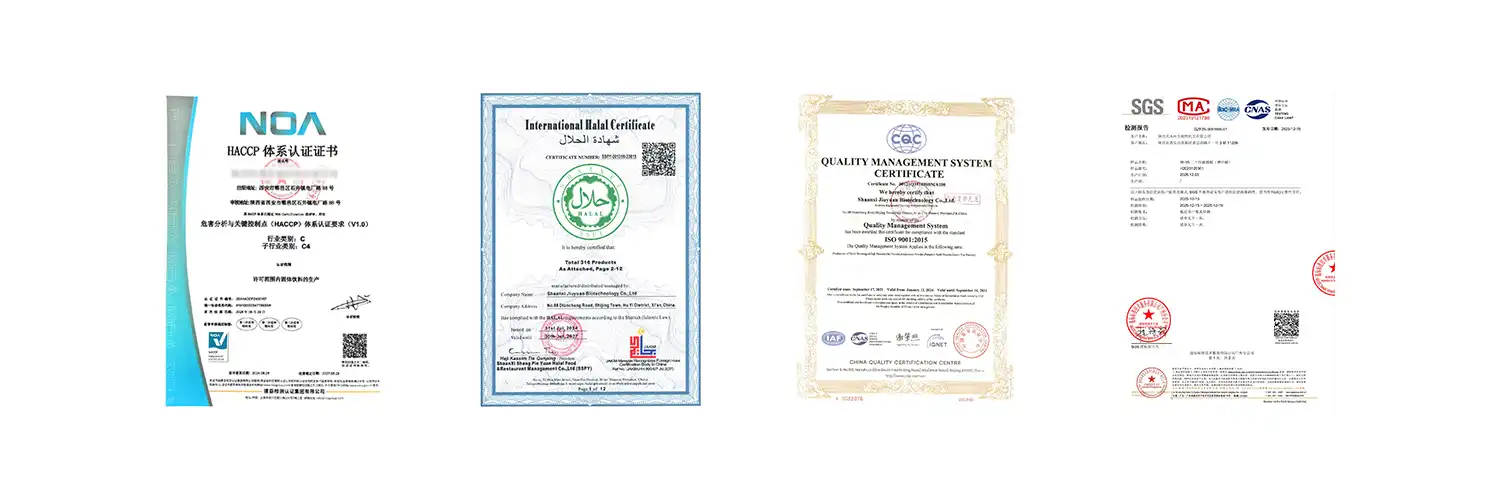
Certifications are the first screening filter, but due diligence is essential. ISO9001 and GMP show quality management and pharmaceutical-grade manufacture. FDA facility registration permits legitimate import into US markets, but inspection records are needed for compliance. Halal and Kosher open new dietary limits marketplaces. Compared to third-party testers, in-house HPLC, GC-MS, and microbiological testing facilities demonstrate quality commitment.
Inventory control and manufacturing capacity affect supply reliability. Climate-controlled 4000-5000 square meter warehouses can handle seasonal crop variations and urgent orders. Note lead times: reputable manufacturers send bulk orders in 15 days, but unusual formulae require 20-30 days for validation, batching, and stability testing. Minimum order quantities reveal business models: 1kg implies product development flexibility, 500kg shows bulk commodities activities unsuited for formulations.
Logistics and International Trade Considerations
Choice of Incoterms influences landing costs and risk. FOB (Free On Board) arrangements benefit experienced importers with freight forwarder relationships since buyers ship. Cost, Insurance, and Freight improves logistics but conceals costs via margins. DDP (Delivered Duty Paid) is handy yet costly for smaller buyers inexperienced with customs clearance. T/T with 30% deposit and 70% against bill of lading is popular, however LC increases banking fees but protects both parties in new supplier agreements.
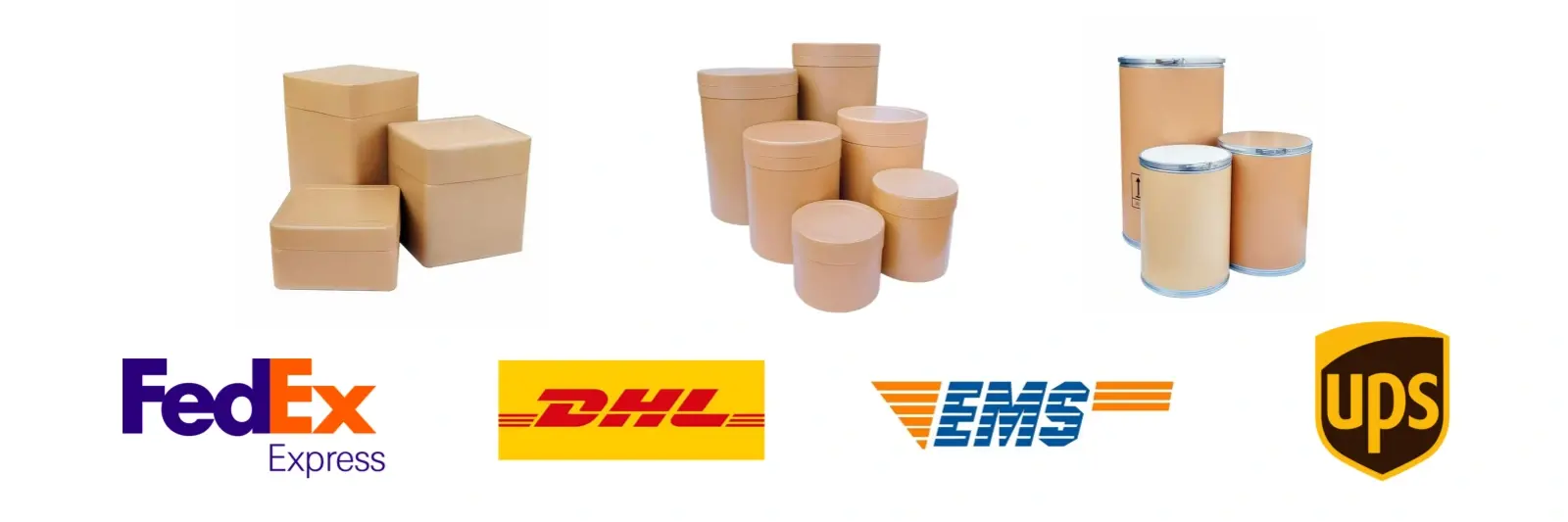
Packing regulations prevent shipping and storage damage. Standard 25kg fiber drums with double polyethylene liners protect gingerol against moisture and light. Reduced oxidative degradation by nitrogen flushing after packaging extends shelf life. Transporting high-purity oleoresins that melt beyond 25°C requires temperature control. US imports need FDA PN application 2-15 days before arrival, whereas EU imports require Novel Food authorization for specified Natural Ginger Extract grades.
Conclusion
More than a trendy botanical component, Natural Ginger Extract combines ancient knowledge and current pharmaceutical research. Advanced extraction technologies produce standardized gingerol concentrations with constant, verifiable health benefits that raw ginger cannot match, making this ingredient essential for nutraceutical, functional food, and cosmeceutical formulators. Success in procurement requires attention to extraction methods, certification authenticity, and supplier competencies that go beyond ingredient supply to formulation support, regulatory guidance, and logistics. Understanding these quality variables allows companies to distinguish goods that satisfy more sophisticated customer demands while retaining competitive margins.
Partner with HERBCOSHER for Premium Natural Ginger Extract Supply
Pharmaceutical-grade Natural Ginger Extract and 20 years of phytochemical expertise from HERBCOSHER enhance product development. We are ISO9001, GMP, FDA, Kosher, and Halal-certified Natural Ginger Extract suppliers with standardized potencies from 5% to 25% gingerol content proven by HPLC analysis. Our 4000+ square meter climate-controlled warehouse supports bulk orders within 15 days and product development with 1kg minimum quantities. To facilitate market access, OEM/ODM services include bespoke formulation, powder and liposome dosage forms, and regulatory paperwork. Our technical team, working with Northwest A&F and Northwest Universities, optimizes formulations and tests stability throughout your product lifecycle. Request samples, discuss bespoke requirements, or learn how our Natural Ginger Extract for sale may improve your product portfolio with proven quality and dependable worldwide logistics at info@herbcosher.com.
References
1. Mashhadi, N.S., Ghiasvand, R., Askari, G., et al. (2013). "Anti-Oxidative and Anti-Inflammatory Effects of Ginger in Health and Physical Activity: Review of Current Evidence." International Journal of Preventive Medicine, 4(Suppl 1), S36-S42.
2. Altman, R.D. & Marcussen, K.C. (2001). "Effects of a Ginger Extract on Knee Pain in Patients with Osteoarthritis." Arthritis & Rheumatism, 44(11), 2531-2538.
3. Marx, W., Kiss, N., & Isenring, L. (2015). "Is Ginger Beneficial for Nausea and Vomiting? An Update of the Literature." Current Opinion in Supportive and Palliative Care, 9(2), 189-195.
4. Grzanna, R., Lindmark, L., & Frondoza, C.G. (2005). "Ginger—An Herbal Medicinal Product with Broad Anti-Inflammatory Actions." Journal of Medicinal Food, 8(2), 125-132.
5. Zadeh, J.B. & Kor, N.M. (2014). "Physiological and Pharmaceutical Effects of Ginger (Zingiber officinale Roscoe) as a Valuable Medicinal Plant." European Journal of Experimental Biology, 4(1), 87-90.
6. Bode, A.M. & Dong, Z. (2011). "The Amazing and Mighty Ginger." In Herbal Medicine: Biomolecular and Clinical Aspects, 2nd Edition. Boca Raton: CRC Press/Taylor & Francis.