



What is liquorice extract and what are its benefits?
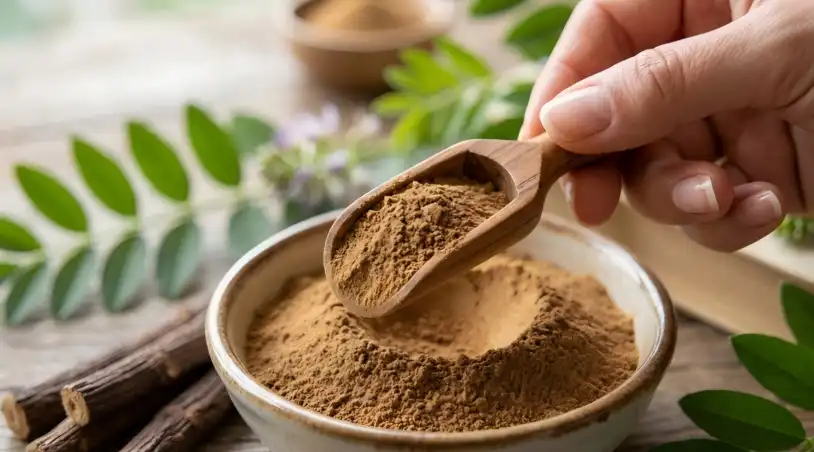
Glycyrrhiza inflata, Glycyrrhiza glabra, or Glycyrrhiza uralensis roots are used to make Natural Licorice Extract, which is a common plant ingredient. Mostly glycyrrhizic acid, flavonoids, and antioxidants make up this ingredient. They are strong medicines that help reduce inflammation, brighten the skin, boost the immune system, and protect the liver. In contrast to raw root powder, this extract goes through several steps of reduction and ultrafiltration cleaning to reach a steady level of strength. Because of this, it is an important part of the cosmetics, pharmaceutical, nutritional, and functional food businesses all over the world.
Introduction
The demand for organic chemicals is being driven by people all over the world who want plant-based goods with clean labels. Because it has been scientifically proven to work, Natural Licorice Extract is a versatile item that many businesses can know they can trust. Before you buy this extract, you should know what it does and how it can be used. This is important if you want to make functional drinks, food supplements, plant drugs, or skin care items. It tells you where it comes from, how well it's made, what its main benefits are, and how B2B buyers in the US and Europe can find it.
Understanding Natural Licorice Extract
Botanical Origin and Extraction Methods
The dried roots and rhizomes of plants called Glycyrrhiza species are used to make Natural Licorice Extract. Most of these plants are grown in China, Central Asia, and the Mediterranean. The extraction method uses a liquid based on water or ethanol to separate the good chemicals. This is followed by membrane filtration and spray drying. Purities are removed in this way, and glycyrrhizin is kept safe. Glycyrrhizin is the main triterpenoid saponin in the extract that gives it its healing properties.
Step-by-Step Production Process
If you want to make good Natural Licorice Extract, you have to follow strict rules. Roots that have been picked are cleaned, dried, and ground up before they are extracted with a liquid. Then, ultrafiltration and several steps of concentration are used to separate the active ingredients from the grainy plant matter. Spray-drying turns the remaining liquid concentrate into a fine powder that is light yellow to yellowish brown. The amount of glycyrrhizic acid is checked using High-Performance Liquid Chromatography (HPLC) and other quality control methods. The level of purity is generally set at 20%. Because it is based on tests, this method makes sure that all amounts are the same. This meets the strict needs of companies that make supplements and drugs.
Phytochemical Profile: Glycyrrhizin, Flavonoids, and Antioxidants
A lot of healthy things are in the powder. Glycyrrhizic acid is the main building block chemical. It is 30 to 50 times sweeter than sugar and works in the body like a corticosteroid. There are chemicals in plants called flavonoids that make the face look better and protect cells from damage. These chemicals work together to stop inflammation, fight free radicals, and help enzymes that clean out the liver. It can be used for many things because of this.
Key Benefits and Uses of Natural Licorice Extract
Anti-Inflammatory and Immune-Supportive Effects
Researchers say that glycyrrhizic acid changes how the immune system works by slowing the release of cytokines that make inflammation happen. The substance can be used in medicines to treat autoimmune diseases, inflammatory asthma, and stomach pain because it works like a corticosteroid. Nutraceutical companies put standardized Natural Licorice Extract into pills and powders to help people's immune systems when they are tired or stressed out during the holidays.
Hepatoprotective and Detoxification Properties
It's easier for the body to get rid of poisons from inside and outside because the substance makes liver-cleansing enzymes work harder. It has been shown in clinical tests to help protect the structure of hepatocytes and the hypothalamic-pituitary-adrenal axis, which manages the stress response. So, you can find it in a lot of detox pills and plant-based liver medicines.
Skin-Brightening and Anti-Aging Applications in Cosmetics
It is now thought that Natural Licorice Extract is the best way to lighten skin without hydroquinone. While tyrosinase is doing its job, glabridin stops it. Tyrosinase is the enzyme that makes melanin. It does this without hurting cells. Skin care companies use this to make serums and creams that get rid of dark spots, age spots, and skin that isn't even-toned. The ingredient also calms the skin, which makes products for sensitive skin less red and irritable.
Industrial Uses: Flavoring, Masking, and Preservation
The extract is good for you and is also used in medicine and lozenges to make them taste sweeter and cover up the bitter taste. Because it is thermally stable (up to 200°C), it stays together during baking and processing. Its detergent properties make mouthwash foam better. It helps with the clean-label image, which is why functional food makers like how it can balance the tastes in health drinks and protein bars.
OEM Opportunities in Pharmaceuticals and Cosmetics
Contract manufacturers and OEM/ODM partners know that there are different ways to use the item. Because it has a high surface activity and can dissolve things, co-formulated actives are more accessible, which makes the effects stronger. The element works well with a lot of different acids and bases (pH 3.5–9.0). This means that it doesn't settle out in acidic drinks and the taste and shelf life stay the same in a lot of different materials.
Comparison for B2B Buyers: Natural Licorice Extract vs Competitors
Natural vs Synthetic Alternatives: Purity and Safety
Items made from manmade glycyrrhizin are safe, but they don't have as many vitamins and antioxidants as natural extracts. Buyers in the business world who care about clean labels and customer details like Natural Licorice Extract. Also, they follow the law, such as GRAS (Generally Recognized As Safe) under 21 CFR 184.1408. Natural goods are carefully checked for heavy metals, ochratoxin A, and solvent remains to make sure they follow EU and US FDA rules.
Organic vs Conventional Extracts: Certification and Pricing
Natural Licorice Extract that has been certified as organic costs more because it has to meet strict growth and handling rules, like those set by the USDA and the EU. It is better to use conventional extracts for large-scale production because they work well and don't cost as much. The effects of licensing have to be weighed against the budget and the needs of the target market by procurement managers.
Licorice Extract vs Licorice Root Powder: Concentration and Application
Standardized goods have at least 10–20% glycyrrhizic acid, while raw root powder only has 2–4%. Because the concentrations are different, the recipe is more correct and less of the product needs to be shipped. It's easier for extracts to mix with water and glycol, which makes them taste better and speeds up the making process.
Evaluating Strength, Potency, and Supplier Quality
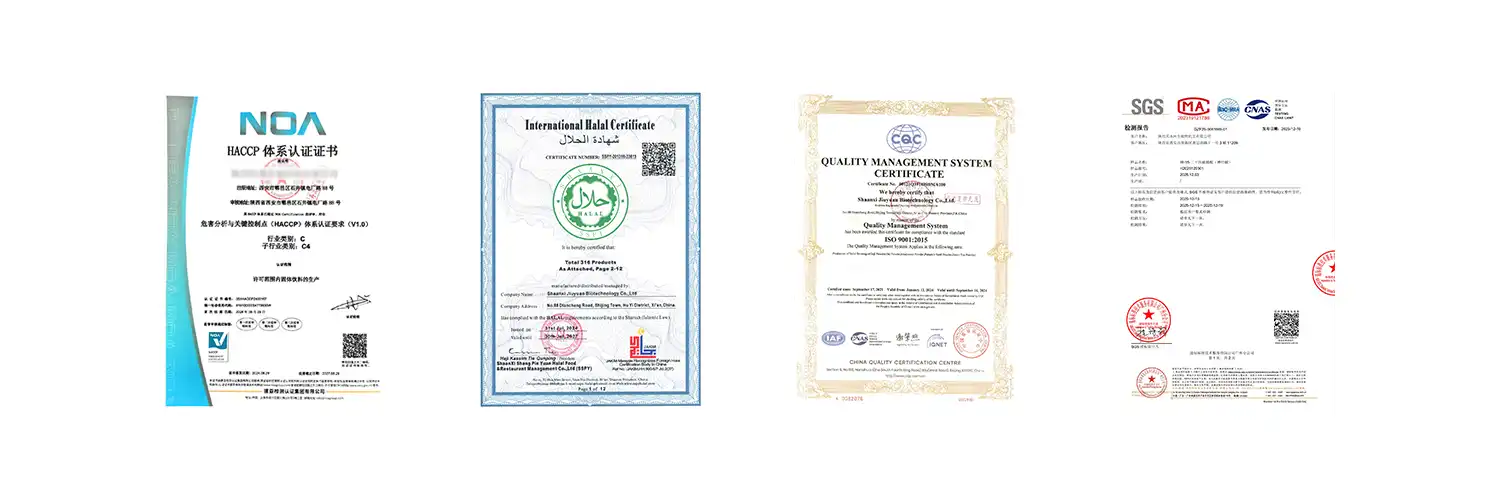
Heavy metal norms (Lead <3.0mg/kg, Arsenic <2.0mg/kg, Cadmium <1.0mg/kg), amounts of microbial contamination, and HPLC-verified glycyrrhizic acid content are some of the most important ways to tell if something is of good quality. Suppliers who follow the rules for GMP, ISO9001, and HACCP show that they run a strict business. Buyers have even more proof that a product is real and follows all the rules when they see third-party testing documents and analysis documents (CoA).
Procurement Guide: How to Source Natural Licorice Extract for B2B Needs
Identifying Trusted Suppliers in the US, EU, and Global Markets
It's easy to keep track of top providers' goods from the time they get the raw materials to the time they send the polished goods. China's well-known makers, like those that work with Northwest A&F University and other universities, have been training for 20 years to get better at extraction and cleaning. A lot of paperwork, like certificates of analysis (CoAs), safety data sheets, and certificates of regulatory compliance, should be given more weight by sellers who offer more of it.
Packaging, Quantities, and Pricing Benchmarks
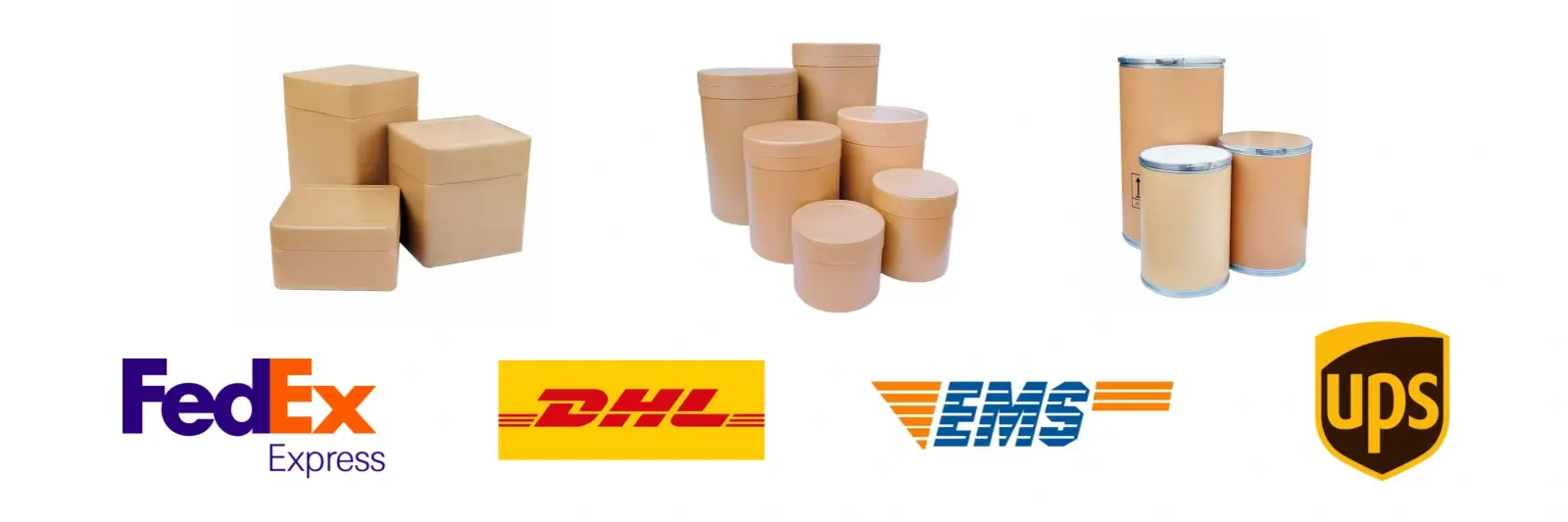
As usual, 25 kg fiber drums with double-layer polyethylene liners are used for big sales to keep things clean and keep water out. The least amount of Natural Licorice Extract that can be ordered for tests is generally 1 kg, and for production runs, it can be up to 10 metric tons. The price changes based on the purity level, the type of approval, and the shipping terms (EXW, FOB, CIF, DDP). You can save money and get better transportation help when you make long-term deals for supplies.
Certification and Quality Assurance Protocols
Getting ISO9001, GMP, FDA registration, Kosher, or Halal certifications shows that the product is safe and that the way it was made is good. Organic certification means that gardening won't use chemicals and will be done in a way that doesn't hurt the environment. People who want to buy something should make sure that it meets the standards of the market by asking for proof of the glycyrrhizic acid analysis, microbial limits, and contaminant numbers from a third party.
Logistics and Delivery Considerations
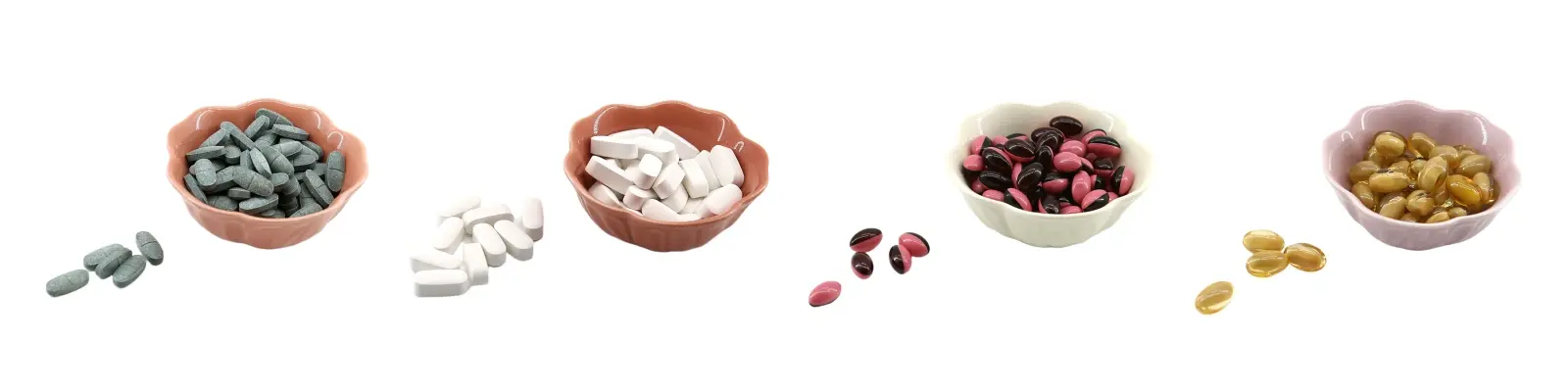
It saves time and money to plan how to use air freight, sea freight, and road freight in the best ways. Large orders can be filled in 15 business days if the building is 4,000 to 5,000 square meters and there are a lot of standard things in stock. Products get to market faster and stand out thanks to OEM/ODM services that let you make changes quickly. These include powder, liposomes, microcapsules, and unique packaging.
Conclusion
Natural Licorice Extract is a useful ingredient that comes from plants and has been shown to work well in skin care products, drugs, and functional foods. It gets the job done for B2B buyers in the US and Europe because it has a standard phytochemical profile and is backed by strict quality control and foreign licenses. This way, you can be sure that your goods will be consistent, that you will be following the rules, and that you will have an edge over your competitors. Choose qualified providers with clear traceability, strong R&D capabilities, and open customization services. People who want to add licorice root extract to production lines can safely do so with this guide's technical information and finding tips.
FAQ
1. What is the recommended dosage of licorice extract for industrial use?
How much to use depends on what you want to do and how pure it is. Most pharmaceutical forms have between 100 mg and 400 mg of 20% glycyrrhizic acid Natural Licorice Extract that has been cleaned up. Parts that are 0.5 to 2% glabridin-rich are used in beauty products. A soft candy can have up to 3.1% sugar, and baked things can have up to 0.05% sugar, according to the FDA. For the best participation rates, producers should check to see what the law says and make sure the product is stable.
2. Are there safety concerns or side effects?
Someone with pseudo-aldosteronism may have high blood pressure and low potassium levels if they have a lot of glycyrrhizin in their body. As long as stomach health goods use DGL, which has less than 3% glycyrrhizin, for a long time, these risks will be smaller. On the labels of their goods, industrial users should put the right information. They should also tell end users how much they can safely eat.
3. How can I verify the authenticity and purity of licorice extract?
Ask for Certificates of Analysis (CoA) that show HPLC chromatograms that show glycyrrhizic acid is present. Even more peace of mind comes from getting heavy metals, mycotoxins, and liquid leftovers tested by a third party. Check to see if your sources have ISO, GMP, or organic certifications. Also, make sure that the sites follow all the rules when you visit or check them out online.
Partner with HERBCOSHER: Your Trusted Natural Licorice Extract Supplier
The best business to make Natural Licorice Extract is HERBCOSHER. They have been doing research and development for more than 20 years and use cutting-edge methods for extraction and cleaning. Natural Licorice Extract from our company is approved by ISO9001, GMP, FDA, Kosher, and Halal. It has also been checked to make sure it has 20% glycyrrhizic acid. It's okay for use in the US and EU because of this. Northwest A&F University and Northwest University are important to us because they help us receive better tools and come up with new ideas. We can quickly support OEM/ODM projects, such as powders, liposomes, and microcapsules, and fill big orders within 15 business days. Our building is 4,000 square meters big and full of different specs. People who make nutraceuticals, makeup, or work on a contract basis trust HERBCOSHER to provide them with high-quality Natural Licorice Extract. Aside from low prices, they also give full technical help and a range of shipping options, such as EXW, FOB, CIF, and DDP. Send us an email at info@herbcosher.com to get prices, samples, and reports from outside sources that are tailored to your needs.
References
1. Asl, M. N., & Hosseinzadeh, H. (2008). Review of pharmacological effects of Glycyrrhiza sp. and its bioactive compounds. Phytotherapy Research, 22(6), 709-724.
2. Fiore, C., Eisenhut, M., Krausse, R., Ragazzi, E., Pellati, D., Armanini, D., & Bielenberg, J. (2008). Antiviral effects of Glycyrrhiza species. Phytotherapy Research, 22(2), 141-148.
3. Yokota, T., Nishio, H., Kubota, Y., & Mizoguchi, M. (1998). The inhibitory effect of glabridin from licorice extracts on melanogenesis and inflammation. Pigment Cell Research, 11(6), 355-361.
4. Kao, T. C., Wu, C. H., & Yen, G. C. (2014). Bioactivity and potential health benefits of licorice. Journal of Agricultural and Food Chemistry, 62(3), 542-553.
5. Dhingra, D., Parle, M., & Kulkarni, S. K. (2004). Memory enhancing activity of Glycyrrhiza glabra in mice. Journal of Ethnopharmacology, 91(2-3), 361-365.
6. Pastorino, G., Cornara, L., Soares, S., Rodrigues, F., & Oliveira, M. B. P. P. (2018). Liquorice (Glycyrrhiza glabra): A phytochemical and pharmacological review. Phytotherapy Research, 32(12), 2323-2339.