



What's Saw Palmetto Extract Good For?
Saw Palmetto Extract comes from the leaves of the Serenoa repens plant and is known to contain 25–45% fatty acids and phytosterols. This substance from plants is known to help keep hormones in balance, protect the health of the prostate, and stop hair loss. The substance mostly helps with benign prostatic hyperplasia and androgenetic baldness by blocking 5-alpha-reductase, an enzyme that changes testosterone into dihydrotestosterone (DHT). For business-to-business buyers in nutraceuticals, skincare, and functional foods, Saw Palmetto Extract is a flexible, science-backed ingredient that is becoming more popular with consumers and has been shown to work in a number of different formulations.
Understanding Saw Palmetto Extract: Nature, Benefits, and Mechanisms
Natural Origin and Extraction Methods
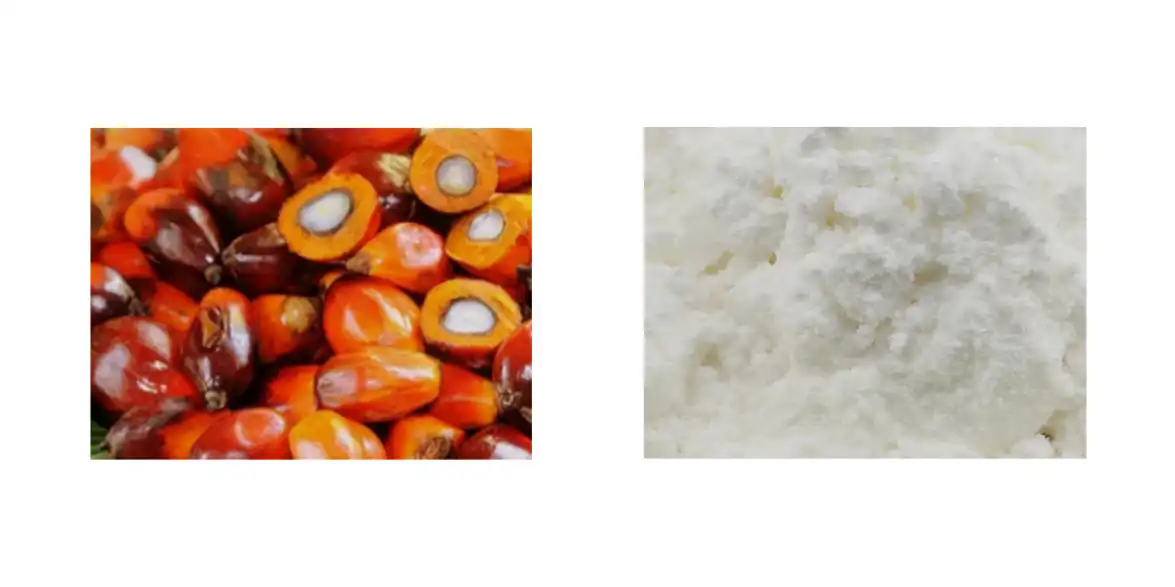
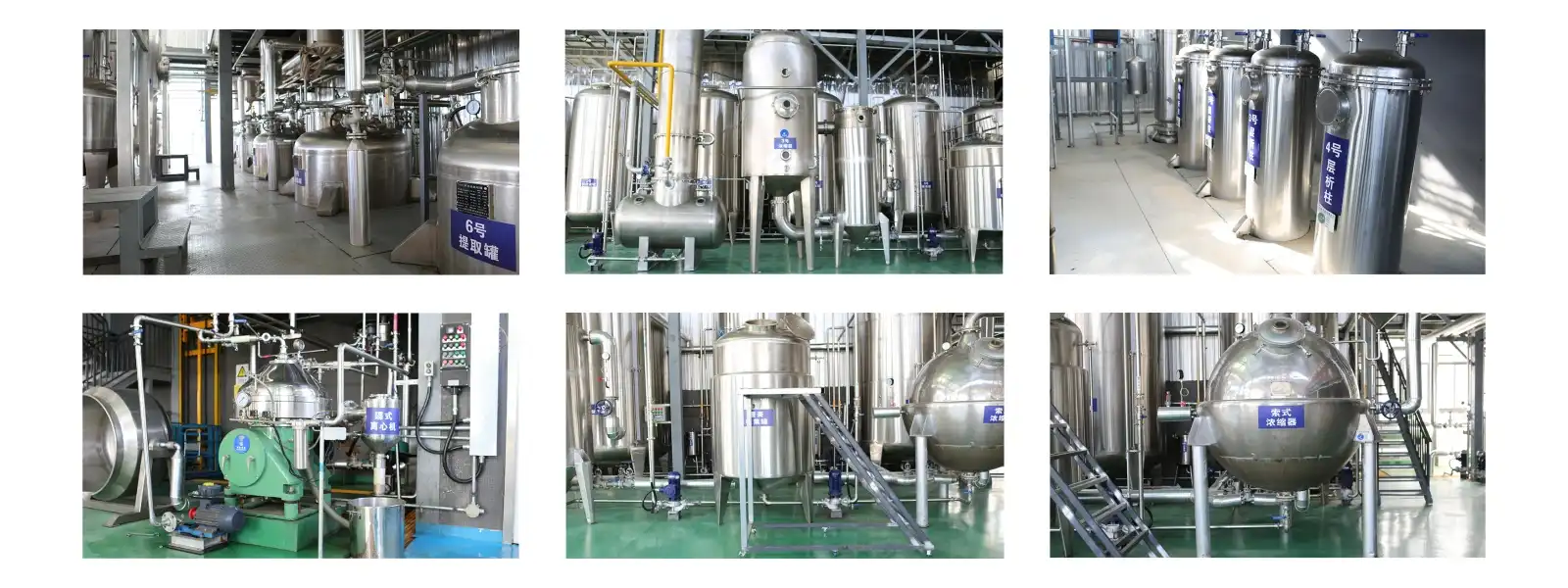
Wild palms that grow in the southeastern United States are used to get Saw Palmetto Extract nuts. The berries are either extracted with supercritical CO2 or a solvent to separate the lipophilic fraction. This fraction has phytosterols like beta-sitosterol and fatty acids like oleic acid, lauric acid, and myristic acid. Supercritical CO2 extraction is safer for the environment and produces extracts with less liquid waste than other methods. Pharmaceutical and nutrition companies that want to use products with clean labels prefer this method. The extract that is made can be made into powders, pills, or liquid concentrates, each of which is better for a different type of production process and end-product.
Active Compounds and Biological Mechanisms
Saw Palmetto Extract's chemical profile is based on the fatty acids and phytosterols that are in it. By blocking the cyclooxygenase and lipoxygenase pathways, these substances reduce inflammation in the urinary tract and tissue swelling that come with having a bigger prostate. The process of lowering DHT involves competitive blocking of 5-alpha-reductase isoenzymes, mostly type II, which is found in hair follicle and prostate cells. Studies in urology journals show that standardized extracts with 85–95% fatty acids greatly improve men with benign prostatic hyperplasia's ability to urinate and their quality of life. Research on hair loss has shown that lowering the amount of DHT in head hair follicles makes the anagen growth phase last longer and stops follicles from getting smaller.
Safety Parameters and Dosage Considerations
Doses ranging from 160 mg twice daily to 320 mg once daily have been used in clinical studies to improve prostate health. Saw Palmetto Extract is often mixed with other plants that help with hair loss in smaller amounts. According to the few reports of side effects, the product is generally safe, with most of them being mild stomach pain in sensitive people. Saw Palmetto Extract is a good choice for long-term use because it doesn't have as much of an effect on sexual function or fluid balance as manmade 5-alpha-reductase inhibitors like finasteride. Buyers in business should make sure that the extracts they get are standardized and checked by gas chromatography to make sure they have the same amount of fatty acids, which is directly related to how well they work as medicine.
Comparison and Selection: Navigating Saw Palmetto Extract Options
Differentiating From Alternative Ingredients
Saw Palmetto Extract has more scientific proof for prostate health benefits than pumpkin seed oil, which is another natural DHT modulator. Pumpkin seed oil has phytosterols and zinc in it, but it doesn't have the dense fatty acid makeup that makes Saw Palmetto Extracts good. Synthetic finasteride is a stronger DHT blocker, but it can cause sexual problems and needs a prescription in most places. Saw Palmetto Extract is in the middle because it has useful therapeutic benefits, can be bought over-the-counter, and people like natural options. When purchasing managers are making men's health product lines, they need to think about these trade-offs based on the target market's demographics, the rules that apply, and the placement strategy.
Organic Versus Conventional Extracts
Organic approval is useful for brands that want to reach health-conscious customers and markets that really like organic products, like North America and Europe. For USDA and EU Organic certifications, wild-harvesting practices or organic farming methods must be checked, as well as the lack of synthetic chemicals and processing centers that follow the rules. Conventional products from China or India are often cheaper while still being of high quality if the sellers are certified by ISO9001 and GMP. When it comes to treatment effectiveness, quality factors like fatty acid content, heavy metal levels, and microbial numbers are more important than organic status. No matter if the product is labeled as organic or not, buyers should always ask for certificates of analysis and third-party testing results to make sure the standards are met.
Product Format Selection
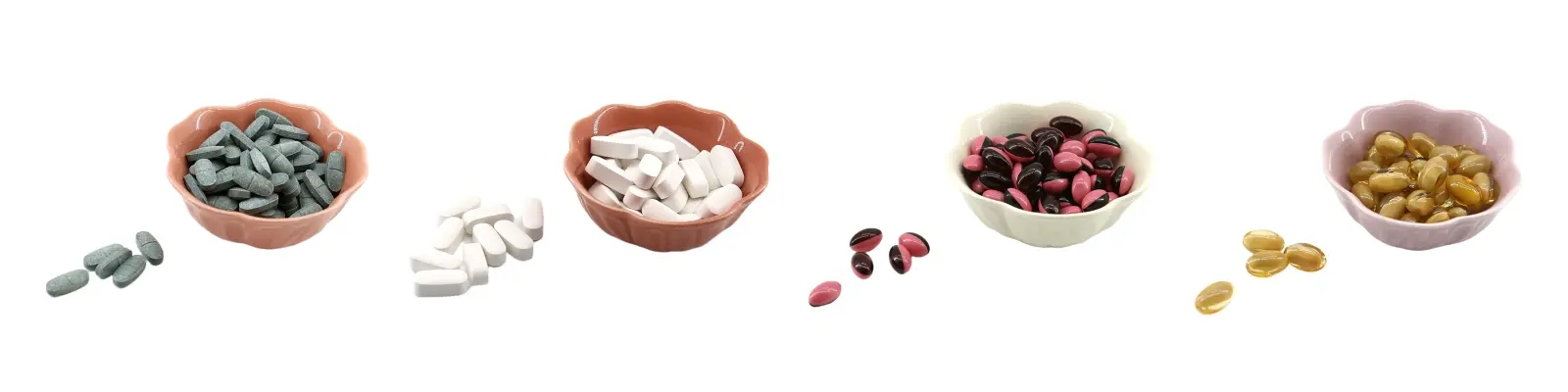
Spray-drying or packaging technologies can be used to make powders that don't leak like liquid extracts do when softgels are made. This powder, which is standardized to 25–45% fatty acids, works well in hard pills, tablets, and packages with two parts. For softgel uses that need more strength per unit, liquid extracts with 85–95% fatty acids work well. Liposomal and microcapsule versions improve stability and absorption, which makes them appealing to people who make high-end products. When choosing between powder and liquid specifications, OEM makers should think about the production tools they already have and the dosage forms they want to make. HERBCOSHER gives both forms and can make changes based on the needs of the formulation.
How to Procure Saw Palmetto Extract for B2B Needs
Essential Quality Parameters and Certifications
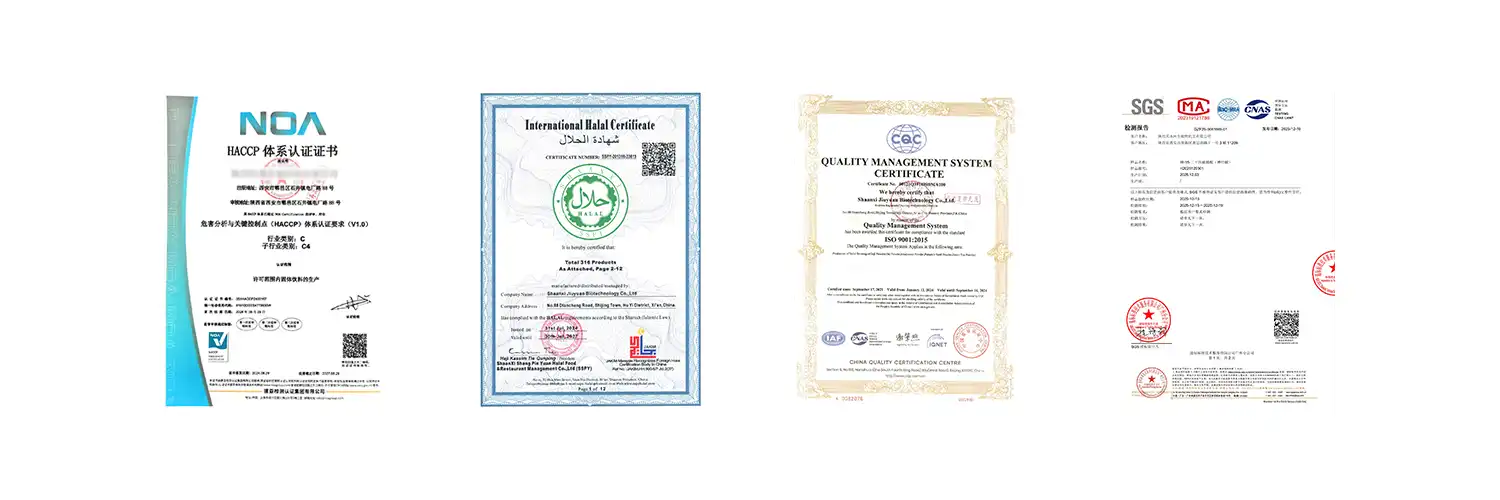
There are a few important things that procurement guidelines for Saw Palmetto Extract must cover. Gas chromatography tests should make sure that the fatty acid content matches what the label says it is, which is usually between 25% and 95% for different formats. Heavy metal tests for arsenic, cadmium, mercury, and lead should follow the guidelines set by the USP or the European Pharmacopoeia. Testing for microbes must show that there are no pathogens and that the total plate numbers are appropriate. For extracts that weren't made with supercritical CO2 methods, solvent residue analysis is a must. Some certifications that make foreign trade easier are FDA registration for entry to the U.S. market, Kosher and Halal for certain groups of customers, and ISO9001 for quality management systems. These qualifications make it easier for regulators to do their jobs and back up marketing claims.
Pricing Structures and Minimum Order Quantities
The price of Saw Palmetto Extract depends on how standardized it is, how healthy it is, and how much you buy. Standardized powder extracts with 25–45% fatty acids usually cost $30–60 per kilogram in bulk, while high-potency liquid extracts cost $80–150 per kilogram. A 20–40% extra is added for organic approval. Most manufacturers require orders to be at least 25 to 100 kilograms in order to support production runs. However, some suppliers will accept trial orders as low as 1 kilogram with different prices. Usually, you have to pay by wire transfer with a 30–50% deposit and the rest of the money before the shipment. Once a buyer has shown a history of regular orders, they may be able to negotiate net-30 terms.
Supplier Evaluation and Due Diligence
Transparency is shown by reliable vendors through facility checks, customer references, and lots of paperwork. Ask third-party inspectors to check the site and send you reports that confirm GMP compliance and output capabilities. Use industry databases and trade groups to look up a supplier's track record. Check the expert support available, such as help with formulation and legal advice for the target markets. Supply chain security is important, especially for goods that need to be of the same quality from batch to batch. HERBCOSHER maintains a 4,000-5,000 square meter warehouse with ample stock of standardized Saw Palmetto Extracts, supporting rapid fulfillment of bulk orders within 15 working days and accommodating expedited customization needs.
Practical Applications of Saw Palmetto Extract in B2B Markets
Hair Care and Anti-Hair Loss Formulations
The world market for hair loss treatments keeps growing, thanks to older people and younger people who are becoming more aware of the problem. Saw Palmetto Extract, which is frequently mixed with biotin, zinc, and other helpful nutrients, blends in smoothly into dietary supplements intended for hair health. Putting Saw Palmetto Extract in shampoos, conditioners, and serums that you put on your hair takes advantage of its DHT-blocking traits. Clinical tests that show hair quality improving by 60% and overall hair count increasing by 27% are strong marketing backing. Different places have different rules about how to regulate things. For example, food pills don't have to follow as many rules as topical drugs that claim to help hair grow back. By mixing Saw Palmetto Extract with their own botanical blends or delivery methods, OEM partners can make goods that stand out.
Prostate Health and Men's Wellness Products
One of the most well-known uses for Saw Palmetto Extract is in products for prostate health. Products targeting benign prostatic hyperplasia symptoms combine the extract with complementary ingredients like beta-sitosterol, pygeum, and lycopene. Demand stays steady in developed markets because men are living longer, and people in developing markets are becoming more aware of how to stay healthy. As part of the formulation process, the right extract amounts must be chosen in order to reach daily doses that are clinically useful, which are usually 320 mg of standardized extract. Softgels are still the most common way to give medicine, but pills and powders are becoming more popular. Market studies show that people prefer combination recipes to single-ingredient goods. This means that formulations with extra value are possible.
Expanding Into Functional Foods and Beverages
Saw Palmetto Extract can be used in functional drinks, protein shakes, and energy bars, in addition to its usual use as a supplement. Encapsulation technologies hide the extract's unique taste, which lets it be used in goods that people will like. This group is popular with younger people who want to improve their health without taking pills. When botanicals are added to food items, regulatory issues become more complicated. In Europe, you have to carefully navigate new food laws, and in the US, you have to think about GRAS status issues. When brands successfully join this market, they often work with experienced ingredient suppliers who give them legal advice along with high-quality raw materials.
Maximizing Value and Minimizing Risks When Using Saw Palmetto Extract
Formulation Strategies for Optimal Efficacy
To get reliable product performance, you need to pay attention to a number of formulation factors. Standardizing fatty acids makes sure that the release of active compounds is the same from batch to batch. The lipophilic parts of Saw Palmetto Extract are better absorbed when it is mixed with lipids or vitamins that dissolve in fat. Enteric coating or delayed-release technologies can make the extract more bioavailable by keeping it safe while it goes through the stomach. Testing for stability under fast conditions finds possible ways for something to break down and helps with figuring out how long it will last. When formulators are making drinks, they should take into account that the extract dissolves slightly in water and use emulsifiers or solubilizing agents as needed. The technical team at HERBCOSHER works with clients to improve formulations and uses relationships with research institutions to find solutions to difficult development problems.
Avoiding Common Procurement Pitfalls
Quality differences are a big problem when it comes to getting plant ingredients. Adding cheaper materials or lying about the amount of fatty acids in a product hurts its effectiveness and the brand's image. In gray markets, fake certificates are sometimes sold, so it's important to check with the seller directly. Buyers should do audits of their suppliers, ask for proof of analysis for each batch, and have independent labs test arriving goods on a regular basis. Building partnerships with vertically integrated suppliers who manage both the gathering and extraction processes makes the supply chain simpler and lowers the chance of quality variations. Language barriers or different time zones can make it take longer to solve a problem, so quick customer service is a very important factor in the decision process. It's easier to work together when you choose providers who offer technical help in English and follow Western business practices.
Building Consumer Trust Through Transparency
End customers are asking for more and more information about where ingredients come from, how they are tested, and how products are made. Customers are more loyal to brands that talk about third-party tests, certification qualifications, and where their products come from in the supply chain. In crowded markets, expensive goods stand out with QR codes that lead to certificates of analysis or sustainability reports. Brand authority is built through educational material that explains how Saw Palmetto Extract works and clinical proof. Beyond just providing raw materials, B2B providers who offer marketing support materials like white papers and clinical reports add value. This partnership method makes the whole value chain stronger, from the company that makes the ingredients to the brand that sells them to customers.
Conclusion
Saw Palmetto Extract is a highly proven ingredient that can be used in products to help with hair loss and keeping the prostate healthy. For procurement managers and OEM partners to successfully integrate it, they need to pay close attention to quality factors, choosing the right provider, and the formulation strategy. The extract's better safety rating compared to synthetic options puts it in line with the move toward natural goods that consumers want. There are possibilities in the market for standard supplements, new useful foods, and high-end cosmetics. By working with dependable suppliers who offer full support, ranging from legal advice to custom formulations, brands can make the most of this flexible botanical ingredient while reducing sourcing risks and increasing product differentiation.
FAQ
1. What is the recommended dosage for prostate health applications?
Clinical studies confirm daily amounts of 320 mg of standardized Saw Palmetto Extract, which contains 85–95% fatty acids. This dose is usually given all at once or split into two 160 mg doses and taken twice a day. To get the same amount of active compounds, products that are standardized to lower ratios, like 25–45%, need relatively higher gram weights.
2. Are there known interactions with pharmaceutical medications?
Saw Palmetto Extract doesn't mix with drugs as much as many other plants. Concerns have been raised about anticoagulant drugs because they contain fatty acids, but there isn't a lot of clinical evidence to show that they interact in a meaningful way yet. When clients make goods for people who take prescription drugs, they should include standard label warnings that say to talk to a doctor.
3. How can buyers verify supplier authenticity and product quality?
Ask for up-to-date copies of your ISO9001, GMP, FDA, and any related organic approvals. Get analysis papers that show the results of heavy metal testing, microbial testing, and gas chromatography for fatty acid levels. Do checks of your suppliers or look over audit results from a third party. Independent labs test new batches on a regular basis. Use government databases to check business licenses and export certificates.
Partner With HERBCOSHER for Premium Saw Palmetto Extract Supply
As a reliable company that has been making Saw Palmetto Extract for over 20 years, HERBCOSHER knows a lot about researching and developing plant-based active chemicals. Gas chromatography shows that our regulated products have 25–45% fatty acids. This is backed up by a number of certifications, such as FDA, ISO9001, GMP, Kosher, and Halal. With a minimum order size of just 1 kilogram, we can complete large orders within 15 days if we keep a lot of stock on hand. As part of our OEM/ODM services, we work with Northwest A&F University and Northwest University to create unique formulas in powder, liposome, and microcapsule forms. Our combined shipping network can handle a wide range of foreign logistics needs thanks to its flexible delivery terms, such as EXW, FOB, CIF, and DDP. Email our team at info@herbcosher.com to get samples, talk about your formulation needs, and get access to affordable bulk prices that represent how efficiently we make our products and how well our supply chain works.
References
1. Patel, N. D., & Parsons, J. K. (2014). Epidemiology and etiology of benign prostatic hyperplasia and bladder outlet obstruction. Indian Journal of Urology, 30(2), 170-176.
2. Murugusundram, S. (2009). Serenoa repens: Does it have any role in the management of androgenetic alopecia? Journal of Cutaneous and Aesthetic Surgery, 2(1), 31-32.
3. Rossi, A., Mari, E., Scarno, M., Garelli, V., Maxia, C., Scarsella, L., & Calvieri, S. (2012). Comparative effectiveness of finasteride vs Serenoa repens in male androgenetic alopecia. Archives of Dermatology, 148(12), 1353-1357.
4. Tacklind, J., MacDonald, R., Rutks, I., Stanke, J. U., & Wilt, T. J. (2012). Serenoa repens for benign prostatic hyperplasia. Cochrane Database of Systematic Reviews, 12, CD001423.
5. Prager, N., Bickett, K., French, N., & Marcovici, G. (2002). A randomized, double-blind, placebo-controlled trial to determine the effectiveness of botanically derived inhibitors of 5-alpha-reductase in the treatment of androgenetic alopecia. Journal of Alternative and Complementary Medicine, 8(2), 143-152.
6. Bent, S., Kane, C., Shinohara, K., Neuhaus, J., Hudes, E. S., Goldberg, H., & Avins, A. L. (2006). Saw palmetto for benign prostatic hyperplasia. New England Journal of Medicine, 354(6), 557-566.