



Genipin: A Natural Crosslinker Transforming Biomedical Science and Therapeutics
How to securely preserve biological materials without utilizing cell-damaging chemicals is a perennial concern for biotechnology and pharmaceutical businesses. A safe natural crosslinking agent made from Gardenia jasminoides fruit, Genipin Powder, may work. It solves this crucial business issue. Tissue engineering, medication delivery, and therapeutic formulations are changing because this plant molecule is 5,000 to 10,000 times less toxic to cells than manufactured crosslinkers like glutaraldehyde. It meets high worldwide safety requirements.
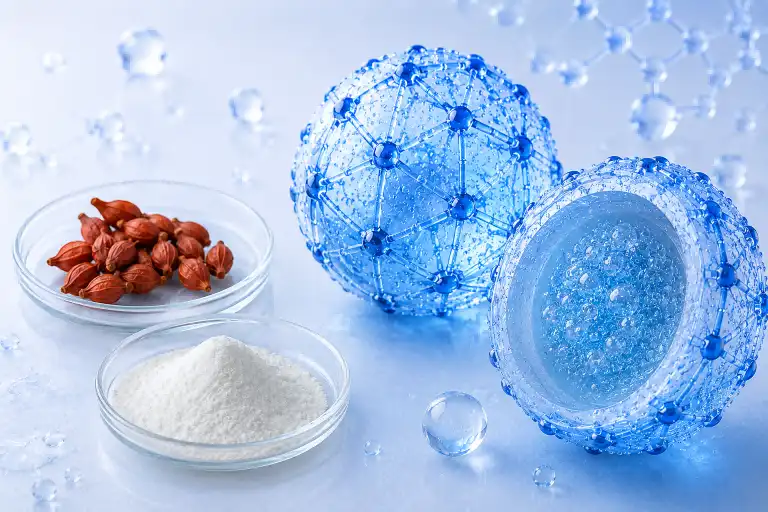
Understanding Genipin Powder: Composition, Properties, and Extraction
Molecular Structure and Chemical Profile
This natural iridoid is methyl (1R,2R,6S)-2-hydroxy-9-(hydroxymethyl)-3-oxabicyclo[4.3.0]nona-4,8-diene-5-carboxylate. The chemical formula is C11H14O5 and its weight is 226.23 g/mol. The fact that it looks like a white to off-white rock suggests it is exceedingly pure; HPLC testing can normally obtain 98% concentration. The freezing point is 120°C–124°C, ensuring a steady manufacturing temperature.
Extraction and Production Excellence
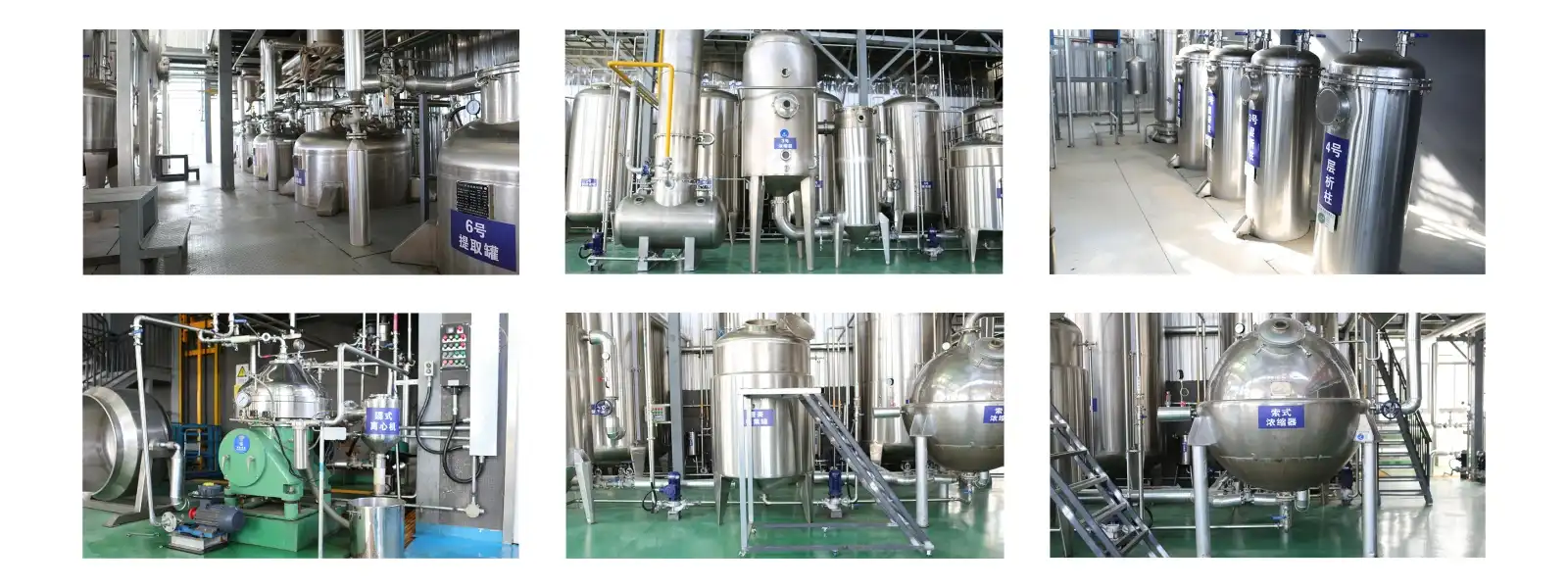
Our production process begins with beta-glucosidase breaking down geniposide. The parent glycoside becomes the reactive aglycone. This method preserves bioactivity and medicinal purity in plant extracts. Final product dissolves well in dimethyl sulfoxide, methanol, ethanol, and somewhat in water. This makes it easy for producers to employ different formulation procedures.
Quality control ensures that moisture content is below 1% and that not much geniposide remains after extraction. Buying teams must ensure suppliers match these criteria since they affect crosslinking density and efficacy in end usage.
Health Properties and Bioactive Functions
Clinical studies show that this natural chemical helps people in several ways. It heals stomach lining cells and vascular inflammation due to its anti-inflammatory effects. The chemical directly improves bile acid transport on hepatocytes to treat cholestatic disorders. New research suggests that boosting glucagon-like peptide-1 may help manage metabolism and appetite.
The substance is therapeutic beyond crosslinking. Genipin Powder can be used in nutraceuticals and pharmaceuticals to alleviate inflammation, enhance liver function, and boost metabolism.
Safety Documentation and Regulatory Compliance
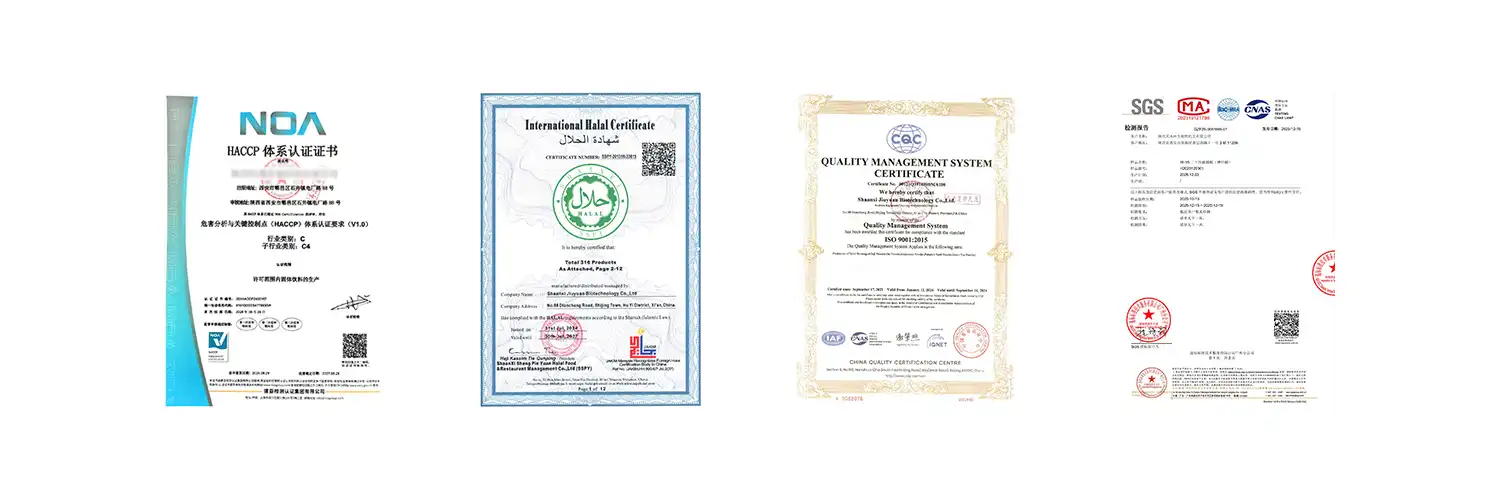
To comply with international market regulations, procurement professionals require lots of paperwork. MSDSs explain how to securely handle and store items, while COAs verify a batch's purity, residual chemicals, and microbiological limitations. Kosher, Halal, ISO9001, GMP, and FDA registration are our certifications. This ensures our goods may be used in North American and Middle Eastern legal situations.
Toxicology profiles always have better safety margins than synthetic choices, and biomedical doses have never caused serious adverse effects. This safety benefit is crucial for companies developing FDA- or EMA-regulated goods.
Genipin Powder Applications: Revolutionizing Biomedical Science and Therapeutics
Crosslinking Mechanism and Biocompatibility Advantages
This is because the molecule reacts differently with protein amino groups, particularly lysine, hydroxylysine, and arginine. Random reactions form stable covalent connections between polymer chains in moderate physiological circumstances (pH 7.0–8.5). These linkages form three-dimensional networks without harsh conditions or harmful catalysts. This technique also produces a characteristic blue tint, indicating full crosslinking.
Compared to glutaraldehyde or formaldehyde, this natural crosslinker causes less irritation in living organisms. Implants integrate better with host tissues, don't harden, and don't let as many immune cells in, according to tissue compatibility testing. These are crucial for long-term regenerative medicine success.
Tissue Engineering and Scaffold Fabrication
Collagen and gelatin crosslinking strengthens this plant agent in enzyme-rich conditions and helps cells attach and develop. Cardiovascular applications include heart valve replacements and vascular patches that must be robust even when blood flows continually. Orthopedic applications employ crosslinked chitosan to regenerate cartilage. Controlled breakdown rates match tissue formation.
The chemical strengthens hydrogel structures after printing, which helps three-dimensional bioprinting maintain complicated organ models. Concentration can be adjusted to customize stiffness for soft brain tissues and load-bearing skeletal structures.
Advanced Drug Delivery Systems
This crosslinking agent makes pH-sensitive hydrogel microspheres that react to gastrointestinal changes. They shield sensitive biologics during stomach transit and release therapeutic payloads in the intestines. By adopting particular delivery mechanisms, these matrices improve protein, peptide, and tiny chemical half-life in circulation and reduce systemic adverse effects.
Controlling crosslinking density with Genipin Powder controls release speed. Tighter networks impede diffusion for long-term delivery, while weakly crosslinked formulae release quickly. Drug producers can adjust pharmacokinetic parameters to optimize performance without changing active ingredients.
Industrial Applications Beyond Biomedicine
Gardenia Blue, a natural colorant stable at high temperatures, is made from the chemical and amino acids and utilized in high-end items instead of dyes. Even after processing that breaks down plant-based dyes, this blue pigment retains its hue. This improves clean-label product stability.
In functional food, the compound's antioxidant properties prevent lipid peroxidation and preserve freshness. Personal care products focus its antioxidant and anti-inflammatory characteristics for a cosmeceutical approach.
Choosing the Right Genipin Powder for Your Procurement Needs
Distinguishing from Related Compounds
Knowing the distinction between genipin and its parent chemical, geniposide, helps determine the correct application. Geniposide must be converted by enzymes before crosslinking, although the aglycone form interacts immediately with target proteins. Products that need to gel fast should utilize plain genipin, whereas those that need to activate slowly should employ geniposide with controlled enzyme release systems.
Dissolving in water and process speed depend on chemical makeup. Because its reactive sites are not crowded, the aglycone crosslinks more per mole. This allows cheaper materials to make mechanically equivalent products.
Purity Grades and Quality Standards
Pharmaceutical-grade materials must be at least 98% pure by HPLC analysis and have strict degradation product limitations to maintain crosslinking consistency. Research-grade goods may be 95% pure for basic investigations, but they must be raised to medical standards for large manufacture to ensure batch consistency.
Quality requirements go beyond statistics. Heavy metals, particle size dispersion, and solvent content are also limited. Injection or implant materials must fulfill rigorous USP or EP monograph specifications. This requires the supplier to conduct extensive scientific testing.
Certification Requirements and Supplier Evaluation
The COA should contain test methodology, acceptance requirements, and genuine results for each significant quality feature. Third-party laboratory validation helps you trust a source, especially when working with a new vendor. Drug Master Files for drug providers and thorough dossiers for food-grade purposes expedite product adoption in target markets.
Verifying a supplier's certificates ensures they satisfy your company's criteria. GMP and HACCP certifications are required for pharmaceutical ingredient sources and food-grade usage. Third-party site checks or inspection reports boost production quality systems and controls.
Global Supplier Landscape and Selection Criteria
Reputable suppliers communicate manufacturing capabilities, wait times, and skilled assistance. Sample providing regulations allow lab testing before significant deals, reducing the risk of buying defective products. Well-known merchants give stability statistics on product lifespan under shop environments. Stockpile tracking and formulation planning require this information.
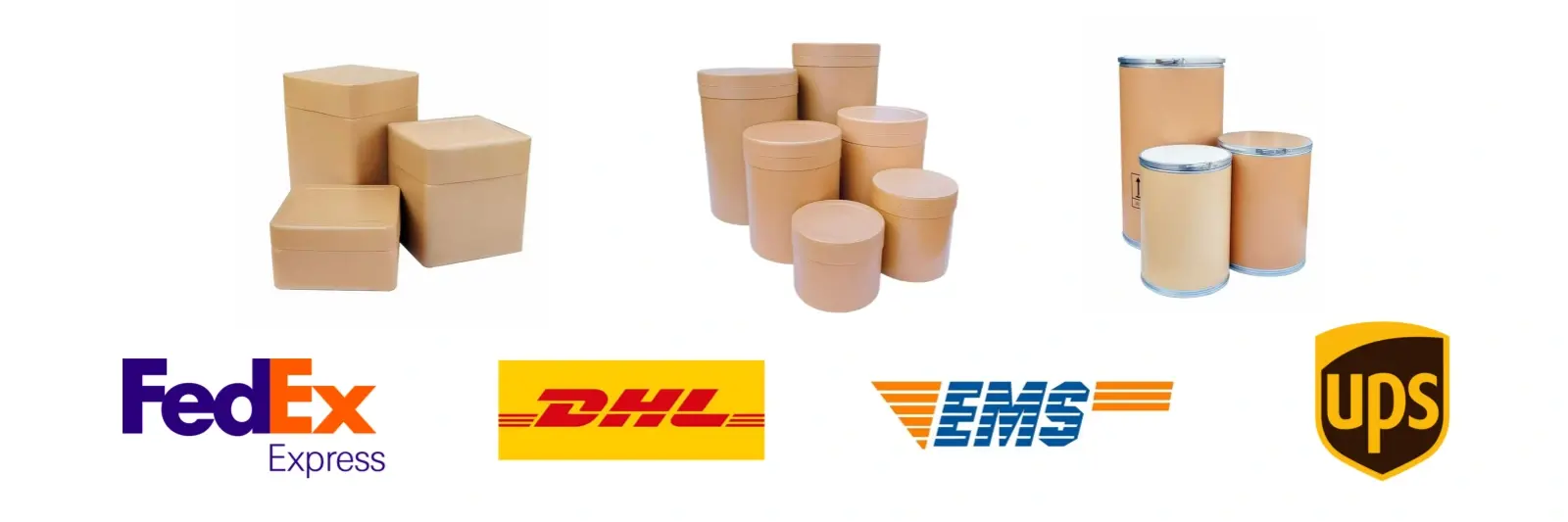
Logistical reliability distinguishes premium suppliers from commodity vendors. The capacity to send huge numbers of materials by air freight for urgent research and in containers by sea for manufacturing shows operational advancement. Cross-border transactions move more easily when you grasp international customs procedures and submit documents. This prevents costly delays.
Procurement Guide: Buying Genipin Powder for Industrial and Research Applications
Pricing Structures and Negotiation Strategies
Big price discounts occur at kilogram to multi-kilogram purchasing levels. Currently, 98% pure pharmaceutical-grade material prices depend on quantity, quality, and transportation. Procurement teams should request quotations with Incoterms like EXW, FOB, CIF, and DDP to accurately evaluate total landed prices, including freight and insurance.
Long-term supply partnerships often offer cheaper costs and guarantee material availability regardless of demand. Sellers may negotiate better and plan production better when buyers estimate quantities and provide flexible delivery schedules. You may save more with a wire transfer (T/T) than a letter of credit.
International Shipping and Compliance Documentation
Cross-border exports of Genipin Powder require harmonized tariff classification numbers, certificates of origin, and phytosanitary documentation, depending on the target country. Our logistics strategy includes air freight for urgent research projects, sea freight for large shipments at lower cost, and new rail freight options that connect Asian industrial hubs to European markets.
Business invoices, packing lists, and regulatory compliance declarations must be accurate for customs clearance. Pharmaceutical ingredients are scrutinized and must have importer permits and Good Distribution Practice guidelines. Experienced suppliers provide regulatory-compliant paperwork bundles. This minimizes clearance waits.
Sample Request Protocols and Quality Verification
Before committing to production, ask for samples from a source so the lab can evaluate them. Batch-specific COA samples enable you verify the seller's claims regarding the material's performance in your formulation processes. Testing protocols should evaluate how effectively the chemical dissolves, crosslinks, and works with current production methods.
An impartial lab test protects you from false or altered items. Functional testing checks cross-linking, whereas HPLC fingerprinting checks name and purity. Keeping reference standards from certified batches allows you examine new materials throughout frequent purchases.
Building Strategic Supplier Partnerships
Long-term operational success depends on supplier relationships beyond business. Technical assistance with formulation and fixing is crucial throughout product development. Suppliers may learn about new applications and innovative usage through strong R&D cooperation with university institutions.
Exchange agreements or vendor-managed inventory schemes save working capital while ensuring material availability. Quality agreement models that define requirements, testing, and deviations officialize standards and protect everyone.
Future Trends and Innovations in Genipin Powder Applications
Emerging Biomedical Research and Clinical Development
Regenerative medicine researchers are studying the compound's significance in ocular tissue engineering. Crosslinked collagen membranes may repair keratoconus and corneal scarring. Neurological tissue usage investigate how it might sustain nerve guidance channels that direct axonal regeneration following peripheral nerve injury. With these clinical testing choices, the substance will lead next-generation therapeutic therapies.
Sustainable Production and Quality Enhancement
Industry trends favor extraction processes that maximize plant yields with little environmental effect. Green chemistry improves enzymatic digestion, which requires less solvents and generates less waste. Responsible Gardenia jasminoides procurement meets environmentally aware businesses' supply chain transparency demands.
Advanced processing technologies include membrane filtering and crystallization polishing provide product consistency. Process analytical technology enables real-time quality monitoring during production, reducing batch failures and ensuring requirements are fulfilled. Later items will be more dependable due to these manufacturing changes.
Market Demand Dynamics and Strategic Sourcing
More food, cosmetics, and medicine professionals seek natural goods. This increases demand for pure botanical crosslinkers. Regulatory settings are scrutinizing consumer products synthetic chemical residues. Plant-based alternatives that outperform manmade chemicals are growing in popularity.
When making strategic purchases, consider what may happen if demand exceeds production. A diversity of global suppliers reduces the likelihood of issues in those areas due to natural catastrophes, legal changes, or political turmoil. Building relationships with suppliers who are developing capacity helps buyers in tight markets.
Conclusion
Genipin Powder's natural crosslinking technology advances biological material research and drug development. Its improved biocompatibility reduces synthetic option safety concerns while achieving the most demanding mechanical performance demands. From tissue engineering structures that advance regenerative medicine to controlled-release medication delivery systems that enhance patient outcomes, this botanical chemical opens the door to novel ideas previously constrained by toxicity concerns. As regulations and consumer tastes shift toward natural ingredients with known safety profiles, procurement professionals who establish reliable pharmaceutical-grade material supply chains put their companies ahead of the competition in biomedical innovation and clean-label product development.
FAQ
1. What distinguishes pharmaceutical-grade from research-grade material specifications?
Why do pharmaceutical-grade and research-grade materials have differing requirements? Pharmaceutical-grade standards require 98% purity, which HPLC analysis verifies. A complete impurity profile must be included, including heavy metals, bacterial toxins, and residual solvents. Research-grade material with lesser purity criteria may be suitable for preliminary studies, but it lacks batch documentation and stability data for regulatory applications or commercial manufacturing. Large-scale manufacturing and regulatory clearance delays affect process repeatability due to quality differences.
2. How does storage condition affect material stability and shelf life?
How does storage affect security and shelf life? To prevent moisture and oxidation, store objects in sealed containers at -20°C or 2-8°C in dry areas. Normal circumstances accelerate polymerization, yielding blue-colored breakdown products that reduce crosslinking. Pharmaceutical-grade substance lasts 24 months if properly stored. You may require a requalification examination within 12 months if not.
3. Can this natural crosslinker replace glutaraldehyde in existing manufacturing processes?
Can this natural crosslinker replace glutaraldehyde in current production? Because reaction rates and pH alter while migrating from glutaraldehyde, the combination must be tuned. Although natural is preferable for biocompatibility, crosslinking rates may require longer reaction periods or concentration modifications to achieve the same mechanical properties. Experienced process developers help transitions go faster. They leverage their app knowledge to reformulate faster and maintain production operating smoothly during implementation.
Partner with HERBCOSHER for Premium Genipin Powder Supply
Pharmaceutical-grade natural binding agents are finest from Shaanxi Herbcosher Phychemistry Co., Ltd. The company has extracted plants for over 20 years and follows all rules. EXW to DDP delivery is available from our Genipin Powder supplier. They may supply 1 kg for study to several tons for manufacturing, supplied by air, sea, or train. ISO9001, GMP, FDA registration, Kosher, and Halal licenses establish production quality, so your products will fulfill worldwide legal requirements in over 30 countries.
Our technical ties with Northwest A&F University and Northwest University help you generate fresh product ideas throughout the process. In 15 business days, OEM/ODM services may provide bespoke formulations, dosage forms including liposomes and microcapsules, and packing solutions. We can meet your production needs with 4,000 to 5,000 square meters of climate-controlled storage space for goods.
Contact our skilled sales staff at info@herbcosher.com for product specifications, batch Certificates of Analysis, and lab-ready samples. Learn how HERBCOSHER's comprehensive capabilities—finding raw materials and delivering completed products—give manufacturers that value quality and responsiveness an edge.
References
1. Mi FL, Sung HW, Shyu SS. "Synthesis and characterization of a novel chitosan-based network prepared using naturally occurring crosslinker." Journal of Polymer Science Part A: Polymer Chemistry (2000).
2. Butler MF, Ng YF, Pudney PD. "Mechanism and kinetics of the crosslinking reaction between biopolymers containing primary amine groups and genipin." Journal of Polymer Science Part A: Polymer Chemistry (2003).
3. Sung HW, Chang WH, Ma CY, Lee MH. "Crosslinking of biological tissues using genipin and/or carbodiimide." Journal of Biomedical Materials Research (2003).
4. Tsai CC, Huang RN, Sung HW, Liang HC. "In vitro evaluation of the genotoxicity of a naturally occurring crosslinking agent (genipin) for biologic tissue fixation." Journal of Biomedical Materials Research (2000).
5. Muzzarelli RAA. "Genipin-crosslinked chitosan hydrogels as biomedical and pharmaceutical aids." Carbohydrate Polymers (2009).
6. Nickerson MT, Patel J, Heyd DV, Rousseau D, Paulson AT. "Kinetic and mechanistic considerations in the gelation of genipin-crosslinked gelatin." International Journal of Biological Macromolecules (2006).