



Best Uses Of Water Soluble Ginger Powder In Food and Beverage Industry
Water soluble ginger powder is a novel water-soluble food or drink. Ginger—especially gingerol—has health advantages. Companies making clean-label beverages, fast vitamins, and innovative desserts need this tailored component. It greatly reduces sedimentation, nozzle blockage, and uneven flavor dissemination. Powdered ginger that doesn't obscure liquids or make things harsh is preferable to others. It also maintains powder consistency and dosing accuracy in many drink combinations.
Understanding Water-Soluble Ginger Powder
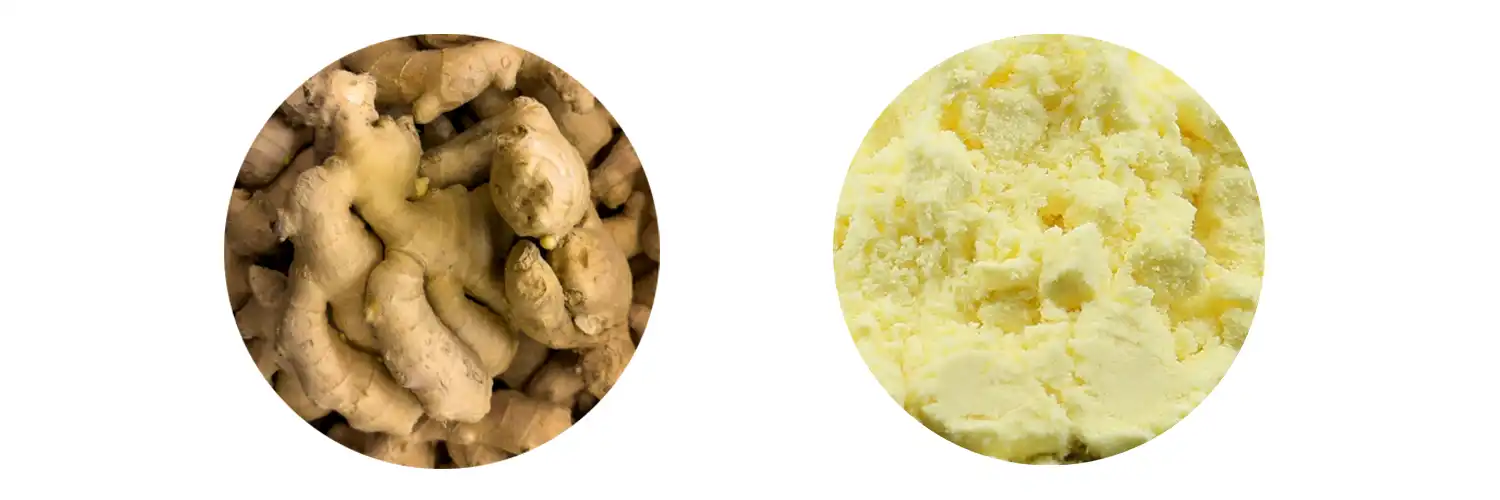
Water-soluble ginger powder advances the plant extraction technique. One solution was found for the water incompatibility of raw ginger oleoresins. The powder dissolves rapidly and completely in water, although gingerol, gingerene, and volatile oils are significant medicinal compounds. The plants can be spray-dried or placed in maltodextrin or gum acacia capsules.
Production Process and Quality Specifications
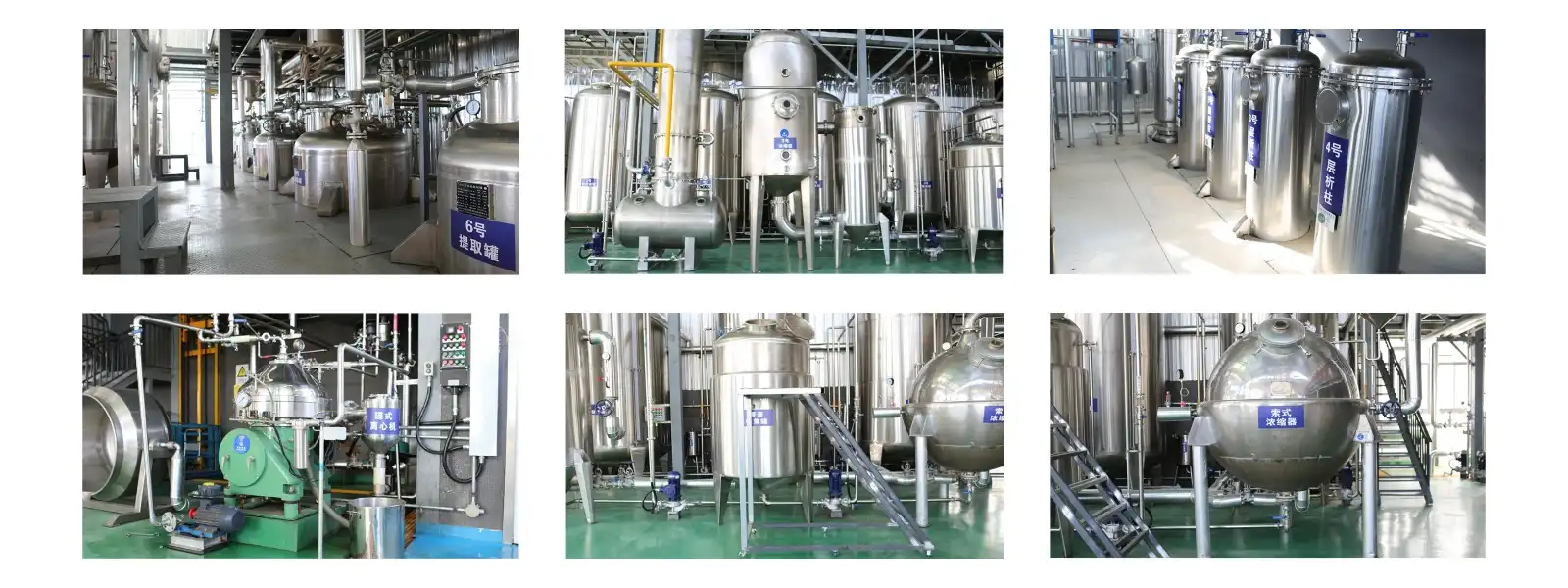
Ginger roots must be carefully selected. After that, a liquid is added to the roots to extract antioxidants. The extract is then combined with water-soluble carriers. The mixture is sprayed dry at specified temperatures to safeguard heat-sensitive compounds. HPLC analysis produced a fine, light yellow to brownish yellow powder with a constant 1% gingerol. Standards ensure that every batch is the same, which is crucial for mass production. Powder dissolves fully in water, creating clear to slightly hazy solutions. For preparing several beverages, it must stay firm under acidic, alkaline, and hot environments.
Active Compounds and Nutritional Profile
Ginger's flavor and health advantages come from gingerols and shogaols. Bioactivity comes from these substances. Gingerol modulates bowel movement via the CNS. It also widens peripheral blood arteries to promote circulation. The stomach lining produces prostaglandins from these substances. This strengthens stomach walls, breaks down fat faster, and releases more gastric enzymes. The Water soluble ginger powder natural antibacterial and antiviral properties help combat respiratory ailments in changing weather. For beverages, use 0.1%–0.5%, and for shots, up to 2%. Due to safety and dosing guidelines. This ensures medication efficacy and safety.
Key Applications of Water-Soluble Ginger Powder in Food and Beverage Manufacturing
Soluble ginger extract may be used in numerous applications, each with its own technical and flavor benefits. Companies utilize this component to address customer demand for natural, beneficial additions that don't affect product quality or appearance. Water-soluble ginger powder overcomes RTD beverage recipe concerns in the fast-growing industry.
Functional Beverages and Ready-to-Drink Formulations
To aid post-workout recovery, energy drinks contain gingerol powder, which reduces muscular discomfort and nausea. The ingredient stays clear, making it excellent for digestive beverages. This removes sediment rings in raw ginger recipes. Ginger drink and kombucha makers enjoy that the taste intensity is consistent. The measured extract lacks the variations that occur when raw ginger is treated. Use the powder in citrus-based recipes without breaking down because it doesn't alter when acidic (pH 3.5–7.0).
Instant Tea Blends and Single-Serve Stick Packs
Dry blend ingredients must flow and degrade fast. Adding soluble ginger powder, plant extracts, sugar, and tea leaves to fast herbal drinks is simple. When added to water, it melts fast and makes a smooth, uniform drink. Grounded ginger powder gives beverages a grainy or floating texture. This attribute is especially advantageous for high-end tea stick packs offered in health shops, as happy consumers directly affect brand perception. The powder blends nicely with honey, ginger extract, and lemon powder, making it ideal for immune-boosting combinations.
Comparing Water-Soluble Ginger Powder with Alternative Ginger Formats
Before buying something, assess how its format-specific characteristics fit the production goals and end-product criteria. Ginger powders and essential oils have pros and cons for workplace use. Water soluble ginger powder encases the carrier to solve these concerns.
Conventional Ginger Powder versus Water-Soluble Variants
Traditional powdered ginger powder's starches and fibers don't break readily and settle rapidly, clouding beverages. This requires constant mixing of the powder throughout processing. This type works well for baking and salt but not clear drinking systems because of its dryness. Powder becomes transparent and uniformly distributed. A continuous 1% gingerol concentration makes the liquid form superior at dosing since it maintains strength. However, regular powder varies naturally depending on the crop, harvest, and storage.
Ginger Oil and Oleoresins in Industrial Use
Ginger's strong scent and flavor originate from essential oils and oleoresins, which are difficult to create. These lipophilic substances need emulsifiers or alcohol-based fluids to blend into beverages. It makes the procedure harder and raises ingredient prices. Long-term storage and burning destabilize oils. They can be used in sweets and beverages with alcohol, but water-soluble powder is easier to handle and has a clean label. Powder-based systems seldom clog high-speed canning nozzles, whereas oil-based systems invariably do. It reduces delays and repair costs.
How to Select and Source Water-Soluble Ginger Powder for Food and Beverage Production
When buying strategically, you analyze technical specifics and supplier capabilities to ensure product quality and supply chain efficiency. Buyers must set clear criteria that meet production objectives and legal constraints. Water-soluble ginger powder for Cooking and Drinking requires careful evaluation.
Essential Quality Metrics and Testing Standards
Pureness is very crucial, and the best varieties have few carriers relative to the active material. Because of the average gingerol content (1%, HPLC), each batch is identical. This matters for nutrition labeling and efficiency claims. After standing, the liquids should be clear, and all particles should dissolve in 30 seconds at room temperature. Less than 5% moisture prevents clumping and increases shelf life. Businesses that create items in damp regions need this. Plate counts, yeast/mold counts, and microbe counts must fulfill FDA, EU, and target market food-grade microbiological criteria.
Bulk Purchasing Considerations and Logistics
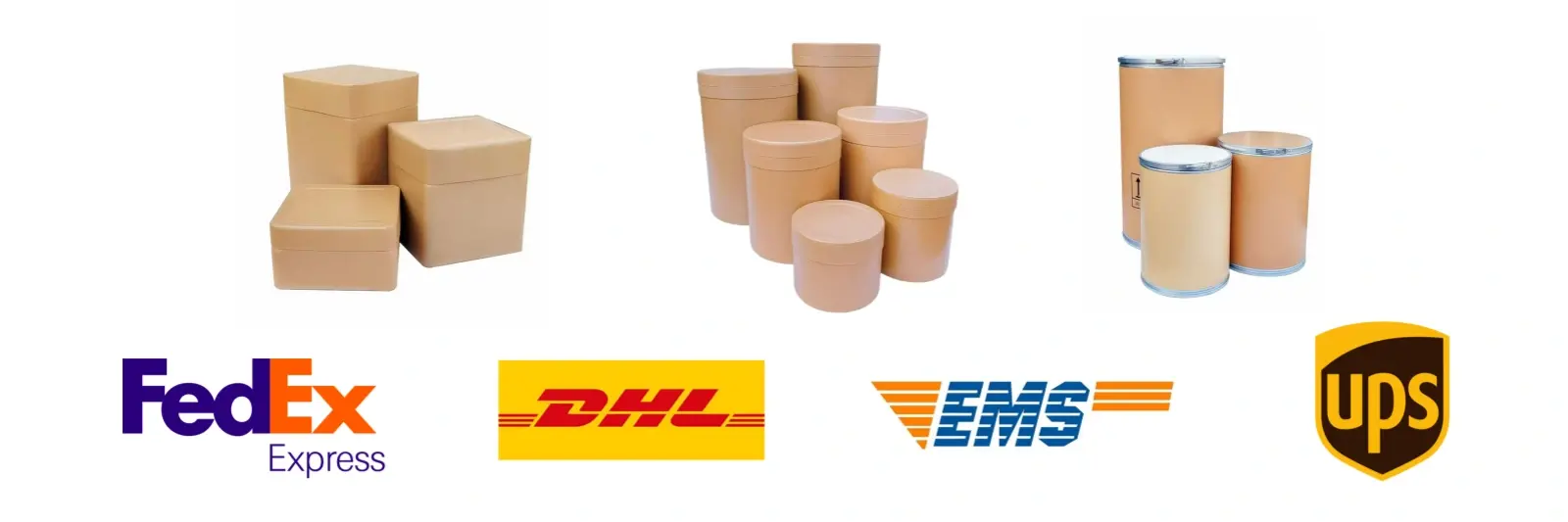
Sometimes, 1 kilogram is the smallest test order. Larger purchases are packed in 25-kilogram fiber drums to save space and simplify shipment. Delivery terms range from EXW (Ex Works) to DDP, so customers may find offers that meet their budgets and shipping demands. Free on Board arrangements are popular with freight forwarders. CIF conditions make doing business with foreigners easier because the seller covers all shipping expenses. In business, wire transfer (T/T) is the most used payment method. For large projects, letter of credit agreements may be viable if the parties have worked together before. You may ship via air, sea, or train to suit your needs and budget. Sea freight is usually the cheapest route to send things over 500 kg.
Best Practices for Utilizing Water-Soluble Ginger Powder in Production
When materials are used well, product quality and cost-effectiveness improve. Manufacturers must develop regular methods for handling, dosing, mixing, and checking product quality throughout production. Water soluble ginger powder manufacturing best practices are essential for optimal results.
Dosing Protocols and Mixing Techniques
The ideal dose depends on the product you want to manufacture and how powerful it tastes. Most functional drinks comprise 0.1%–0.3% ginger powder by weight. This highlights the key flavors without overpowering them. For substantial gastrointestinal effects, therapeutic injections may include up to 2%. Before dry-blending, add sugar or dry ingredients to help the mixture spread and stop sticking. Liquid systems are thoroughly hydrated without foaming when mixed slowly (200–400 rpm). Because it melts in cold water, it may be blended without cooking. This protects heat-sensitive compounds and saves energy.
Thermal Management and Process Integration
It claims to be thermally stable, gingerol levels may diminish after prolonged exposure to temperatures exceeding 85°C. A pasteurized drink manufacturer should add the powder after heating or use flash pasteurization to heat faster. Keeping hot fill between 75°C and 80°C protects bioactivity and germs. The powder is stable at both acidic and basic pH levels, making it easier to use in neutral-pH functional fluids and low-pH sports drinks (pH 3.2–3.5).
Conclusion
Food and drink firms that aim to fulfill customer demand for clean-label goods benefit from Water Soluble Ginger Powder. Long-standing formulation difficulties are resolved by its total water dissolution and consistent bioactive release through gingerol and associated compounds. This ingredient is vital for quality and innovative companies since it may be utilized in RTD drinks, fast mixes, sweets, and dry products. Before buying from a provider, customers should evaluate their credentials, capabilities, and compatibility. By adopting dosage, temperature, and quality control best practices, manufacturers may differentiate their products and boost efficiency. This helps them determine their market position.
FAQ
1. How does Water Soluble Ginger Powder improve product versatility compared to traditional ginger formats?
Water-soluble ginger powder's engineered solubility allows it to be utilized in clear liquids, dry-blended foods, and desserts, where normal ginger powder would settle to the bottom and change texture. All products have the same gingerol strength due to standardization. This supports its health claims.
2. What certifications should buyers prioritize when sourcing for the U.S. and EU markets?
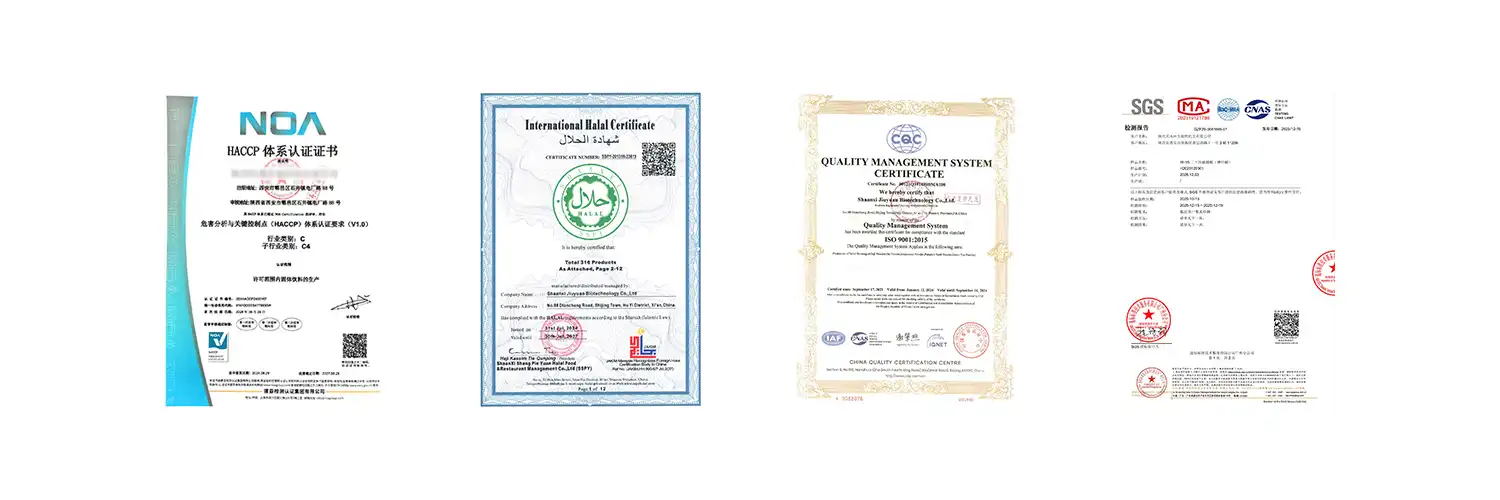
ISO9001 accreditation ensures quality, FDA registration ensures U.S. safety, and organic designations (USDA Organic, EU Organic) add a luxury touch. Kosher and Halal businesses may reach more clients, and outside testing bodies that validate contamination levels assist in ensuring compliance.
3. Does the powder maintain stability in both hot and cold beverage applications?
Powder is stable below 85°C under regular processing. Hot beverages, cold-pressed juices, and functional waters may be made at room temperature using it since it combines well with cold water. With a pH of 3.5 to 7.0, it may be utilized in acidic and basic solutions without crystallizing.
Partner with HERBCOSHER for Premium Water Soluble Ginger Powder Supply
If you want to improve drink and supplement formulations, you need a reliable water soluble ginger powder source. HERBCOSHER has been making plant extracts for over 20 years. Its modern production facilities fulfill ISO9001, GMP, FDA, Kosher, and Halal requirements. They also do R&D with top Chinese colleges. We tested our 1% gingerol powder with HPLC. It ships from our warehouse in 15 business days for large orders and bespoke OEM/ODM recipes. We make adding this game-changing element to your manufacturing processes easy with various shipping terms (EXW, FOB, CIF, DDP) and skilled product formulation guidance. To order samples, discuss special mixes, or receive discounted rates, email info@herbcosher.com.
References
1. Chen, L., & Zhang, H. (2021). Functional Properties of Encapsulated Ginger Extracts in Beverage Applications. Journal of Food Science and Technology, 58(4), 1342-1351.
2. Patel, R. K., & Sharma, V. (2020). Comparative Analysis of Ginger Extract Formats for Industrial Food Production. International Journal of Food Engineering, 16(3), 225-238.
3. Thompson, M. D. (2022). Spray-Drying Technologies for Bioactive Botanical Ingredients: Quality and Stability Considerations. Food Processing and Preservation Quarterly, 29(2), 78-94.
4. Liu, Y., & Wang, S. (2019). Gingerol Bioavailability and Therapeutic Applications in Functional Foods. Nutrients and Phytochemicals Review, 12(1), 112-127.
5. Anderson, K. P. (2021). Regulatory Compliance and Certification Standards for Botanical Extracts in U.S. and EU Markets. Food Safety and Quality Management Journal, 34(6), 445-460.
6. Mitchell, A. B., & Torres, J. (2020). Production Optimization Strategies for Water-Soluble Plant Extracts in Beverage Manufacturing. Industrial Food Technology Reports, 18(4), 302-318.