



Ginger Extract: A Hidden Gem in Dietary Supplements
Natural Ginger Extract has quietly become a global dietary supplement staple. The standardized gingerol content from 5% to 25% from Zingiber officinale tackles industrial difficulties such batch variability, low bioavailability, and formulation instability. As B2B procurement specialists look for reliable, science-backed ingredients, ginger extract stands out for its therapeutic versatility in nutraceuticals, functional beverages, cosmeceuticals, and clean-label food formulations. This article discusses how premium ginger extract may enhance your product line and how to deal with consistent, compliant, and competitive suppliers.
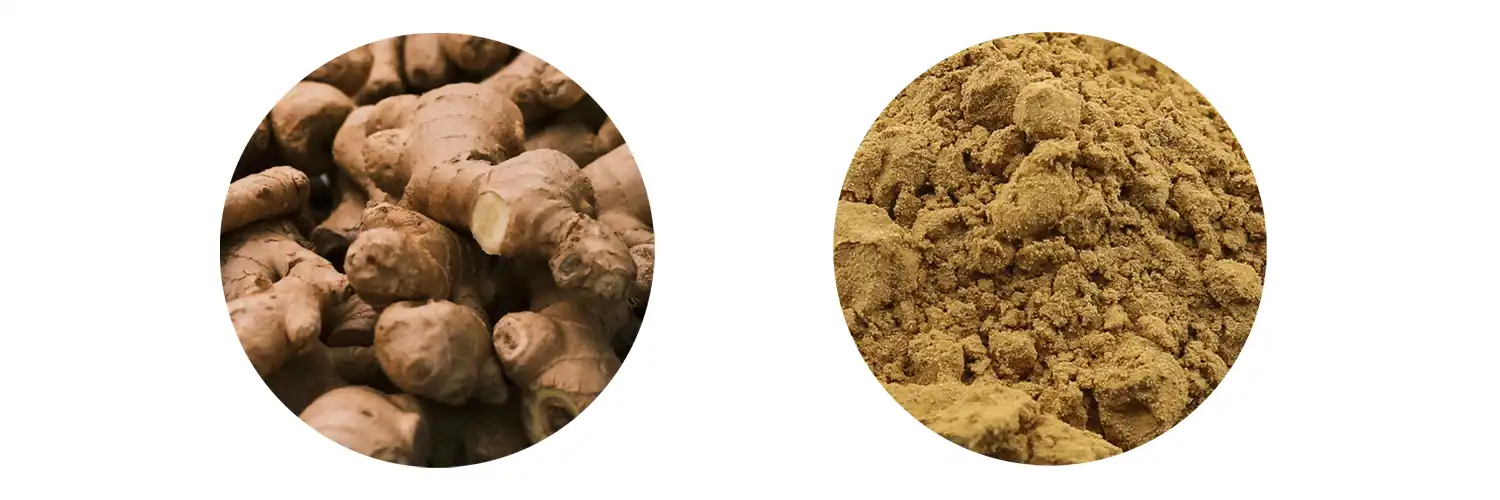
What Is Natural Ginger Extract and Why Does It Matter in Health Supplements
Natural Ginger Extract is a concentrated bioactive formulation made using modern plant extraction processes, mostly solvent (ethanol or water) and supercritical CO2. These procedures extract pharmacologically active chemicals, including gingerols (6-, 8-, 10-gingerol) and shogaols, which provide specific health advantages unmatched by raw ginger powder.
Advanced Extraction Methods Preserve Potency
HPLC-validated gingerol levels in standardized extracts ensure accurate dosing and effectiveness. Raw ginger has 0.5%–1.5% active compounds. Ginger's synergistic "entourage effect" is sustained by supercritical CO2 extraction of oleoresin-grade products with 2%–5% volatile oil. Solvent-based methods provide light yellow to brownish-yellow fine powders with good organic solvent solubility for various formulations.
Key Health Benefits Backed by Science
Clinical investigations show ginger extract decreases inflammation, oxidative stress, and digestive difficulties. Gingerols inhibit COX-2 pathways, making the extract a natural joint anti-inflammatory. The extract's central and peripheral nervous system receptor modification reduces nausea without medication. Gingerol increases stomach acid and gastrointestinal motility, improving indigestion, bloating, and appetite loss.
Comparing Natural Ginger Extract with Alternative Ginger Products
B2B ginger ingredient purchasers of Natural Ginger Extract must comprehend key differences that affect product performance, production efficiency, and market positioning.
Extract vs. Raw Ginger Powder
Variable potency, high microbial loads, and fibrous insolubles reduce raw ginger powder bioavailability. Standardized extracts solve these problems by offering concentrated actives in low-dose forms—a 500mg pill of 5% gingerol extract is as effective as many kilograms of raw material. The extract's moisture content below 5% and bulk density of 0.40-0.60 g/ml make it tabletable and capsule-stabile.
Synthetic vs. Natural Sourcing
Synthetic gingerol analogs lack the phytochemical matrix of plant-derived extracts, reducing the entourage effect essential for medicinal effects. Natural extracts increase absorption and inflammation using gingiberene and beta-sesquiphellandrene. Consumer desire for clean-label, non-GMO goods makes Natural Ginger Extract more popular than synthetic.
Organic Certification: A Competitive Differentiator
USDA NOP and EU Organic pesticide-free ginger extract satisfies premium brand chemical-free ingredient deck standards. Organic certification provides supply chain data that attracts health-conscious consumers and boosts premium product positioning. Conventional extracts are safe.
How to Select and Source the Best Natural Ginger Extract for Your Business
Essential Quality Parameters
Order HPLC-verified gingerol content certifications for 5%, 10%, or 20% standardization. See USP, EP, or target market-compliant heavy metal (lead, arsenic, mercury), microbiological (total plate count, yeast, mold), and pesticide residue screenings. Ethanol-soluble grades are ideal for encapsulation, water-dispersible for drinks. Finding high-quality Natural Ginger Extract demands technological evaluation.
Certification and Compliance Infrastructure
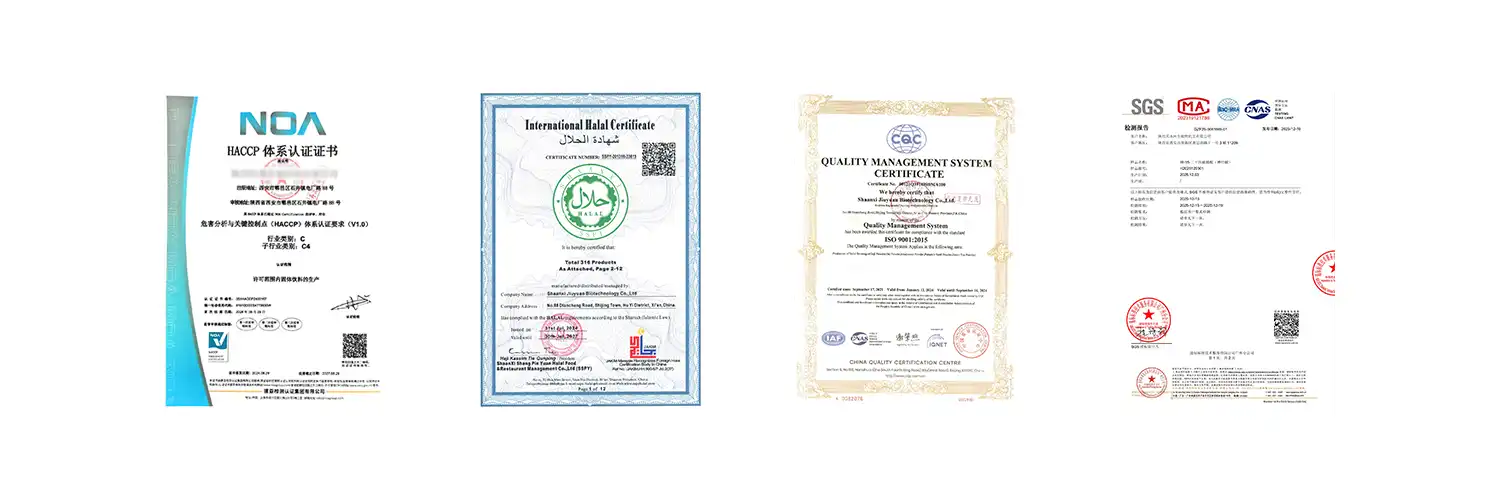
Choose ISO9001, GMP, FDA-registered, Kosher, and Halal organizations with solid quality management. USDA and EU organic certifications access premium markets but need supply chain traceability. Ensure suppliers deliver batch-specific CoAs and certified lab testing validation.
Pricing Structures and Minimum Order Quantities
Depending on gingerol content, organic designation, and order amount, the bulk cost of Natural Ginger Extract is 25–25–60 per kilogram. With a 1-kilogram minimum order quantity (MOQ) for Natural Ginger Extract, suppliers may accommodate beginning R&D and formulation experiments, while 25 kg drum packaging of Natural Ginger Extract suits production-scale buying. To precisely calculate landing costs for Natural Ginger Extract, provide FOB, CIF, or DDP.
The Manufacturing and Quality Assurance Behind Premium Natural Ginger Extract
Extraction and Standardization Processes
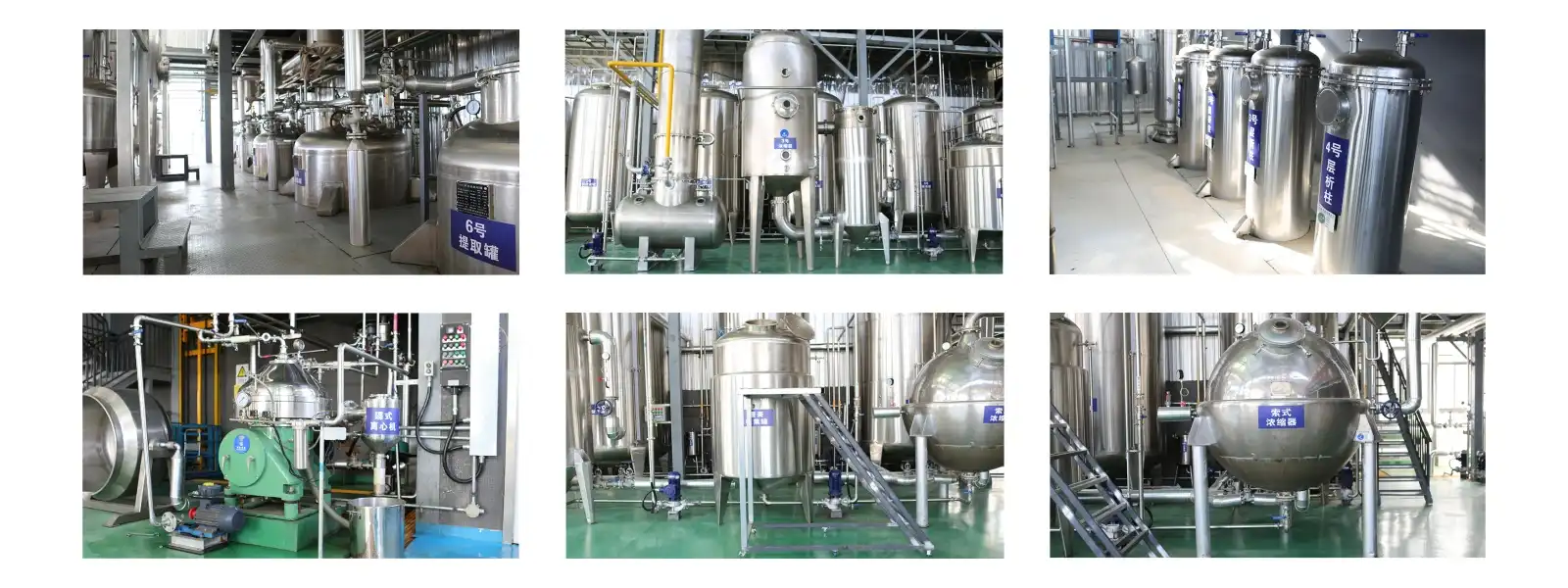
Premium manufacturers utilize solvent ratios, temperatures, and residence times to enhance gingerol recovery and limit deterioration. For uniform formulation dispersion, post-extraction, concentration, and spray-drying produce 80-100 mesh fine powders. Continuous HPLC monitoring throughout manufacture provides Natural Ginger Extract batch-to-batch homogeneity.
Multi-Tier Quality Testing
Raw material inspection tests ginger rhizomes for species, moisture, and contamination. During production, pH, density, and active ingredient concentration are monitored. Finished product testing comprises identity confirmation (TLC, HPLC), purity analysis (heavy metals, solvents, pesticides), microbiological safety (USP <61>, <62>), and stability studies following ICH guidelines.
International Certification Standards
ISO9001 mandates documented processes, internal audits, and corrections. GMP compliance ensures pharmaceutical-grade facility design, equipment validation, and personnel training. FDA registration prepares imports for U.S. markets, while Kosher and Halal certifications satisfy consumer dietary needs.
Case Study: Leading Brand Success Through Quality Focus
One major North American supplement company shifted from raw ginger powder to standardized 10% gingerol from a certified Chinese supplier. Pharmacokinetic experiments showed 70% dosage reduction, 40% bioavailability gain, and no batch-to-batch variability. Quality sourcing reduced product returns by 85% and increased customer satisfaction from 3.8 to 4.7 stars in six months.
Maximizing the Value of Natural Ginger Extract in Product Development
Dosage Optimization Across Applications
Joint support pills may include 500-1,000 mg of 10% gingerol extract, while digestive health supplements contain 250-500 mg. Due to its intense taste, functional beverage shots use 100-200 mg for taste and effectiveness. Topical cosmeceuticals warm skin without irritation with 2-5% oleoresin. Natural Ginger Extract dosage must be carefully balanced for palatability.
Enhanced Bioavailability Through Novel Delivery Systems
Encapsulating gingerol in liposomes protects it from the acidic stomach environment, improving cellular uptake. Microcapsule technologies hide pungency, allowing larger tablet and gummy doses without affecting taste. Nano-emulsion products increase water dispersibility for ready-to-drink drinks, reducing sedimentation and retaining clarity.
Regulatory Compliance Considerations
According to the FDA's DSHEA standards, U.S. dietary supplements must support structure/function claims and be GRAS for innovative uses. European markets require a Novel Food license for new delivery formats and health claim compliance with EU rule 1924/2006. Documenting safe usage levels and toxicological streamlines regulatory clearances and market launch.
Market Growth Projections and Emerging Trends
Clean-label movement, preventative health awareness, and digestive wellness trends propel the global ginger extract market growth over 7% through 2030. Ginger is being added to beauty-from-within cosmetics and sports nutrition products for anti-inflammatory recovery. Natural alternatives to synthetic actives are in demand due to plant-based and vegan products.
Conclusion
Natural Ginger Extract solves formulation problems for nutritional supplement, functional beverage, and cosmeceutical companies, not just a fashionable component. Standardized gingerol content improves batch consistency, concentrated bioactives enable low-dose effectiveness, and various solubility profiles permit cross-category uses. Successful procurement requires vendors with proven quality processes, international certifications, and responsive service infrastructure. As consumer demand for science-backed, clean-label ingredients rises, collaborating with dependable ginger extract producers allows your brand to capitalize on market growth while improving customer health.
FAQ
1. What differentiates natural ginger extract from ginger essential oil?
Dietary supplements in Natural Ginger Extract with HPLC-standardized gingerol concentrations (5%-25%) show therapeutic effects. Ginger essential oil includes volatile aromatic compounds like zingiberene and minimal gingerol, making it appropriate for flavoring and aromatherapy but not clinical health.
2. How can I verify supplier quality and authenticity?
Get certified third-party gingerol testing utilizing HPLC, heavy metal screening, pesticide residue analysis, and microbiological limitations. Check ISO9001, GMP, and FDA facility certifications. Reliable vendors provide batch-specific Certificates of Analysis for factory audits. Initial sample orders assess formulation compatibility before bulk purchases.
3. Are there safety concerns or side effects with ginger extract supplementation?
Clinical studies show ginger extract supplements (250-1,000 mg daily) are safe. High doses may cause minor gastrointestinal problems. Due of blood-thinning interactions, anticoagulant users should see physicians. Use and contraindication guidance from quality suppliers helps label products responsibly.
Partner with HERBCOSHER for Reliable Natural Ginger Extract Supply
B2B clients seeking a reliable Natural Ginger Extract provider may trust Shaanxi Herbcosher Phychemistry Co., Ltd.'s 20 years of phytochemical experience. Our modern production facility provides standardized gingerol extracts with 5% to 25% content, validated by HPLC and certified by ISO9001, GMP, FDA, Kosher, and Halal. Our 4,000-5,000 square meters warehouse and extensive inventory allow us to fulfill bulk orders within 15 working days and support R&D purchases as little as 1 kilogram. Our collaborations with Northwest A&F University and Northwest University fuel continuous innovation in extraction technology and formulation development. Our quick technical and sales teams assist your procurement process with unique OEM/ODM solutions, organic certifications, and flexible packaging in 25-kilogram drums. Contact info@herbcosher.com to obtain samples, talk volume pricing, or learn how our extract for sale may improve your product portfolio with quality and competitive edge.
References
1. Grzanna, R., Lindmark, L., & Frondoza, C.G. (2005). "Ginger—An Herbal Medicinal Product with Broad Anti-Inflammatory Actions." Journal of Medicinal Food, 8(2), 125-132.
2. Mashhadi, N.S., Ghiasvand, R., Askari, G., Hariri, M., Darvishi, L., & Mofid, M.R. (2013). "Anti-Oxidative and Anti-Inflammatory Effects of Ginger in Health and Physical Activity: Review of Current Evidence." International Journal of Preventive Medicine, 4(Suppl 1), S36-S42.
3. Palatty, P.L., Haniadka, R., Valder, B., Arora, R., & Baliga, M.S. (2013). "Ginger in the Prevention of Nausea and Vomiting: A Review." Critical Reviews in Food Science and Nutrition, 53(7), 659-669.
4. Semwal, R.B., Semwal, D.K., Combrinck, S., & Viljoen, A.M. (2015). "Gingerols and Shogaols: Important Nutraceutical Principles from Ginger." Phytochemistry, 117, 554-568.
5. Lakhan, S.E., Ford, C.T., & Tepper, D. (2015). "Zingiberaceae Extracts for Pain: A Systematic Review and Meta-Analysis." Nutrition Journal, 14, 50.
6. Prasad, S. & Tyagi, A.K. (2015). "Ginger and Its Constituents: Role in Prevention and Treatment of Gastrointestinal Cancer." Gastroenterology Research and Practice, Volume 2015, Article ID 142979.