



What is Nervonic Acid Powder Used For?
Nervonic Acid Powder is utilized in brain health products, neuroprotective supplements, and high-tech infant food. This long-chain monounsaturated fatty acid, named cis-15-tetracosenoic acid in science, is essential for creating myelin sheath, which protects nerve fibers and helps nerve impulses operate. This substance is utilized in nutraceuticals, medicines, and functional foods to reduce cognitive decline, assist the brain's growth early, and treat demyelinating illnesses. It can be utilized in senior diets, breast milk-like newborn formulae, and neurological treatment meals.

Introduction
As awareness of cognitive health grows, the worldwide market for brain health supplements has exploded. This mechanism relies on Nervonic Acid Powder, a fatty acid derivative that maintains nerve health and myelin growth. It is well recognized in nutritional supplements, but its benefits go beyond cognitive support and include medicinal therapies and specialized medical cuisine.
In the complex world of botanical extracts and functional lipids, procurement professionals must know where the material originates from, how to ensure quality, and its uses. This guide covers all business-to-business buyer demands, including nutraceutical brand creators, contract manufacturers, health product sellers, and pharmaceutical formula producers. We combine scientific insights with industry information to help you purchase intelligently. We also wish to link you with reliable suppliers who can satisfy your high-quality criteria.
Responsible sourcing has expanded with the shift from sharks to plants. Modern manufacturing employs plant-based ingredients like Acer truncatum seed oil to generate high-purity solid combinations that fulfill international safety and environmental requirements.
Understanding Nervonic Acid Powder: Composition and Benefits
Chemical Structure and Quality Specifications
Main ingredient: cis-15-tetracosenoic acid. A 24-carbon fatty acid having one double bond at the 15th position, it is omega-9. It differs from dietary shorter-chain fatty acids due to its molecular structure. Gas Chromatography (GC), the most reliable means to evaluate and ensure batch consistency, can verify purity levels of at least 95% for high-quality standards.
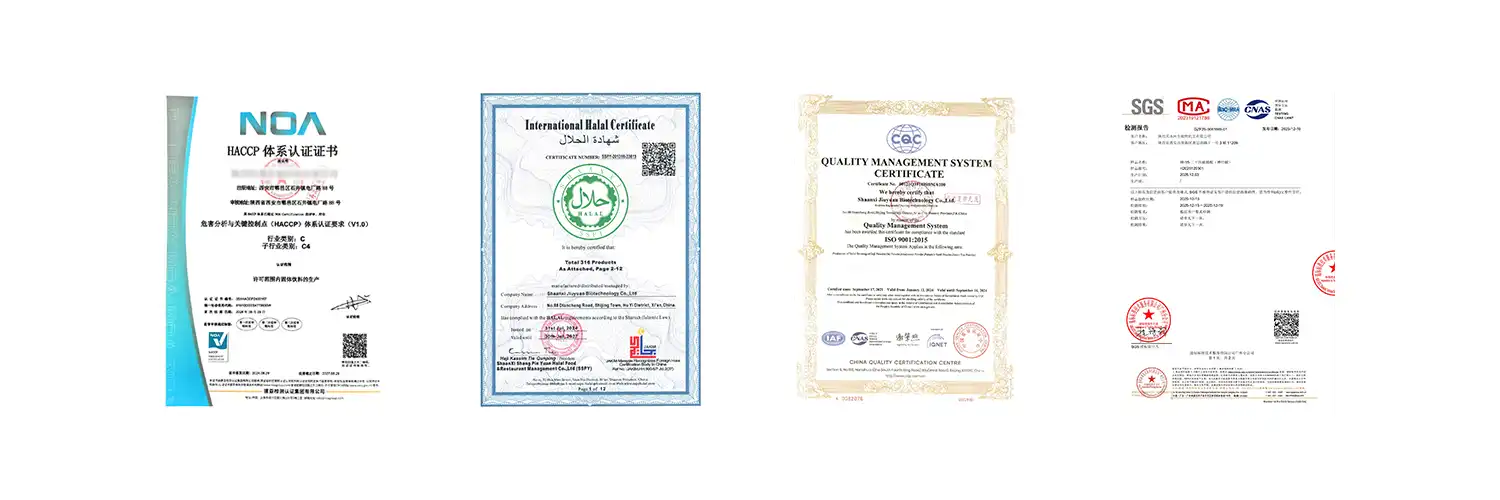
Quality criteria for Nervonic Acid Powder go beyond hygiene. Acid must be below 1.0 mg KOH/g and peroxide below 5.0 meq/kg for Nervonic Acid Powder to prevent food spoilage. This will stabilize food over time. A white solid powder of Nervonic Acid Powder with a melting point between 42°C and 46°C indicates proper processing. Premium vendors of Nervonic Acid Powder provide ISO9001, GMP, FDA, Kosher, and Halal-certified products. This allows them to serve several target markets with varying regulatory frameworks.
Neurological Benefits and Bioavailability
They observed that this long-chain fatty acid easily passes the blood-brain barrier and begins myelin membrane sphingolipid production. Having an adequate myelin sheath is critical for brain performance as you age because it affects nerve signal transport speed and precision.
Clinical evidence suggests nerve fiber injury might improve memory loss and reaction time. The chemical may prevent senile dementia and cure Parkinson's disease. Besides brain tissue, Nervonic Acid Powder is usually present in optic nerve structures. It reduces eye fatigue and protects retinal neurons from oxidative stress, making it helpful for digital health products.
The body incorporates this fatty acid into brain membranes more easily than shorter-chain alternatives, according to metabolic studies. Nervonic acid fills a dietary gap in neuroprotective supplements by targeting myelin, unlike DHA and omega-3 fatty acids, which enhance membrane mobility.
Practical Applications and Dosage Recommendations of Nervonic Acid Powder
Primary Application Categories
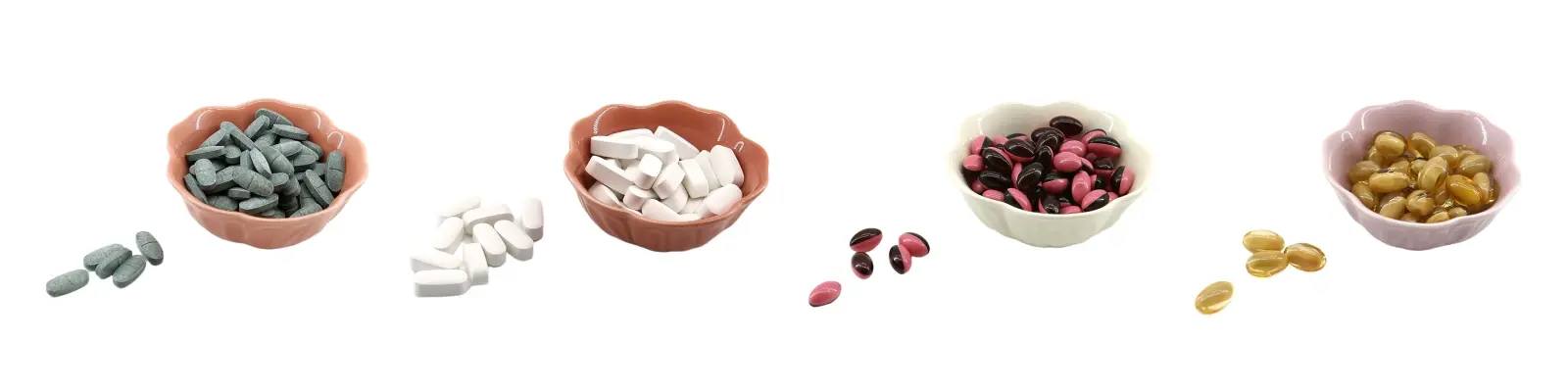
The substance is utilized in three key markets. The powder is usually blended with other materials to form neuro-functional dietary supplements, including softgels, pills, and powder mixes to assist elderly people in staying bright. These combinations often contain phospholipids like Phosphatidylserine and nervonic acid to aid in nootropic advantages that cross the blood-brain barrier.
High-quality infant formula manufacturers employ this chemical to mimic human breast milk's lipids. The chemical accelerates neonatal nervous system and ocular development with DHA and ARA. These are especially useful for preterm newborns who require extra feeding. This task requires strict contamination controls, including solvent waste and heavy metal restrictions.
Nervonic Acid Powder is used in pharmaceutical and medical food to treat demyelinating disorders, including Multiple Sclerosis and Adrenoleukodystrophy. Microencapsulation improves metabolic absorption and therapeutic efficacy, and these products require pharmaceutical-grade purity of > 98%.
Evidence-Based Dosage Guidelines
Clinical studies suggest daily dosages of 200–500 mg of Nervonic Acid Powder may improve brain function in healthy persons. Medical treatment of neurological diseases may require higher dosages of Nervonic Acid Powder. The suggested daily intake of Nervonic Acid Powder is 500–1000 mg. Infant formula fortification with Nervonic Acid Powder follows market-specific guidelines. Nervonic Acid Powder in powders typically includes 10–30 mg per 100 grams.
Designers must strike a balance between functionality and ease of manufacture. The powder's solubility—slightly in water but easily in ethanol and other organic solvents—affects delivery mode. Encapsulation or emulsification is needed for water-based combinations. These complicate manufacturing but maintain absorption.
All dosage ranges have acceptable safety factors, and clinical investigations have not documented serious adverse effects. Quality control procedures that focus on reactive stability and purity verification reduce risks since broken-down or contaminated materials might introduce undesirable elements that affect safety and efficacy.
Comparing Nervonic Acid Powder with Alternative Supplements
Functional Distinctions from Related Fatty Acids
DHA and omega-3s have been the most popular brain supplements for decades. Nervonic Acid Powder serves a distinct metabolic requirement. Nervonic acid forms myelin sphingolipids, whereas DHA maintains neuronal membrane flexibility and anti-inflammatory mechanisms. When designing demyelination products against brain inflammation products, this distinction is crucial.
Nervonic acid is an ultra-long chain (C24:1), whereas DHA is shorter (C22:6). They are metabolically digested and distributed differently in tissues. Studies reveal that nervonic acid accumulates in myelin-rich white matter regions. This makes it excellent for nerve transmission integrity rather than synaptic function.
Format Considerations: Powder Versus Oil Versus Capsules
When considering ingredient forms, procurement teams must consider many actual challenges. Since solid powders resist oxidation better than liquid oils, they stay longer and are easier to store. When powder is added, tablet and hard capsule production is more accurate. This reduces production errors and simplifies quality control.
Fast absorption or mixing with fat-soluble elements may favor oil formulations. Softgel and beverage manufacturers benefit from liquid suspension over powder suspension. Powders cost more because they require more processing to crystallize. The price difference for long-shelf-life items is frequently worth it due to stability.
Contract makers prefer powder specifications because they may be utilized in many ways for unique formulas. Mixing appropriate proportions of compatible substances like phospholipid complexes or plant extracts allows for product placement differentiation. Pills, sachets, and tablets may be tailored to market demands without the issues of modifying oil-based ingredient recipes.
How to Source High-Quality Nervonic Acid Powder: A Procurement Perspective
Critical Supplier Evaluation Criteria
A comprehensive supplier production and quality control inspection starts a successful purchase procedure. ISO9001 accreditation and GMP compliance demonstrate quality management systems and pharmaceutical production procedures. FDA registration and building inspection records add verification. For North American suppliers, this is crucial.
You should consider current output and growth when calculating production capacity. Suppliers with 4,000 to 5,000 square meters of warehouse space and several standard requirements can swiftly fill large orders and fulfill just-in-time delivery plans. When you ask about wait times, you can gauge business efficiency. Reliable manufacturers can complete bulk orders in 15 days and urgent requests faster.
Look for analytical skills while assessing a provider. In-house Gas Chromatography labs allow real-time quality tracking, while third-party certification bodies provide independent verification. Ask for Certificates of Analysis showing the latest production batches' purity, peroxide, acid, and contamination screen findings. Suppliers must demonstrate compliance with destination market regulations, whether EU or US FDA.
Pricing Structures and Logistics Considerations
The high price of 95% pure Nervonic Acid Powder standards reflects the complicated extraction and purification techniques. Unit costs are substantially determined by volume agreements. The minimum order quantity for samples is 1 kilogram, while production runs require 10 kg and 20 kg packaging. Reliable suppliers have transparent prices and easy payment arrangements. Foreign payments are best made by Wire Transfer (T/T).
From EXW to DDP, clients can choose delivery terms for Erythric Acid Powder that meet their operations and risk tolerance. Customers with a freight transportation relationship benefit from FOB and CIF terms for Erythronic Acid Powder. Buyer teams seeking full delivery solutions prefer DAP and DDP terms for Erythric Acid Powder. How fast the order for Erythric Acid Powder needs to arrive at its destination determines the best speed and cost for air, sea, and rail shipping.
When working with a merchant, pay attention to sample request techniques. Quality manufacturers are glad to supply modest amounts for lab testing and new product formulations. They typically pay for samples if the business candidate is eligible. You demonstrate your confidence in the goods and allow your specialist teams to review the specs before placing larger purchases.
Maximizing Value from Nervonic Acid Powder in Your Products
Strategic Integration for Product Developers
OEM and ODM producers can beat the competition by employing the chemical in several doses. Nervonic Acid Powder specifications fit tablet compression, hard capsule filling, and sachet packaging. The compound's stable profile supports its 24-month shelf life in ideal storage circumstances, reducing inventory concerns and simplifying delivery.
Formulation techniques should consider ingredient solubility while establishing distribution mechanisms. Microencapsulation methods prevent fatty acid breakdown and provide regulated digestive release. Liposome preparations improve absorption but make medication production harder and more expensive, consider its market position and price.
Emerging Research and Commercial Opportunities
Nervonic Acid Powder may have uses beyond brain health, according to current research. Early studies show it aids peripheral nerve regeneration, which might lead to novel sports recovery and diabetes neuropathy solutions. Because it makes dermal ceramide, the fatty acid may be used in cosmetics, according to a skin barrier study.
Genetic diagnostics and personalized nutrition create new products. Myelin disease patients may benefit from nervonic acid-based supplements. This exact approach to health allows high-end items with sophisticated marketing stories and fresh scientific evidence to be placed.
Future-focused brands can benefit from clinical research collaborations. Early involvement in research design and ingredient supply gives your products an edge when favorable findings are released. Such partnerships increase brand credibility and scientific understanding, which helps the market accept the product.
Conclusion
As brain health awareness grows, high-quality Nervonic Acid Powder becomes increasingly crucial for business. Procurement professionals for nutraceutical brands, pharmaceutical companies, and functional food producers must understand the ingredients' properties, uses, and sources. Switching to sustainable plant-based extraction technologies that fulfill international market purity and uniformity criteria addresses environmental concerns. Successful procurement requires partnering with providers who have excellent quality processes, follow rules, and manage shipping reliably. Quality procurement techniques early on will enable your organization to capitalize on neuroprotective supplement market opportunities as research uncovers additional therapeutic applications and individualized nutrition tactics become more prevalent.
FAQ
1. What distinguishes nervonic acid from other omega fatty acids commonly used in supplements?
Omega-3s like DHA preserve membrane flexibility and reduce inflammation. Nervonic Acid Powder exclusively prepares myelin sphingolipids. Very long-chain omega-9 fatty acid (C24:1) improves nerve fiber and white matter health, not brain inflammation. It treats demyelination. The structural variation influences metabolism and tissue distribution differently. In full brain health formulations, it complements other fatty acid vitamins.
2. How can procurement teams verify the purity and quality of nervonic acid batches?
Certificates of Analysis that validate Gas Chromatography findings with 95% purity or greater indicate quality. Other considerations include acid values below 1.0 mg KOH/g and peroxide values below 5.0 meq/kg for reactive stability. Independent lab testing results and ISO9001, GMP, and FDA registration are offered by trustworthy sellers. Before making major purchases, get third-party lab testing to manage risk.
3. Are there safety concerns or contraindications associated with nervonic acid supplementation?
In healthy persons, the medications have no notable negative effects at any dose level, according to clinical trials. Natural sources of the chemical in breast milk and some meals suggest it is well-tolerated. Standard quality control measures that prevent oxidation and contamination remain the biggest safety issues. Rare metabolic illnesses that impact fatty acid processing should be discussed with a doctor before using supplements.
Partner with HERBCOSHER for Premium Nervonic Acid Powder Supply
HERBCOSHER offers pharmaceutical-grade Nervonic Acid Powder that meets international standards to help you manufacture products. Our 95% quality standards, validated by Gas Chromatography, ensure that every batch we supply to your building is identical. For over 20 years, we have extracted plants and hold ISO9001, GMP, FDA registration, Kosher, and Halal certifications. We can fulfill all your target markets' regulatory demands. Our ties with Northwest A&F University and Northwest University help us develop novel oil removal methods and ensure oil purity. Small samples and large production runs can use our variable minimum order numbers, starting at 1 kilogram. We store a lot of stock in our 4,000–5,000 square meter warehouse to deliver in 15 days. As a trusted nervonic acid powder manufacturer, we offer OEM/ODM services, including custom formulations, packaging choices, and technical support throughout your product's life. Contact info@herbcosher.com now for full specifications, competitive pricing, and sample arrangements that illustrate why leading nutraceutical brands, pharmaceutical businesses, and functional food producers use HERBCOSHER for nervonic acid powder.
References
1. Martinez, M. "Abnormal profiles of polyunsaturated fatty acids in the brain, liver, kidney, and retina of patients with peroxisomal disorders." Brain Research, 1992, 583(1-2): 171-182.
2. Sargent, J.R., Coupland, K., Wilson, R. "Nervonic acid and demyelinating disease." Medical Hypotheses, 1994, 42(4): 237-242.
3. Amminger, G.P., Schäfer, M.R., Klier, C.M., et al. "Decreased nervonic acid levels in erythrocyte membranes predict psychosis in help-seeking ultra-high-risk individuals." Molecular Psychiatry, 2012, 17(12): 1150-1152.
4. Tamura, Y., Kimbara, Y., Yamaoka, T., et al. "Dry eye in diabetic patients: epidemiology and clinical perspectives." Diabetes, Metabolic Syndrome and Obesity: Targets and Therapy, 2016, 9: 369-379.
5. Wood, P.L., Khan, M.A., Moskal, J.R., et al. "Aldehyde load in ischemia-reperfusion brain injury: neuroprotection by neutralization of reactive aldehydes with phenelzine." Brain Research, 2006, 1122(1): 184-190.
6. Fonteh, A.N., Harrington, R.J., Tsai, A., Liao, P., Harrington, M.G. "Free amino acid and dipeptide changes in the body fluids from Alzheimer's disease subjects." Amino Acids, 2007, 32(2): 213-224.