



How to choose the right rhodiola extract powder for your needs?
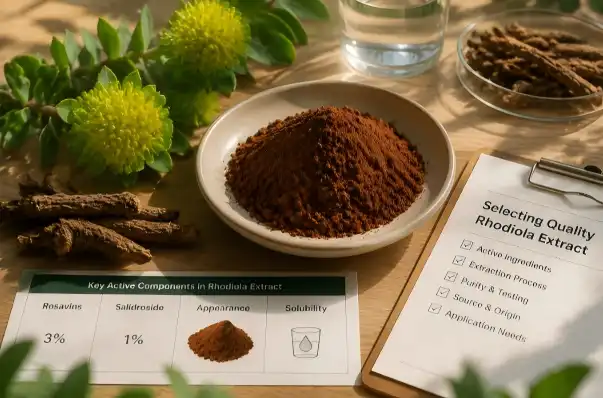
Selecting the right Rhodiola Extract Powder requires understanding critical quality markers, supplier credentials, and your specific application needs. The ideal product delivers standardized concentrations of Rosavins (3%) and Salidroside (1%), verified through HPLC testing, while meeting international certifications like ISO9001, GMP, and FDA standards. For B2B buyers, evaluating extraction methods, solubility profiles, and supplier flexibility determines whether the raw material aligns with your formulation goals and regulatory requirements across nutraceuticals, cosmetics, or functional food applications.
Introduction: Why Rhodiola Extract Powder Matters in B2B Procurement
Purchasing plant extracts presents continual difficulties for business-to-business customers. One major problem is that certain items could be false or not authentic, such as mistaking genuine Rhodiola rosea with Rhodiola renulata, a similar plant.Additionally, different batches may have different amounts of active chemicals, which might cause issues when producing goods.The taste is another problem as inferior extracts may have a sour or bitter flavor that detracts from the end product's attractiveness. There are a number of methods that are clear, difficulties, suppliers.Whether you're a distributor of wellness goods, an OEM/ODM supplier, or a producer of dietary supplements, this knowledge will help you make smarter choices that enhance your supply chain and product performance.
Understanding Rhodiola Extract Powder: Key Facts and Benefits
Botanical Origin and Extraction Methods
Rhodiola rosea, also called golden root or arctic root, grows in cold areas like the mountains of Asia and Europe.This plant is known for giving the most health benefits.The roots are collected after the plant has grown for three to five years,which helps the plant develop its active chemicals fully. Nowadays, advanced methods are used to make extracts.The plant material is soaked in a mix of alcohol and water.Then the mixture is dried and turned into a fine powder.The amount of plant used compared to the extract can be between 4:1 and 10:1. But the real way to check quality is through a test called High-Performance Liquid Chromatography, or HPLC. This test checks for two main active ingredients: Rosavins, which include rosavin, rosin, and roserin, and Salidroside.High-quality extracts have a ratio of 3:1 between Rosavins and Salidroside, which matches the plant's natural balance and makes the extract more effective.
Scientifically Backed Health Benefits
Rhodiola has been proven helpful in studies because it supports the HPA axis and changes key brain chemicals like serotonin, dopamine, and norepinephrine.It can reduce cortisol levels when someone is stressed, improve focus and mental clarity, increase energy at the cell level, protect cells from harmful free radicals, and help skin stay healthy by slowing aging and reducing damage from the sun.Because of these benefits, it is used in products that help with exercise performance and recovery, support concentration and stress management, and are included in skincare products to fight aging and protect the skin from sun damage.
Safety Considerations and Regulatory Compliance
Rhodiola Extract Powder demonstrates an excellent safety profile when used appropriately. Recommended dosages for supplement applications typically range from 200 to 600 milligrams daily, standardized to 3% Rosavins and 1% Salidroside. At these levels, adverse effects remain rare and mild, occasionally including dizziness or dry mouth in sensitive individuals.
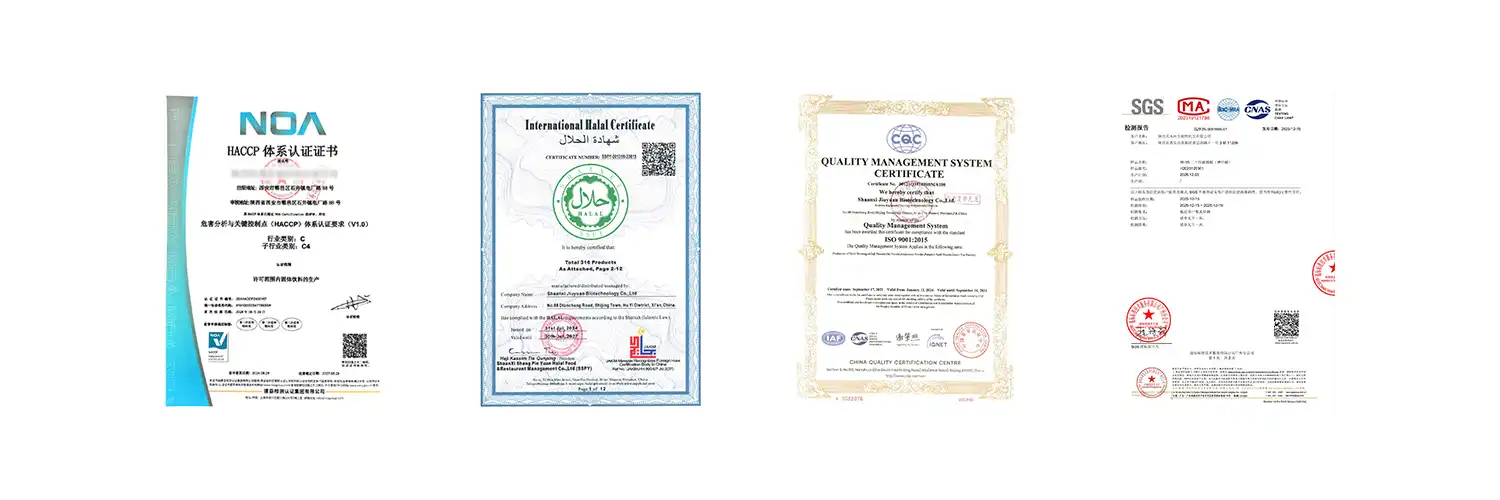
Regulatory rules differ from one market to another.In the United States, rhodiola is treated as a dietary supplement and is regulated by the FDA.This means manufacturers must follow Good Manufacturing Practices (GMP) and clearly list the active ingredients on labels.In the European Union, companies must meet Novel Foods regulations and provide information about the traditional use of the product.Getting organic certification from the USDA or EU adds extra value for products aimed at health-focused customers. For business-to business buyers, supplier certifications are very important for ensuring quality. ISO9001 demonstrates that a business has a robust quality management system in place.GMP accreditation indicates that the business manufactures pharmaceuticals in accordance with stringent guidelines.Reaching clients who adhere to certain religious dietary regulations is made easier by certifications like Halal and Kosher.In addition to ensuring product quality, these certifications facilitate product approval in other nations.
Criteria for Selecting the Right Rhodiola Extract Powder
Defining Your Procurement Scenario
Choosing what to purchase is based on how the product will be utilized and how the business operates.Businesses that manufacture health goods are concerned with maintaining a consistent particle size, powder flow, and quantity of active chemicals.Businesses that produce cosmetics are concerned with how effectively the substance dissolves and maintains its color.Large purchasers want sufficient storage capacity to keep supplies stable, whereas small purchasers require reduced minimum order sizes and assistance with technical inquiries.Quick adjustments are necessary to satisfy the demands of partners that produce bespoke goods.Salad Safe Salad Safe Salad Safe Salad Safe Salad Safe Salad Safe Neutritional Neutritional Neutritional Neutritional needs.
Critical Quality Metrics and Testing
Bioactive markers are used to verify critical quality, and lot-specific CoAs and HPLC are used to establish that high-quality Rhodiola Extract Powder contains 1% Salidroside and 3% Rosavins.Visual indicators of high quality include a brownish-yellow tint, homogeneous particle size between 80 and 100 mesh, and a little scent.The product, the water, the product, the product, the product, the product.To ensure safety, it must pass third-party testing for heavy metals, pesticides, microbes, and aflatoxins, and meet the limits set by USP or European Pharmacopoeia to guarantee safe and consistent use.
Evaluating Supplier Credentials and Capabilities
Supplier assessment looks at topics like FDA registration for adhering to regulations, GMP for pharmaceutical standards, and ISO9001, which is about quality management.Certifications like Kosher and Halal aid in expanding clientele and fostering confidence.Verifying if the supplier is genuinely producing the product or only serving as a middleman is crucial.Additionally, consider their production capacity, the length of time it takes to get the items (ideally within 15 days), and the quality of their research and development.Having a clear and transparent supply chain, with traceable rhodiola coming from places like Tibet and Xinjiang, helps make sure the raw materials are good quality, consistent, and lowers the risk of supply problems.
Pricing Structures and Contract Terms
The price considers how much of the active ingredients are present, how the product is made, whether it's certified, and how well it's tested.Extracts that have a standardized 3% Rosavins and 1% Salidroside content cost more, but they are higher quality and more reliable, which can save money on checking quality later.Trade terms like EXW, FOB, CIF, DAP, or DDP decide who pays for shipping and who takes care of the shipping process.Usually, payment is split into 30% upfront and 70% after delivery, but for larger or trusted orders, you might use net terms or a letter of credit.The smallest order amount starts at 1 to 100 kg, and you can often get better prices and more options by buying several products together.
Comparing Rhodiola Extract Powder Options on the Market
Powder Versus Capsule Forms
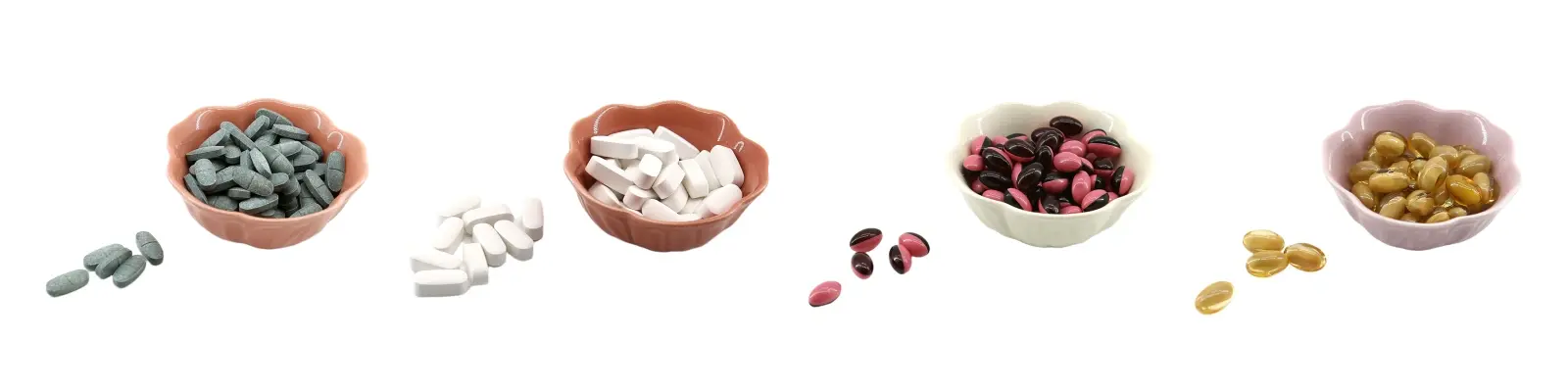
Rhodiola Extract Powder offers maximum formulation flexibility for B2B buyers. The raw powder format allows precise dosage customization, blending with complementary ingredients like Ashwagandha or Eleuthero, and incorporation into diverse delivery systems including capsules, tablets, sachets, and beverages. Manufacturing operations benefit from bulk powder's extended shelf life when stored properly in cool, dry conditions away from direct light. The powder form also delivers cost advantages, as buyers avoid paying for encapsulation services they can perform in-house or through contract manufacturers.
Pre-encapsulated products are made for particular groups of customers.Capsules that are already ready to sell make it easier for distributors and stores that don't have the equipment to make their own capsules.These capsules are helpful for small wellness brands that want to check if there is a market for their product before spending money on setting up a full production line.But using capsules can make it harder to personalize the product, and each dose usually costs more because of the extra steps involved in making and packaging them.
Organic Versus Conventional Sourcing
Organic Rhodiola Extract Powder is expensive but targets high-value markets.Certifications like USDA Organic or EU Organic show that it's grown without synthetic pesticides, herbicides, or fertilizers.This appeals to eco-friendly customers who are willing to pay more for certified products.These certifications also help position the product in natural food stores, specialty shops, and premium wellness brands, where organic ingredients are a big selling point. Regular Rhodiola Extract is cheaper but still has good bioactive components.It is grown using fewer chemicals because rhodiola naturally grows in high altitude areas where pests and diseases are less common.Like organic versions, conventional extracts are tested for contaminants to make sure they are safe and pure.For customers who are more concerned about cost or where organic claims don't give much of an advantage, using conventional sources helps balance cost and quality.
Pure Extracts Versus Blended Formulations
Single-ingredient Rhodiola Extract Powder gives manufacturers more control when making their products.Since it's pure, it's easier to adjust the amounts when mixing with other adaptogens or plant based ingredients as part of special formulas.This type of extract works well in many different kinds of products, from simple Rhodiola supplements to more complex formulas that help with stress.Testing for quality is simpler too, as it only needs to check for the specific compounds found in Rhodiola, without dealing with other ingredients. Mixing adaptogens together into a single powder can make product development easier for some uses. When Rhodiola is combined with other herbs like Holy Basil, Schisandra, or Maca, it cuts down on the work needed to handle individual ingredients and might give you access to specialized knowledge from suppliers.But blended products can make it harder to customize and might hide how well each ingredient is made.Companies that want to create unique products often choose pure extracts, while those looking to get their products to market quickly may benefit from using pre-blended options.
Evaluating Standardization and Potency Claims
Marker standardization is important for quality, with 3% Rosavins and 1% Salidroside being the usual standards in the industry.If higher levels are claimed, they should be checked carefully because they might mean the product has been enriched instead of being made from the whole plant, which could lower the natural mix of active compounds.High-quality extracts keep all the different compounds found in the whole plant, not just the main markers.To make sure the claims are real, independent labs like SGS or Eurofins do tests.Recent test reports include batch numbers, dates,and results showing the product meets the standards, which helps ensure honesty and real effectiveness.
How to Procure Rhodiola Extract Powder Efficiently for Your Business
Segmenting Procurement by Business Model
Procurement approaches depend on the type of business.Small-batch producers need flexible minimum order quantities, like 1 kg for testing, and help from suppliers with product development, how well the product dissolves, and how stable it is.Companies buying in large volumes care more about dependable supply, having enough stock on hand, and having good long-term pricing deals.They often get better prices for buying in bigger amounts and may use inventory management systems run by the supplier.Companies that make their own products or brand products need quick customization, various packaging choices, and fast development times, usually around 15 days.They also need complete documentation to meet regulations, which helps them launch their products and manage their own brand efficiently.
Managing Supply Chain and Logistics
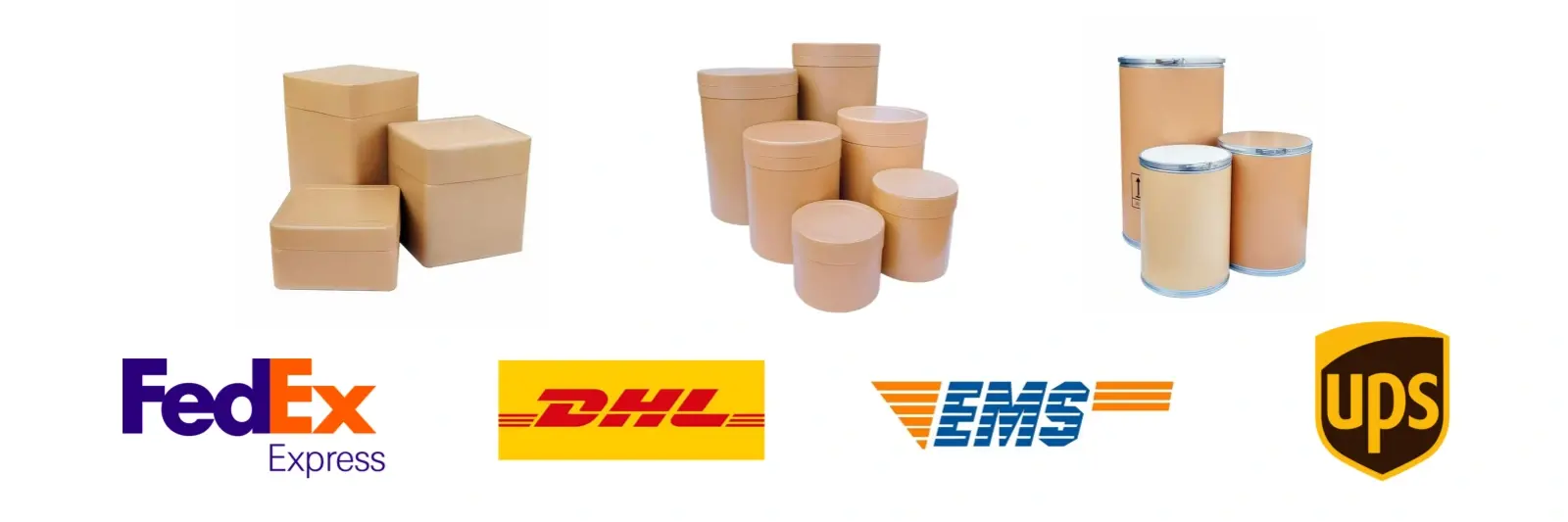
Managing supply chain and logistics requires balancing air, sea, and rail freight based on cost, speed, and urgency. Air freight takes 7–10 days but is costly, while sea freight (25–40 days) suits bulk orders, and rail offers a mid-option for Europe. Proper moisture-proof packaging prevents degradation during transit. Compliance requires documentation such as invoices, COAs, and import filings (FDA/EU). Total lead time includes 15 days production plus transit and clearance, requiring 30–60 days safety stock planning.
Negotiating Flexible Commercial Terms
Negotiating MOQs offers flexibility for emerging brands by leveraging multi-SKU commitments (e.g., rhodiola with Ashwagandha or Green Tea extract) and documented growth plans. Payment terms can shift from standard 30% deposit/70% balance T/T to Net 30–60 with established relationships, or Letters of Credit for large orders. Purchase agreements should define certifications, testing standards, and variance limits, include third-party verification rights, and outline clear procedures for handling non-conforming materials, returns, and replacements.
Post-Purchase Quality Verification
Upon receipt, conduct incoming QC before production release, including visual inspection (color, texture, aroma) and solubility testing. Ensure each shipment matches its Certificate of Analysis and batch number. Store Rhodiola Extract Powder under controlled conditions (<25°C, <60% RH) and test retained samples every three months for bioactive markers, moisture, and microbial stability. Track supplier performance via scorecards and quarterly reviews covering delivery, quality, documentation, and responsiveness to support continuous improvement and stronger partnerships.
Case Studies: Successful B2B Procurement and Usage of Rhodiola Extract Powder
Nutraceutical Manufacturer Achieves Quality Breakthrough
A California nutraceutical manufacturer faced 15% batch variation in a rhodiola-based formula, causing inconsistency and complaints. After testing five suppliers via independent labs, two met 3% rosavins and 1% salidroside specs, with one showing strong ISO9001, GMP, FDA compliance and in-house HPLC testing. The manufacturer selected this supplier, added strict COA and third-party verification requirements, and eliminated complaints within six months while expanding to additional botanical extracts.
Distributor Optimizes Product Format Strategy
A wellness distributor in the Pacific Northwest optimized its Rhodiola Extract Powder portfolio after finding powder formats drove higher volume but lower margins than capsules. It adopted a hybrid sourcing strategy: bulk powder directly from a Chinese manufacturer (1 kg MOQ) and domestic encapsulation for capsules. This reduced powder costs by 30% while improving freshness and maintaining margins. Leveraging ISO9001, GMP, and Kosher certifications strengthened marketing, resulting in 45% sales growth over 12 months and expansion into other adaptogens through a quality-focused procurement strategy.
Conclusion
Selecting the right Rhodiola Extract Powder requires balancing multiple factors including bioactive standardization, supplier credentials, application requirements, and commercial terms. The 3% Rosavins and 1% Salidroside specification, verified through HPLC testing, represents the industry quality benchmark backed by clinical research and regulatory recognition. Supplier certifications including ISO9001, GMP, FDA registration, Kosher, and Halal demonstrate systematic quality management and expand market access opportunities. Understanding your specific procurement scenario—whether small-batch development, bulk manufacturing, or OEM services—guides supplier selection toward partners with appropriate capabilities, inventory depth, and technical support resources. Comprehensive quality verification, transparent supply chains, and flexible commercial terms establish partnerships that deliver consistent material quality, operational efficiency, and competitive positioning in dynamic wellness markets.
FAQ
1.What is the standard potency for Rhodiola Extract Powder?
The industry-standard specification delivers 3% Rosavins and 1% Salidroside, verified through High-Performance Liquid Chromatography testing. This dual-marker standardization ensures both the adaptogenic rosavin compounds and the neuroprotective salidroside remain consistent across production batches. Clinical studies validating rhodiola's stress-relief and energy-enhancement benefits predominantly use this standardization level, making it the most scientifically supported specification for nutraceutical applications.
2.How do certifications impact product quality and market access?
ISO9001 certification demonstrates systematic quality management across manufacturing processes, while GMP certification specifically addresses pharmaceutical-grade production standards. FDA registration indicates facility compliance with United States regulations, though it does not constitute formal product approval. Kosher and Halal certifications verify religious dietary compliance, accessing observant consumer segments and broader markets viewing these as quality indicators. These credentials not only ensure manufacturing rigor but also streamline regulatory approval when introducing finished products to global markets.
3.What distinguishes high-quality suppliers from commodity traders?
Premium suppliers operate their own extraction facilities, maintaining direct control over raw material sourcing, processing parameters, and quality testing. They provide comprehensive documentation including Certificates of Analysis for each batch, third-party testing verification, and stability data demonstrating bioactive marker retention over time. Technical support capabilities, including formulation guidance and customization services, indicate depth of botanical expertise. Partnerships with research institutions and in-house R&D teams further distinguish suppliers committed to innovation and quality advancement beyond simple commodity trading.
Ready to Source Premium Rhodiola Extract Powder for Your Business?
HERBCOSHER delivers pharmaceutical-grade Rhodiola Extract Powder standardized to 3% Rosavins and 1% Salidroside, verified through rigorous HPLC testing. Our comprehensive certifications—including ISO9001, GMP, FDA registration, Kosher, and Halal—ensure global regulatory compliance and quality assurance. With over 20 years of phytochemical extraction expertise and partnerships with leading Chinese research universities, we provide technical support throughout your formulation development process. Our 4,000–5,000 square meter warehouse maintains substantial inventory, supporting bulk orders delivered within 15 working days through flexible EXW, FOB, CIF, DAP, or DDP trade terms. Whether you require 1-kilogram trial quantities or multi-ton annual supply agreements, our experienced team offers comprehensive OEM/ODM customization services covering formulations, packaging specifications, and private-label arrangements. Contact our rhodiola extract powder supplier team at info@herbcosher.com to discuss your specific procurement requirements and receive detailed product specifications, pricing quotations, and sample arrangements that position your products for market success.
References
1. Chen, Q., & Reiter, R. J. (2020). Rhodiola rosea phytochemistry and mechanisms of adaptogenic activity. Journal of Ethnopharmacology, 258, 112895.
2. Panossian, A., & Wikman, G. (2010). Effects of adaptogens on the central nervous system and molecular mechanisms associated with their stress-protective activity. Pharmaceuticals, 3(1), 188-224.
3. Ishaque, S., Shamseer, L., Bukutu, C., & Vohra, S. (2012). Rhodiola rosea for physical and mental fatigue: A systematic review. BMC Complementary and Alternative Medicine, 12, 70.
4. Ma, G., Zheng, Q., Xu, M., Zhou, X., Lu, L., Li, Z., & Zheng, G. (2018). Rhodiola rosea extract improves endurance exercise performance and antifatigue: A systematic review and meta-analysis. Journal of Sport and Health Science, 7(4), 472-481.
5. Hung, S. K., Perry, R., & Ernst, E. (2011). The effectiveness and efficacy of Rhodiola rosea: A systematic review of randomized clinical trials. Phytomedicine, 18(4), 235-244.
6. Amsterdam, J. D., & Panossian, A. G. (2016). Rhodiola rosea as a putative botanical antidepressant. Phytomedicine, 23(7), 770-783.