



Licorice Extract: Skin Benefits and How to Use
Natural Licorice Extract is an important part of current skin care products because it helps with many skin problems at once by reducing inflammation, whitening the skin, and protecting it from free radicals. This botanical concentrate comes from Glycyrrhiza glabra roots and is extracted and cleaned in a sophisticated way. It contains standardized active compounds, mostly glycyrrhizic acid and glabridin, which have been shown in clinical studies to improve skin health, reduce hyperpigmentation, and calm irritation. To make competitive, consumer-trusted formulations that meet regulatory standards and deliver measurable results, B2B procurement professionals in cosmetics, nutraceuticals, and functional product development need to understand the science, application methods, and sourcing strategies for licorice root extract.
Understanding Natural Licorice Extract and Its Skin Benefits
What Makes Natural Licorice Extract Different from Synthetic Alternatives
The chemical makeup and bioactivity of natural and synthesized licorice molecules varies. Glycyrrhiza glabra, uralensis, or inflata roots are concentrated and cleaned using ultrafiltration to make natural licorice extract. Polysaccharides, glabridin, liquiritin, and triterpenoid saponins are present. These versatile substances provide advantages that single chemicals can't match. HPLC verifies that the natural version contains 20% glycyrrhizic acid. This ensures batch consistency.
Synthetic versions are cheaper but lack phytochemicals that stabilize and permeate formulations. Natural extracts blend well with other plant actives, making them ideal for health-conscious clean-label beauty products. Plant-derived glycocyrrhizin exhibits biological effects like synthetic corticosteroids. It inhibits inflammatory factors without the negative effects of synthetic corticosteroids.
Core Skin Benefits Validated by Clinical Research
There is evidence that licorice root juice can help with four main skin problems:
- Anti-Inflammatory Action: Glycyrrhizic acid stops the phospholipase A2 and cyclooxygenase pathways from working, which makes the skin less red and calms down skin diseases like eczema and acne. Because of this process, it can be used in recovery goods after surgery and formulas for sensitive skin.
- Hyperpigmentation Reduction: Glabridin, a lipophilic flavonoid found in high-quality extracts, stops tyrosinase activity without harming cells. This makes it a better option than hydroquinone for treating melasma and age spots. Studies have shown that using oils with 40 to 90% glabridin regularly for 4 to 8 weeks will make your skin lighter.
- Antioxidant Protection: Flavonoids reduce free radicals that are made by smog and UV light, which protects against oxidative damage to lipid membranes and collagen structures. When paired with vitamins C and E, this protective action backs up claims that a product can slow down the aging process.
- Moisture Retention Enhancement: The humectant qualities of the extract help the skin's barrier function by encouraging ceramide production and lowering transepidermal water loss. This makes it useful in barrier repair and hydration serums.
Industrial Formats and Formulation Considerations
Licorice extract comes in three main forms, and each one is best for a different production process:
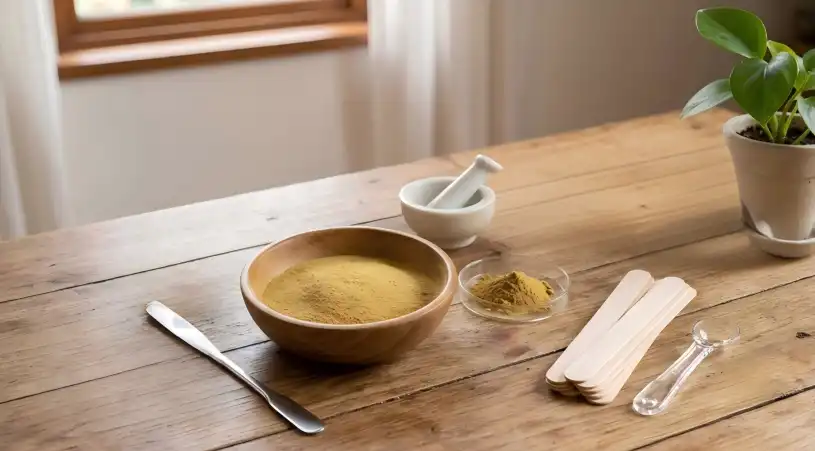
- Powder Format: The fine powder (80–100 mesh) is light yellow to yellowish brown and dissolves easily in water. It stays stable for a long time when kept below 60% relative humidity. This method works well for dry mask bases, pressed powders, and formulas that don't need water. The extract stays stable at temperatures up to 200°C during short-term processing, which means it can be used with hot-fill production and extrusion methods.
- Liquid Concentrates: Because they contain water, liquid concentrates are easy to mix into emulsions and gels, but they need protective systems. This type of monoammonium glycyrrhizinate (MAG) is better at dissolving in water than crude extracts, which is good for making clear serums.
- Standardized Extracts: Standardized extracts ensure certain amounts of active compounds, so there is no more batch-to-batch variation that comes with using raw plant materials. This standardization is very important for governmental reports and making sure that the product works the same way on all production runs.
How to Use Natural Licorice Extract for Skin Care: Best Practices for B2B Buyers
Recommended Dosage Levels Across Product Categories
Glycyrrhiza extract concentrations for skin care must be known to be effective. Face serums that target hyperpigmentation use standardized Natural Licorice Extract with 2–5% by weight and 20% glycyrrhizic acid. Formula: 0.4 to 1% active compound. Creams and lotions employ 1% to 3% extract to balance efficacy and feel. Higher quantities may give leave-on goods a little bitterness.
Masks and spot treatments can manage 5–10% for short-term severe therapy. Due to its brief contact time with the skin, 0.5 to 2% extract is used in cleansers to reduce irritation while washing. The Cosmetic Ingredient Review panel says these quantities are safe. Licorice derivatives in leave-on cosmetics up to 20% are safe, says the panel.
Product developers should test licorice with other active substances. The extract interacts with niacinamide, alpha-arbutin, kojic acid, hyaluronic acid, and peptides to brighten skin and prevent aging. The pH of the combination should be between 5.5 and 7.0 to maintain glycyrrhizic acid stability and skin chemistry.
Quality Assurance and Sourcing Standards
GMP-certified companies ensure pharmaceutical-grade extraction procedures. They manage heavy metals, microbiological burdens, and solvent remnants. Buyers should ensure that suppliers employ Gas Chromatography (GC) to ensure that ethanol and methanol residues are fewer than 5000 and 3000 ppm, respectively, under EU composition requirements.
To comply with California Proposition 65 and EU cosmetics rules, ICP-MS heavy metal testing must reveal lead levels below 3.0 mg/kg, arsenic below 2.0 mg/kg, and cadmium below 1.0 mg/kg. The ochratoxin A test detects mycotoxin danger from root storage. In European markets, levels below 20 µg/kg are often safe.
Organic (USDA Organic, EU Organic) accreditation boosts natural beauty brand value, while conventional extracts that fulfill purity criteria function just as well. Brands typically choose organic or conventional suppliers based on image rather than performance.
Powder Versus Liquid Form Selection
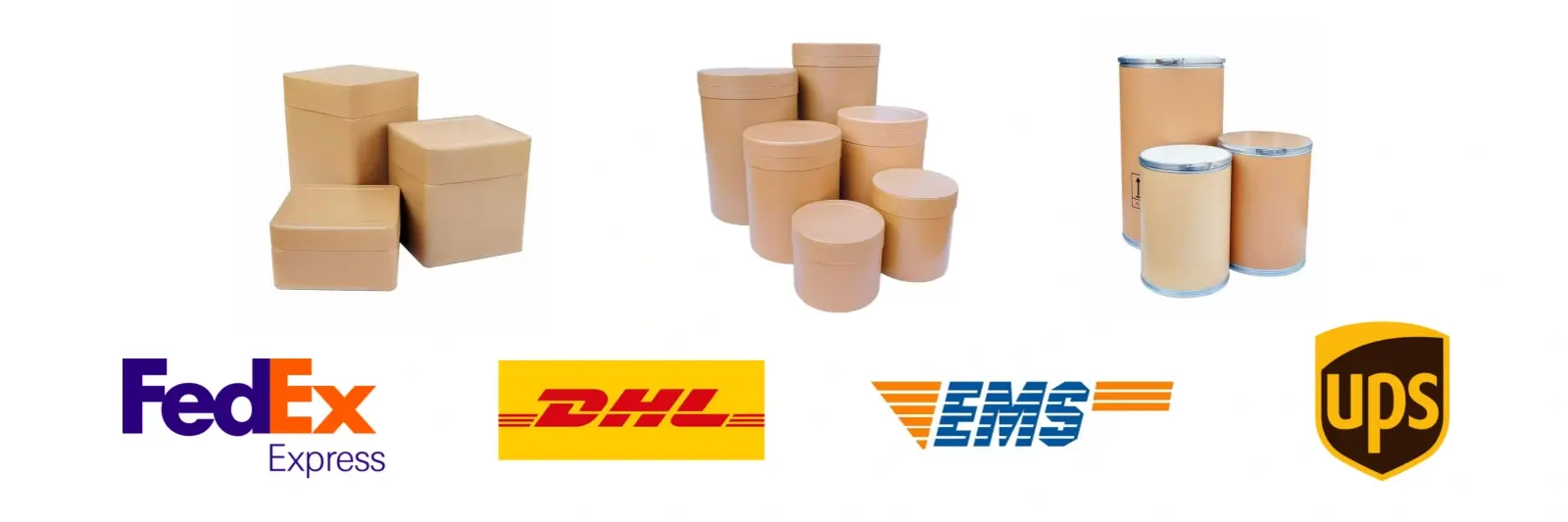
The ideal extract form depends on manufacturing expertise. Powders function well in high-shear homogenization tanks. Because they last 24 months if properly stored, they conserve stocking space. The 25 kilogram drum packaging standard reduces high-volume product handling.
While liquid extracts are simpler to utilize in continuous processing systems and don't need dust handling, they must be kept at a fixed temperature and have shorter stable windows. Small-batch handcrafted products makers may choose liquids for easy weighing and mixing, whereas industrial powders are easier to transfer.
Comparing Natural Licorice Extract with Alternatives: Making Informed Procurement Decisions
Natural Versus Synthetic Extract Analysis
Chemical composition changes affect product performance and regulatory status. Besides glycyrrhizic acid, Natural Licorice Extracts include 30 to 50 natural surfactants that aid absorption and skin penetration. When manufactured, synthetic glycyrrhizin isolates may require additional solubilizers since they lack matrix components.
Natural extracts offer regulatory advantages in botanical ingredient markets with tight documentation requirements. Quality natural goods are FDA-registered, Kosher, and Halal for a variety of markets. Some countries see synthetic alternatives as new substances, making international sales tougher.
Costs should be considered beyond unit pricing. Manmade molecules may look cheaper, but changing the formula to include synergistic compounds might increase research costs. Natural extracts cost more, but they're better for "clean beauty" marketing since consumers will pay more for genuine botanicals.
Organic Versus Conventional Extract Considerations
Some buyers are willing to pay 15–30% extra for organically approved items from sustainable sources. Organic and traditional extracts perform similarly when HPLC purity parameters are met. Organic accreditation pleases merchants including Whole Foods, Sephora Clean, and Credo Beauty.
GMP extracts are safe, but regular extracts are cheaper and may be sold to a wider audience. Target retail locations and corporate narrative determine the decision, not performance.
Licorice Extract Versus Raw Root Powder
Product strength and stability depend heavily on extraction efficiency. Raw licorice root powder contains 2–15% glycyrrhizic acid, depending on plant and cultivation. This makes typical items tougher to create since each batch is different. Raw powder includes insoluble fiber and starch, making leave-on products unstable and unpleasant.
Standardized extracts concentrate actives 10-15 times, removing plant matter that doesn't benefit treatment and ensuring consistency. Cosmetic formulators usually favor extracts since they blend better, last longer, and include regulatory documentation. Only traditional medicine uses raw powders, based on whole-plant beliefs.
Procurement Insights: How to Source High-Quality Natural Licorice Extract for Your Business
Bulk Purchasing Options and Packaging Standards
Industry orders range from 1 kilogram for test recipes to 25 kg drums for production runs. The 25 kilogram drum is easy to handle and saves space, however some merchants can provide bespoke packaging for logistics. Due to economies of scale in extraction batching, bulk purchases above 500 kg may save money.
Logistics providers that handle everything use DDP (Delivered Duty Paid) whereas international freight handlers use EXW (Ex Works). FOB and CIF are appropriate for purchasers with a freight forwarder, whereas DAP is preferable for last-mile delivery in customs-heavy conditions. Industry norms make wire transfer (T/T) the best payment mechanism for botanical items. 30–50% deposits guarantee production seats; balance payable upon evaluation.
Choice of shipment method influences wait times and pricing. Air freight offers 5–7 days at premium prices for urgent reformulations of high-value specialist extracts. Shipping large quantity of products by sea is cost-effective and fits production schedules with 25–35 day trip periods. Some lengthy lines are switching to rail freight from air.
Supplier Evaluation Criteria and Certification Verification
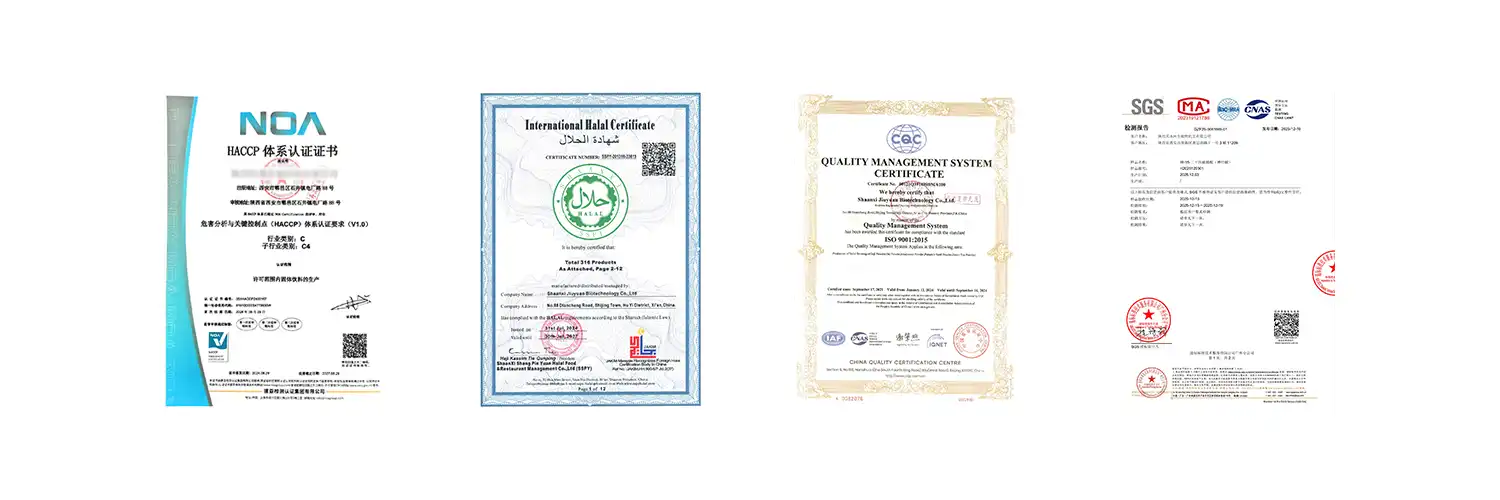
Strong source screening goes beyond pricing. ISO9001 certification indicates a mature quality management system, whereas GMP accreditation emphasizes pharmaceutical-grade manufacturing standards for cosmetic and nutritional applications. FDA registration signifies a facility fulfills U.S. manufacturing requirements, but it doesn't ensure the product is authorized.
Assessing manufacturing capabilities prevents supply interruptions during high demand. Suppliers that maintain 4,000 to 5,000 square meters and check product levels may fulfill orders in 15 days. Vertical integration—getting and extracting raw materials—improves supply chain resilience to commodity fluctuations.
Third-party testing identifies quality and inexpensive sources. Trustworthy manufacturers provide COAs from certified laboratories that indicate HPLC purity, heavy metal screens, bacteria counts, and solvent residue testing. Some merchants use multiple testing facilities, offering purchasers independent evidence choices.
Market Pricing Dynamics and Negotiation Strategies
Price of Natural Licorice Extract varies on purity, certification, and quantity ordered. Trade glycyrrhizic acid extracts cost 10% to 12% less than 20% standardized extracts for medicine. Specialized high-glabridin parts cost more since they are harder to isolate and organic approval boosts pricing by 20–30%.
Smart procurement teams make annual supply arrangements to lock in favorable rates and create supplier relationships that give them precedence during peak demand. You normally receive better discounts and more personal professional advice when you purchase above 1,000 kg per year. Flexible payment periods may replace direct pricing. Longer payment periods may boost cash flow more than price decreases.
Quality should never be sacrificed for cost. Compliant and non-compliant materials are similar in price. Formulation problems and market recalls cost image and compliance more. High-quality extracts from licensed sources reduce future risk and make the product stand out as pricey.
Application of Natural Licorice Extract Beyond Skin Care: Expanding Your Product Line
Hair Care Formulation Opportunities
Because scalp health is related to face skin health, Natural Licorice Extract's anti-inflammatory actions may assist with dandruff, seborrheic dermatitis, and scalp sensitivity. Shampoos containing 1% to 2% extract alleviate irritation, and natural surfactants improve foam without adding chemicals. Conditioners employ extract's humectant characteristics to keep hair shafts moist, making it less likely to break and simpler to style.
Licorice reduces hair follicle inflammation that causes androgenic alopecia, making it useful in leave-on head treatments and serums. While not as potent as prescription therapies, the plant's DHT-modulating properties enable natural hair care products that nourish hair follicles. These applications expand sales in the high-end natural hair care sector, which is expanding by over 10% annually.
Functional Food and Traditional Medicine Applications
Glycyrrhiza is utilized in Chinese and Ayurvedic medicine and contemporary nutraceuticals. Natural food-grade licorice extract is 30–50 times sweeter than sugar. It masks protein powders, herbal vitamins, and functional beverages' harsh flavor. Slow start and extended finish give it a particular flavor sought in craft beverage manufacturing.
Digestive health products use licorice extract to relieve sore throats, protect the digestive system, and reduce inflammation and cure ulcers. Capsules and pills contain 200–400 mg of standardized extract, the same quantity as conventional medication but in a delivery mode that works. Products must pass more than visual tests to fulfill food-grade regulations. For instance, allergy testing and nutritional labeling are required.
By entering these surrounding markets, you may diversify your revenue and leverage your supplier and legal contacts. Existing cosmetic extract firms have fundamental nutraceutical understanding, making it easy for new companies to enter the industry.
Conclusion
To find high-quality Natural Licorice Extract, you need to find a balance between scientific knowledge, following the rules, and building smart partnerships with suppliers. The extract has been shown to help the skin in many ways, including reducing acne and reducing inflammation. This makes it a useful ingredient for skin care, hair care, and health products. When B2B buyers put GMP licensing, thorough quality testing, and standard purity specifications at the top of their list of priorities, they make formulations that meet both government standards and customer expectations. Powder and liquid forms, organic and standard sources, and different purity grades should all be chosen based on how the product will be made, who it is intended for, and how the brand wants to be positioned. When businesses buy good plant extracts from reputable sellers, they gain a competitive edge through regular product performance, regulatory trust, and market difference in the natural products sector, which is growing.
FAQ
1. What Are the Primary Safety Considerations When Formulating with Licorice Extract?
Glycyrrhizic acid is skin-safe. According to the Cosmetic substance Review, leave-on products with up to 20% of this substance are safe. Large doses may produce mineralocorticoid effects if taken orally. It doesn't damage your body when applied to the skin. Because doses beyond 5% may irritate sensitive persons, patch tests are preferable for complete therapy. Pregnant and nursing women should take vitamins orally rather than topically. For pregnancy skincare lines, cautious formulators may pick various ingredients.
2. How Can Buyers Verify Licorice Extract Purity and Authenticity?
Requesting COAs from certified third-party laboratories verifies purity claims. HPLC chromatograms should indicate glycyrrhizic acid levels within ±2% of requirements. Plant identification by microscopic study or DNA barcoding prevents species replacement. Microbe counts, heavy metal tests, and solvent residues should accompany every batch. Reliable suppliers document how completed extracts come from source materials. This establishes regulatory submission audit trails.
3. What Factors Determine Powder Versus Liquid Extract Selection?
Manufacturing tool capabilities drive the decision. High-shear mixers and homogenizers uniformly distribute powders, while liquid extracts combine well in ordinary mixers. Powders last longer and ship cheaper globally, making them ideal for transportation. Easy handling and rapid formula adjustments are preferred for liquid extracts. Functional performance remains the same when comparing purity grades, hence the decision is based on functionality rather than efficacy.
Partner with a Trusted Natural Licorice Extract Manufacturer
HERBCOSHER offers pharmaceutical-grade glycyrrhiza extract backed by more than 20 years of experience extracting plants and a full set of foreign standards, such as ISO9001, GMP, FDA registration, Kosher, and Halal approvals. Our standard Natural Licorice Extract with 20% glycyrrhizic acid (HPLC confirmed) is used by beauty, nutraceutical, and functional food companies in 30 countries to make sure the quality is always high and they follow all the rules. Our climate-controlled inventory covers more than 4,000 square meters, so we can quickly fill orders ranging from 1 kg trial amounts to multi-ton yearly supply agreements within 15 working days. Our professional partnership with Northwest A&F University and Northwest University helps us create custom formulations. We also offer a range of shipping options, including EXW, FOB, CIF, DAP, and DDP, and we offer full OEM/ODM services to shorten the time it takes to make your product. You can email our sourcing experts at info@herbcosher.com to get technical details, proof of third-party testing, and sample amounts of our quality natural licorice extract supplier solutions tailored to your formulation requirements.
References
1. Castangia, I., et al. (2015). "Delivery of liquorice extract-loaded liposomes into biopolymer-based hydrogels for skin protection against oxidative stress injuries." Carbohydrate Polymers, 134, 657-663.
2. Chaudhary, S., et al. (2018). "Glycyrrhiza glabra (Licorice): A comprehensive review on its phytochemistry, biological activities, clinical evidence and toxicology." Phytotherapy Research, 32(12), 2323-2339.
3. Cosmetic Ingredient Review Expert Panel. (2007). "Final Report on the Safety Assessment of Glycyrrhetinic Acid and Glycyrrhizin." International Journal of Toxicology, 26(Supplement 2), 79-112.
4. Yamaguchi, M., et al. (2014). "Glycyrrhizin improves skin hyperpigmentation and has anti-inflammatory effects via inhibition of the NF-κB signaling pathway." Journal of Dermatological Science, 75(2), 148-155.
5. Yokota, T., et al. (1998). "The inhibitory effect of glabridin from licorice extracts on melanogenesis and inflammation." Pigment Cell Research, 11(6), 355-361.
6. Zhu, Y., et al. (2019). "Quality assessment of licorice (Glycyrrhiza species) by high-performance liquid chromatography and headspace solid-phase microextraction gas chromatography-mass spectrometry." Journal of Pharmaceutical and Biomedical Analysis, 174, 537-546.