



Introduction to Licorice Extract: Benefits for the Skin
One of the most effective plant extracts used in skin care items today is Natural Licorice Extract. This extract is from the roots of Glycyrrhiza glabra. It is good for your face because it has a lot of glycyrrhizic acid, flavonoids, and strong antioxidants. It is important for people who work in business-to-business (B2B) in the nutraceuticals, pharmaceutical development, and cosmetics industries to understand how it works and the rules for getting things so that they can make beauty goods that are legal, competitive, and good.
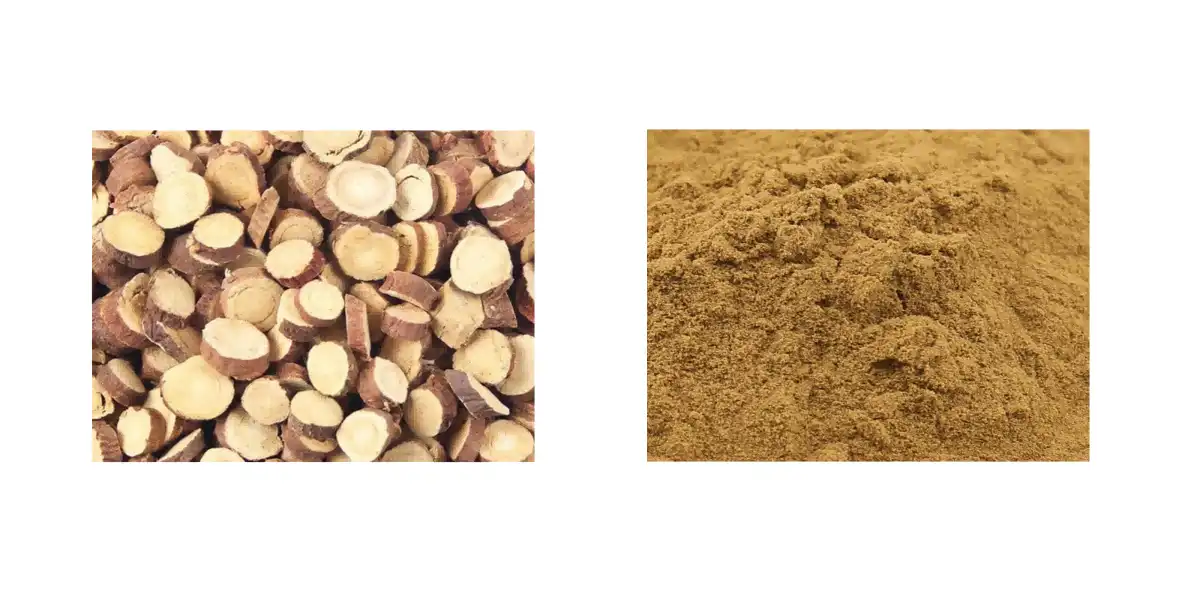
Understanding Natural Licorice Extract
What makes licorice good for your face are the things that are good for you. Root scraping brings out important phytocompounds that help with a number of skin issues at once.
Origin and Bioactive Composition
Licorice root has been used as medicine for a very long time in both Asia and Europe. Modern ways of removing substances, such as ultrafiltration cleaning and multistage concentration, separate the good chemicals while keeping the way they naturally work together. High Performance Liquid Chromatography (HPLC) is used to measure a 20% amount of glycyrrhizic acid, which is the main healing chemical. Helpful chemicals like liquiritin, isoliquiritigenin, and glabridin make the skin look better and keep it from getting hurt. This natural mix is better than single molecules because it helps the skin in more ways and is less likely to hurt it.
Why Natural Beats Synthetic
There are naturally occurring triterpenes and flavonoids in licorice root extracts. These are soluble and work together to make the extracts more effective. Instead of using man-made chemicals by themselves, these natural ones work together to make the product work better and lower the risk of soreness. Because it is surface-active, glycyrrhizic acid makes it easier for other substances to break down and be used by the body. This makes the product work better overall by making it work with itself. It is possible to use Natural Licorice Extract in many commercial processes without it breaking down because it can handle temperatures up to 200°C and a pH range of 3.5 to 9.0.
Quality Markers for Procurement
Businesses that want to buy extracts should make sure that the glycyrrhizic acid amount is within ±2% of what is mentioned. This can be done with HPLC. If we want to find heavy metals like lead (<3.0 mg/kg), arsenic (<2.0 mg/kg), and cadmium (<1.0 mg/kg), we have to use ICP-MS. The ochratoxin A test looks at the risks of fungal pollutants that come with plants that grow roots. Using gas chromatography to look at fluid leftovers makes sure that ethanol levels stay below 5000ppm, which is important for putting on clean labels. ISO9001, GMP, FDA registration, Kosher, and Halal certifications show that the production method meets the rules of other countries.
Key Skin Benefits of Natural Licorice Extract
Natural Licorice Extract is known to heal because it can help with a lot of different skin issues at once. Studies on people have shown that it can help with acne, inflammation, and oxidative stress.
Brightening and Hyperpigmentation Control
Tyrosinase can't do its job because of glabridin and glycyrrhizic acid. Melanin is made by an enzyme called tyrosinase. This method brightens the face well without hurting cells like hydroquinone does or being unpredictable like kojic acid is. Studies show that drugs aren't as good at stopping the production of melanin as products high in glabridin. These products are also much safer. Licorice extract works better over time, so it's great for use in serums and creams that treat age spots, sun damage, and uneven skin tone.
Antioxidant Protection and Anti-Aging
Licorice root has flavonoids that get rid of free radicals. Free radicals are made by UV light and air pollution. Collagen and elastin fibers and other cell structures don't break down because of oxidation because of this protective power. Regular use, as shown in clinical tests, makes skin more elastic and lessens the look of fine lines. In turn, this helps fibroblasts do their job, which makes more collagen and keeps the skin tissue stable. Because of these benefits, licorice extract is a main part of skin care items that help people who have old skin look younger.
Anti-Inflammatory and Soothing Properties
But it doesn't have the bad effects of manmade steroids; instead, it stops the release of inflammation molecules as a corticosteroid does. Licorice extract is great for skin that is sensitive, reacts badly, or gets acne because of this. The healing effect lessens heat and pain, which makes the person more comfortable and more likely to keep using the product. Formulators mix licorice extract with other calming ingredients like allantoin and bisabolol to make full solutions for broken skin barriers.
Because of these benefits, more and more people want makeup, skin care, and cosmetic goods. The extract is very adaptable, so it can be used in face masks, serums, day creams, night treatments, and even sunscreens, where its antioxidant properties give extra sun protection.
Practical Application and Dosage Guidelines for Skin Products
If you want to write something well, you need to know about limits on focus, style options, and problems with compatibility.
Recommended Concentration Ranges
Most of the time, 0.5% to 5% of licorice extract works well in finished goods. This range changes based on the type of product and how the extract is cleaned up. A lot of serums that make you look younger use 2% to 3% of refined extracts of 20% glycyrrhizic acid. To find the best balance of strength and softness, creams for sensitive skin may have anywhere from 1% to 2%. To keep food fresh for longer, bigger amounts need to be checked for stability to make sure they don't separate or change pH.
Format Selection: Powder vs Liquid
An 80–100 mesh fine powder that is light yellow to yellowish brown is one way to get Natural Licorice Extract. Another way is to get a concentrated liquid extract. Powders are easy to store and stay stable, especially in places with low humidity (less than 60% RH). They work well in masks that are made of powder and formulas that don't have water in them. You can use liquid extracts in water-based devices, but you need to keep them at a certain temperature and think about how to keep them fresh. Toners and serums dissolve better with the help of monoammonium glycyrrhizinate (MAG) and other glycyrrhizin salts that dissolve in water.
Formulation Compatibility and Synergies
Ascorbic acid and licorice extract work well together to make skin brighter. But the pH needs to be brought back to normal for ascorbic acid to stay intact. They work better together to treat redness and soreness than when used alone. Taking licorice can help retinoid products work better by lowering the inflammation that retinoids cause. It works with hyaluronic acid and glycerin to calm and moisturize the skin. Licorice extract should not be mixed with strong acids (pH < 3) or large amounts of essential oils that could change how stable it is until compatibility tests have been done first.
Regulatory compliance makes sure that safety papers, drug names, and concentration limits are right. The EU Cosmetic Regulation 1223/2009 and the US Food and Drug Administration (FDA) both need a full list of chemicals and proof that the product is safe. The right amount of glycyrrhizic acid must be used, especially for things that are left on the shelf.
Selecting and Procuring Natural Licorice Extract for B2B Buyers
When you buy strategically to source Natural Licorice Extract, you make sure of quality, follow the rules, and make the supply chain work well.
Critical Certifications and Documentation
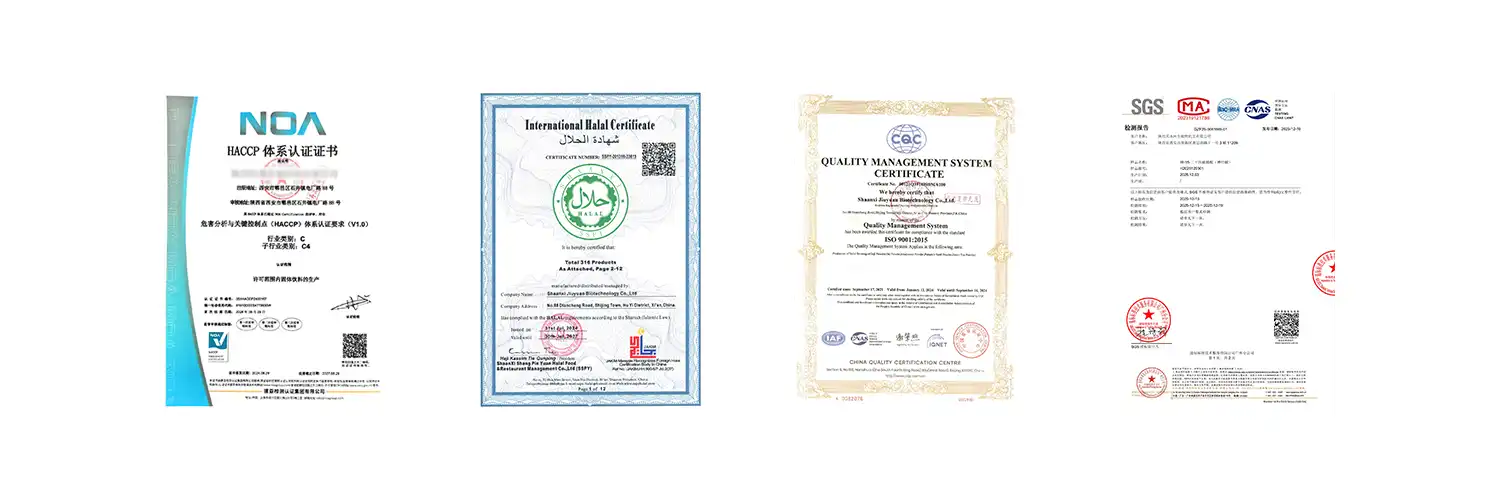
Organic certifications, such as those from the EU and the USDA, show that growing methods don't use man-made poisons. If you get ISO9001 approval, it means you follow the rules for business quality management. With GMP (Good Manufacturing Practices) approval, the rules in the production area are checked to make sure they meet the requirements for making medicines. Customers who follow the Kosher and Halal rules can buy things more easily. Getting FDA approval makes it easier to enter the US market. Ask for each batch to have a Certificate of Analysis (CoA). Heavy metal tests, microbe counts, herbicide residue screens, and active ingredient readings should all be part of this.
Evaluating Supplier Reliability
Check the provider's reputation and length of time in business by calling references and getting proof from a third party. University suppliers, like Northwest A&F University and other schools in the same field, often have better technical and research and development (R&D) help. The building's size (at least 4,000 to 5,000 square meters), the fact that the production line is automated, and the fact that standard goods are always in stock are all signs that the business can make things. Low minimum order amounts (1 kg or less for tests, up to 25 kg drums for big sales) are part of policies that are good for buyers.
Pricing, Logistics, and Lead Times
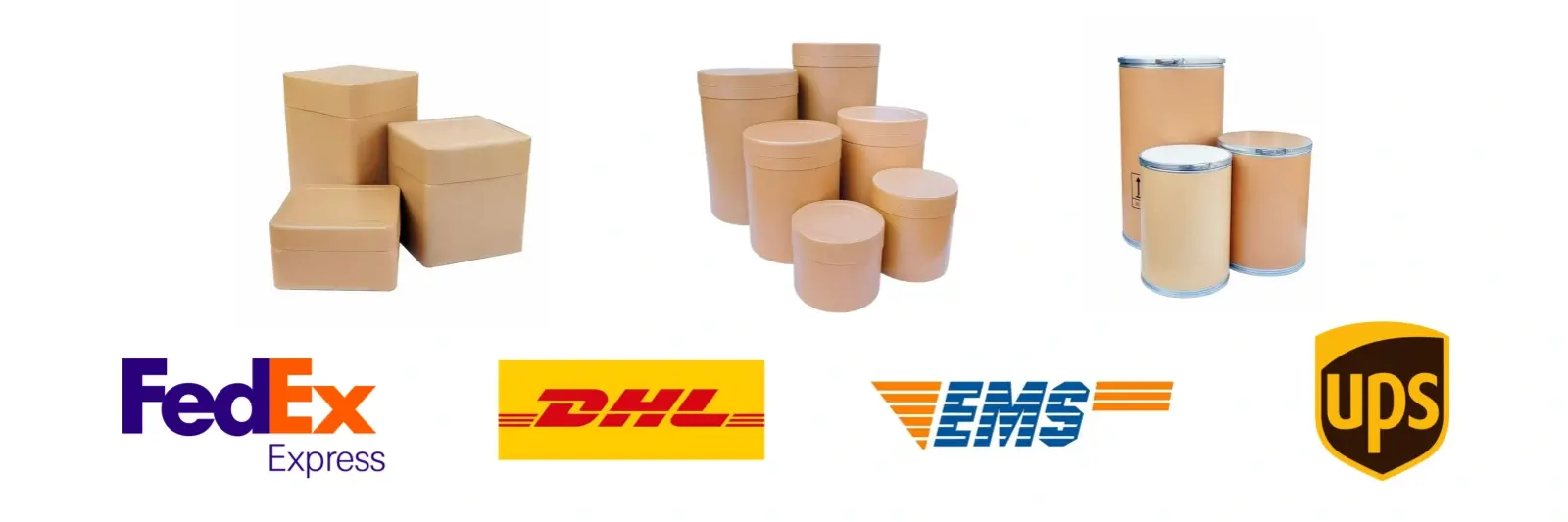
When setting prices that are competitive, they look at how well the materials are removed, where they come from, and how much it costs to get approval. Ask for quotes that include delivery terms like EXW (Ex Works), FOB (Free on Board), CFR (Cost and Freight), CIF (Cost Insurance and Freight), DAP (Delivered at Place), or DDP (Delivered Duty Paid). Know that shipping by plane costs more and takes five to ten days less. Shipping big items by sea, on the other hand, costs less (2–40 days). Rail freight is a good middle ground in some places. Traders you can trust run their own businesses and work with well-known global companies to protect the goods while they're in transit. Lead times for standard goods shouldn't be longer than 15 working days after an order is confirmed.
Sample Testing and Pre-Order Validation
You should always ask for samples before you buy something big. You should do an in-house organoleptic evaluation (look, smell, and taste, if possible), solubility tests in your target matrix, and stability tests under fast conditions. Having a third-party lab check important things like heavy metals, microbial limits, and HPLC research lowers risk and backs up what sources say. Write down all the steps you took and the results of all the tests so that you can set standards for quality for future sales.
Addressing Common Concerns and Safety of Natural Licorice Extract
To get into the market and earn people's trust, safety scores and following the rules are still very important.
Topical Safety and Potential Side Effects
For as long as it is kept at the right amount, Natural Licorice Extract is safe to use on the skin. Very few people have allergic reactions, and when they do, they usually show up as light contact dermatitis in people who are already very sensitive. When putting something on sensitive skin, it's best to test it on a small area first. Glycyrrhizin can change the way mineralocorticoid receptors work if you take a lot of it by mouth. But putting it on your face doesn't change how your body absorbs it or cause any issues.
Natural vs Deglycyrrhizinated Forms
Deglycyrrhizinated licorice (DGL) gets rid of glycyrrhizin so that vitamins taken by mouth don't affect the body as a whole. Normal Natural Licorice Extract keeps glycyrrhizin because it is good for skin care because it makes skin look better and less red. DGL would lose some important benefits when used on the skin without really adding any safety benefits.
Regional Regulatory Compliance
The EU Cosmetic Regulation 1223/2009 says that all drugs, even plant products, need to be checked to make sure they are safe. Under the Federal Food, Drug, and Cosmetic Act, the FDA is in charge of cosmetics and makes sure they are safe and have the right labels. In California, Proposition 65 puts strict limits on heavy metals so that signs don't have to be used. A lot of paperwork needs to be turned in to both Health Canada in Canada and the Therapeutic Goods Administration (TGA) in Australia. Safety data sheets (SDS), technical data sheets (TDS), and allergen statements are some of the regulatory support papers that experienced providers provide. These make it easier for all target markets to follow the rules.
Conclusion
Natural Licorice Extract is a key part of many new beauty products because it effectively reduces signs of age, soothes inflammation, and makes skin look brighter. Plus, it's safe and can be used in many ways. Because it helps with different skin problems in more than one way, it can be used in beauty, cosmeceutical, and medical lines. When you pay for something, you should be very careful and use HPLC tests, heavy metal screening, and full certifications to make sure the quality is good. A steady supply, following the rules, and expert help at all steps of product creation are all guaranteed by strategic partnerships with well-known suppliers. People are becoming more interested in "clean labels" and plant-based actives, which means that licorice extract can help brands stand out in global markets.
FAQ
1. Is licorice extract safe for sensitive skin formulations?
This is true. Natural Licorice Extract is great for sensitive or reactive skin because it calms down inflammation. It stops itching like a corticosteroid, but it doesn't have the bad effects that come with man-made steroids. For people with sensitive skin, the amounts should stay between 0.5 and 2%. Also, people who are known to be allergic to plants should still get a patch test.
2. Can it replace synthetic brightening agents effectively?
Although it doesn't cause burning or instability, Natural Licorice Extract brightens skin just as well as or better than kojic acid and arbutin. Tyrosinase can't work as well with extracts that are high in glabridin as with many man-made alternatives. People want plant actives, and this product works great as a replacement in clean-label and natural product labeling. It keeps clinical performance.
3. What certifications matter most for bulk procurement?
For quality systems, ISO9001 is one of the most important certifications. GMP is another, and organic certifications are important for making claims that a product is natural or organic. Getting registered with the FDA gives US shipping more power. You can reach more people if you have licenses for both Kosher and Halal. Heavy metal tests (ICP-MS), ochratoxin A screening, and solvent residue analysis (GC) can all be checked by papers from a third party to make sure they are done right.
Partner with HERBCOSHER for Premium Licorice Extract Supply
HERBCOSHER is a good place to get Natural Licorice Extract because they have been working in phytochemistry for more than 20 years. Our extraction facilities use several stages of ultrafiltration and reduction to make extracts that are guaranteed to have 20% glycyrrhizic acid and have been checked by HPLC. Our ISO9001, GMP, FDA registration, Kosher, and Halal certificates are always up to date. This means that your recipes will always meet the requirements of other countries. Licorice juice is kept in drums that can hold 25 kg in our 4,000-square-meter building. The smallest order size can be different, but for tests it starts at 1 kg. If you choose OEM/ODM, you can send out unique recipes in 15 business days. Our work with Northwest A&F University and Northwest University is always helpful for your study and development needs. Email our technical team at info@herbcosher.com to get samples, technical specs, and low prices for your next project to make a product.
References
1. Saxena, M., Saxena, J., & Pradhan, A. (2012). Flavonoids and phenolic acids as antioxidants in plants and human health. International Journal of Pharmaceutical Sciences Review and Research, 16(2), 130-134.
2. Zubair, M., & Akhtar, N. (2011). Effects of a topical cream containing Glycyrrhiza glabra extract on melasma in Pakistani women: A comparative clinical trial. African Journal of Pharmacy and Pharmacology, 5(4), 570-575.
3. Leyden, J. J., Shergill, B., Micali, G., Downie, J., & Wallo, W. (2011). Natural options for the management of hyperpigmentation. Journal of the European Academy of Dermatology and Venereology, 25(10), 1140-1145.
4. Pastorino, G., Cornara, L., Soares, S., Rodrigues, F., & Oliveira, M. B. (2018). Liquorice (Glycyrrhiza glabra): A phytochemical and pharmacological review. Phytotherapy Research, 32(12), 2323-2339.
5. Yokota, T., Nishio, H., Kubota, Y., & Mizoguchi, M. (1998). The inhibitory effect of glabridin from licorice extracts on melanogenesis and inflammation. Pigment Cell Research, 11(6), 355-361.
6. Castangia, I., Nácher, A., Caddeo, C., Merino, V., Diez-Sales, O., Catalán-Latorre, A., & Manconi, M. (2015). Therapeutic efficacy of quercetin enzyme-responsive nanovesicles for the treatment of experimental colitis in rats. Acta Biomaterialia, 13, 216-227.