



Senna Leaf Extract: Key Benefits Your Business Needs
Senna Leaf Extract Powder stands out as a strategic botanical ingredient for businesses seeking reliable, standardized plant-based solutions in today's wellness market. Derived from Cassia angustifolia, this extract contains concentrated sennosides—bioactive compounds recognized for their digestive health applications. Across nutraceutical, pharmaceutical, and functional food sectors, companies leverage this ingredient to develop products addressing constipation relief, detoxification support, and weight management. Understanding its benefits, quality parameters, and supplier selection criteria positions your business to capitalize on growing consumer demand for natural, effective wellness ingredients.
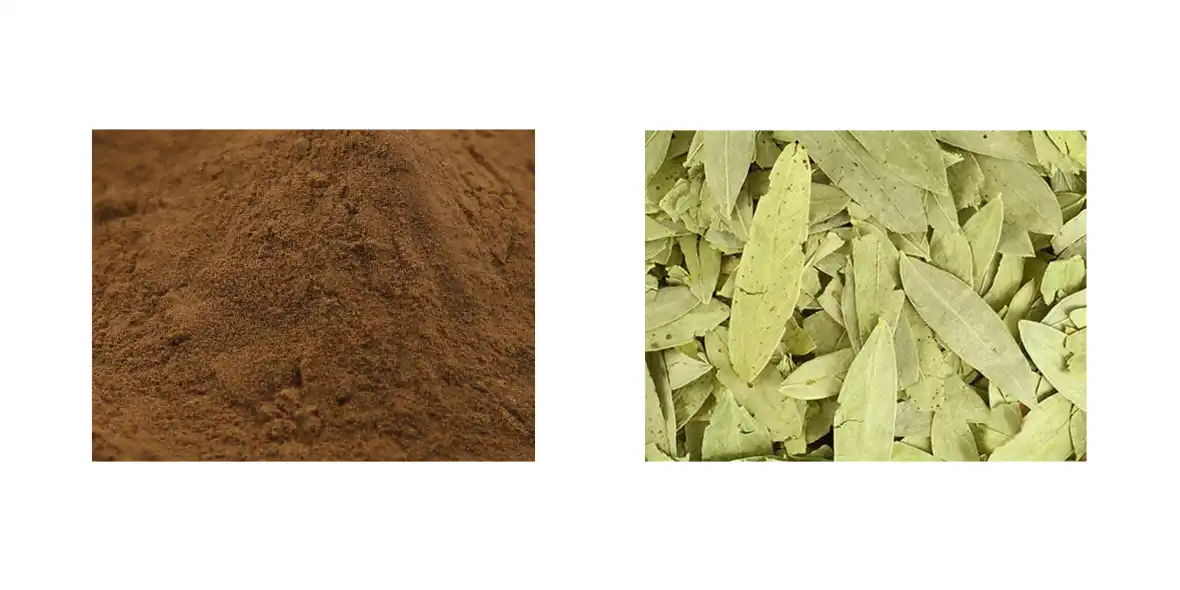
Understanding Senna Leaf Extract Powder: What It Is and Why It Matters
Botanical Origin and Phytochemical Profile
Senna Leaf Extract Powder originates from the dried leaflets of Cassia angustifolia, commonly known as Indian Senna or Alexandrian Senna. This medicinal plant has been used in traditional health practices for hundreds of years and grows best in subtropical areas. To get the active chemicals out of the plant, full leaves must be picked, and then controlled extraction, concentration, and spray drying must be done. This way of making the product makes a standard powder with consistent potency, distinguishing it from raw plant powders whose sennoside levels change all the time.
The extract's principal biochemical actions come from dianthrone glycosides sennosides A and B, which make up the phytochemical composition. Anthraquinones constitute approximately 10% to 60% of the extract, depending on standardization demands. High-performance liquid chromatography (HPLC) is the standard method for finding compounds and verifying active ingredient levels. Other bioactive ingredients include flavonoids, naphthalene glycosides, and tiny organic acids, which stabilize and work.
Mechanism of Action and Functional Properties
Understanding how sennosides function explains why this extract is important in various disciplines. Sennosides pass through the upper digestive tract unabsorbed and reach the large intestine. These glycosides are converted by intestinal bacteria into rheinanthrones, active aglycones that provoke peristaltic contractions by irritating the gut barrier and preventing water absorption. The two-part method normally generates bowel motions within 8–12 hours, offering product manufacturers a solid start time.
Senna extract has a controlled-release characteristic, unlike synthetic laxatives. This provides companies a reliable natural element. The extract's brownish-yellow to light yellow colour and slight bitterness make it easy to manufacture into pills, tablets, and functional beverages. Its solubility—slightly soluble in water but readily soluble in sodium bicarbonate solutions—helps in preparation and dosage selection.
Natural Versus Synthetic: Quality and Compliance Considerations
Knowing the difference between natural and synthetic extracts affects compliance and market position. The plant structure of natural senna extract preserves synergistic compounds that may make it more bioavailable and less toxic than synthetic sennosides. This whole-plant image attracts clean-label shoppers and supports botanical accuracy claims.
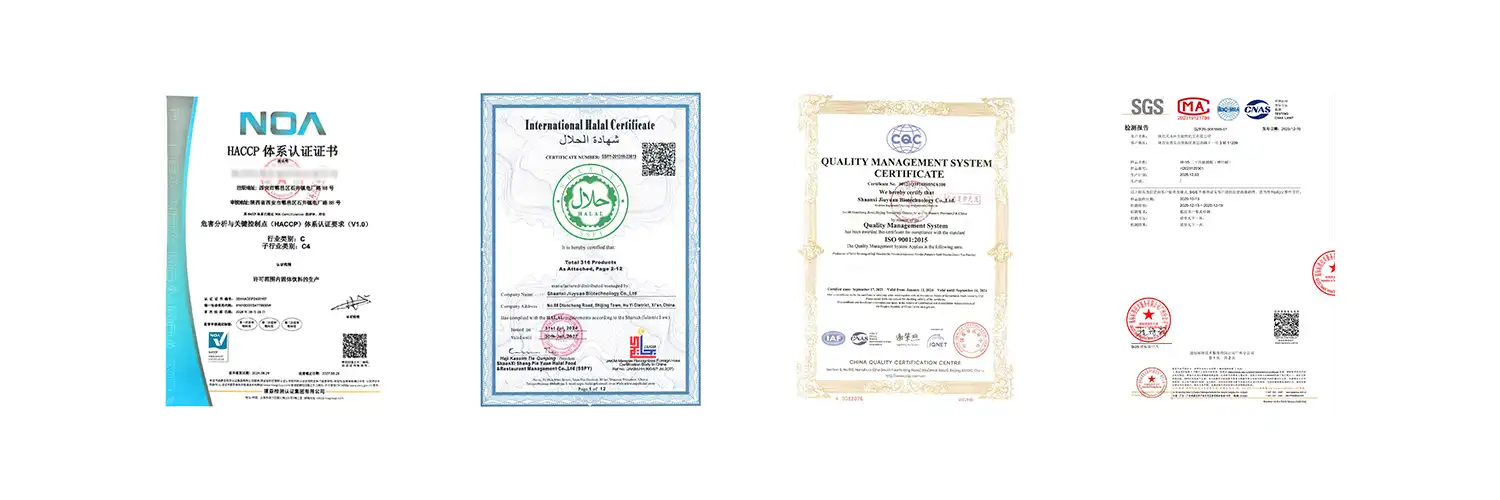
ISO9001, GMP, FDA registration, Kosher, and Halal certifications indicate quality and compliance. Organic certifications are more costly and require stringent cultivation standards, but they set premium product lines apart. Procurement specialists must verify these certifications to ensure the supply chain is honest and prevent compliance issues in target countries like the US, where botanical dietary supplements are rigorously monitored by regulatory organizations.
Key Benefits of Senna Leaf Extract Powder for Your Business
Digestive Health Applications with Scientific Backing
The extract's status as a natural laxative comes from decades of clinical study showing that it can help with occasional constipation. Companies that are making supplements for gut health can use this well-established science base to back up their product claims and make it easier for regulators to approve them. Studies show that sennosides can help with bowel movements without making people dependent on them if they are used correctly. This eases worries about long-term safety for consumers.
By adding Senna Leaf Extract Powder to products, companies can reach the growing digestive health market, which is expected to grow a lot as people get older and more aware of its benefits. Senna's proven benefits are used in a wide range of products, from laxative pills on their own to full digestive support mixes. The standard 20% sennoside content that you can get from good sources makes sure that each batch is the same, which is important for keeping therapeutic effectiveness and customer trust.
Weight Management and Detoxification Trends
Senna powder isn't simply for digestion. Weight loss and detox products that follow health trends utilize it. The chemical reduces residual meal calories and fat by speeding up intestinal transit, helping short-term weight reduction. This technique is great for natural body cleansing and metabolism boosts.
Senna-based detox solutions use bowel movements to eliminate contaminants. Even though "detox" promises lack scientific evidence, the market wants them, which is excellent for formulators who can use legal marketing terms. When you combine senna with other beneficial herbs like dandelion root, milk thistle, or probiotics, you obtain a superior solution that addresses several health issues.
Versatile Applications Across Multiple Industries
Senna powder has several uses beyond vitamin use. Functional beverage firms add it to digestive-aid herbal drinks and shots. Its brownish-yellow colour blends well with other plant oils, making it simpler to manufacture attractive goods. Fizzing tablets and meal replacement powders function because powder formulations dissolve readily in the correct carriers.
New cosmetic applications for senna's antibacterial properties are being investigated. These qualities fight Staphylococcus aureus and C. diphtheriae. These antibacterial properties may cure acne and hair issues in skin care products, but ratios and stability must be optimized. If they account for skin sensitivity, personal care companies that want to add new plant ingredients can stand out by strategically adding senna.
Regulatory Advantages and Market Access
Pharmaceutical-grade senna extract with quality certificates helps enter restricted markets. Kosher and Halal certifications allow Middle Eastern and other sales. Registration with the FDA verifies U.S. manufacturing standards. These certifications help importers, distributors, and contract manufacturers identify reliable ingredient suppliers for a variety of diets and religions.
All technical documents in one location simplify legal compliance and quality assessments. Third-party testing, certificates of analysis, and safety data sheets are included. B2B clients like when providers provide this paperwork ahead of time because it speeds up product development and reduces regulatory risk. Appropriate organic types allow a firm to serve mainstream and high-end clients.
How to Choose the Best Senna Leaf Extract Powder Supplier: A B2B Procurement Guide
Essential Quality Certifications and Standards
Selecting a reliable Senna Leaf Extract Powder supplier begins with verifying quality certifications that show manufacturing excellence and regulatory compliance. GMP (Good Manufacturing Practice) approval shows that a factory follows strict production rules that keep contamination to a minimum and make sure that the quality of the products is always the same. Getting ISO9001 certification proves that you have a method for managing quality that includes finding raw materials and checking the finished product.
Businesses that wish to sell in the U.S. must register their factories with the FDA to be inspected periodically and follow federal regulations. USDA or comparable organic certificates prove that senna is grown and handled organically. This is required for organic products. Companies may access vast groups of clients who observe Kosher and Halal food regulations with these certifications.
Make sure dealers can prove these certificates are current and cover the items you wish to purchase. Because overseas commerce often involves phony certifying agencies, conduct your own research. Multiple certifications demonstrate suppliers' quality commitment across legal systems. They seem operationally mature and dependable.
Evaluating Supplier Track Record and Capabilities
To ensure a long-term partnership, check suppliers' operational record and professional qualifications in addition to certificates. Companies that have extracted botanicals for 20 years or more may refine the extraction process, handle seasonal raw materials, and address formulation issues. Experience implies greater professional advice and problem-solving when formulation issues arise.
Check how suppliers interact with colleges. These collaborations frequently provide new ideas and greater quality. University partnerships provide suppliers with cutting-edge research, analytical tools, and personnel pools to remain competitive. These relationships demonstrate a desire to improve rather than stagnate.
Production capacity and material management impact supply chain reliability. Suppliers with 4,000 to 5,000 square meters of stock can fill orders quickly, which is crucial when a new product is released or demand rises. Make sure minimum order quantities match your company size. For small producers and product development, 1 kilogram minimum suppliers are ideal, whereas bulk pricing structures are excellent for large purchasers.
Comparing Product Variants and Specifications
The quantity of sennoside, particle sizes, and plant sources in senna extract products vary, thus, it's crucial to match the product's parameters to the application. Sennosides are typically 10% to 60%, with 20% being a decent medium ground for most dietary supplements. Detox teas and other health liquids need lower concentrations than medicinal purposes, which need higher concentrations.
Particle size affects how easily powder flows and how evenly it blends. The specifications suggest 80-100 mesh particles make pill filling and crushing smooth and consistent. LOD below 5% prevents sennoside hydrolysis and extends shelf life, particularly in wet areas. Request analytical results that include heavy metal testing, microbiological limits, and pesticide residue screening.
Because their phytochemical profiles vary, Cassia angustifolia (Indian Senna) and Cassia acutifolia (Alexandrian Senna) sources should be distinguished. Local preferences and long-standing usage patterns may make one source more popular than another, even when both include therapeutic sennosides. Make botanical names clearer in purchase specifications to avoid misunderstanding and ensure raw materials are always named the same.
Logistics, Pricing, and Payment Considerations
When you buy something internationally, you have to deal with complicated payment and shipping systems. Suppliers offering EXW, FOB, CFR, CIF, DAP, and DDP delivery options let customers pick the optimum cost and risk-sharing arrangements. Knowing these Incoterms might help you negotiate lower shipping duties and insurance for high-value goods or unfamiliar trade corridors.
Payment methods influence cash flow and transaction safety. Permanent relationships still use wire transfer (T/T). New partnerships may need lines of credit or escrow procedures to safeguard both parties. Initial conversations should include payment arrangements. Balance the supplier's demands with your financial rules and risk tolerance. Established organizations with high reputations provide more flexible terms than new ones.
Air, sea, and rail freight have merits and downsides in terms of speed and cost. Even though it costs more, air shipping is best for pressing orders and new products, while sea freight is more cost-effective for big replenishment orders that take longer to arrive. Some Chinese enterprises ship products to Europe by rail freight, which has mid-range rates and transit times. Find the best methods to dispatch various orders by examining your inventory and production plans.
Optimizing the Use and Application of Senna Leaf Extract Powder in Your Products
Recommended Dosages and Formulation Guidelines
To make a good product, you have to stick to set dosage amounts that balance safety and effectiveness. According to clinical research, giving people daily amounts of 15 to 30 mg of sennoside can help with constipation. This is equal to about 75 to 150 mg of 20% standardized extract. Making goods in this range makes sure they work therapeutically while reducing side effects like cramping or electrolyte changes that can happen with too much dosing.
The best sennoside amounts depend on how the product is packaged. A single-dose package with 15–30 mg of sennosides per unit makes it easier for people to take their immediate-release pills and tablets as prescribed. Lower amounts are usually used in herbal teas and drinking powders so that they have a milder effect over time. Solid beverage formulas need to take into account that sennosides don't dissolve well in water, so they might need solubilizing agents or specific pH changes to dissolve properly.
Label products containing Senna Leaf Extract Powder with clear labels that tell you how to use them and how much to take each day and for how long. Consumer safety supporters and regulatory agencies say that people should only use senna for seven days in a row without medical care. This will keep people from becoming dependent on it and causing electrolyte problems. Adding these warnings saves customers and shows that you are responsible with your products, which builds trust in your business and lowers your liability risk.
Synergistic Ingredient Combinations
Adding matching plants to senna extract improves its efficacy and may reduce its need. Fennel seed and ginger root may reduce senna-induced cramps and nausea, improving the experience. Senna may be affected by probiotics like Lactobacillus and Bifidobacterium, which maintain the intestines healthy. This makes gut wellness products attractive to health-conscious consumers.
Senna works well with fibre sources like psyllium husk or inulin, which increase bulk and gently regulate function. Formulators may reduce sennoside levels while maintaining therapeutic efficacy using this strategy. This may reduce adverse effects and increase tolerance. Products that sell themselves as digestive therapies rather than laxatives have more devoted clients and charge more.
Safety Considerations and Regulatory Compliance
Senna usage has safety concerns that are considered during product development. Long-term usage may cause electrolyte issues, dehydration, and melanosis coli, a benign but unattractive colon pigmentation. Products must warn against usage by pregnant, nursing, intestine-blocking, inflammatory bowel disease, and appendicitis patients.
In general, senna commodities are either nutritional supplements (U.S.) or traditional plant medicines (EU), and each country has its own labelling and information laws. FDA approval is needed to claim U.S. products may detect, treat, cure, or prevent illnesses. Thus, marketing language can only discuss structure and function. European laws may require traditional use registration or marketing permission depending on product positioning and therapeutic claims.
Keep complete technical information on ingredient safety, quality, manufacturing, and stability. These dossiers aid government filings, store compliance, and distribution partner research. Hiring regulatory professionals who understand the target market simplifies compliance and speeds market entry.
Industry Trends and Future Opportunities with Senna Leaf Extract Powder
Growing Demand for Natural and Organic Ingredients
Consumer preference continues shifting toward natural, plant-based ingredients perceived as safer and more environmentally sustainable than synthetic alternatives. This trend directly benefits botanical extracts like senna, positioned as natural solutions rooted in traditional medicine. Market research indicates sustained growth in herbal supplement sales, especially among younger people who value honesty and formulas with clean labels.
People are ready to pay more for approved organic ingredients, which is why organic product categories grow faster than conventional ones. Companies that sell organic Senna Leaf Extract Powder help brands stand out in busy markets and get their products into boutique stores that focus on natural and organic goods. Organic certification also shows care for the earth, which appeals to customers who are becoming more and more concerned with preservation.
The clean-label movement promotes clear, easy-to-recognize ingredient lists that don't contain any fake ingredients or parts that have been treated a lot. Senna extract is a great choice for this because it is a one-ingredient answer that has been used for a long time and has been proven to work by science. Product labels that stress botanical accuracy and minimum processing are appealing to smart shoppers who read labels and look up where ingredients come from.
Emerging Applications in Functional Wellness
Functional health is a burgeoning field that makes supplements, meals, and lifestyle products hard to distinguish. People want products that improve their health, not merely prevent inadequacies. Focused meals for digestive comfort, weight control, and cleanliness are possible. Senna extract fits this paradigm when properly prepared and supplied.
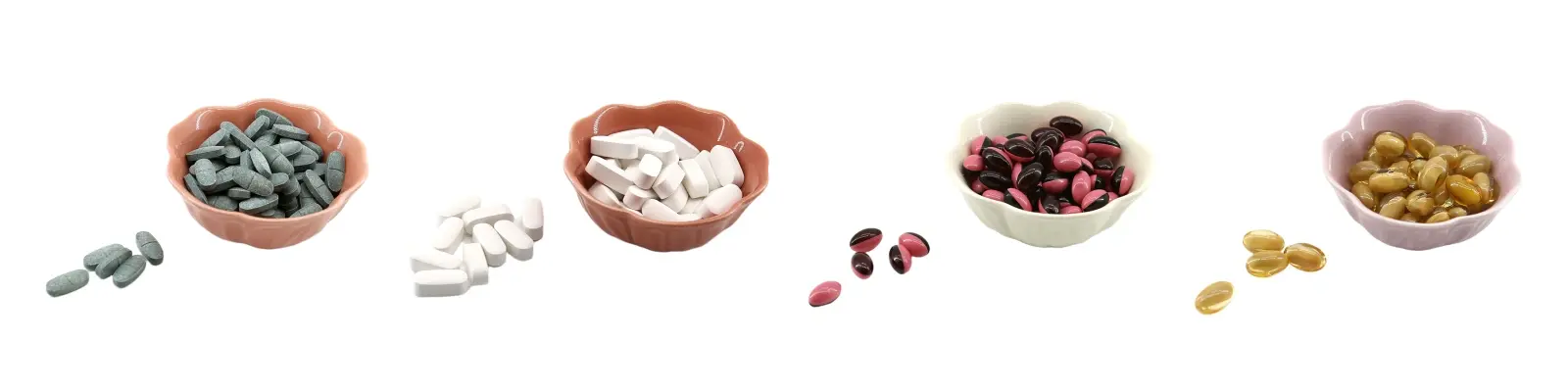
New delivery methods, including time-release pills that act slowly over time, effervescent tablets that taste better and are simpler to digest, and liposomal compositions that may increase medication bioavailability, provide innovative opportunities. Advanced delivery techniques may help items stand out and rationalize charging more in competitive marketplaces, particularly if stability and bioavailability data suggest they function better.
Building Strategic Supplier Partnerships
Open, collaborative supplier relationships are essential for long-term company success. When suppliers provide professional support, design assistance, and market data, they become strategic partners that help businesses compete. Check whether potential suppliers are willing to create a relationship with you by giving reasonable credit terms, attentive account management, and friendly customer care.
In marketplaces with similar ingredients, customization characteristics are becoming increasingly vital to differentiate providers. Partners in OEM/ODM development, bespoke particle size, specialized testing, and customized packaging requirements enable firms to produce new products and adapt to market changes rapidly. Small batch development is simpler when vendors have 1 kilogram minimum order quantities. Financial risk during formulation optimization is reduced.
Consumers and regulators expect field-to-product supply chain transparency. Your brand's image and compliance increase with suppliers that maintain precise records of where their raw materials originate from, allow you to examine their testing with a third party, and keep quality records. Audits and source assessments will ensure quality requirements are fulfilled, protecting your organization.
Conclusion
Senna Leaf Extract Powder represents a smart ingredient choice for companies in the health, nutraceutical, medicinal, and functional food industries. Its benefits for digestive health have been proven by science, and more and more people want green options. This makes it a valuable addition to any business. To be successful, you need to choose approved sources with proven quality systems, keep an eye on changing market trends, and make sure that your formulations are the best they can be in terms of both effectiveness and safety. Companies that put money into ethical product development, quality buying, and honest relationships with suppliers will be able to take advantage of chances in the growing market for botanical ingredients and build long-lasting competitive advantages.
FAQ
1. What is the typical dosage range for commercial senna products?
Most commercial goods have between 15 and 30 mg of sennosides per dose, which is the same as 75 to 150 mg of a 20% standardized extract. Herbal teas may use smaller doses to have softer effects, while pharmaceuticals may get close to the maximum dose allowed. Manufacturers who are responsible include clear directions on how to use their products, telling people how much to take and how long to take it for, usually no more than seven days in a row without medical advice.
2. What safety considerations should manufacturers address?
Manufacturers have to list the situations that should not be used, such as pregnancy, breastfeeding, intestinal blockages, and inflammatory bowel diseases. On the package of each product, it should say the maximum daily dose, the maximum amount of time it can be used, and any possible side effects, such as cramps or diarrhea. Responsible manufacturing avoids using too much sennoside, and reliable providers provide safety data to back up the right use guidelines. Keeping a lot of paperwork helps customers and lowers your risk of being sued.
3. How do organic and conventional senna powders compare?
Certified organic farming methods that don't use manmade fertilizers and pesticides mean that organic senna juice costs more. When both meet pharmaceutical-grade standards, there isn't much difference in quality between organic and conventional goods. However, consumers who care about the environment may choose organic products, which allow "organic" product labelling. When choosing between organic and conventional products, a cost-benefit study should take into account the tastes and price sensitivities of the target market.
Partner with HERBCOSHER for Premium Senna Leaf Extract Powder
HERBCOSHER offers pharmaceutical-grade senna extract and has been extracting plants for over 20 years and has many foreign approvals, such as FDA registration, ISO9001, GMP, Kosher, and Halal. Our 20% standardized sennoside content, which has been confirmed by HPLC testing, ensures that the strength is the same in every batch. This meets your recipe needs with dependability you can trust. We keep a lot of stock in our warehouse so that orders can be filled quickly. Bulk orders are shipped within 15 business days, and we offer flexible shipping terms from EXW to DDP to fit your needs.
As a provider of Senna Leaf Extract Powder that is vertically integrated, we offer full OEM/ODM customization services that include recipe creation, different dosage forms like powders and liposomes, and custom packaging solutions that meet the needs of your brand. Our partnerships with top Chinese colleges help us keep coming up with new ideas, and our global logistics networks make sure that our packages get to over 30 countries safely and on time. Our expert team is here to help you every step of the way, whether you need 1 kg samples for product development or production runs of several tons. For your next natural health product launch, email info@herbcosher.com right away to get product specs, third-party testing results, and competitive quotes.
References
1. Mengs U, Clare CB, Poley JA. Toxicity of Sennosides in Relation to Cathartic Use and Abuse. Pharmacology. 1988;36(1):180-187.
2. Marlett JA, Li BU, Patrow CJ, Bass P. Comparative Laxation of Psyllium with and without Senna in an Ambulatory Constipation Model. American Journal of Gastroenterology. 1987;82(4):333-337.
3. Brusick D, Mengs U. Assessment of the Genotoxic Risk from Laxative Senna Products. Environmental and Molecular Mutagenesis. 1997;29(1):1-9.
4. WHO Monographs on Selected Medicinal Plants, Volume 1. World Health Organization, Geneva. 1999.
5. Bradley PR, ed. British Herbal Compendium: A Handbook of Scientific Information on Widely Used Plant Drugs, Volume 1. British Herbal Medicine Association, Bournemouth. 1992.
6. Blumenthal M, Goldberg A, Brinckmann J, eds. Herbal Medicine: Expanded Commission E Monographs. American Botanical Council, Austin. 2000.