



Unlocking Ginger Extract's Benefits: A 2026 Wellness Guide
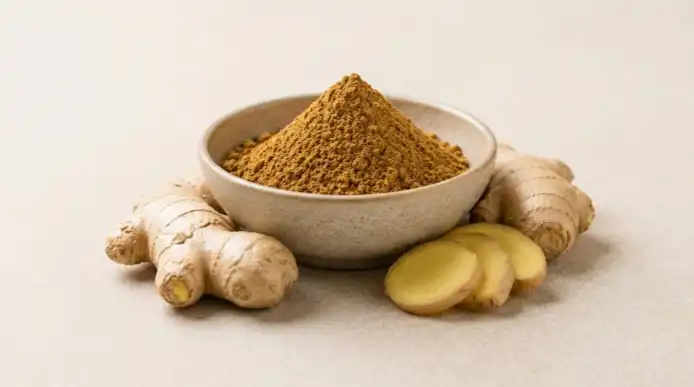
Zingiber officinale rhizomes are used to make Natural Ginger Extract, a key component in the wellness sector. This concentrated botanical solution solves product formulation problems like potency, bioavailability, and clean-label requirements. Natural Ginger Extract is becoming more valuable in nutraceuticals, functional foods, and cosmeceuticals, driven by customer demand for evidence-based natural ingredients with medicinal potential.
Understanding Natural Ginger Extract: Composition, Benefits, and Uses
The Science Behind Extraction Technology
Natural Ginger Extract is made via solvent extraction and supercritical CO2 processing. From the fibrous plant matrix, these methods separate beneficial chemicals such as gingerols (6-, 8-, 10-gingerol) and shogaols. Standardized extracts include 5% to 25% gingerol, proven by High Performance Liquid Chromatography, unlike raw ginger powder, with variable efficacy. This standardization addresses regulatory requirements for batch-to-batch uniformity in the industry.
Core Bioactive Components and Their Mechanisms
Gingerols are the main pharmacologically active ingredients in ginger's pungency and medicinal effects. Through COX-2 enzyme inhibition, these phenolic substances have an anti-inflammatory effect equivalent to pharmaceuticals but with better safety. Due to its concentration, Natural Ginger Extract may be used in capsules, pills, or beverage shots to attain therapeutic doses without the bulkiness of whole herb powders.
Multiple action mechanisms are confirmed by research. Gingerols improve gastrointestinal tone and gastric motility by boosting digestive enzyme production. Antioxidant chemicals neutralize free radicals that age cells. Natural Ginger Extract improves circulation and metabolism, making it a versatile health item.
Comparing Natural Ginger Extract with Other Ginger Products & Extracts
Natural Extract Versus Synthetic Alternatives
The difference between natural and synthetic ginger affects regulatory compliance and customer acceptance. Natural Ginger Extract from plants retains its phytochemical profile, including minor ingredients and volatile oils, for synergistic benefits. Chemically similar synthetic gingerols lack botanical complexity and are labeled differently in organic and natural product certifications.
Natural extract bioavailability studies show benefits. Gingerols are lipophilic, thus they need a suitable formulation for absorption. Natural extracts include complementary chemicals that help. Health-conscious manufacturers know that "natural" influences purchase decisions, with organic-certified extracts earning premium placement.
Powder, Oleoresin, and Standardized Extract Formats
To match ingredient specifications with product needs, procurement teams must understand format variances. Ginger oleoresin, a semi-solid concentration with volatile oils and spicy principles, is perfect for softgels and ointments. Standardized powder extracts integrate carriers to make oleoresins free-flowing solids for tableting and hard capsule filling. Each type has unique production efficiency and stability benefits.
Raw ginger powder is cheap but has microbial load issues and fluctuating active concentration (0.5%-1.5% gingerols). Through regulated processing and testing, concentrated extracts reduce these factors. Format selection relies on dose objectives, delivery mechanisms, and regulatory pathways.
Procurement Guide: Sourcing and Buying Natural Ginger Extract for Your Business
Global Supply Dynamics and 2026 Market Outlook
China produces the most high-quality Natural Ginger Extract worldwide. Established firms in this region benefit from closeness to raw material farming zones, advanced extraction infrastructure, and decades of technical refinement. Certified producers fulfilling ISO9001, GMP, FDA registration, and organic requirements are consolidating.
Supply chain resiliency is key. Leading vendors have horticulture relationships that track harvest to processing. This vertical integration reduces risks from raw material quality changes and contamination occurrences that disrupt botanical component markets.
Critical Evaluation Criteria for Supplier Selection
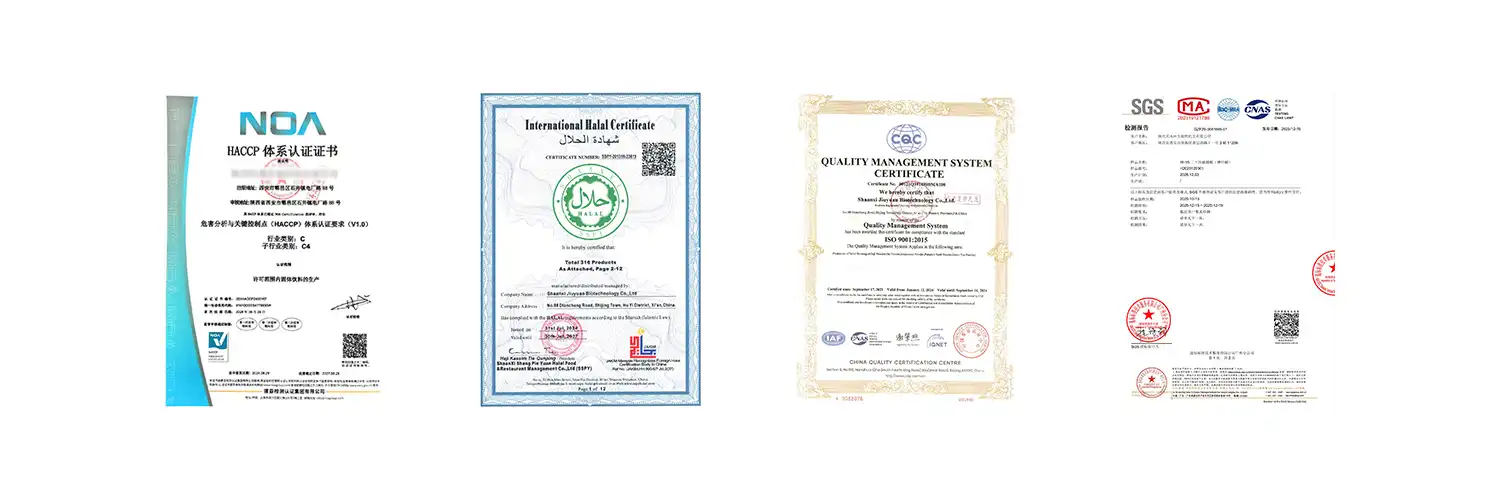
Procurement specialists must evaluate partners using numerous criteria. Certification portfolios evaluate target market compliance—USDA Organic and EU Organic for natural product channels, Kosher and Halal for specific consumer categories, and FDA registration for U.S. distribution. Get third-party gingerol, microbiological, heavy metal, and pesticide residue testing.
Manufacturing capabilities affect the supply dependability of Natural Ginger Extract. Warehouses of 4,000–5,000 square meters and inventory management systems enable bulk order fulfillment of Natural Ginger Extract. Can the supplier accept unique formulas, mesh sizes, and container configurations for Natural Ginger Extract? OEM/ODM streamlines private label development and time-to-market for Natural Ginger Extract.
Technical support separates premium from commodity providers. Formulation optimization and troubleshooting are easier with university-partnered R&D teams. Responses to regulatory queries, stability studies, and application recommendations provide value beyond ingredient cost.
Usage Guidelines, Dosage, and Safety Considerations
Recommended Dosage Ranges by Application
Natural Ginger Extract at 50-250 milligrams per serving, standardized to 5% gingerols, provides bioequivalence to 500-2,500 milligrams of fresh ginger root in nutraceuticals. Higher standardizations allow lower doses with effectiveness claims. Multi-ingredient compositions accommodate synergistic botanicals, whereas digestive health supplements target the upper end of this spectrum.
The parameters of cosmetic applications vary. Topical preparations use 0.5%-3% extracts to warm and circulate without irritation. Gingerols are lipophilic and can be easily included in emulsion systems, but formulators should verify their compatibility with additional active ingredients and preservatives.
Safety Profile and Contraindications
Natural Ginger Extract is safe at prescribed doses, according to a clinical study. Standardized extract consumption exceeding 5 grams per day might cause mild gastrointestinal discomfort. Ginger may cause platelet aggregation in anticoagulant patients, although its clinical importance is unclear.
Pregnancy and breastfeeding are special. Ginger has traditionally been used for morning sickness, but producers should advise customers to see doctors. Various countries have various pregnancy-related claim regulations, requiring legal assessment.
Why Choose Premium Natural Ginger Extract Brands? A B2B Buyer's Perspective
Quality Assurance as Competitive Advantage
Premium extracts justify procurement investments with measurable advantages. Consistent potency avoids batch variation issues that threaten product dependability and cause consumer complaints. Comprehensive testing assures adulterants, heavy metals, and microbiological contaminants are absent, safeguarding brand reputation and limiting liability.
Through 20+ years of botanical extract specialty, HERBCOSHER demonstrates this quality devotion. Collaboration with top research institutes like Northwest A&F University and Northwest University advances extraction and standardization methods. The academic alliance produces higher product performance and technical support that commodity vendors cannot match.
Supply Chain Reliability and Partnership Value
Ingredient supply disruptions of Natural Ginger Extract cause manufacturing delays, reformulation, and market misses. Supplier partnerships with strong inventory management, various sourcing routes, and proactive communication reduce these risks for Natural Ginger Extract. Due to seasonal volume changes and market demands, suppliers provide 15-day customisation of Natural Ginger Extract.
The value offer goes beyond ingredient sales to strategic partnerships. Suppliers that consult on formulation, regulation, and market information become internal R&D teams. This collaborative approach speeds product development and boosts competitiveness.
Future Trends Shaping the 2026 Market
Natural Ginger Extract procurement will follow several paths. Improved water solubility for beverage applications by nano-emulsification technology increases use. Blockchain traceability solutions demonstrate supply chain transparency from cultivation to delivery. Eco-conscious companies value regenerative agriculture and carbon-neutral production certifications.
Specialized formulations—extracts customized for demographics, delivery methods, or therapeutic targets—are in demand due to personalization. Wellness categories are becoming more specialist, and suppliers with flexible production and innovation pipelines will dominate.
Conclusion
As scientific validation grows and consumer demand for botanical remedies rises, Natural Ginger Extract's strategic significance in wellness product development grows. Understanding compositional intricacies, analyzing supplier skills beyond pricing criteria, and seeing quality as a long-term investment rather than a cost center are essential to successful procurement. Partners with qualified manufacturers with technical competence, supply chain resilience, and innovation are preferred in 2026. Procurement professionals get a competitive edge in the dynamic wellness industry by focusing on standardization, regulatory compliance, and collaboration.
FAQ
1. What differentiates ginger oleoresin from standardized powder extract?
Oleoresin, a viscous, oil-soluble concentration suited for softgel and topical formulations, retains volatile oils and maximum pungency. Standardized powder extracts convert oleoresins to free-flowing solids for tableting and capsule filling, making solid delivery easier to handle and more exact.
2. How can buyers verify the authenticity and quality?
Request HPLC analysis of Natural Ginger Extract concentration, third-party certificates of analysis for microbiological limits and heavy metals, and ISO, GMP, and organic certification credentials. Supplier audits should assess production facilities, quality processes, and raw material procurement methods to guarantee consistency.
3. What certifications should pharmaceutical and nutraceutical buyers prioritize?
ISO9001 quality control, GMP compliance, FDA registration for U.S. markets, and USDA/EU organic certifications are essential. Halal and Kosher certifications broaden markets. Drug master file paperwork and cGMP compliance may be required for pharmaceutical applications, depending on the regulatory process and country.
Partner with HERBCOSHER: Your Trusted Natural Ginger Extract Supplier
Pharmaceutical-grade plant extracts from HERBCOSHER are supported by 20 years of knowledge and strict quality standards. FDA registration, ISO9001 accreditation, and extensive organic credentials ensure compliance with the strictest international standards at our Natural Ginger Extract manufacturing plant. Manufacturers of nutraceuticals, cosmetics, and functional foods may use our flexible OEM/ODM services to create powder-to-liposome delivery systems in 15 days.
Our 4,000-square-meter warehouse holds a lot of inventory for bulk fulfillment, and our in-house logistics management assures dependable air, sea, and rail freight delivery worldwide. Innovative R&D cooperation with Northwest A&F University and Northwest University provides formulation optimization and technical problem-solving that commodity vendors cannot. Talk to us at info@herbcosher.com about your needs, technical documentation, or sample assessment. We provide excellent ingredients and prompt service to help you build products.
References
1. Mao, Q.Q., Xu, X.Y., Cao, S.Y., et al. "Bioactive Compounds and Bioactivities of Ginger (Zingiber officinale Roscoe)." Foods, 2019, 8(6): 185.
2. Haniadka, R., Saldanha, E., Sunita, V., et al. "A Review of the Gastroprotective Effects of Ginger (Zingiber officinale Roscoe)." Food & Function, 2013, 4(6): 845-855.
3. Palatty, P.L., Haniadka, R., Valder, B., et al. "Ginger in the Prevention of Nausea and Vomiting: A Review." Critical Reviews in Food Science and Nutrition, 2013, 53(7): 659-669.
4. Ballester, P., Cerdá, B., Arcusa, R., et al. "Effect of Ginger on Inflammatory Diseases." Molecules, 2022, 27(21): 7223.
5. Nikkhah Bodagh, M., Maleki, I., Hekmatdoost, A. "Ginger in Gastrointestinal Disorders: A Systematic Review of Clinical Trials." Food Science & Nutrition, 2019, 7(1): 96-108.
6. Semwal, R.B., Semwal, D.K., Combrinck, S., et al. "Gingerols and Shogaols: Important Nutraceutical Principles from Ginger." Phytochemistry, 2015, 117: 554-568.