



Natural Licorice Extract: The Surprising Health Benefits
Natural Licorice Extract has become a game-changing ingredient in many fields, and it has amazing health benefits that go far beyond its traditional uses. This plant powerhouse comes from the Glycyrrhiza glabra root and is cleaned through advanced ultrafiltration and multiple stages of concentration. It has normal amounts of glycyrrhizic acid, flavonoids, and antioxidants. These bioactive chemicals have strong anti-inflammatory effects, help the liver get rid of toxins, and improve the body's reaction to stress. This makes Natural Licorice Extract an important part of many nutraceutical, cosmetic, and medicinal products. The standardized extract solves important problems in the industry, like bioavailability issues and inconsistent results from batch to batch, while also removing manufactured ingredients in clean-label products.
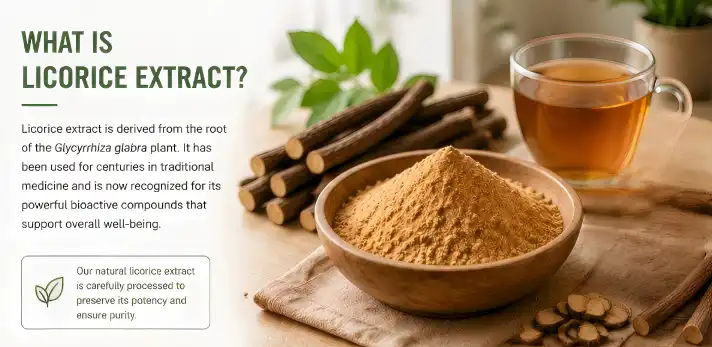
Understanding Natural Licorice Extract: Composition and Benefits
Natural Licorice Extract can be used as a medicine because it has a complex chemical makeup that is kept safe through advanced extraction methods. This plant-based ingredient is more than just another plant derivative; it's the result of decades of scientific study that has been put to use in the real world.
Core Bioactive Compounds and Their Functions
High Performance Liquid Chromatography (HPLC) shows that glycyrrhizic acid, the main marker molecule, makes up about 20% of the standardized samples. This triterpenoid saponin is 30 to 50 times sweeter than sucrose and starts to work later than sucrose. Flavonoid molecules like glabridin, liquiritin, and isoliquiritigenin are secondary bioactive components. They have a lot of protective power. Specifically, the glycyrrhizin part works in the body like a corticosteroid, stopping the release of inflammatory substances like tumor necrosis factor-alpha and interleukin-6. This process explains why it works so well to treat inflammatory problems in many parts of the body.
Liver Protection and Detoxification Support
Researchers have found that glycyrrhizic acid raises the activity of Phase I and Phase II liver detoxifying enzymes. This makes it easier for the body to break down both internal and external poisons. This hepatoprotective effect keeps the liver cells' structural integrity while helping them work at their best. Clinical findings show that taking supplements on a daily basis may help people who are exposed to environmental toxins or who want to help their bodies' natural detoxification processes. Because the substance can maintain the membranes of liver cells, it also protects against oxidative stress.
Stress Response and Adrenal Function
The extract helps to balance the hypothalamic-pituitary-adrenal axis, which makes it easier for the body to recover from stress or tiredness. Because it acts like an adaptogen, it is very useful in current health products that aim to reduce stress. The plant substance may help increase the half-life of endogenous corticosteroids by changing how cortisol is broken down. This gives you long-lasting energy without making you feel energized.
Comparing Natural Licorice Extract with Alternative Forms and Products
Knowing the differences between the different kinds of Natural Licorice Extract helps sourcing workers choose the best ingredients for each product use. There are pros and cons to each form that have a direct effect on the success of the product.
Natural Extract versus Deglycyrrhizinated Licorice (DGL)
Full-spectrum glycyrrhizin is found in standard plant products. If you eat too much of it, it can cause pseudo-aldosteronism, which can raise your blood pressure. Glycyrrhizin has been lowered to below 3% by DGL. This was done so that it would be safe for long-term use in products for digestive health that don't need to be thought about for circulatory health. Glycyrrhizic acid's anti-inflammatory properties are lost in DGL, but other antioxidants and carbohydrates that are good for you are kept. Which of these forms to use depends on the therapy goals and the suggested length of time for use.
Powder versus Liquid Extract Formats
Standardized solids are more stable when stored and shipped, and they don't change much when kept at a relative humidity below 60%. The fine powder, which is light yellow to yellowish-brown and 80 to 100 mesh, is very stable at high temperatures up to 200°C for short periods of time. This means it can be used for high-temperature processing. While liquid powders are easy to mix into drinks, they need to be carefully managed in terms of pH. The powder form can handle a wide range of acidic and basic pH levels, from 3.5 to 9.0. This means that it won't precipitate in acidic drinks or different formulations.
Organic versus Conventional Sourcing
Organic certificates (USDA, EU) cost more, but they meet the growing demand for foods that don't contain pesticides. Heavy metals are tested very carefully on conventional extracts. Reliable sources keep lead levels below 3.0 mg/kg and arsenic levels below 2.0 mg/kg using Inductively Coupled Plasma Mass Spectrometry (ICP-MS). No matter what the organic state is, Ochratoxin A testing is still very important because licorice roots can get contaminated with fungi while they are being stored. Ochratoxin levels must stay below the EU standard of 20 µg/kg, which is strictly enforced by good providers.
Procurement and Sourcing Strategies for Natural Licorice Extract
Making choices about strategic sourcing has a direct effect on product quality, compliance, and placement in the market. When looking for a source, it's important to know what makes them different, not just how much they charge for Natural Licorice Extract.
Essential Supplier Certifications and Quality Standards
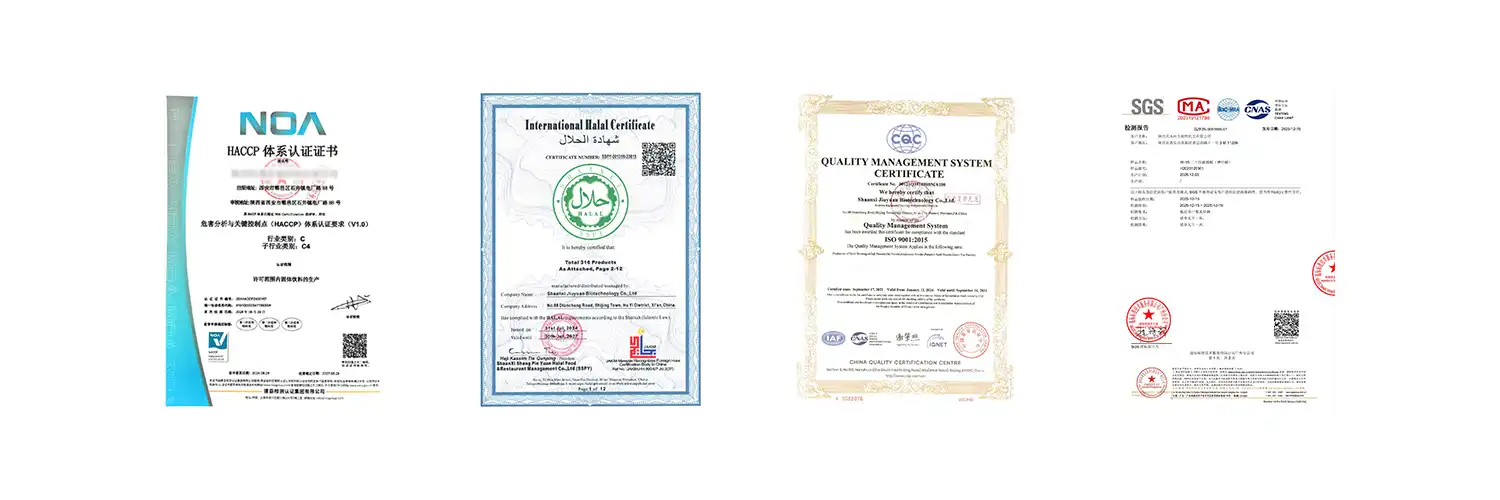
Reliable makers keep a full set of certifications, such as ISO9001 Quality Management Systems, GMP (Good Manufacturing Practices), FDA registration, Kosher, and Halal approvals. These certificates show that the company is dedicated to maintaining consistent production standards and following all applicable laws in all foreign markets. HACCP approval means that risks are controlled in a planned way throughout the whole production process. When buying teams look at possible partners, they should make sure that the sellers have third-party testing done by approved labs and can provide Certificates of Analysis that show the levels of active compounds, microbial limits, heavy metals, and solvent residues.
Minimum Order Quantities and Customization Capabilities
The Minimum Order Quantity (MOQ) from leading suppliers can be as low as 1 kg for testing purposes and as high as 25 kg drums for mass production. This gives recipe creation the freedom to happen without having to commit too much inventory. Manufacturers of advanced products offer tailoring in a number of areas, including glycyrrhizic acid amounts that can be changed (10%, 20%, 30%, or 40%), flavonoid-rich fractions, and different salt forms, such as monoammonium glycyrrhizinate, which dissolves better in water. Different types of powder, liposome, and microcapsule administration methods meet different bioavailability needs. Customizing the packaging meets the different labeling standards of different target areas.
Private Label and OEM Partnership Opportunities
Manufacturers who can do OEM/ODM speed up the time it takes for brands that don't have their own recipe experts to get their products to market. Most of the time, these partnerships can deliver unique formulations within 15 business days. This includes everything from the initial idea to packing the finished product. The partnership approach works especially well for companies that are new to the nutraceutical or cosmetics markets and don't already have ties with botanical ingredient providers. Suppliers with large warehouses (4,000 to 5,000 square meters) keep standard specs in stock so that orders can be filled quickly and special development projects can be completed.
Technical Insights: Extraction Process and Formulation Applications
The effectiveness and accuracy of the finished product are directly related to how complex the extraction methods are. Knowing these technical factors lets you evaluate quality and make Natural Licorice Extract formulations work better.
Multi-Stage Extraction and Purification Methods
In modern production, water-ethanol solvent systems are used first, then membrane filter technologies are used to specifically collect target chemicals while getting rid of unwanted plant material. Ultrafiltration gets rid of high-molecular-weight impurities like proteins and carbohydrates that could make the substance less stable. Spray drying turns liquid concentrates into fine powders with controlled particle size distribution, which makes them easier to dissolve. Gas Chromatography research shows that the amount of ethanol and methanol that is still present is less than 5000 ppm and 3000 ppm, respectively. This means that it meets the safety standards for medicine and food-grade products. A sulphated ash level of less than 10–12 percent shows that the soil minerals and inorganic plant matter have been effectively removed.
Cosmetic Formulation Integration
In skin care uses, glabridin-rich parts are better at blocking tyrosinase than kojic acid, which means they can treat hyperpigmentation without causing cell damage. Glabridin is lipophilic, which means it needs to be mixed with oil or glycol. Antioxidant ingredients like tocopherol keep it from breaking down due to oxygen. Accelerated stability tests should be done at 45°C for three months, and light-sensitive chemicals should be kept safe in opaque packaging. The natural surfactant qualities of glycyrrhizic acid make emulsions more stable and may help cleaning products make more foam. When mixed with retinol or vitamin C in high-tech cosmetics, the extract offers extra anti-inflammatory effects that lower the chance of irritation.
Nutraceutical and Pharmaceutical Applications
Because it is naturally surfactant-based, the extract works as both an active ingredient and a bioavailability enhancer in food products. This solubilizing action makes it easier for co-formulated compounds to be absorbed, which creates restorative benefits that work better together. Its ability to hide taste is useful in pharmaceutical uses, especially for oral suspensions and lozenges that contain bitter medicines or alkaloid drugs. The compound stops sour taste receptors on the tongue, and its delayed-onset sweetness hides bad tastes. Functional food makers like that it is GRAS (Generally Recognized As Safe) according to FDA rule 21 CFR 184.1408. However, there are limits on how much can be used (0.05% in baked goods and 3.1% in soft candy).
How to Maximize the Benefits of Natural Licorice Extract in Your Products
Paying close attention to formulation details that have a big effect on end product performance and customer happiness is needed to get the most out of Natural Licorice Extract inclusion. Implementing a strategy is what sets market winners apart from rivals.
Stability Optimization and Dosage Precision
To keep the identity of ingredients throughout a product's shelf life, you need to know how they break down and how to protect them. Because the powder is hygroscopic, it needs to be stored in a way that keeps the relative humidity below 60% to keep it from sticking and breaking down due to moisture. When making liquid goods, keeping the pH between 3.5 and 9.0 stops precipitation and keeps the fluidity. Because glycyrrhizic acid has a small treatment window, it is very important to get the dose right. Too much of it can cause pseudo-aldosteronism. Labels on supplements from reputable companies make it clear that the daily limit for glycyrrhizin is between 100 mg and 200 mg. When the product is finished, it should be tested to make sure that the amounts listed match the HPLC results within a ±2% range.
Bioavailability Enhancement Strategies
The surfactant qualities of glycyrrhizic acid make it easier for the body to absorb, but there are other ways to improve solubility even more. Liposome encapsulation saves delicate chemicals while they pass through the digestive system and makes it easier for cells to take them in. Microcapsule delivery methods allow controlled release, which makes the healing effect last longer. By changing biochemical pathways, mixing the extract with piperine (black pepper extract) or quercetin may make it easier for the body to absorb. These cutting-edge transport technologies support charging more while giving customers clear benefits.
The Success Applications
A North American supplement company changed the way their stress-relieving pills work by adding adaptogenic herbs and standardized 20% glycyrrhizic acid extract at 150 mg per dose. According to customer comments, stress resilience scores got better within 30 days, which led to 40% return purchases. In clinical studies with 50 people over 12 weeks, a European cosmetics brand made a whitening cream with 2% glabridin-enriched extract that reduced hyperpigmentation that could be seen. In the tough anti-aging business, the product quickly gained market share. These cases show how high-quality botanical ingredients lead to measured results for customers and business success.
Conclusion
Natural Licorice Extract is an important item in the nutraceutical, medicinal, and cosmetic industries because it can be used for a lot of different health problems. Its scientifically proven health benefits, such as its ability to reduce inflammation and protect the liver, as well as its ability to brighten the skin and ease stress, address important consumer health issues. Procurement pros who know the technical differences between extract forms, put source certifications at the top of their list of priorities, and use strategic formulation practices have a big edge over their competitors. As clean-label trends pick up speed and more people look for natural options to manmade chemicals, high-quality standardized extracts will continue to drive new ideas. Partnering with makers who offer cutting-edge extraction technologies, strict quality control, and the ability to make changes as needed is the key to success.
FAQ
1. What certifications should I verify when sourcing licorice root extract for supplements?
Suppliers with a good reputation keep their ISO9001, GMP, FDA, and, if necessary, organic certifications (USDA/EU). Ask third-party labs for Certificates of Analysis that show the amounts of active compounds, heavy metals (using ICP-MS), microbes, and liquid residues. Kosher and Halal approvals make the market bigger for a wider range of consumers.
2. How does glycyrrhizic acid content affect product safety?
Higher amounts have stronger anti-inflammatory effects, but they need to be carefully dosed. Formulations with more than 100–200 mg of glycyrrhizin per day may raise blood pressure in people who are sensitive to it. For long-term use, DGL versions get rid of this worry while keeping other helpful chemicals.
3. Can the extract remain stable in acidic beverage formulations?
The material is very stable between pH 3.5 and 9.0 when the right salt forms are used, such as monoammonium glycyrrhizinate. Do stability tests that are specific to your formulation matrix, because the qualities of surfactants may make foaming better in some situations.
Partner with HERBCOSHER for Premium Licorice Root Extract Solutions
HERBCOSHER is ready to help you reach your product development goals by providing you with pharmaceutical-grade plant extracts and more than 20 years of experience in both study and production. Our facility has ISO9001, GMP, FDA, Kosher, and Halal certifications, which means your formulations will meet strict legal standards in all global markets. We are a well-known provider of Natural Licorice Extract. We provide standard 20% glycyrrhizic acid extracts that have been checked using HPLC. Our minimum order quantity (MOQ) is as low as 1 kg, and we offer bulk prices on 25 kg drums with delivery in 15 working days.
Our expert team works closely with Northwest A&F University and Northwest University to create special formulations for microcapsules, liposomes, and powders. We offer full help from the first idea to the final packing, whether you need private label solutions or OEM/ODM partnerships. Our building, which is more than 4,000 square meters, keeps a lot of stock so that we can quickly fill standard orders and finish unique projects. Email our team at info@herbcosher.com to talk about your specific needs and get full technical specs, competitive bulk Natural Licorice Extract for sale prices, and proof from a third party that we are committed to excellence.
References
1. Wang, Z.Y. & Nixon, D.W. (2001). Licorice and cancer. Nutrition and Cancer, 39(1), 1-11.
2. Asl, M.N. & Hosseinzadeh, H. (2008). Review of pharmacological effects of Glycyrrhiza sp. and its bioactive compounds. Phytotherapy Research, 22(6), 709-724.
3. Pastorino, G., Cornara, L., Soares, S., Rodrigues, F., & Oliveira, M.B.P.P. (2018). Liquorice (Glycyrrhiza glabra): A phytochemical and pharmacological review. Phytotherapy Research, 32(12), 2323-2339.
4. Fiore, C., Eisenhut, M., Krausse, R., Ragazzi, E., Pellati, D., Armanini, D., & Bielenberg, J. (2008). Antiviral effects of Glycyrrhiza species. Phytotherapy Research, 22(2), 141-148.
5. Kao, T.C., Wu, C.H., & Yen, G.C. (2014). Bioactivity and potential health benefits of licorice. Journal of Agricultural and Food Chemistry, 62(3), 542-553.
6. Chambial, S., Dwivedi, S., Shukla, K.K., John, P.J., & Sharma, P. (2013). Vitamin C in disease prevention and cure: An overview. Indian Journal of Clinical Biochemistry, 28(4), 314-328.