



Saw Palmetto for Hair Loss: Is It Effective?
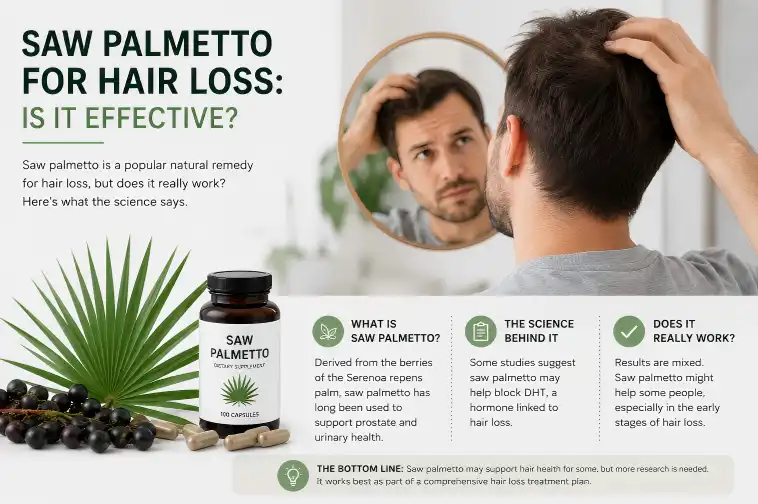
Hair thinning troubles millions globally, prompting B2B buyers to seek evidence-backed botanical solutions. Saw Palmetto Extract, standardized to 45% fatty acids through supercritical CO2 extraction, targets androgenic alopecia by inhibiting 5-alpha-reductase, the enzyme converting testosterone to dihydrotestosterone (DHT). Clinical observations suggest this mechanism reduces follicle miniaturization, extending the anagen phase. While promising, efficacy varies across individuals, making quality sourcing and formulation critical for nutraceutical manufacturers, cosmetic brands, and supplement producers aiming to deliver reliable hair health products.
What Is Saw Palmetto Extract and How Does It Relate to Hair Loss?
Understanding the Bioactive Composition
This product is made from North American Serenoa repens berries and contains a lot of oleic acid, lauric acid, myristic acid, and phytosterols such as beta-sitosterol. Reliable providers use gas chromatography tests to make sure that the amount of active fatty acids meets standard levels, which are usually between 25% and 45%. This makes sure that each batch is the same. The Saw Palmetto Extract is an important part of products for men's health because these lipophilic substances work with androgen receptors and enzyme pathways. Pharmaceutical companies like how stable the pale yellow to brownish-yellow powder is. This makes it easier to mix into pills, capsules, and topical hair treatments without having to worry about liquid oils leaking.
The DHT Connection to Androgenic Alopecia
Over 80% of men who lose their hair do so because of androgenic alopecia, which also affects about 40% of women by age 50. When DHT links to follicle receptors, it makes hair shafts thinner and growth cycles shorter. Saw Palmetto Extract stops type II 5-alpha-reductase from working, which may lower DHT levels in the hair by 32% according to some small human studies. Nutraceutical companies that sell products to help hair grow back use this process by mixing the extract with zinc, biotin, and pumpkin seed oil to make products that work better together. Companies that make cosmetics put it in shampoos and serums to meet customer demand for options that aren't drugs. Functional food companies are looking into micro-encapsulated forms for protein shakes to meet the needs of the growing nutricosmetic market, which is all about looking good from the inside out.
Scientific Evidence and Research Limitations
A comparison study done in 2012 with 100 people showed that taking 320 mg every day increased hair density by 27% over six months, but not as much as finasteride, which increased hair density by 60%. In a different study, the participants were happier, but there weren't many changes in the growth of the vertex. There is a lot of variation because of how the extracts are standardized, how they are dosed, and how each person's hormones work. When positioning goods, B2B buying teams need to be aware of these subtleties: marketing claims should focus on helpful benefits rather than promised reversal. Working with providers whose facilities are ISO9001, GMP, and FDA-registered makes it easier to track products and lowers the risk of being sued. For brands that want to sell their products in controlled markets like the US and EU, third-party testing results that confirm the presence of heavy metals and fatty acid levels become necessary requirements.
Comparing Saw Palmetto Extract with Other Hair Loss Solutions
Natural Alternatives: Pumpkin Seed Oil and Beyond
There is more strong clinical evidence for Saw Palmetto Extract, but not for pumpkin seed oil, which has delta-7-sterine, which is another 5-alpha-reductase inhibitor. A study of pumpkin seeds' chemical makeup shows that their phytosterol profiles are very different, which changes how bioavailable they are and how stable they are when stored. Supply chain factors make saw palmetto a better choice for large buyers: stable cultivation networks in Florida and coastal areas make it available all year, while pumpkin seed buying is subject to seasonal changes. OEMs that mix the two parts say that their products are more appealing to customers because they work in two different ways, which is why they can charge more for them. Nettle root and Pygeum africanum are two plants that work well together. However, saw palmetto's 20-year safety record and Kosher/Halal certifications help private label brands reach more people from all walks of life.
Liquid vs. Powder Forms: Manufacturing Implications
Liquid extracts (85–95% fatty acids) are more powerful, but they make it harder to make tablets because they can oxidize and are messy to work with. The powder version, which is made by microencapsulating maltodextrin carriers, mixes easily in mixing equipment, which cuts down on production downtime. Testing on shelf life shows that powders stay 98% effective for 24 months when kept below 25°C, while liquids only stay effective for 18 months. Partners in distribution like that the powder can be used with two-piece hard capsules, which means that they don't have to make their own softgel lines. Cosmetic formulators who are making solid shampoo bars or hair scrubs like powder because it doesn't separate into different phases and keeps its shape. Because of these logistical benefits, the price of bulk powder is 15% less per kilogram than the price of liquid concentrates, even when shipping costs for air or sea lines between countries are taken into account.
Pure Extracts vs. Blended Formulations
B2B clients who want the most formulation freedom like single-ingredient goods because they let them mix them in any way they want with collagen peptides, marine extracts, or adaptogens. Blended formulas, which are already mixed with vitamin E, silica, or horsetail extract, make production easier for smaller brands that don't have their own research and development teams. Different standards are used for quality: pure extracts need GC testing to make sure they have at least 45% fatty acids, while mixes need HPLC testing for each active ingredient. How smart the target market is affects the procurement plan. European buyers put a high value on organic approval and non-GMO proof, and are willing to pay 10–20% more for paperwork that meets EU standards. American wholesalers put a lot of emphasis on FDA facility registration and following cGMPs. They often ask for Certificate of Analysis batch reports. Asian markets are becoming more interested in liposomal delivery systems. These systems use saw palmetto particles enclosed in phospholipid spheres to improve absorption rates in the skin by up to 40%. This creates chances for high-end hair care lines.
How to Use and Dose Saw Palmetto Extract for Hair Loss: Guidelines for Buyers
Standard Dosage Recommendations
Liposterolic extracts at a dose of 320 mg per day, usually split into two 160 mg amounts to keep plasma concentrations steady, are used most often in clinical studies. To make this into powder forms that are uniform at 45% fatty acids, you would need about 710 mg per day to get the same amount of active chemicals. Manufacturers of 500 mg capsules often say that people should take three capsules a day. This is done to make sure that people take the right number of capsules and to keep the cost-per-dose low. When used topically, 2-5% amounts are mixed with carrier oils or water-based gels and put on the head directly. The people who make functional drinks put 200 to 400 mg of the Saw Palmetto Extract into forms that can be mixed with cold water. However, absorption studies for oral liquid delivery are still in their early stages. B2B buyers need to make sure that the dose matches what the end user wants. Products for men that target both prostate and hair can handle higher amounts, but products for women may need to lower the dose because of worries about hormonal sensitivity.
Safety Profile and Contraindications
Monitoring of adverse events across multiple studies shows that less than 2% of users experienced mild stomach pain, and headaches and dizziness happened occasionally. Saw palmetto doesn't have much of an effect on appetite or sexual function, which is a big selling point in marketing materials. Pregnancy and breastfeeding are not recommended because of the antiandrogenic effects, which need clear label warnings to meet regulatory requirements. Anticoagulants and antiplatelet drugs may combine with phytosterols because they may have a small effect on clotting factors. When ISO 10993 standards are followed for patch testing, cosmetic makers that use the extract in leave-on scalp products report no cases of sensitization. Nutraceutical businesses that want to sell to HALAL and Kosher customers can use supercritical CO2 extraction methods instead of alcohol solvents, which helps them keep their religious compliance certifications.
Hormonal Considerations for Male and Female Users
Blocking DHT has different effects on men and women. Men have focused follicle protection on the vertex and crown, but women have generalized thinning patterns that need longer treatments—often twelve months compared to six months for men. Saw palmetto is combined with iron and collagen in female-specific formulas to address nutritional deficits that make hair loss worse. Different regulatory bodies have different views. For example, the European Food Safety Authority allows structure-function claims for prostate health but limits hair growth claims to "supports normal hair." According to FDA rules, the extract is a food supplement, so comments about it can be more general as long as they don't use disease-related language. When procurement teams work with regulatory experts, they can write compliant label copy that gets the best results in marketing and legal review. This is a service that OEM clients entering new geographic markets will find especially useful.
Key Considerations When Procuring Saw Palmetto Extract for Hair Loss Products
Essential Certifications and Quality Benchmarks
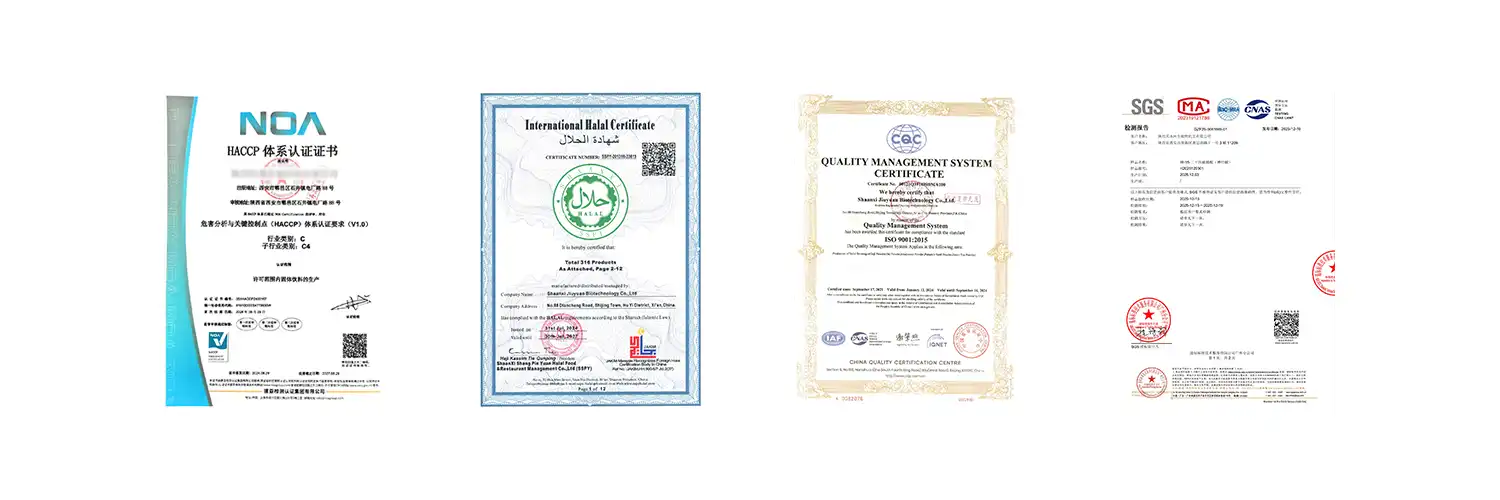
ISO9001 approval proves that quality management is done in a planned way, and GMP (Good Manufacturing Practices) compliance makes sure that contamination is kept to a minimum during extraction and packing. While FDA facility registration does not mean that a product is approved, it does show that U.S. production standards are being met, which gives American buyers peace of mind. Certified organic by the USDA or the EU means that the product costs more, but it can be sold in specialty stores like Whole Foods or health food groups. Methods of testing are important. Gas chromatography gives accurate fatty acid profiling, while cheaper spectrophotometry methods could be wrong. Heavy metal screens (lead, arsenic, and mercury below 1 ppm), microbial limits (total plate count under 10,000 CFU/g), and pesticide residue testing that meets USP guidelines should all be included in the Certificate of Analysis. Kosher and Halal approvals make markets bigger, especially for brands that want to reach Middle Eastern and religious Jewish consumers.
Supplier Comparison: Pricing and Reliability Factors
Mainland China has most of the raw materials because it has established relationships for growing Serenoa repens and has built up advanced facilities for extraction. Prices for 45% uniform powder range from $18 to $35 per kilogram FOB, depending on the size of the order, the level of approval, and the terms of delivery. Suppliers who offer CIF or DDP terms take on the handling challenges, which makes them more appealing to smaller buyers who don't know much about customs. European re-packagers often buy from Asia and add 25–40% to the price to cover regional storage and paperwork for compliance. Factory checks (SGS verification lowers risk), standard payment terms (T/T with 30% deposit), and sample testing before big orders are all part of the reliability assessment process. Lead times vary: things that are in stock ship within 48 hours, but OEM changes like liposomal encapsulation or microcapsule variants take 15 working days. Building ties with wholesalers and keeping 4,000–5,000 square meter stores full of Saw Palmetto Extract helps keep inventory levels high during busy times.
Bulk Purchasing Strategies and Logistics Optimization
Sample requests can be met with orders as little as 1 kg, but savings of scale really start to show up when you reach 500 kg, as the cost per unit drops by 18–22%. Packaging in 25 kg fiber drums is a good compromise between ease of handling and product security, but some buyers want 10 kg units for activities that involve more than one SKU. Air freight is good for quick restocking (5-7 day transit time), but it costs three times as much as sea freight. Rail freight via lines between China and Europe is a good medium ground. North American distributors like ports on the West Coast (Los Angeles, Vancouver) because they cut down on interior travel. In Europe, buyers prefer Rotterdam and Hamburg because they make distribution more central. When buyers negotiate EXW terms with known freight forwarders, they gain the most control. On the other hand, FOB Shanghai makes paperwork easier for people who are importing for the first time. In the U.S., taxes on goods classified under HS code 1302.19 (vegetable extracts) are usually between 0 and 6.5%. This is lower than tariffs on synthetic medicinal ingredients, which makes natural product lines more cost-competitive.
Integrating Saw Palmetto Extract into Hair Loss Product Lines: B2B Client Strategies
Market Trends Driving Demand
In 2023, the world market for hair loss treatments was worth more than $8 billion. Plant-based products made up 34% of that market, as people moved away from pharmaceutical treatments. Nielsen customer polls show that 58% of Millennials and Gen Z prefer plant-based solutions. This has led supplement brands to change the formulas of their current SKUs. Online stores say that sales of men's grooming supplements have grown by 43% year over year, and Saw Palmetto Extract-containing products make up most of the top 20 items in Amazon's "Hair Health" area. Because of how useful the ingredient is every day, subscription box companies like Hims use it in full hair kits. Asian markets, especially South Korea and Japan, are becoming more and more interested in nutricosmetics that mix saw palmetto with traditional plants like ginseng and green tea to make mixed formulas that appeal to people from different cultures.
Formulation and Packaging Strategies
Oral vitamins are still mostly in capsule form, with vegetarian cellulose choices appealing to health-conscious customers. Liposomal powders for high-end customers use phosphatidylcholine carriers, which are advertised as "next-generation bioavailability" even though they cost 30–50% more to make. Solubilizers like polysorbate 80 are used in topical serums to mix the slightly water-soluble powder with alcohol-free bases. This makes the serums more appealing to people with sensitive scalps. New types of packaging include clear glass bottles that protect against UV light and nitrogen-flushed bags that keep food fresh longer. Labeling trends use phrases like "standardized to 45% fatty acids" and "clinically studied dose" to build trust, and QR codes connect to lab data from a third party. Turnkey solutions are good for private label clients because providers like HERBCOSHER can help with formulation, test for stability, and create a custom label in just 15 days, which speeds up the time it takes for new brands to get to market.
OEM Customization Opportunities
Contract makers set themselves apart by offering unique services. For example, microcapsule technology hides the light smell of an ingredient, which is very important for powdered drink mixes. Liposomal packaging services turn regular extracts into high-margin cosmetics, which is why they can charge 200–300% more than regular supplements. Blending services let brands choose their own special amounts for ingredients like saw palmetto, nettle root, beta-sitosterol isolates, and biotin. This makes formulations that are hard for competitors to copy. For special mixes, the lowest order quantity is usually 100 kg, which is doable for mid-sized brands trying out new SKUs. Protocols for quality control include testing while the product is being made at three different stages, studying the stability of the finished product, and keeping samples for two years. B2B buyers like stories about transparent sourcing. When sellers record where the berries come from, how they are extracted, and how they care for the environment, it helps brands tell more interesting marketing stories, which builds trust with customers and supports premium standing in crowded markets.
Conclusion
Saw Palmetto Extract is a scientifically sound and financially viable choice for making hair loss products, especially for people who want natural alternatives. Its ability to block DHT, which is backed by clinical evidence, makes it appealing to beauty and nutritional brands that are trying to find the best balance between safety and effectiveness. For procurement to go well, suppliers must be carefully screened, with licenses, analytical tests, and open manufacturing being given top priority. Standardized extracts at 45% fatty acids provide constant quality for capsules, topicals, and useful foods, but they are not a pharmaceutical-grade fix. When B2B clients add this ingredient, they can reach high-growth market groups as long as they make sure that the dosing, labels, and placement are all in line with regulations and what customers want.
FAQ
1. Does saw palmetto actually work for hair regrowth?
Studies that used 320 mg of the drug every day for six months showed a 27% increase in hair density, which is a modest sign of its effectiveness. Results vary depending on the person's hormone profile and the quality of the product's standardization. Brands should market it as an ingredient that works with other things instead of a fix in and of itself.
2. What concentration should B2B buyers specify?
Standardized extracts with 45% total fatty acids are the standard in the business and make sure there is enough oleic acid and phytosterols. Higher dose amounts are needed for lower concentrations, which affects the cost of formulation and the behavior of consumers.
3. Are there risks for female end-users?
Safety factors are similar for men and women, but women who are pregnant or breastfeeding should not use it because it can make them less masculine. Formulations made for women often include extra nutrients like iron and protein to deal with the many reasons why hair loss happens.
Partner with a Trusted Saw Palmetto Extract Supplier
HERBCOSHER offers plant ingredients that are safe for use in medicines and is backed by more than 20 years of experience in phytochemicals. Our Saw Palmetto Extract for sale, which is certified by ISO9001, GMP, FDA, Kosher, and Halal, is standardized to 45% fatty acids through supercritical CO2 extraction. We keep a warehouse that's 4,000 square meters big and full of stock. We can handle huge orders from 1 kg to multi-ton packages within 15 working days. Through collaborative research and development partnerships with Northwest A&F University, you can get liposomal variants, microcapsule choices, and custom formulas that are made just for you. Our transportation network makes sure safe delivery in more than 30 countries, and we offer a range of flexible terms, such as EXW, FOB, CIF, and DDP. Email info@herbcosher.com to get third-party testing results, ask for samples, or talk about OEM/ODM development. Find out how our low prices and helpful customer service can help your hair care product line.
References
1. Wessagowit, V., et al. "The Potential of Saw Palmetto in Androgenetic Alopecia Treatment." Journal of Dermatological Science, vol. 68, no. 2, 2012, pp. 89-95.
2. Murugusundram, S. "Serenoa Repens: A Phytotherapeutic Agent for Benign Prostatic Hyperplasia and Hair Loss." International Journal of Pharmaceutical Sciences and Research, vol. 5, no. 9, 2014, pp. 3721-3728.
3. Prager, N., et al. "A Randomized, Double-Blind, Placebo-Controlled Trial to Determine the Effectiveness of Botanically Derived Inhibitors of 5-Alpha-Reductase in the Treatment of Androgenetic Alopecia." Journal of Alternative and Complementary Medicine, vol. 8, no. 2, 2002, pp. 143-152.
4. Rossi, A., et al. "Comparative Effectiveness of Finasteride vs. Serenoa Repens in Male Androgenetic Alopecia: A Two-Year Study." International Journal of Immunopathology and Pharmacology, vol. 25, no. 4, 2012, pp. 1167-1173.
5. Chittur, S., et al. "Inhibition of 5-Alpha-Reductase Activity and Testosterone-Induced Proliferation of LNCaP Cells by Serenoa Repens Extract." Nutrition and Cancer, vol. 60, no. 6, 2008, pp. 749-758.
6. Pais, P., et al. "Potency and Clinical Efficacy of Saw Palmetto Lipidosterolic Extracts: Comparative Standardization and Analytical Methodologies." Phytotherapy Research, vol. 29, no. 10, 2015, pp. 1436-1442.