



Phycocyanin Benefits: A Natural Treasure for Health
Phycocyanin is one of the most astonishing discoveries of nature, a stunning blue pigment-protein complex that is harvested from spirulina microalgae and has significant health advantages. Phycocyanin E40, the highest food-grade purity level, has better colouring power and bioactivity than other purity grades. It is the only natural blue colourant recognised by the FDA and has excellent antioxidant, anti-inflammatory and immune-boosting effects. As clean-label ingredients take the world stage, this spirulina-based jewel bridges the gap between functional nutrition and visual innovation, revolutionising goods in the food, beverage, supplement and cosmetic sectors.
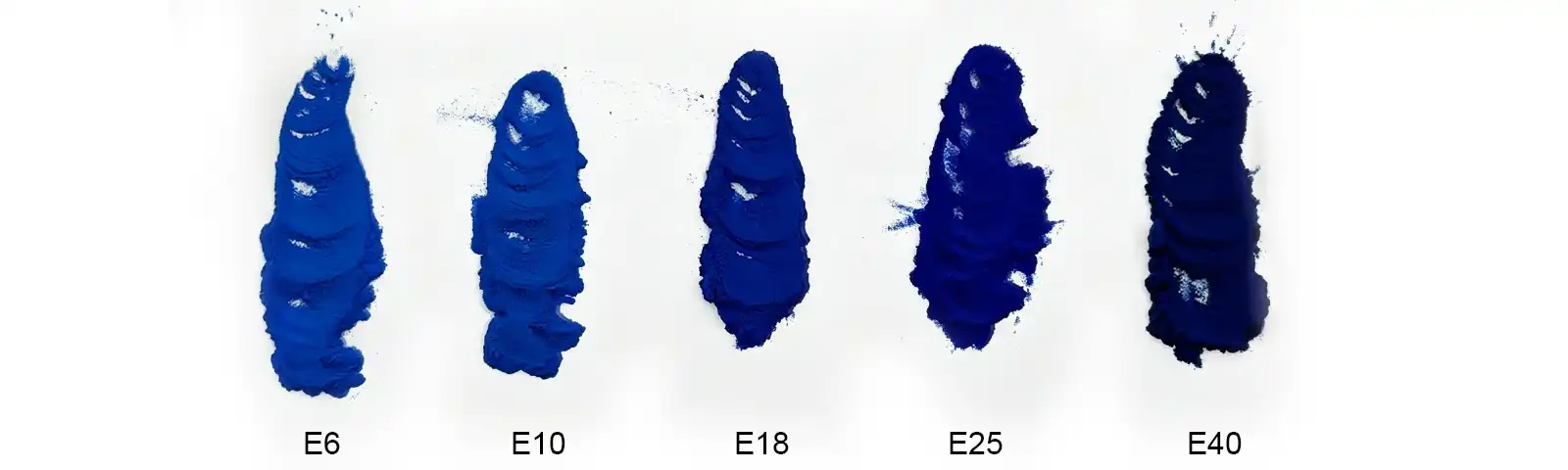
Understanding Phycocyanin E40 — Composition, Extraction, and Health Benefits
What Makes Phycocyanin E40 Unique?
Phycocyanin E40 is a standardised purity specification determined by UV-Visible Spectrophotometry with an A620/A280 ratio > 0.7. This means the purity is high and contamination with other spirulina components is low. E40 grade offers better colour brightness and less product use than lesser grades like E18 or E25, making it a cost-effective choice for mass production. The “E” designation refers to the intensity of the colour value, and the number refers to the concentration of active phycocyanin molecules per unit.
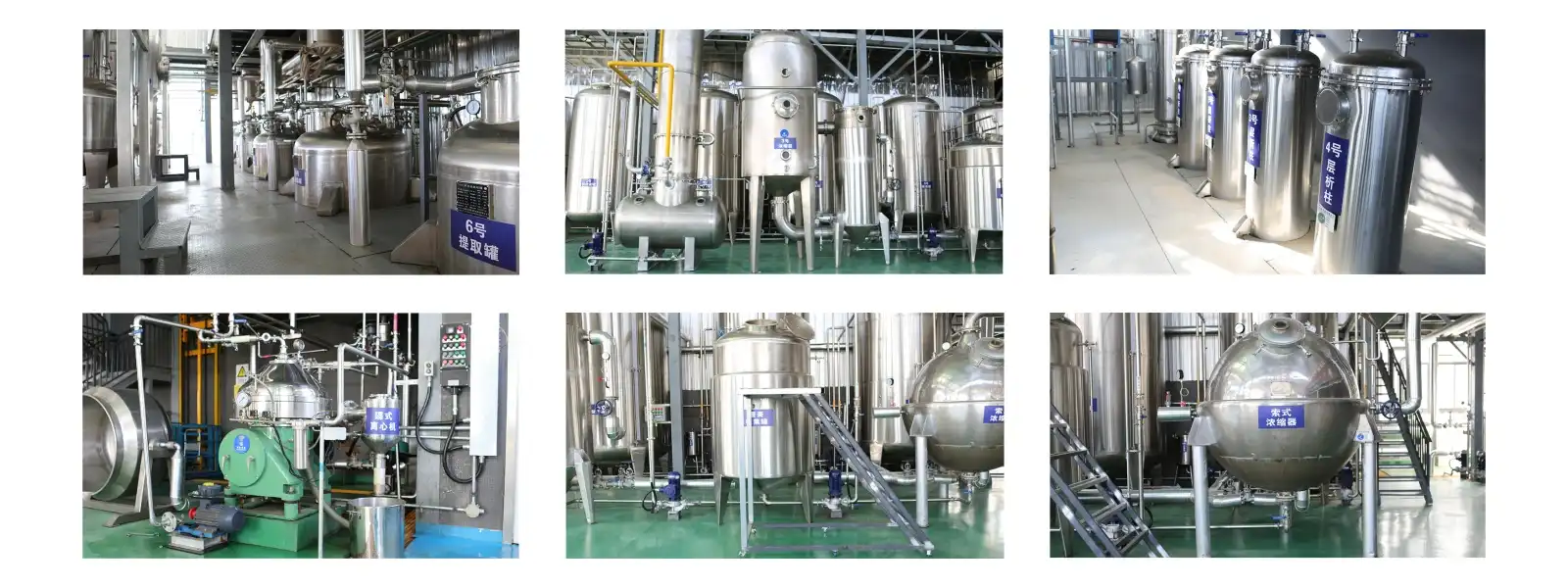
We start the water extraction and purification process using high-quality spirulina biomass grown in regulated settings. The gentle disturbance of cells releases the phycocyanin without harming its delicate protein structure. The aqueous extract is filtered in many stages, separated by membrane, then spray-dried and concentrated to meet E40 colour requirements. HPLC technology is used to evaluate heavy metals, microbiological and microcystin contamination in each manufacturing batch, which guarantees the colour value and safety of each delivery.
Health Benefits Backed by Research
Phycocyanin provides health benefits beyond its beautiful blue colour. This bioactive protein is an antioxidant and mops up free radicals that age the cells and cause chronic illnesses. Phycocyanin inhibits COX-2 enzymes similar to anti-inflammatory drugs, but without adverse effects. The pigment may protect brain cells from oxidative damage and inflammation.
According to laboratory studies, phycocyanin may stimulate the formation of white blood cells and natural killer cells. Premium grades with 60%+ protein give amino acids and colour. Sports nutritionists and fitness fanatics add it to the mix because phycocyanin reduces oxidative stress and aids recovery from activity.
Dosages depend on use and results. Functional foods provide 50-200 mg per serving, supplements offer more. Safety tests have shown satisfactory tolerability and no adverse effects at regular doses. It is water-soluble, absorbed quickly, but must be formulated to be stable.
Storage and Stability Considerations
To preserve the quality of phycocyanin, environmental conditions must be taken into account. B2B purchasers will need to evaluate the pigment’s susceptibility to heat, light, and acidic pH levels throughout their supply chain. This is stored in opaque packaging flooded with light and nitrogen to prevent oxidation and photodegradation. Shelf life is increased by refrigeration; however, well-sealed E40 powder has acceptable ambient temperature stability.
Phycocyanin formulators should take into account the pH between 5.5 and 7.5 for better colour retention. Temperature control is required in thermal processing since extended exposure over 60°C might lead to a loss of colour intensity. Microencapsulation and liposomal delivery methods provide novel approaches to increased stability in difficult applications such as baked foods or hot-filled drinks.
Comparing Phycocyanin E40 with Alternatives — Making Informed Procurement Decisions
E40 Versus Lower-Grade Specifications
Understanding phycocyanin grades helps procurement teams source strategically. E18 and E25 grades have less active phycocyanin, necessitating greater doses for equal colour intensity. This raises ingredient costs despite reduced per-kilogram prices. Phycocyanin E40 grade's strong colour payoff lets manufacturers minimise consumption while retaining visual impact.
Beyond colour performance, purity differs. Higher-grade phycocyanin has fewer leftover spirulina components, giving final goods neutral flavours. In sensitive applications like yoghurt, ice cream, and luxury drinks, off-flavors might hurt customer approval. The enhanced extraction procedure for E40 eliminates volatile chemicals that give spirulina its "pond" flavour.
E40 grade's higher expense is justified by lower use and better performance. A recipe requiring 200 mg of E18 grade may get the same results with 100 mg of E40 grade, half the dose and enhancing colour quality. Budget-conscious purchasers should compare supplier quotes by cost-per-application, not kilogram.
Natural Versus Synthetic Blue Colorants
Regulators increasingly choose natural colourants over synthetic ones. Brilliant Blue FCF (E133), a petroleum-derived synthetic dye, is under examination and customer rejection despite its low cost and stability. European markets favour natural colour sources, with many stores banning artificial colourants in private-label items. Phycocyanin meets regulatory and consumer needs with a clean label.
Besides regulatory compliance, natural phycocyanin has functional advantages that synthetic ones lack. Protein provides nutritional value and antioxidant action, turning a colourant into a functional element. This dual activity lets marketers promote "superfood ingredients" and "antioxidant-rich formulations" at premium prices and appeal.
Natural nature and skin compatibility make phycocyanin ideal for cosmetics. Some users may be sensitive to synthetic blue dyes, while phycocyanin is dermally tolerated. Premium skincare companies use the ingredient's blue-light protection and anti-inflammatory capabilities to fit the "blue beauty" trend.
Spirulina Powder Versus Isolated Phycocyanin
Whole spirulina powder is cheaper than separated phycocyanin for many consumers. Although nutritious, spirulina cannot equal the colour intensity and purity of isolated phycocyanin. Spirulina powder takes greater doses to become blue, frequently with green overtones from chlorophyll. The strong flavour restricts applicability, especially in delicate items.
Different bioavailability distinguishes these substances. Isolated phycocyanin absorbs better than spirulina's cellular matrix. In supplement use, bioavailability is crucial for medicinal benefits. The enhanced extraction technique concentrates active chemicals and removes indigestible cell wall debris, boosting effectiveness and user experience.
Selecting certified suppliers assures worldwide product dependability and regulatory compliance. Reliable producers give Certificates of Analysis, third-party testing findings, and regulatory compliance letters. Our ISO9001, GMP, FDA, Kosher, and Halal certifications demonstrate our dedication to quality across varied market needs.
Procurement Guide for Phycocyanin E40 — Strategic Sourcing for B2B Clients
Evaluating Supplier Credentials and Capabilities
Strategic sourcing begins with supplier evaluation. Purchasers should assess production, quality, and regulation before cooperating. Certified facilities demonstrate quality and risk reduction. Our partnerships with Northwest A&F University and Northwest University provide us with technical expertise and creativity, unlike commodity suppliers.
Production capacity and inventory availability dramatically impact supply chain reliability. Our 4,000–5,000 square meters of warehousing space lets suppliers respond rapidly to acute demands and seasonal demand fluctuations. This helps introduce new products or respond to unexpected market opportunities. Flexible 10 and 20 kg containers fit bulk production and experiments.
Transparent pricing and competitive commerce make budgeting and financial analysis simpler. To meet logistics capabilities and cost optimisation goals, buyers may pick EXW, FOB, CFR, CIF, DAP, and DDP for Phycocyanin E40. We accept client requests within company limits, but T/T payment assures security and traceability.
Minimum Order Quantities and Sample Programs
Manufacturers seeking new ingredients must consider entrance barriers. With a 1 kilogram minimum purchase, product development teams may conduct lengthy formulation trials without a big expenditure. This low MOQ promotes innovation and reduces assessment risk. Mass production is easy after formulation; orders are completed in 15 days.
Program samples should provide detailed technical documentation. In addition to product samples, manufacturers should provide Certificates of Analysis, safety data sheets, regulatory compliance documents, and application instructions. We provide complete sample packages to enable formulators to analyse ingredient performance across product concepts.
Projecting scaled production costs needs price certainty. Quotes across quantity tiers help buyers understand how volume commitments affect unit cost. The phycocyanin market was $152.32 million in 2022 and is projected to reach $279.6 million by 2030 at 28.1% CAGR. Demand is growing, but supply constraints may impact prices.
Logistics and Quality Preservation
Logistics management guarantees supply chain product quality. Phycocyanin requires heat, light, and moisture protection during shipment and storage. Our opaque packaging and nitrogen-flushed aluminium foil bags prevent UV degradation and oxidation. These precautions maintain colour intensity and bioactivity from production to use.
Air, maritime, and rail freight balance cost and speed. Urgent prototype development may justify air freight, but frequent marine replenishment orders may save money. Our real-time logistics management system delivers transparency and proactive delay remedies.
Geography affects supplier choice. China produces most spirulina and phycocyanin because of its environment and processing facilities. We are in this supply chain ecosystem in Shaanxi Province, among top research institutions and skilled technicians. Human resources and natural advantages maintain competitiveness.
OEM and ODM Partnership Opportunities
Value-added services go beyond supplies. OEM/ODM lets companies outsource formulation, manufacturing, and packaging without losing brand identity or market position. New product development is accelerated by our stability, dosage form, and regulatory compliance specialists.
Application issues are solved via unique formulation. Powder, liposome, and microcapsule phytocyanin have advantages. Lipoencapsulation promotes bioavailability and stability, whereas microencapsulation protects against environmental challenges during processing and storage. Our team suggests delivery solutions based on application and production.
Private label agreements provide companies without manufacturing capabilities several choices. From formulation to packaging, we provide market-ready goods. This reduces resources and operational complexity, allowing enterprises to focus on marketing and customer acquisition rather than manufacturing.
Phycocyanin E40 in Action — Real-World Applications and Case Studies
Food and Beverage Innovation
On Instagram and TikTok, visually attractive "blue food" is trending. Phycocyanin, the only natural blue food colouring, allows this. Photos of smoothie bowls with the ingredient improve brand awareness and social sharing. Protein validates functional food and superfood marketing beyond appearances.
Water solubility and clean flavour make phycocyanin helpful in drinks. Blue protein shakes, functional beverages, and smoothies get colour and nutrition from the ingredient. Antioxidants improve health, and natural origin is clean-label. Ice cream and frozen dessert companies offer experimental tastes including blue vanilla, blue moon, and ocean.
Confectionery applications of phycocyanin are problematic because of its heat sensitivity, yet imaginative approaches work. Pasteurisation and light baking work well for microencapsulated powders and liquids. The chemical offers candies, frostings, and specialised sweets stunning blue hues without synthetic colouring. Parents seeking natural children's products want clear labels.
Dietary Supplements and Nutraceuticals
Superfood powder mixtures include phycocyanin for colour and function. A blue material has antioxidant and anti-inflammatory effects. Supplements with concentrated phycocyanin extracts enhance immunity and reduce oxidative stress. It gives nutrition and colour in protein supplements due to its high protein content.
Sports nutrition grows rapidly. Recovery formulations reduce exercise-induced inflammation and oxidative stress with phycocyanin. In a competitive market, blue stands out and promotes nutrition and performance-optimising themes. The substance improves pre- and intra-workout beverages visually and functionally.
Dosage flexibility aids product positioning. Mass-market supplements may include 50–100 mg per serving for colour and function. For better health, superior therapeutic formulations may include 200-500 mg per serving. Third-party potency and purity testing supports label claims and regulations.
Cosmetic and Personal Care Applications
Premium skincare uses phycocyanin for antioxidant and blue-light protection. Blue light skin damage concerns develop with screen usage. Phycocyanin-infused serums, moisturisers, and masks treat this ailment, with blue colour signifying active components. Antioxidants protect skin from free radicals in anti-aging solutions.
Topical usage requires purity and microbial control. Cosmetic-grade phycocyanin is treated for skin contact safety. Water solubility simplifies incorporation into aqueous serums, emulsions, and gels. Concentration might have mild or powerful blue effects based on product concept.
Innovative natural substances with noticeable properties are prominent in Korean and Japanese cosmetics. The blue pigment is fashionable and useful. European natural cosmetic firms acknowledge the ingredient's clean-label and regulatory clearance. Our Halal and Kosher certifications satisfy global consumers and expand markets.
Sustainability and Ethical Sourcing
Environmentally friendly spirulina cultivation. Fast-growing microalgae create oxygen and consume carbon dioxide on little land. Production requires less water and garbage than conventional farming. These features make phycocyanin eco-friendly and brand-sustaining.
Brand reputation and consumer trust increase with ethical sourcing. Our supply chain openness lets companies identify ingredient origins and production methods to satisfy complex client requirements. EU Organic and USDA Organic certifications ensure purity and sustainability. This documentation boosts brand credibility with eco-conscious buyers.
From spirulina production to powder distribution, quality and traceability are guaranteed. Vertical integration reduces risk and improves quality. With 20 years of phytochemical experience, we optimise product quality and efficiency.
Conclusion
Phycocyanin stands at the intersection of visual innovation, functional nutrition, and clean-label formulation. The Phycocyanin E40 grade represents the premium standard, delivering exceptional color intensity, purity, and bioactive potency. As consumer preferences shift toward natural ingredients and visual appeal gains importance in product differentiation, this spirulina-derived blue protein emerges as an essential ingredient across food, beverage, supplement, and cosmetic applications. Understanding the technical specifications, application considerations, and sourcing strategies outlined here empowers procurement teams to make informed decisions that balance quality, cost, and market positioning objectives.
FAQ
1. What Dosage of Phycocyanin Should Products Contain?
Recommended dosages vary by application and intended benefits. Functional food and beverage products typically incorporate 50-200 mg per serving, sufficient for visible blue coloration and basic antioxidant benefits. Therapeutic supplement formulations targeting immune support or anti-inflammatory effects may contain 200-500 mg per serving. Sports nutrition applications often fall within the 100-300 mg range, balancing functional efficacy with cost considerations. Always consult with formulation specialists to optimize dosage for specific product concepts and market positioning.
2. How Does Natural Phycocyanin Compare to Synthetic Blue Dyes?
Natural phycocyanin offers clean-label positioning, regulatory advantages in markets restricting synthetic dyes, and functional benefits beyond mere coloration. Synthetic alternatives like Brilliant Blue FCF provide superior stability and lower cost but face consumer rejection and regulatory scrutiny. The growing preference for natural ingredients drives brand reformulation toward phycocyanin despite technical and cost challenges.
3. What Certifications Should Buyers Verify?
Priority certifications include ISO9001 for quality management, GMP for manufacturing practices, and FDA registration for US market access. Kosher and Halal certifications expand market reach, while Organic certifications support premium positioning. Third-party testing documentation verifying purity, heavy metal limits, and microbial specifications provides essential quality assurance.
Partner with a Trusted Phycocyanin E40 Manufacturer
HERBCOSHER brings over 20 years of phytochemical expertise to every client relationship, combining advanced extraction technology with rigorous quality systems. Our Phycocyanin E40 supplier credentials include comprehensive international certifications and partnerships with leading Chinese research institutions. We maintain substantial inventory within our 4,000-5,000 square meter warehouse, enabling rapid order fulfillment and customized OEM/ODM services completed within 15 working days. Whether you're developing blue smoothie bowls, functional supplements, or innovative cosmetic formulations, our technical team provides comprehensive support from initial sampling through scaled production. Contact our team at info@herbcosher.com to discuss your specific requirements, request technical documentation, or arrange sample shipments.
References
1. Chaiklahan, R., et al. (2018). "Enhanced Production and Extraction of Phycocyanin from Spirulina platensis: Economic and Technical Considerations." Algal Research, 32, 234-241.
2. Li, W., Su, H., Pu, Y., Chen, J., Liu, L., Liu, Q., & Qin, S. (2019). "Phycocyanin: A Potential Drug for Cancer Treatment." Journal of Cancer, 10(17), 4058-4066.
3. Martelli, G., Folli, C., Visai, L., Daglia, M., & Ferrari, D. (2014). "Thermal Stability Improvement of Blue Colorant C-Phycocyanin from Spirulina platensis for Food Industry Applications." Process Biochemistry, 49(1), 154-159.
4. Rimbau, V., Camins, A., Romay, C., González, R., & Pallàs, M. (2001). "Protective Effects of C-phycocyanin Against Kainic Acid-Induced Neuronal Damage in Rat Hippocampus." Neuroscience Letters, 315(1-2), 58-62.
5. Romay, C., González, R., Ledón, N., Remirez, D., & Rimbau, V. (2003). "C-phycocyanin: A Biliprotein with Antioxidant, Anti-inflammatory and Neuroprotective Effects." Current Protein and Peptide Science, 4(3), 207-216.
6. Sekar, S., & Chandramohan, M. (2008). "Phycocyanin Pigment from Spirulina platensis: Purification and Bioactivity Assessment." Journal of Scientific and Industrial Research, 67, 658-667.