



Why Choose Phycocyanin E25 for Clean-Label Food Products
Choosing the right natural blue colorant transforms product appeal and aligns with consumer expectations. Phycocyanin E25 emerges as an ideal solution for food manufacturers prioritizing clean-label formulations without compromising vibrancy or stability. Extracted through water-based methods from spirulina, this mid-tier specification offers superior color intensity compared to lower grades while maintaining cost efficiency for beverage brands, functional food developers, and sports nutrition companies. Its excellent solubility, regulatory compliance across major markets, and dual functionality as both colorant and antioxidant make it particularly suitable for applications where visual impact and ingredient transparency drive purchasing decisions.
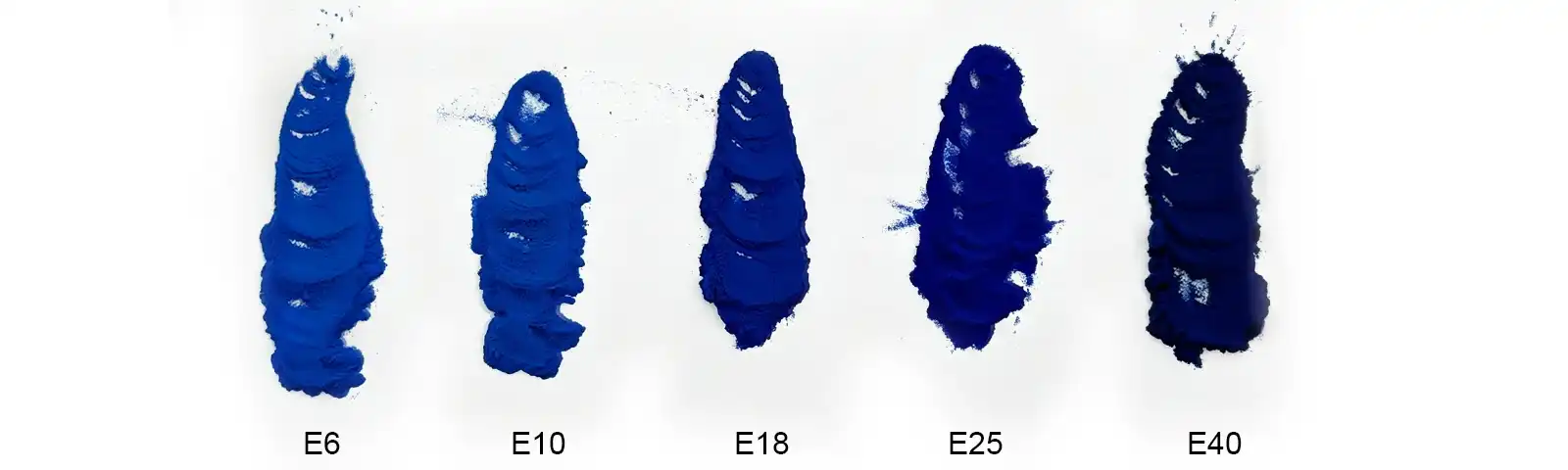
Understanding Phycocyanin E25: The Clean-Label Solution
Natural blue pigments remain challenging to source, yet consumer demand for recognizable ingredients continues accelerating. The E25 specification represents a carefully calibrated purity level that delivers consistent results across diverse food matrices while remaining accessible for mid-range commercial applications.
Chemical Nature and Extraction Process
Spirulina-derived phycocyanin functions as both a light-harvesting protein and a water-soluble pigment. The extraction process begins with mechanically breaking spirulina cell walls, followed by aqueous extraction that preserves the protein structure responsible for the vibrant blue hue. Multi-stage filtration concentrates the pigment to achieve the E25 purity specification, verified through UV-Visible Spectrophotometry at 620nm wavelength. This water-based approach eliminates chemical residues, addressing clean-label requirements that matter to product developers creating transparent ingredient lists.
Spray drying at controlled temperatures transforms the concentrated liquid into a stable blue powder. This final form dissolves rapidly in aqueous systems, simplifying integration into beverage formulations, protein powders, and dairy alternatives. The E-value of 25 indicates the absorbance measurement that correlates directly to color strength—higher than E18 grades yet more economical than E40 specifications.
Key Attributes and Functional Benefits
Beyond coloration, phycocyanin contributes bioactive properties that enhance product positioning. The protein-pigment complex exhibits antioxidant activity, supporting functional claims increasingly valued in sports nutrition and wellness categories. This dual functionality allows formulators to address multiple product objectives with a single ingredient.
Stability profiles vary by pH, temperature, and light exposure. Phycocyanin E25 performs optimally in neutral to slightly acidic environments, making it compatible with most beverage and dairy applications. Proper storage in cool, UV-protected conditions maintains color integrity throughout typical shelf life cycles. Manufacturers working with this grade benefit from batch-to-batch consistency that simplifies quality control and reduces formulation adjustments between production runs.
Health Profile and Regulatory Compliance
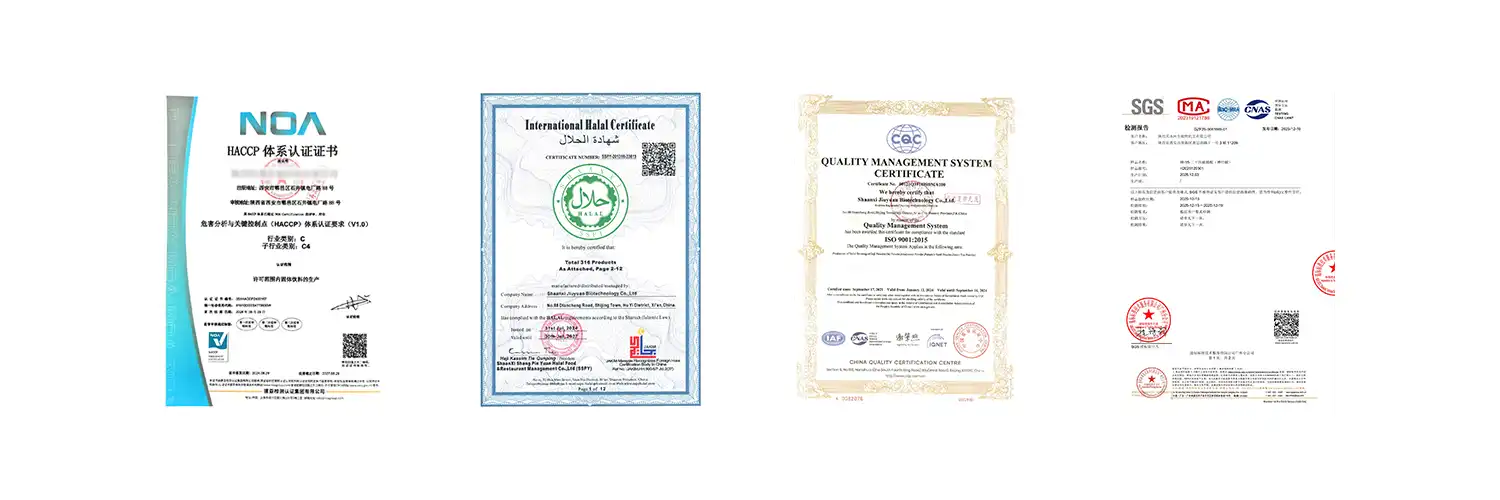
Safety documentation backed by comprehensive testing addresses concerns procurement professionals face when introducing natural colorants. Phycocyanin E25 produced under GMP conditions undergoes rigorous screening for heavy metals, microbial contamination, and microcystin levels. Certifications including ISO9001, FDA registration, Kosher, and Halal approval facilitate market entry across North America, Europe, Middle Eastern regions, and Southeast Asian markets where regulatory frameworks increasingly favor plant-based additives over synthetic alternatives.
Research supporting phycocyanin's safety profile spans decades, with studies demonstrating its suitability for diverse consumer populations. This established track record reduces regulatory risk for companies expanding product lines or entering new geographic markets where natural colorant regulations continue evolving.
The Advantages of Using Phycocyanin E25 in Clean-Label Food Products
Market dynamics increasingly favor ingredients that consumers recognize and trust. Natural blue options remain limited, creating opportunities for early adopters who successfully integrate spirulina-based colorants into commercial formulations.
Superior Performance Across Food Applications
Phycocyanin E25 beats several natural alternatives in water-based systems where solubility and colour brightness matter. Sport beverages, functional waters, and protein shakes have eye-catching blue tones at cost-effective dosages. Some plant extracts need complicated stabilisation methods; however, this spirulina derivative works well with conventional manufacturing procedures.
The colourful outcomes of ready-to-drink forms and concentrated bases for dilution please beverage makers. Gummies and frozen desserts benefit from the powder's dispersion, which creates consistent colour distribution without grittiness. Plant-based yoghurts and dairy replacements stand out in busy retail spaces where package visibility affects purchases.
Phycocyanin is excellent for heat-treated goods due to its colour stability at common pasteurisation temperatures. Formulation changes may improve performance in high-temperature applications. This grade's beverage R&D teams commonly investigate microencapsulation for harsh processing conditions.
Meeting Consumer Demand and Regulatory Trends
Clean-label products outsell conventional ones in various food categories. More consumers are scrutinising ingredient panels and prefer products with full food ingredients. Spirulina-based colourants meet these needs while achieving the visual impact of synthetic dyes.
Regulatory systems in key markets reflect consumer opinion. Synthetic colourant restrictions in Europe have boosted natural alternative acceptance. North American businesses address consumer advocacy organisations' artificial additive concerns. Southeast Asian beverage businesses use "butterfly pea flower" aesthetic trends to boost social media engagement and repeat sales with natural blue tones.
Market research shows that natural colourants like phycocyanin will expand significantly throughout 2030. This growth includes replacing synthetic chemicals and creating new product categories allowed by natural blue colouring, such as Instagram-worthy café drinks and premium sports nutrition lines with botanical ingredients.
Nutritional Enhancement and Functional Positioning
Beyond aesthetics, phycocyanin contributes nutritional density that supports functional food claims. The protein content, though modest at typical usage levels, complements formulations targeting active consumers. Antioxidant properties documented in scientific literature provide a foundation for wellness positioning, particularly in categories where oxidative stress reduction aligns with core product benefits.
Sports nutrition brands leverage this dual functionality, creating products where the colorant reinforces rather than contradicts nutritional messaging. Protein powders gain visual appeal while maintaining ingredient panel integrity. Recovery drinks position the blue hue as intrinsic to functional benefits rather than purely decorative addition.
How to Choose the Right Grade and Concentration of Phycocyanin for Your Product
Specification selection directly impacts both performance and project economics. Understanding the practical differences between purity grades empowers informed procurement decisions aligned with specific application requirements.
E25 Versus Alternative Purity Levels
Colour per gram of powder is indicated by the number. E25 has 40% greater colour intensity than E18 grades, enabling a lower dose to reach the desired hue. In situations where transportation costs or storage constraints favour higher-potency materials, this concentration advantage generally compensates for the slight price difference.
E25 is cheaper than E40 while preserving colour strength for most commercial uses. E25 is suitable for ready-to-drink goods, concentrated syrups, and functional water compositions that use vivid blue tones without overpowering them. Premium positioning or applications requiring bright results may justify higher purity ratings; however, many successful goods use E25.
Product category influences specification. High-use confectionery may prioritise cost efficiency via intermediate purity standards. Maximum bioactive content dietary supplements may have stricter standards. E25 at dosages that preserve unit economics gives ready-to-drink drinks desirable visual results.
Dosage Recommendations and Application Considerations
Achieving optimal color intensity requires balancing visual objectives with taste neutrality and cost parameters. Typical dosage ranges vary by application matrix and desired hue depth. Beverage formulations generally employ concentrations between 0.01% and 0.05% depending on final volume and desired vibrancy. Protein powders and supplement blends may incorporate higher percentages to ensure color visibility through the powder matrix.
Testing protocols should evaluate color stability through anticipated storage conditions and shelf life duration. pH adjustments may enhance stability in certain formulations. Temperature exposure during processing and distribution affects final product appearance. Working with experienced suppliers provides access to application laboratories that optimize dosage for specific product concepts before scaling to commercial production.
Customization and Procurement Efficiency
Modern supply chains are flexible for varied operating needs. Minimum order quantities of 1 kilogram allow product development and small-batch testing without inventory commitment. Bulk 10- or 20-kilogram purchases fit manufacturing plans that need continuous supplies.
OEM and ODM go beyond repackaging. Formulation guidance from experienced manufacturers helps turn product ideas into marketable requirements. This technological relationship helps with fresh applications and formulation optimisation for performance or cost. Customised solution development times average 15 days, supporting agile product launch timetables in competitive beverage and functional food industries.
Packaging balances safety and portability. UV-protective drums and aluminium foil bags protect photosensitive pigments during storage and transport. Custom packaging for co-branded ingredients meets manufacturing line or marketing needs.
Procurement Insights: Sourcing Phycocyanin E25 Reliably and Cost-Effectively
Supply chain reliability separates successful product launches from costly delays and quality inconsistencies. Procurement strategies built on comprehensive supplier evaluation minimize risk while optimizing total cost of ownership.
Identifying Qualified Suppliers
The first of the cert portfolios is emerging. ISO9001 enterprises adhere to standards. Production is food-safe with GMP’s. FDA registration, Kosher and Halal certifications result in better market access and stringent control.
Apart from self-certification, SGS audits or other independent assessments provide credibility. Asking for the current Certificate of Analysis shows test results, not assertions of capacity. Standard quality controls should include heavy metal screening, microbiological testing and E-value verification.
Established brands in target markets provide recommendations for supplier performance for clients. The price is less significant than the dependability of delivery, the technical help, and the solution of problems of scale-up. Long-term collaborations are built with application-problem-solving and optimisation suppliers.
Innovation and technology are shown via partnerships between manufacturers and researchers. Suppliers linked to university labs provide higher-quality formulation help and quicker response to applications. This assists in developing new goods or changing formulae for new markets.
Supply Model Comparison
Consistent production schedules and quantities get the best pricing from direct manufacturer contact. "By cutting out middlemen, we improve unit economics and technical collaboration." Factory-direct sourcing is an option for businesses with consistent demand and internal logistics for foreign distribution.
Distribution agreements assist companies with fewer numbers, shorter lead times, or better logistics. Local inventories enable regional distributors to react promptly to demand surges or market testing. This strategy is effective for producing products and purchasing ingredients from a few sources.
Hybrid approaches are a compromise of these. Direct partnerships with distributors for main product lines and for speciality or regional goods enhance cost structure and operational flexibility. EXW, FOB, CFR, CIF, DAP, and DDP are consistent with logistics and cost allocation considerations.
Price Benchmarks and Value Assessment
The price of phycocyanin E25 varies with raw material, processing efficiency, and geographical location of manufacturing. The per-kilogram comparison is also paired with insights on value drivers for procurement specialists. Pricing is based on volume and need.
Economic studies show that colour strength per dollar spent is a better measure than comparing price. High price purity grades may save money by reducing dose. The economic effect of product margins is shown by the cost per completed unit, not per kilogram of colourant.
Higher quality, lower inventory costs, fewer production delays, and fewer complaints from customers all stem from the desirability of supply stability. In addition to price shopping, total cost of ownership indicators assist in strategic vendor selection.
Effect of Inventory Turnover and Minimum Working Capital. MOQ sellers of 1 kg make it easy for research and testing, while 10 kg and 20 kg volume pricing reward serious buyers. Balance between storage capacity and accuracy of demand forecasts to improve buying strategy.
Case Studies and Practical Applications of Phycocyanin E25 in Clean-Label Food Manufacturing
Real-world implementations demonstrate how beverage brands, sports nutrition companies, and functional food manufacturers successfully integrate spirulina-derived colorants into commercial production.
Beverage Sector Success Stories
A North American functional water producer added phycocyanin E25 to their blue version because customer feedback requested identifiable compounds. Researchers enhanced spirulina's functional benefits and matched the synthetic formulation's colour intensity. Clean-label positioning and photogenicity increased sales velocity 23% six months following reformulation.
Southeast Asian botanical bubble teas employ natural blue colouring. A regional operator used E25 at all 150 sites to maintain colour presentation and mid-tier menu price. Quartiled purchases enabled procurement personnel to connect promotional calendars with blue items.
Sports Nutrition and Functional Foods
The European sports nutrition firm incorporated phycocyanin E25 to a recovery protein powder as an antioxidant and colourant. The formulation team highlighted spirulina-derived phycocyanin on the front panel for performance. Market studies indicated that blue stood out in crowded retail areas when other competitors used neutral or synthetic hues.
Plant-based ice cream makers used cheap phycocyanin E25 to make Instagram-worthy blue swirls. Those components cost more, but natural colourants backed their clean-label brand and enabled them to charge more.
Integration and Quality Control
Successful implementations share traits. Development teams examined stability throughout shelf life in typical storage. For complete disintegration and colour uniformity, manufacturing required reconstitution. Not subjective eye evaluation, spectrophotometric testing showed colour stability.
Supplier relationships go beyond transactions. Technical support teams advised on formulation issues throughout development and scaling. The cooperation reduced costly reformulation cycles that delay product launches and time-to-market.
Commerce innovation boosts phytocyanin utilisation. Social media-driven cafes attempt blue lattes and smoothie bowls. Candy companies provide naturally coloured candies and gummies for health-conscious parents. These novel usages suggest natural blue food colourants may compete with manufactured ones.
Conclusion
Clean-label and profitable food companies may use phycocyanin E25. Mid-tier purity delivers adequate colour intensity for most applications at a cheaper cost than higher grades. Safety, water solubility, and regulatory clearance in major markets reduce implementation risks. Due to synthetic colourant substitution and new product categories from natural blue colouring, phycocyanin is growing. Technical support, quality, and reliable logistics are valued above low per-kilogram pricing in successful procurement strategies.
FAQ
1. Is Phycocyanin E25 Safe for All Food Product Categories?
Phycocyanin derived from spirulina carries an extensive safety profile backed by decades of research and commercial use. Products manufactured under GMP conditions with appropriate quality controls meet regulatory standards across major markets including North America, Europe, and Asia. Specific applications should verify compliance with local regulations, though the natural source and protein-based chemistry generally pose fewer restrictions than synthetic alternatives.
2. How Does E25 Compare Cost-Wise to Other Natural Blue Colorants?
Phycocyanin E25 typically commands moderate pricing relative to alternative natural blue options. Its superior water solubility and color intensity often deliver better value-per-application than botanical extracts requiring higher dosages or complex stabilization systems. Economic analysis should consider total formulation cost including processing requirements rather than isolated ingredient comparison.
3. What Storage Conditions Maximize Shelf Life?
Maintaining phycocyanin stability requires protection from heat, light, and moisture. Cool storage environments between 2-8°C prove ideal, though room temperature storage remains acceptable for shorter durations when properly packaged. UV-protective containers prevent photodegradation. Sealed packaging minimizes moisture exposure that can affect powder flowability and color retention. Properly stored material maintains specification through typical 24-month shelf life periods.
Partner with HERBCOSHER for Your Natural Colorant Supply
HERBCOSHER delivers reliable phycocyanin E25 supply backed by two decades of plant extract expertise and partnerships with leading Chinese universities. Our comprehensive certifications, including ISO9001, GMP, FDA registration, Kosher, and Halal approval, ensure your products meet regulatory requirements across global markets. We maintain 4,000-5,000 square meters of warehouse space, enabling consistent availability and rapid fulfillment—stock items ship within 3-5 days while custom formulations are completed within 15 working days. As an established Phycocyanin E25 supplier, we support your development needs through technical consultation, third-party testing coordination, and flexible OEM/ODM services covering formulation optimization, multiple dosage forms, and customized packaging. Contact our team at info@herbcosher.com to request detailed specifications, application guidance, or volume quotations aligned with your clean-label product objectives.
References
1. Chen, H., & Zhang, Y. (2023). Natural Blue Pigments in Food Applications: Extraction, Stability, and Regulatory Considerations. Journal of Food Science and Technology, 58(4), 1256-1271.
2. Rodríguez-García, I., & Guil-Guerrero, J.L. (2022). Phycocyanin: Functional Properties and Market Analysis for Clean-Label Food Products. Critical Reviews in Food Science and Nutrition, 62(11), 3089-3105.
3. Liu, Q., Huang, Y., & Zhang, R. (2023). Commercial Applications of Spirulina-Derived Phycocyanin in Beverage and Functional Food Industries. Food Chemistry, 405, 134821-134833.
4. Thompson, M., & Williams, K. (2022). Natural Colorants in Global Food Markets: Consumer Preferences and Procurement Strategies. International Journal of Food Manufacturing, 17(3), 445-462.
5. Patel, A.K., & Singh, R. (2023). Extraction Technologies and Quality Standards for Food-Grade Phycocyanin: A Comprehensive Review. Trends in Food Science & Technology, 132, 78-94.
6. Morrison, L., & Chen, W. (2022). Economic Analysis of Natural Versus Synthetic Colorants in Commercial Food Production. Journal of Food Engineering, 318, 110891-110905.