



Phycocyanin E18 in Functional Foods: Uses and Formulation Ideas
One ingredient is always a game-changer in the food sector in the form of natural blue colourants that are visually appealing and have functional advantages. This Phycocyanin E18 blue pigment-protein combination, extracted and purified from spirulina algae with water, provides a clean-label answer to the rising consumer need for transparency and health-conscious formulations. This is our entry-level specification with a standard colour value of E1% ≥180 at 618nm. It’s a great compromise between cost and performance, and especially appealing to small to mid-sized firms looking to explore natural colours without breaking the bank.
Understanding Phycocyanin E18 — Composition, Benefits, and Functional Properties
What Makes This Blue Pigment Unique
The blue powder we’re talking about is a finely calibrated pigment-protein combination generated from spirulina using mild aqueous procedures that maintain molecular integrity. Contrary to synthetic alternatives such as Brilliant Blue FCF, this natural colourant has phycobiliproteins that provide dual functionality via colour production and antioxidant action. The E18 implies a certain grade of purity, with the colour value being a minimum of 180 as evaluated by UV-Visible Spectrophotometry at 618nm wavelength. The standardisation also guarantees that the product will behave uniformly throughout manufacturing batches. This is essential for producers that need to maintain quality control of their formulas.
Nutritional and Functional Profile
This spirulina extract is not only beautiful in its blue colour but also rich in bioactive chemicals with antioxidant effects. The pigment-protein complex contains chromophores responsible for the colour and also free radical scavenging properties. Studies have shown that phycobiliproteins may enhance anti-inflammatory responses and immunological function in functional food matrices. The water-soluble nature and protein content of this substance result in improved digestibility and bioavailability over fat-soluble synthetic colours. The extraction procedure uses no organic solvents, allowing product producers to also boast a cleaner component profile compliant with GRAS, Kosher and Halal certification standards.
Stability Considerations for Formulation Success
Knowledge of the stability properties of this natural blue colourant is vital for effective product development. The pigment is very stable in neutral to mildly alkaline media and is most active in the pH range of 4.5–8.0. Processing must include temperature sensitivity—manufacturing at temperatures below 60°C helps to retain colour intensity and antioxidant activity. Packaging is typically recommended to be made from UV-blocking materials, as the chromophore structure might deteriorate over time when exposed to light. When formulating with this chemical, we found that microencapsulation or liposomal delivery methods may greatly improve stability in demanding conditions such as acidic drinks or high-temperature baking.
Comparing Phycocyanin E18 with Other Phycocyanin Grades and Spirulina Extracts
Purity Spectrum and Performance Differences
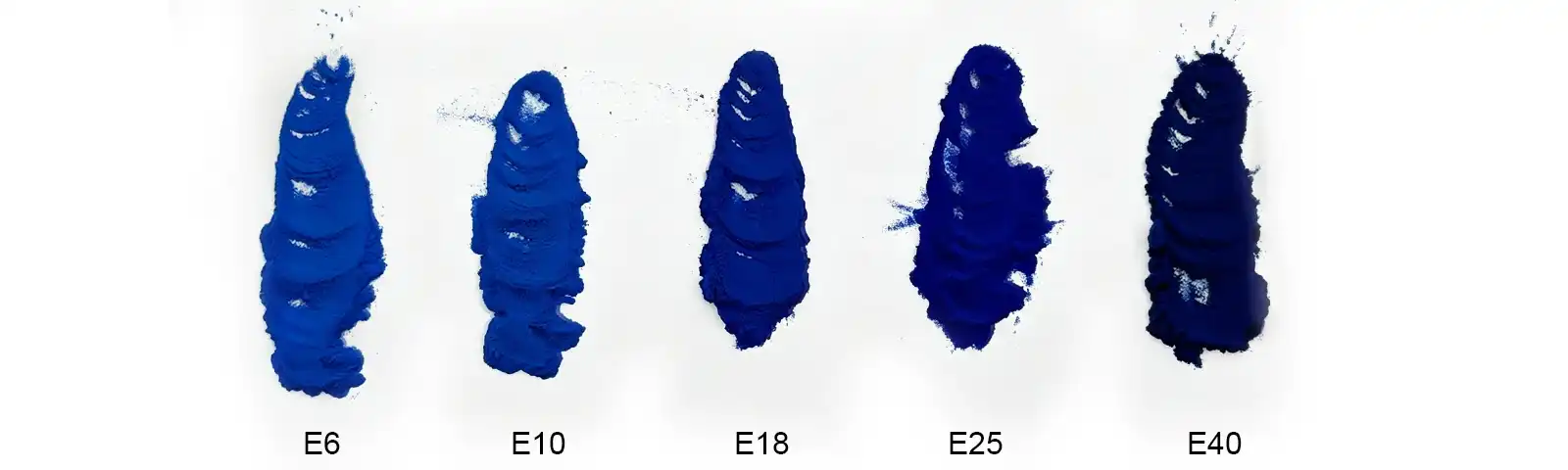
The natural colourant market has several grades available to accommodate varied application demands and financial concerns. E6 lower specs are for basic blue colour. They are the least expensive, but need greater use rates to attain desired colours. Mid-range solutions in the E10-E12 range provide more colour strength for general use. The E18 standard we are looking at here is a middle ground, offering almost three times the colour intensity of E6 grades, but still being affordable compared to luxury E25 or E40 specs. This stance is especially advantageous for developing businesses trying natural blue applications without committing to premium-grade price structures.
Cost-Quality Analysis for Procurement Decisions
Buyers on a budget sometimes ask whether the Phycocyanin E18 standard merits the extra expense over lesser grades or synthetics. The economic study offers some fascinating insights. Although E18 is more expensive per kilogram than the E6 grades, it has a greater colour value, thus producers require less to get the same effects. This corresponds to decreased transportation costs, less storage space, and easier formulation computation. Natural blues fetch a premium over synthetic blues but also provide clean-label marketing benefits that increasingly influence purchase choices. Brands targeting health-conscious consumers usually see the trade-off as beneficial since the use of natural colourants contributes to their brand image and loyalty.
Application Suitability Across Product Categories
Varied product kinds have varied purity requirements depending on the production circumstances and the results intended. The E18 grade is especially suitable for applications where moderate heat is involved and where formulation costs need to be optimised. It works well in smoothie powders, protein shake mixtures and confectionery items, where its water solubility makes it easier to include. It is stable in cold processing, which is good for plant-based yoghurt substitutes and dairy-free ice creams. Beverage applications at pH 5.0 to 7.5 provide great colour retention. Premium supplement capsules or pharmaceutical-grade applications may need higher E25 or E40 standards, but for functional food items aimed at mainstream markets, E18 offers consistent performance at a low price.
Practical Uses and Formulation Ideas of Phycocyanin E18 in Functional Foods
Beverage Applications and Color Stability
Natural blue colouring offers visual uniqueness in emerging market sectors including sports nutrition drinks and functional waters. This spirulina extract may be used in the formulation of drinks depending on desired colour intensity. We propose beginning with 0.05-0.15% concentration. Its water-soluble properties guarantee full disintegration with no sediment development that plagues other synthetic alternatives. Moderate quantities of citric acid. Excess acidity (below pH 4.0) might alter the blue tone toward green. Natural stabilisers such as pectin or gum arabic may be used in combination to prolong colour retention throughout shelf life. Cold-fill processing is best; however, short-time pasteurisation at 72°C may be used if cooling is quick.
Confectionery and Bakery Innovations
Natural colours are being used more in the candy and gum business due to regulatory pressure and customer preferences. This blue powder blends well with hard candy compositions when dissolved into the syrup phase before heating. It is compatible with gelatin and pectin systems, which is exploited in gummy applications. Typical use rates will vary from 0.1-0.3% depending on the intensity of the chosen shade. This colourant is very good for bakery decorations, including icings and frostings, especially in goods that do not need high-temperature baking. This natural colour gives royal icing applications a lasting bright blue colour. Baking temperatures make cake batters more difficult, although heat stability may be enhanced during oven exposure by mixing the colourant with protective substances such as tapioca maltodextrin.
Dairy Alternatives and Plant-Based Products
This spirulina-based colourant is especially useful for plant-based ice cream businesses who are working to develop attractive goods that express health messaging. The protein structure of the colour is a good match to the bases of coconut milk, almond milk and oat milk often utilised in dairy replacements. For cultured goods (e.g., plant-based yoghurts), the stability of colour during fermentation is maintained when pH stays within optimum limits. Excellent freeze-thaw resilience, so the colour stays brilliant throughout numerous freeze cycles with no appreciable loss. Blue + yellow = green. You may mix the blue with a natural yellow pigment ( turmeric, beta-carotene, etc ) to get nice greens. This is great for things like matcha and tropical flavours.
Supplement and Functional Food Formulations
This ingredient's two-for-one value appeals to dietary supplement makers who may claim both colouring and antioxidant advantages for their products. The blue powder may be used as a natural coating colourant or as an internal ingredient in capsule and tablet formulations. The blue varieties are also used in protein powder mixes for fitness buffs as a mechanism of product line distinction. The suggested dose for colouring is 50- 200 mg per serving, but some formulas bump this up to boost the antioxidant value. Maintaining a moisture level of less than 8%, which our production process routinely accomplishes via regulated spray drying procedures, ensures that powder mix stability remains outstanding.
Procurement Guide for Phycocyanin E18 — Sourcing, Pricing, and Supplier Selection
Evaluating Supplier Credentials and Capabilities
“A manufacturing partner is key to long-term success in natural ingredient procurement. We suggest you use numerous significant bases for supplier evaluation of Phycocyanin E18. Manufacturing certifications like ISO9001, GMP, FDA registration, Kosher and Halal verification represent compliance with quality systems and market access. Experience in production is quite important – organisations with 20 years of phytochemical experience are usually able to produce more consistent goods than those that are new to the field. Working with universities shows you have technical depth and an ability to innovate. Look for partners who have direct links to academic institutions such as agricultural colleges that can give research assistance and quality control know-how.
Understanding Pricing Structures and Order Flexibility
The cost of natural colourants varies depending on the purity, quantity ordered, and market factors. Due to its balanced performance qualities, the E18 standard often sits in the middle of the price range. For smaller companies, entry-level MOQ restrictions are a key deciding factor. Some suppliers demand minimum order quantities of 25kg or 100kg, which is difficult for startups with limited funding and storage space. Our strategy has a 1kg MOQ, so businesses can do their due diligence before committing to greater orders. Available in 10kg and 20kg pack sizes, providing flexibility for expanding enterprises. At volume levels of approx. 100kg, 500kg and 1000kg, pricing becomes more favourable with bulk reductions reflecting lower handling and packing expenses.
Logistics and Delivery Considerations
International ingredient acquisition involves extensive logistical planning to ensure product quality and delivery dependability. We have enough stock of typical specs in our warehouse of 4,000-5,000 square meters, and we can deliver the order within 15 working days for standard items. Air freight offers the speed of delivery for urgent needs, often to large markets in 5-7 days. Sea freight is cheaper for bigger purchases and takes 3-5 weeks depending on location. Rail travel is a developing alternative for certain areas with increasing infrastructure. Terms of trade such as EXW, FOB, CFR, CIF, DAP and DDP cater to the varying preferences of buyers regarding the transfer of risk and the sharing of costs. Our logistics team works with partners throughout the world to guarantee adequate handling, temperature control in transit, and accurate customs paperwork.
Quality Assurance and Documentation
Verification of the Certificate of Analysis (CoA) is the foundation for quality procurement. Each manufacturing batch should be tested for purity standard (E1% 618nm ≥180), purity ratio (A618/A280 ≥2.0), heavy metals (Pb <2ppm, As <2ppm, Hg <0.1ppm), microbiology (Total Plate Count <1,000 CFU/g, pathogens negative), and moisture content (≤8%). Third-party testing from recognised labs may also give extra verification when entering new markets or meeting strict client criteria. Batch consistency monitoring helps to discover any manufacturing variances that may influence formulation performance. Ordering samples from many manufacturing batches before placing significant orders gives confidence in the dependability of the provider. To guarantee all shipments satisfy international food-grade requirements, our quality system includes HPLC analysis, ICP-MS heavy metal testing, and complete microbiological screening.
Why Trust Phycocyanin E18 for Your Functional Food Products — Brand and Market Insights
Manufacturing Excellence and Innovation
Shaanxi Herbcosher Phychemistry Co., Ltd. has over 20 years of expertise in plant extract research, development, and manufacture, serving the natural colourant industry. Our production plant has state-of-the-art extraction technology and strict process controls that maintain constant product quality. Partnerships with Northwest A&F University and Northwest University provide us access to leading-edge research and development skills that ensure our manufacturing processes are always at the bleeding edge of the industry. We don’t use harsh chemicals to extract and purify our water, so our end product is actually cleaner than techniques that rely on organic solvents. Multi-stage filtering concentrates the phycobiliprotein content and removes undesired proteins and contaminants that might influence flavour or stability. Before packing, each manufacturing batch is checked by UV spectrophotometry to verify the E18 calibration and that the colour value is within specification.
Market Trends Driving Natural Colorant Adoption
Consumer knowledge of artificial additives is increasing, and this is forcing food producers to look for natural alternatives in all food product categories. Tougher labelling rules in a number of places that emphasise artificial colourings have created marketing hurdles for businesses that use traditional ingredients. The clean-label movement notably affects the purchase choices of millennial and Gen Z customers who scrutinise ingredient lists and investigate unusual substances. On social media, there’s a lot of worry over the use of artificial colours, with viral posts condemning synthetic food dyes and their possible health effects. This area is a great opportunity for natural blue colourants that enhance visual appeal but do not sacrifice clean-label placement.
Building Long-Term Supply Partnerships
Beyond transactional buying, successful B2B relationships are strategic alliances that drive mutual progress. We provide OEM and ODM services for brands to build customised formulas for unique market positioning and consumer preferences. Formulation development assistance helps optimise the concentration of the colourant to achieve the required visual impact while being cost-efficient. Powder, liposomal, and microencapsulated delivery methods provide possibilities for diverse application needs and stability issues. Custom Packaging from 10 kg orders. Private Label Services for Distributors and Brands. Technical help after purchase is provided, and our staff is prepared to fix formulation difficulties and recommend optimisation solutions. Sample development usually takes 7-10 business days, which speeds up the product development process. Custom orders arrive in 15 working days, allowing a quick response to the market for seasonal items or limited editions.
Conclusion
Natural blue colourants derived from spirulina are a breakthrough category of ingredients that meet consumer desire for transparency, while also providing functional advantages beyond just colouration. For companies, the Phycocyanin E18 standard opens up the opportunity to experiment with natural alternatives. It gives a good all-round performance at a competitive price point, allowing innovation for cost-conscious businesses. It may be used in drinks, confectionery, dairy replacements and supplements, and the formulation is flexible enough to be used in many product categories. The key to effective procurement is knowing supplier credentials, understanding price structures, and putting in place quality assurance measures that guarantee constant output. The market trajectory clearly favours spirulina-derived colourants for sustainable expansion throughout the worldwide markets as regulatory pressure and consumer tastes move away from synthetic additives and toward natural ingredients.
FAQ
1. What dosage recommendations apply to different product types?
Beverage applications typically require 0.05-0.15% concentration to achieve appealing blue hues, while confectionery products may use 0.1-0.3% depending on desired intensity. Supplement formulations often incorporate 50- 200 mg per serving for color purposes, with higher amounts when emphasizing antioxidant content. Dairy alternatives and plant-based products generally perform well with 0.08-0.2% addition rates that balance color vibrancy with cost efficiency.
2. How does heat processing affect color stability?
The spirulina-derived pigment maintains stability below 60°C, making it suitable for cold-fill beverages, no-bake confections, and low-temperature processing. Brief pasteurization at 72°C remains compatible when followed by rapid cooling. High-temperature baking presents challenges, though microencapsulation technologies can improve heat resistance for applications requiring oven exposure above 150°C.
3. What pH ranges provide optimal color retention?
Color stability peaks between pH 4.5 and 8.0, with neutral to slightly alkaline conditions offering best results. Highly acidic formulations below pH 4.0 may shift blue tones toward green, requiring formulation adjustments or protective encapsulation to maintain desired hues throughout shelf life.
Partner with HERBCOSHER as Your Trusted Phycocyanin E18 Supplier
We invite procurement professionals, product developers, and brand founders to explore how our Phycocyanin E18 spirulina-derived natural colorant can elevate your functional food portfolio. HERBCOSHER offers comprehensive support throughout your product development journey, from initial sample evaluation through full-scale production supply. Our 1kg minimum order quantity removes barriers for startups and small brands testing natural blue applications, while our 4,000-5,000 square meter warehouse ensures reliable supply for growing businesses. With ISO9001, GMP, FDA, Kosher, and Halal certifications, our manufacturing facility meets the stringent quality standards your brand requires. Contact our technical team at info@herbcosher.com to discuss your specific formulation needs, request samples, or receive detailed pricing for bulk orders.
References
1. Danesi, F., Messina, A., Callegari, M.L., & Guardini, R. (2019). "Phycocyanin: Properties, production, and applications in the food industry." Journal of Food Science and Technology, 56(8), 3543-3552.
2. Martelli, G., Giacomini, D., & Sforza, S. (2020). "Natural blue colorants for food applications: Phycocyanin from spirulina as a case study." Comprehensive Reviews in Food Science and Food Safety, 19(4), 2203-2226.
3. Kuddus, M., Singh, P., Thomas, G., & Al-Hazimi, A. (2018). "Phycocyanin: A natural blue pigment with applications in food, cosmetics, and pharmaceutical industries." Current Pharmaceutical Biotechnology, 19(6), 446-454.
4. Pagels, F., Guedes, A.C., Amaro, H.M., Kijjoa, A., & Vasconcelos, V. (2019). "Phycobiliproteins from cyanobacteria: Chemistry and biotechnological applications in functional foods and nutraceuticals." Trends in Food Science & Technology, 89, 133-147.
5. Mishra, S.K., Shrivastav, A., & Mishra, S. (2021). "Formulation challenges and stability considerations for phycocyanin-enriched functional food products." Food Research International, 140, 109876.
6. Sekar, S. & Chandramohan, M. (2018). "Phycocyanin extraction and commercial applications in functional beverages: A comprehensive review." International Journal of Food Science & Technology, 53(7), 1568-1577.