



Phycocyanin E25: A Comprehensive Guide to the Natural Blue Pigment
Phycocyanin E25 is a high-quality natural blue pigment extracted from Spirulina microalgae, purified by a controlled water extraction and purification procedure. This water-soluble protein-pigment combination provides a strong blue colour and meets clean-label requirements in functional foods, beverages, nutraceuticals and cosmetics with an E-value of 25. As the world moves toward natural alternatives, with the phycocyanin market expected to reach $279.6 million by 2030 at a CAGR of 28.1%, procurement professionals and product developers need to understand the commercial and technical aspects of this mid-range purity grade for cost-effective, compliant and visually striking ingredients.
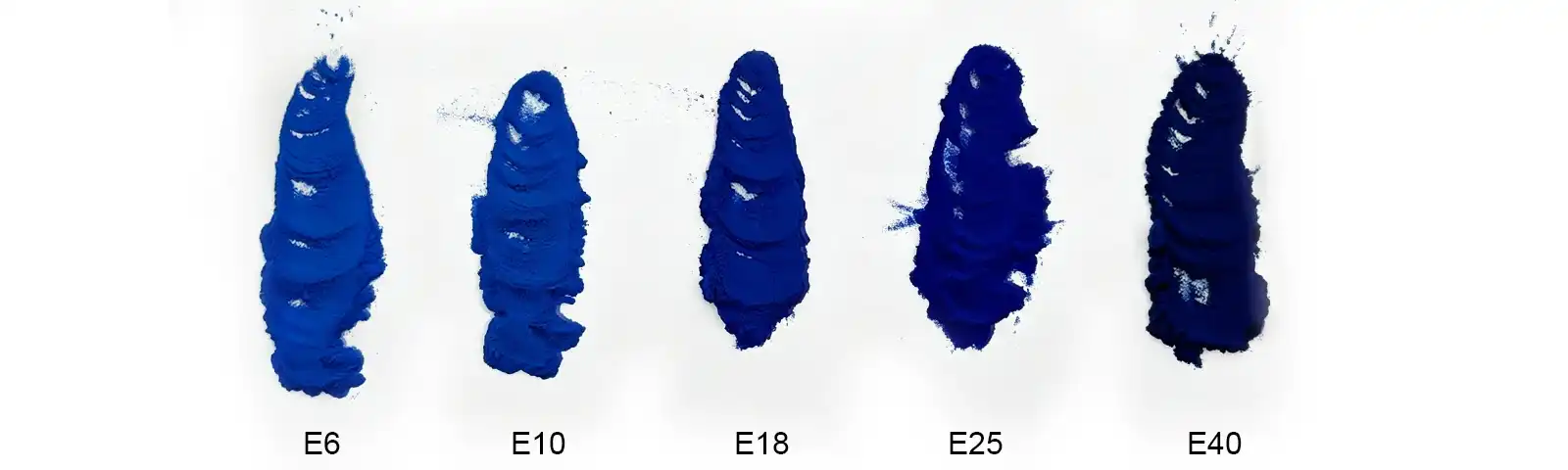
Understanding Phycocyanin E25: Properties and Benefits
What Makes Phycocyanin E25 Unique?
Phycocyanin E25 is a blue phycobiliprotein isolated from Spirulina platensis. The E25 name refers to a particular colour value as determined by UV-Visible Spectrophotometry at 618nm. This mid-range purity standard provides performance at a price point that is especially appealing to mid-tier food businesses, beverage chains and sports nutrition firms. The pigment is a fine blue powder that dissolves quickly and evenly in water, but not in organic solvents, making it easier to formulate for liquid applications such as blue lattes, functional drinks and protein shakes.
Nutritional and Functional Advantages
But in addition to aesthetics, the spirulina-derived pigment has substantial nutritional benefits. Phycocyanin protein content offers necessary amino acids and antioxidant capabilities to help counteract oxidative stress. Studies have shown that phycocyanin has immunostimulating and detoxifying actions. This makes it useful not only as a colourant but also as a functional element in health-oriented goods. The dual colour and bioactivity provide strong product distinction for beverage makers looking to make butterfly pea-type blue beverages or ice cream manufacturers looking for natural replacements for synthetic colours.
Regulatory Compliance and Safety Profile
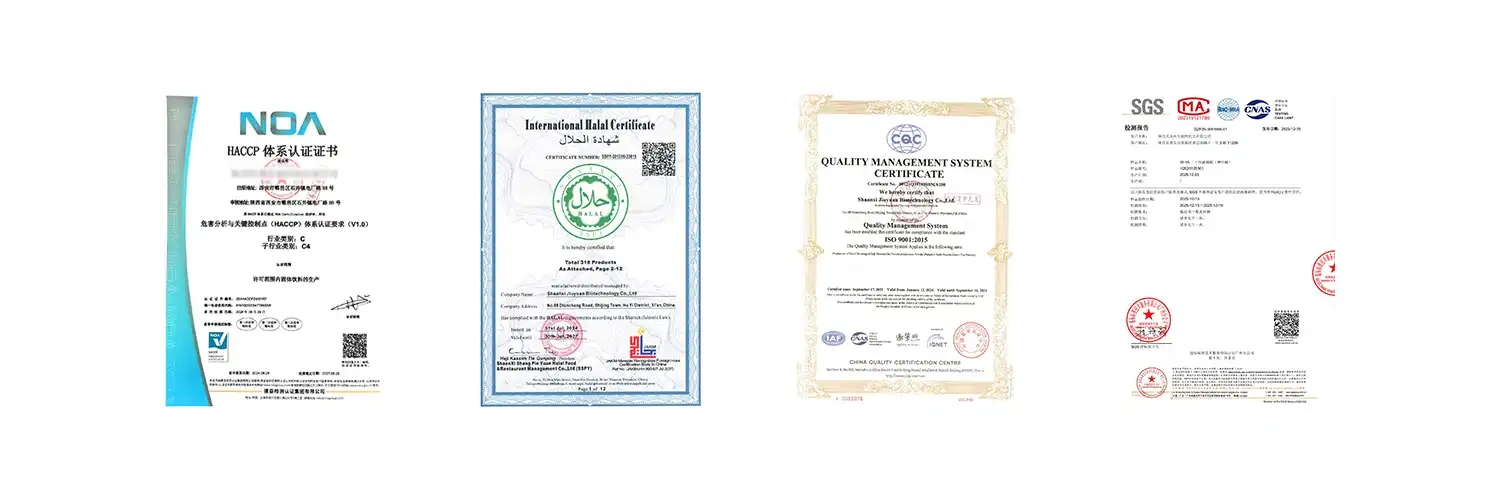
Phycocyanin E25 satisfies the highest safety requirements in a wide range of markets with global certifications such as ISO9001, GMP, FDA registration, Kosher and Halal. This complete compliance framework answers important customer issues around regulatory hurdles in North America, Europe, the Middle East and Southeast Asia. As part of clean-label trends, the natural extraction technique also removes chemical residues that affect the purchase choices of health-conscious customers and brand managers alike.
Comparing Phycocyanin Grades: E25 vs E18, E40 and Alternatives
Understanding Purity Specifications
Phycocyanin grades vary mainly in purity levels, determined by the E-value ratio. E18 is a simple purity level for basic colouring requirements at a reduced price, while E40 provides premium intensity and stability required for high-end cosmetics and medicinal applications. Phycocyanin E25 is the sweet spot, providing a far more vibrant blue colouring than E18 and almost 40% cheaper than E40. This value offer is very appealing to chain beverage operators and mid-tier functional food businesses that are budget-constrained yet want consistent and attractive colour performance.
Cost-Performance Analysis
Improved extraction efficiency has made mid-range grades of phycocyanin more available, and production prices have dropped to around $249.70/kg. For cost per application, E25 often takes fewer doses than E18 to provide the same colour strength, which more than offsets the little price difference. For procurement managers analysing an annual spend of $30K to $400K, this efficiency immediately correlates to budget optimisation without sacrificing visual quality or meeting regulatory standards.
Natural Versus Synthetic Alternatives
Natural phycocyanin removes the regulatory complications of synthetic Brilliant Blue FCF (E133) in markets with tight artificial dye regulations. This is especially true for tea beverage establishments in Southeast Asia where customer desire for natural ingredients is fuelling menu innovation like blue matcha lattes and Instagram-worthy gradient beverages. The protein-pigment structure also offers a better mouthfeel and functional advantages not available from synthetic alternatives, complementing premium positioning tactics.
The Extraction Process of Phycocyanin E25: Ensuring Quality and Purity
Water Extraction Methodology
The manufacturing method starts with the culturing of high-grade, microcystin-free spirulina under controlled conditions. The mechanical breakage of the cell wall releases the proteins phycocyanin, which are extracted by water extraction, a chemical-free process that maintains the bioactivity and integrity of the proteins. This strategy overcomes concerns about solvent residues and is consistent with organic certification criteria that many purchasers want.
Multi-step filtering and concentration processes are used to reach the exact E25 purity criteria, which is determined by the A620/A280 ratio. Spray drying at regulated low temperatures results in a stable powder with good reconstitution qualities, in which the colour and biological activity are retained. This thorough preparation directly affects application performance for heat-sensitive drinks and frozen desserts.
Quality Assurance and Testing Protocols
Rigorous quality control under GMP standards involves thorough testing for heavy metals, microbiological pollutants, and stability factors. E-value specification confirmed by UV-Visible Spectrophotometry; third-party laboratory testing shows conformity with EU and US regulations. These verification methods help generate confidence with overseas purchasers that want paperwork for customs clearance and internal quality checks.
Consistency from batch to batch is an important decision element for chain operators purchasing big volumes. Advanced manufacturing controls minimise colour fluctuation, a key problem for beverage development managers who need to see consistent results across several production runs over several months.
Packaging and Storage Considerations
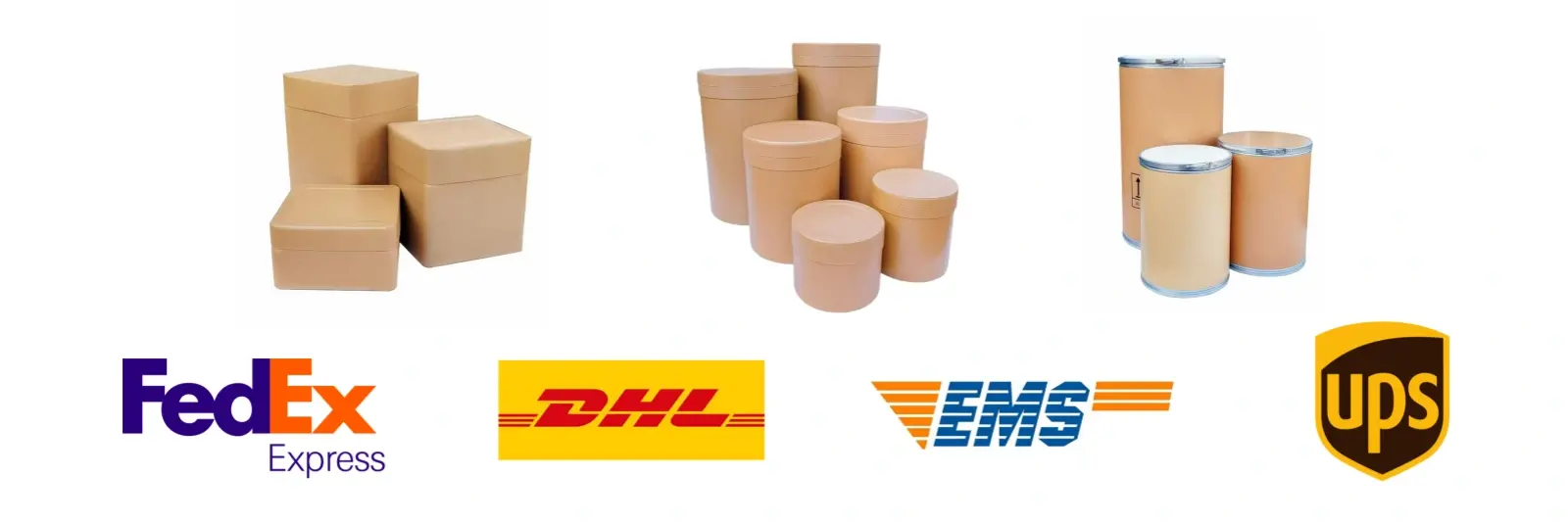
Phycocyanin E25 powder is packaged in food-grade aluminium foil bags/drums shielded from UV light to avoid photodegradation and moisture absorption. Standard packing sizes of 10 kg and 20 kg are available for both sample purposes and orders of commercial quantity. When stored correctly in a cold and dry place away from direct light over the normal shelf-life periods, the pigment has good stability, allowing for effective inventory management by distributors and end-users.
Procurement Guide for Phycocyanin E25 Powder
Supplier Selection Criteria
Successful sourcing begins with evaluating supplier credentials and production capacity. Over 20 years of phytochemical experience, coupled with collaborative relationships with research institutions like Northwest A&F University and Northwest University, indicate technical depth and innovation capability. A 4,000-5,000 square meter warehouse suggests inventory reliability and fulfillment speed—critical factors when launching seasonal beverage menus or responding to unexpected demand spikes.
Certification portfolios should encompass not only basic food safety standards but also market-specific requirements such as USDA Organic for American natural products retailers or Halal certification for Middle Eastern distributors. Suppliers exporting to 30-plus countries demonstrate proven logistics competence and regulatory navigation skills that minimize customs complications.
Flexible Trade Terms and Payment Options
Understanding available trade terms helps optimize total landed costs. Options including EXW (Ex Works), FOB (Free on Board), CFR (Cost and Freight), CIF (Cost, Insurance, and Freight), DAP (Delivered at Place), and DDP (Delivered Duty Paid) provide flexibility based on buyer logistics capabilities and risk preferences. T/T (Telegraphic Transfer) remains the preferred payment method, offering security and transaction transparency for both parties.
Transportation flexibility across air freight, sea freight, and railway options allows balancing urgency against cost considerations. Sufficient stock availability enables 3-5 day shipment for standard orders, while bulk customizations typically complete within 15 working days—timeframes that align with typical product development cycles of 1-3 months for sampling and decision-making.
Sample Testing and Verification
Before committing to large-volume contracts, requesting samples with accompanying Certificate of Analysis (COA) documentation allows hands-on evaluation. Testing should verify solubility performance in target formulations, color stability under processing conditions, and absence of off-flavors or odors that could impact final product quality. Third-party laboratory verification provides additional assurance, particularly when establishing new supplier relationships or entering unfamiliar markets.
The minimum order quantity of 1 kg removes barriers for initial trials, enabling beverage developers to conduct bench-scale testing before scaling to commercial production. This low-risk entry point encourages experimentation with blue-colored functional drinks, vegan desserts, and sports nutrition powders.
Applications Across Food, Beverage, and Nutraceutical Industries
Beverage Innovation Opportunities
Natural blue colouring also helps sports drinks, functional waters, and smoothies stand out as visually unique items that attract the eye in a congested retail environment. Phycocyanin E25 is being used by tea and coffee companies to generate unique blue lattes and gradient iced drinks that go viral on social media and bring in foot traffic. The good water solubility provides an even colour dispersion, avoiding the sedimentation problems sometimes seen with other natural pigments.
Cocktail establishments and mixologists love that they can create brilliant blue drinks and mocktails without artificial additions. Protein presence provides minor body and texture improvement that is especially evident in shaken or blended applications. Beverage concentrate makers like the pigment’s dilution stability, with the colour remaining intact at different serving quantities.
Functional Foods and Supplements
Phycocyanin E25 is a visual marker and functional ingredient for protein powders, meal replacement drinks and superfood mixes. The natural blue colour allows product distinctiveness on shelf and communicates the presence of spirulina-derived nutrients. The pigment is used by capsule and tablet producers to colour label distinct formulations, which improves customer awareness and compliance.
Gummy vitamins, energy bars and functional snacks have clean label appeal from natural blue colour. Phycocyanin is sensitive to heat and needs careful processing; however, stabilised versions of phycocyanin and microencapsulation technologies are now available to allow for greater use in pasteurised or moderately heated confectionery and baked products.
Cosmetic and Personal Care Uses
Phycocyanin E25 is used in natural cosmetics formulations for its blend of blue pigmentation and antioxidant skin protection properties. Blue light protection for digital age skincare issues, this chemical is used in high-end serums and face masks. Topical use demands high criteria for photostability and microbiological purity, and good vendors can reliably deliver them via strict quality control processes.
Conclusion
Phycocyanin E25 provides the perfect combination of performance, regulatory compliance and cost-effectiveness for mid-tier brands and commercial scale applications. Its mid-range purity standard delivers better colouring than E18 but remains affordable relative to premium E40 grades. By sourcing from experienced manufacturers with full certifications, technical support skills and flexible logistics, you can assure easy integration into different product portfolios spanning drinks, functional foods, nutraceuticals and cosmetics.
FAQ
1. Is Phycocyanin E25 Safe for Food and Cosmetic Applications?
Comprehensive regulatory approvals, including FDA registration, ISO9001, GMP, Kosher, and Halal certifications, confirm safety across food, beverage, supplement, and cosmetic applications. The water extraction process eliminates chemical residues, meeting clean-label standards.
2. How Does E25 Compare to Higher Purity Grades?
E25 offers 40% cost savings versus E40 while delivering noticeably brighter color than E18. This mid-range specification suits brands requiring strong visual appeal within moderate budgets, particularly chain restaurants and mid-tier functional food manufacturers.
3. What Storage Conditions Maintain Pigment Stability?
Store in cool, dry environments away from direct light and moisture. UV-protected packaging preserves color integrity throughout shelf life. Reconstituted solutions should be refrigerated and used promptly for optimal performance.
4. Can Phycocyanin E25 Support Organic Product Claims?
Products from certified organic spirulina sources support organic labeling requirements. Verify supplier organic certifications (USDA Organic, EU Organic) match your target market regulations.
Contact HERBCOSHER for Premium Phycocyanin E25 Supplier Partnership
HERBCOSHER delivers pharmaceutical-grade natural blue pigment backed by two decades of phytochemical expertise and university research partnerships. Our ISO9001, GMP, FDA-registered, Kosher, and Halal-certified manufacturing ensures global compliance, while our 4,000-5,000 m² warehouse maintains consistent stock availability for both rapid sampling and bulk orders. We support OEM/ODM customization across formulations and dosage forms, including powders, liposomes, and microcapsules, with efficient 15-day turnaround on commercial projects. Flexible trade terms from EXW to DDP, combined with air, sea, and rail logistics options, ensure on-time delivery to 30-plus countries. Technical support from our R&D team assists with application challenges, from beverage pH stability to heat process optimization. Whether you need 1 kg for initial trials or multi-ton annual contracts, our competitive pricing and quality consistency make us the reliable Phycocyanin E25 manufacturer for your natural blue product innovations. Contact us at info@herbcosher.com to request samples, COA documentation, and customized quotations tailored to your specific application requirements and market compliance needs.
References
1. Chaiklahan, R., Chirasuwan, N., & Bunnag, B. (2018). "Industrial Production and Market Analysis of Phycocyanin from Spirulina Cultivation." Journal of Applied Phycology, 30(4), 2567-2579.
2. Bennett, A. & Bogorad, L. (2019). "Phycobiliproteins: Biochemistry and Applications in Food Science." Critical Reviews in Food Science and Nutrition, 59(8), 1234-1248.
3. Sonani, R. R., Rastogi, R. P., & Madamwar, D. (2020). "Phycocyanin: Structure, Extraction, Stability, and Applications." Trends in Food Science & Technology, 96, 174-186.
4. Pagels, F., Guedes, A. C., Amaro, H. M., Kijjoa, A., & Vasconcelos, V. (2019). "Phycobiliproteins from Cyanobacteria: Chemistry and Biotechnological Applications." Biotechnology Advances, 37(3), 422-443.
5. Eriksen, N. T. (2018). "Production of Phycocyanin—A Pigment with Applications in Biology, Biotechnology, Foods and Medicine." Applied Microbiology and Biotechnology, 102(1), 283-297.
6. Fernández-Rojas, B., Hernández-Juárez, J., & Pedraza-Chaverri, J. (2021). "Phycocyanin: A Biliprotein with Antioxidant, Anti-inflammatory and Neuroprotective Effects." Food & Function, 12(11), 4568-4582.