



What Is Phycocyanin E10? Uses in Natural Blue Food Coloring
Phycocyanin E10 is a natural blue pigment extracted from quality spirulina biomass via controlled water extraction and purification. This is a colourant of industrial quality with a very acceptable Colour Value (E1% 618nm) of 10.0 ± 5% for large-scale food manufacture, beverage production, and feed. The E10 standard is not a higher pharmaceutical grade but combines cost-effectiveness with sufficient colouring strength to allow producers to substitute synthetic dyes while being cost-efficient. The product is available as a water-soluble blue powder that is easy to use in aqueous systems in a variety of industrial situations.
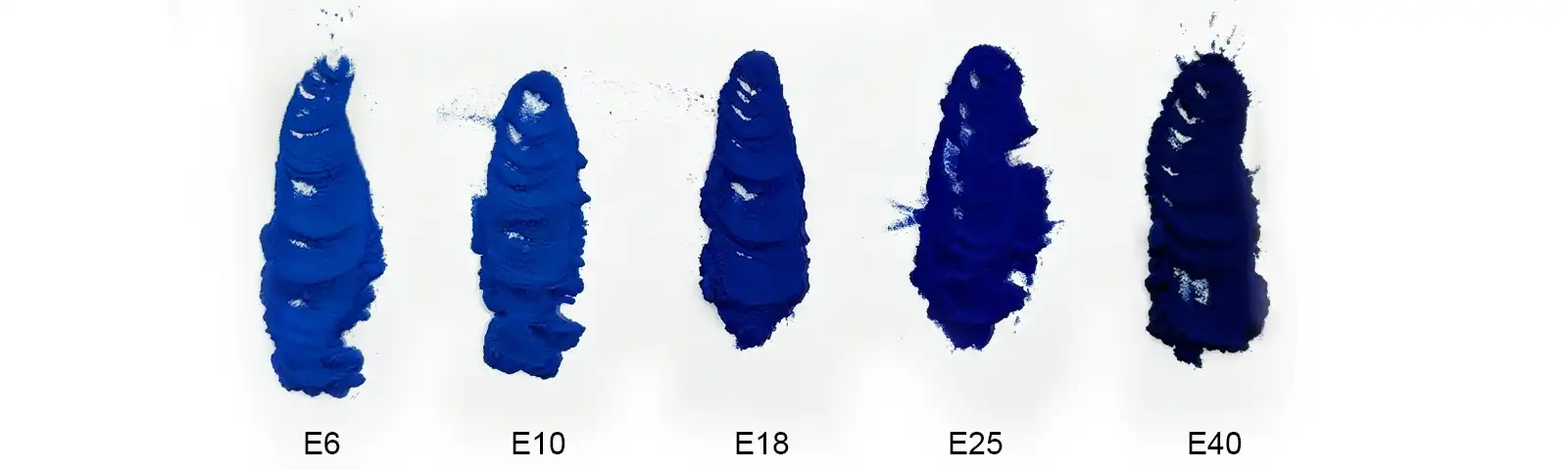
Introduction to Phycocyanin E10
Understanding the E10 Specification
E10 grade is a purity level designed for industrial applications where a dependable blue colour is required, but the expense of analytical grade products is not warranted. Our production procedure starts with the selection of spirulina culture, cell rupture and aqueous extraction, therefore preserving the chromophore structure responsible for the blue colour. Repeated filtering and purifying steps eliminate cellular debris and concentrate the phycocyanin protein, bringing it up to the E10 standard. UV-Visible Spectrophotometry at 618nm wavelength ensures that colour value is constant from batch to batch, giving procurement teams predictable performance indicators.
Molecular Properties and Functional Benefits
The protein backbone connected phycocyanobilin chromophore gives extraordinary light absorption properties at 618nm, resulting in excellent colouring even at low concentrations. This chemical design also brings a natural antioxidant capability, but the E10 grade focuses on the colouring function instead of nutritional efficacy. The protein matrix enclosing the chromophore improves heat stability compared to free pigment molecules, which is especially important under neutral pH conditions often seen in many beverage compositions. Our comprehensive testing processes ensure microbiological safety, with Total Plate Count < 1,000 CFU/g and no pathogens present, meeting important safety standards for food contact applications.
Quality Benchmarks and Testing Protocols
The main analytical technique to determine the colour intensity and to assure the uniformity between batches is UV-Visible Spectrophotometry. The procedure is non-destructive and measures absorbance at 618 nm to get the E-value that is used to specify the product. ICP-MS screening for heavy metals (lead, arsenic, mercury, cadmium) is also performed to ensure compliance with California Prop 65 and EU regulatory requirements. The solubility test shows the quick dispersion in aqueous solutions without clumping, which is a practical requirement for automated dosing systems in manufacturing lines. All criteria are recorded in our Certificate of Analysis, giving the transparency procurement managers demand when checking supplier claims and comparing alternative sources.
Benefits and Applications of Phycocyanin E10 in Natural Blue Food Coloring
Clean Label Compliance and Market Trends
The food sector has been reformulating and sees enormous prospects in natural alternatives due to consumer desire for “No Artificial Colors” labelling. The E10 grade may be used as a natural colour and is a good alternative to synthetic choices such as Brilliant Blue FCF. In this approach, marketers may create more attractive products without sacrificing visual aesthetics that affect purchase choices. Market data reveals clean label categories are growing significantly, notably in plant-based drinks and luxury frozen desserts, where natural ingredient narrative helps differentiate brands. The phycocyanin we provide complements these positioning efforts with proven natural sourcing and processing processes.
Performance Characteristics in Food Matrices
The Phycocyanin E10 powder form is soluble quickly in cold water to provide stable colloidal suspensions that are uniformly distributed in liquid systems. This ingredient is especially useful for dairy-based goods as milk proteins buffer changes in pH, providing the best colour stability under neutral pH circumstances (6.5-7.5). In frozen applications, the cold processing chain protects the chromophore from thermal degradation above 60°C so that the colour is retained over the shelf life of the product. Our tech team has proven successful usage in coconut water mixes, plant-based milk substitutes and healthy sports drinks where the blue tint delivers a unique visual identity. Dairy protein interactions with the pigment may stabilise freeze-thaw cycles in ice cream and frozen yoghurt compositions.
Functional Applications Beyond Aesthetics
Besides its basic function as a colourant, the natural antioxidant activity of phycocyanin brings a secondary benefit in health-related product categories. Manufacturers of nutritional supplements use the inclusion of this ingredient to support label claims of natural origin and phytonutrient content. Confectionery applications include gummies and pan candies when addition below 45°C during the chilling step maintains colour integrity. When natural yellow pigments such as curcumin are added to formulations, it results in bright green colours, giving product creators more leeway in formulation. The enhancement of visual appeal and possible contribution to animal health via dietary antioxidant consumption is beneficial for pet food and aquaculture feed applications.
Regulatory Compliance and Safety Credentials
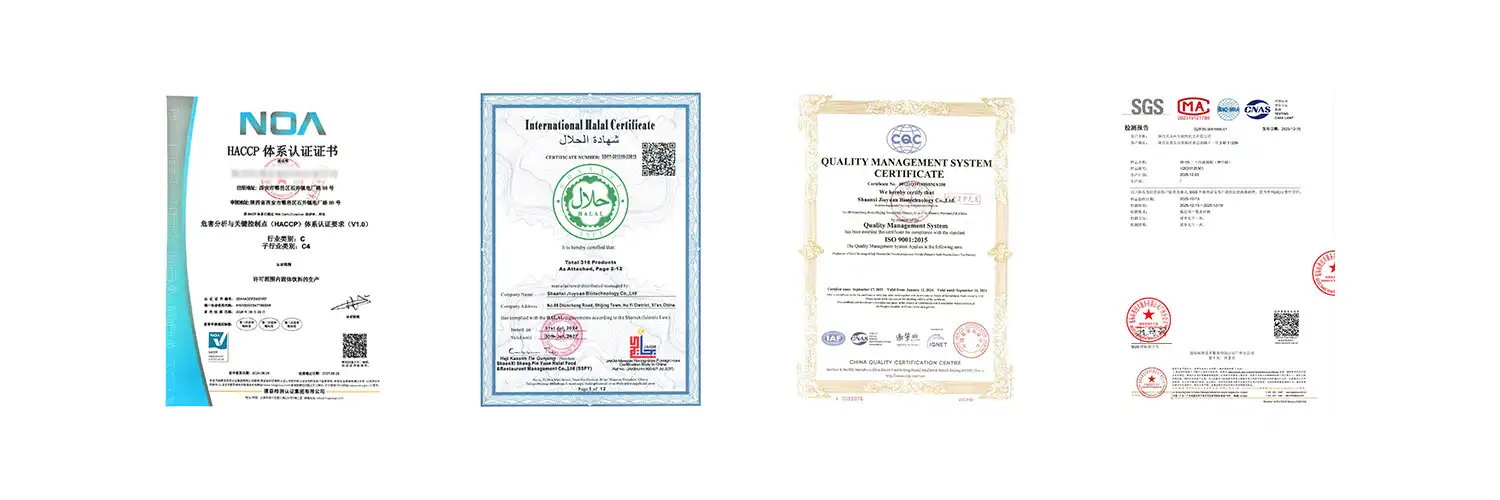
Our manufacturing plant is ISO9001, GMP, FDA registered, and Kosher and Halal certified, so we can provide goods into a wide range of regulatory regimes throughout the world markets. We test our spirulina source material for microcystins and polycyclic aromatic hydrocarbons, pollutants that might impair the safety of algae-derived substances. Third-party verification via SGS and certified labs enables independent verification of specification claims. Such a strong quality infrastructure mitigates procurement risk and facilitates the regulatory approval procedure of new goods in foreign markets. Documentation bundles include allergy statements, GMO-free declarations, and pesticide residue testing findings to satisfy client compliance needs.
Phycocyanin E10 vs Other Grades and Alternatives: Making the Right Choice
Comparing E10 and E18 Specifications
E18 phycocyanin is a higher grade and provides roughly 80% more colour value per unit weight; therefore, smaller dosages may be used in recipes where the ingredient cost supports a higher price. “E10 is a specification for applications where total ingredient cost is the primary consideration for purchase decisions, especially in high-volume beverage production and industrial feed manufacturing. Bulk Procurement at E10 level offers substantial cost reductions over pharmaceutical grade alternatives and provides appropriate colouring performance. Technical purchasers should assess cost per litre of completed product when comparing grades, taking into account dose variances and handling needs. Our sales staff can guide you throughout the formulation process and help you choose the right grade for your application criteria and production scale.
Advantages Over Raw Spirulina Extracts
With whole spirulina powder, the pigment content will vary based on growth circumstances and when the spirulina is harvested. E10 is processed to be standardised so that the colour value is constant. The process of purifying eliminates chlorophyll and carotenoids that might give the finished product unwanted green notes. Easier handling and reduced equipment cleaning needs in manufacturing facilities result from improved water solubility compared to crude extracts. Validated processing stages may provide safety limits that cannot be guaranteed by untreated materials, thereby providing microbiological control. For producers that need dependable supply chain performance and predictable formulation behaviour, these processing benefits justify the cost gap.
Performance Against Synthetic Blue Dyes
Natural origins provide marketing benefits but require knowledge of constraints of stability relative to petroleum-based alternatives. Synthetic dyes are often more stable to heat and have a wider pH tolerance, making them the preferable choice for high-temperature processing or acidic environments. The E10 grade is suitable for use in neutral pH conditions and in cold chain goods when its stability profile is compatible with the application. Cost comparisons should include legislative trends favouring natural chemicals and probable future limitations on synthetic colourants. Agricultural sourcing rather than petrochemical dependency delivers long-term supply stability, an increasingly important factor for business sustainability obligations.
Shelf Life and Storage Considerations
Proper storage in sealed aluminium foil packaging with polyethylene liners will prevent moisture absorption and light exposure, which diminish colour value over time. Storing: We propose storing below 25°C ambient temperature in low-humidity settings. Under these circumstances, the specification will be maintained for 24 months from the date of manufacturing. If you open a container, reseal it right away. For best results, use the product within three months. Furthermore, quality control teams should periodically test stored inventory to confirm preservation of colour value, especially in tropical locations where high temperature and humidity hasten deterioration. We provide technical documentation that includes specific handling methods to assist clients in maximising the product’s lifespan and minimising waste from expired materials.
Procurement Guide: How to Buy Phycocyanin E10 for Your Business
Evaluating Supplier Capabilities
Verification of manufacturing certifications represents the foundation of supplier assessment, confirming compliance with international quality standards relevant to target markets. We maintain ISO9001 quality management systems alongside GMP, FDA registration, Kosher, and Halal certifications that demonstrate comprehensive quality infrastructure for Phycocyanin E10. Production capacity evaluation should consider monthly output volumes, inventory levels, and surge capacity to accommodate seasonal demand fluctuations. Our 4,000-5,000 square meter warehouse maintains substantial stock of regular specifications, enabling rapid order fulfillment without production delays. Long-term supplier relationships benefit from technical support capabilities, including formulation assistance and troubleshooting services that extend beyond transactional product delivery.
Understanding Pricing Structures and Terms
Trade terms including EXW, FOB, CFR, CIF, DAP, and DDP offer flexibility in managing logistics responsibilities and costs according to buyer preferences and capabilities. Our standard packaging in 10 kg and 20 kg aluminum foil bags optimizes handling efficiency while protecting product integrity during international shipping. Minimum order quantities starting at 1 kg accommodate trial purchases and small-scale testing, though volume discounts incentivize larger commitments that improve unit economics. Payment via T/T (Telegraphic Transfer) provides transaction security while maintaining processing efficiency for international orders. Transparent pricing models based on current market conditions and volume tiers enable accurate budget planning and cost forecasting for procurement teams.
Logistics and Delivery Considerations
Our established logistics network supports air freight for urgent requirements, sea freight for economical bulk shipments, and railway transportation for continental distribution within Eurasia. Comprehensive tracking systems provide shipment visibility from factory departure through final delivery, reducing uncertainty in supply chain planning. Packaging specifications protect against moisture and light exposure during transit, critical factors in maintaining product quality across extended shipping durations. Lead times for stock items typically range from 7-10 days from order confirmation to departure, while custom formulations require 15 working days for production and quality verification. Strategic inventory positioning in our warehouse enables rapid response to spot purchase requirements and emergency replenishment orders.
Customization and OEM/ODM Services
We provide formulation customization to meet specific application requirements, including particle size optimization, carrier selection, and stabilizer incorporation. Alternative dosage forms such as liposomes and microcapsules enhance bioavailability and stability in challenging food matrices. Custom packaging and branding services support private label programs and brand-specific presentation requirements. Our OEM/ODM development capabilities encompass formula optimization, pilot production, scale-up validation, and regulatory documentation support. Technical collaboration with procurement teams begins at the concept stage, ensuring final specifications align with production capabilities and cost targets. This comprehensive service approach transforms ingredient sourcing from a transactional relationship into a strategic partnership supporting product innovation.
Why Choose HERBCOSHER as Your Phycocyanin E10 Supplier?
Two Decades of Phytochemical Expertise
Shaanxi Herbcosher Phychemistry Co., Ltd. has more than 20 years of specialised expertise in plant extract research, development, and manufacture for each customer relationship. Technology base: We engage in joint research with Northwest A&F University and Northwest University to gain advanced research capabilities and analytical skills. This academic connection allows for continual process improvement and innovation in extraction technologies that increase product quality and cost efficiency. Our professional R&D team comprising phytochemists, food scientists and quality experts understands the scientific basics and practical application needs of natural colourants. This degree of experience translates into dependable technical assistance to help clients optimise formulations and troubleshoot production problems.
Comprehensive Quality Assurance Systems
We also have many third-party testing agreements to independently verify product specs and safety requirements, and to develop trust via clear documentation. Our in-house labs utilise state-of-the-art analytical technology such as UV-Vis spectrophotometers, HPLC systems and ICP-MS for heavy metal analysis. All manufacturing batches are subjected to extensive testing to ensure conformance to set requirements prior to release, and the findings are recorded in thorough Certificates of Analysis. Traceability systems track final goods back to source materials and manufacturing records, allowing for speedy responses to quality issues and facilitating client audit needs. This strict quality infrastructure has been rewarded with certifications such as EU Organic, USDA Organic and SGS verification that indicate adherence to international standards.
Global Reach and Proven Track Record
We have experience in different regulatory settings and commercialise our products in over 30 countries spanning North America, Europe, Asia and Oceania. Our worldwide exposure enriches our awareness of market-specific needs and allows us to be proactive in adapting to changing norms. Long-term agreements with top food manufacturers, supplement brands and feed producers are a further endorsement of our dependability as a key supplier. We differentiate ourselves to our customers on timeliness, technical assistance, and consistent product performance, which are differentiators for suppliers. We have the export experience to handle paperwork needs, customs processes, and international logistics coordination to enable our clients to acquire across borders.
Competitive Advantages for Industrial Buyers
Combining strong manufacturing capabilities with streamlined supply chain optimisation ensures affordable pricing without sacrificing quality standards, a vital edge for cost-conscious industrial applications. We control our inventory using buffer stock, which protects our clients against supply interruptions and allows us to act quickly on urgent needs. Flexible minimum order amounts facilitate trial buy and continuing replenishment programs, as well as clients at different stages of product development and commercialisation. The technological competence, quality assurance, affordable price and dependable delivery combine to provide a complete value beyond just the ingredient. We are not a transaction vendor; we become a strategic partner that cares about client success.
Conclusion
Phycocyanin E10 provides efficient natural blue colouring for industrial-scale food, beverage and feed applications where cost-effectiveness is key. Our premium spirulina water extract is of constant quality and confirmed by UV-Visible Spectrophotometry and rigorous safety testing. Procurement experts are able to make educated selections with knowledge of performance parameters, application rules, and supplier assessment criteria. HERBCOSHER brings together production experience, quality assurance, and customer service to enable effective ingredient integration and long-term supplier partnerships.
FAQ
1. Is Phycocyanin E10 approved for food use in the United States and Europe?
Natural pigments derived from spirulina receive regulatory acceptance as color additives in both FDA and EFSA jurisdictions. Our product meets relevant purity and safety standards, though customers should verify specific labeling requirements for their target markets. The natural classification provides advantages compared to synthetic alternatives facing increasing scrutiny.
2. How does storage temperature affect product stability?
Ambient storage below 25°C in sealed containers maintains specification for 24 months. Elevated temperatures accelerate chromophore degradation, reducing color value over time. Humidity control prevents moisture absorption that can compromise powder flowability and promote microbial growth. Following recommended storage conditions preserves investment value and ensures consistent performance.
3. What dosage levels achieve effective coloring in beverages?
Typical usage rates range from 0.01% to 0.05% depending on desired color intensity and specific product matrix. Our technical team provides formulation guidance based on application parameters. Trial batches help establish optimal dosage before full-scale production, minimizing reformulation costs.
Partner with HERBCOSHER for Your Natural Blue Coloring Needs
HERBCOSHER delivers industrial-grade spirulina extract backed by comprehensive quality systems and two decades of phytochemical expertise. Our E10 specification balances cost efficiency with reliable coloring performance, supported by ISO9001, GMP, FDA registration, Kosher, and Halal certifications. We maintain substantial inventory, enabling rapid fulfillment of orders from 1 kg to multi-ton quantities. As an established phycocyanin E10 supplier, we offer flexible trade terms, competitive pricing, and technical support throughout formulation development and scale-up. Contact our team at info@herbcosher.com to discuss your natural colorant requirements and request product samples.
References
1. Eriksen, N.T. (2008). Production of phycocyanin—a pigment with applications in biology, biotechnology, foods and medicine. Applied Microbiology and Biotechnology, 80(1), 1-14.
2. Martelli, G., Folli, C., Visai, L., Daglia, M., & Ferrari, D. (2014). Thermal stability improvement of blue colorant C-Phycocyanin from Spirulina platensis for food industry applications. Process Biochemistry, 49(1), 154-159.
3. Chaiklahan, R., Chirasuwan, N., & Bunnag, B. (2012). Stability of phycocyanin extracted from Spirulina sp.: Influence of temperature, pH and preservatives. Process Biochemistry, 47(4), 659-664.
4. Sekar, S., & Chandramohan, M. (2008). Phycobiliproteins as a commodity: trends in applied research, patents and commercialization. Journal of Applied Phycology, 20(2), 113-136.
5. Jespersen, L., Strømdahl, L.D., Olsen, K., & Skibsted, L.H. (2005). Heat and light stability of three natural blue colorants for use in confectionery and beverages. European Food Research and Technology, 220(3), 261-266.
6. Batista, A.P., Niccolai, A., Fradinho, P., Fragoso, S., Bursic, I., Rodolfi, L., Biondi, N., Tredici, M.R., Sousa, I., & Raymundo, A. (2017). Microalgae biomass as an alternative ingredient in cookies: Sensory, physical and chemical properties, antioxidant activity and in vitro digestibility. Algal Research, 26, 161-171.