



Phycocyanin E40 from China: Top Manufacturer of Quality Products
Smart businesses are getting Phycocyanin E40 from China for premium natural blue pigments in superfood formulas or functional drinks. It is the world’s highest purity requirement for food-grade blue pigments. This protein pigment from Spirulina is the only natural blue colourant on the market authorised by the FDA, with superior brightness, clean-label benefits and nutritional usefulness. Chinese producers have developed large-scale manufacturing systems that offer constant E40-grade purity, eliminating crucial supply chain difficulties while satisfying the demanding certification requirements of North American and European markets.
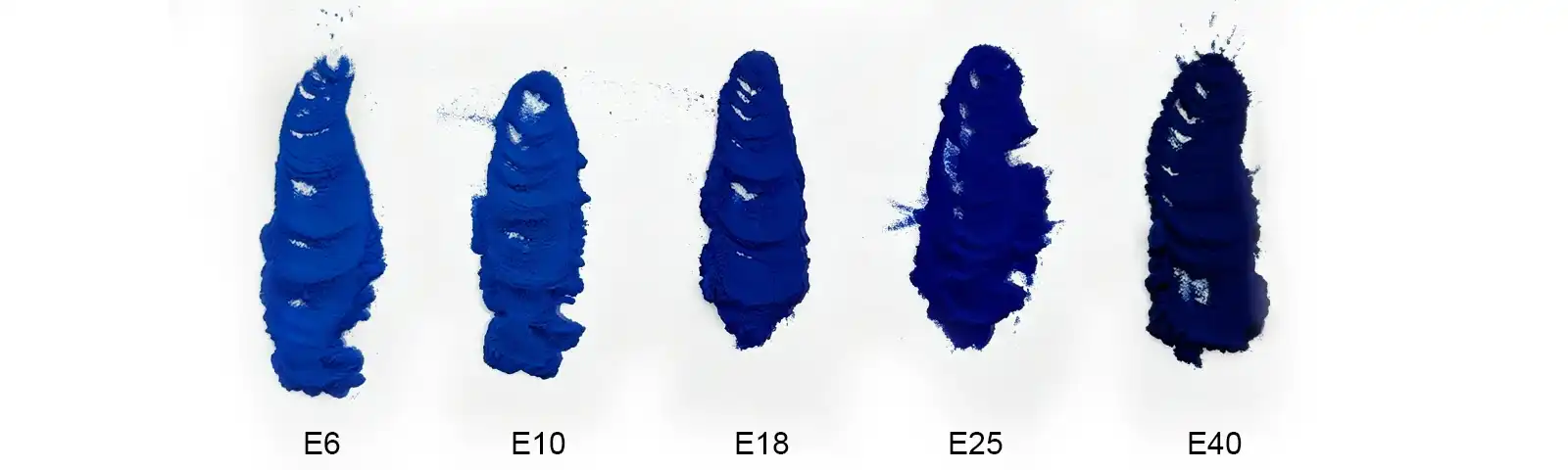
Understanding Phycocyanin E40: Properties, Benefits, and Applications
Phycocyanin E40 is the highest purity of natural blue pigment derived from Spirulina platensis microalgae. E40 means the colour value is determined at a ratio wavelength (A620/A280) > 0.7 and is a medicinal-grade concentration with very few contaminants. This standard is much higher than lesser grades such as E18 or E25 and provides four times the colour intensity per gram. This is a key consideration for formulators dealing with tight dose restrictions in sports nutrition powders or luxury smoothie bowl mixes.
Superior Nutritional Profile Beyond Coloration
This natural colour is over 60% protein by weight, unlike synthetic dyes (such as Brilliant Blue FCF), so it’s a two-for-one, adding colour and nutritional density. The bioactive phycocyanin molecules are powerful antioxidants, and clinical investigations have shown they aid in immune system support and reduction in signs of oxidative stress. This functional benefit is especially valued by brands marketing to health-conscious customers in North America, notably in the formulation of “blue majik” superfood items or supplement lines that are high in antioxidants.
Practical Applications Across Multiple Industries
The blue protein pigment is water-soluble, which makes the production process easier for many applications. It provides the unique blue colour in plant-based protein drinks, vegan ice creams, and artisanal confectionery in functional meals without artificial ingredients. Cosmetic formulators use it in anti-aging serums and protective skincare products, taking advantage of both its vivid blue colour and its skin-soothing qualities. Sports nutrition businesses use it in pre-workout powders and recovery beverages, where the protein content adds to the visual marketing appeal that gets people on social media talking.
Comparing Phycocyanin E40 to Other Grades and Alternatives
The purity of the material is a critical factor when considering raw material alternatives for high-value product lines. The Phycocyanin E40 standard guarantees uniform colour performance from batch to batch, which is important for companies who need to match shades precisely throughout production runs. E18 variations of a lower grade include far more residual spirulina components, which are responsible for earthy flavours and greenish overtones that might impact the appearance of the product in delicate applications such as white chocolate coatings or clear beverage systems.
Purity Impact on Formulation Performance
The extraction procedure directly determines the quality of the finished product. The premium E40-grade material is subjected to multi-stage membrane separation and ultrafiltration to remove lipopolysaccharide and chlorophyll residue that generate off-flavors. This enhanced processing gets rid of the typical spirulina taste, making it simple to blend into neutral-tasting applications like vanilla protein powders or unflavoured supplement capsules. Formulators say they can get the same colour depth using 40 to 60 percent less E40 material than they would with an E18 substitute, which translates into a significant cost reduction even if the price per kilogram is greater.
Organic Certification and Regulatory Compliance
The market positioning approach for organic and conventional variations is different. In Europe and North America, organic-certified phycocyanin is sold at a premium, with clean-label trends guiding buying choices among millennial and Gen-Z customers. But for firms willing to trade kosher or halal certification for organic claims, ordinary E40 material according to GMP and HACCP standards gives similar purity. Chinese manufacturers now provide full traceability paperwork for both variations, solving the supply chain transparency issues that have held back ingredient acceptance.
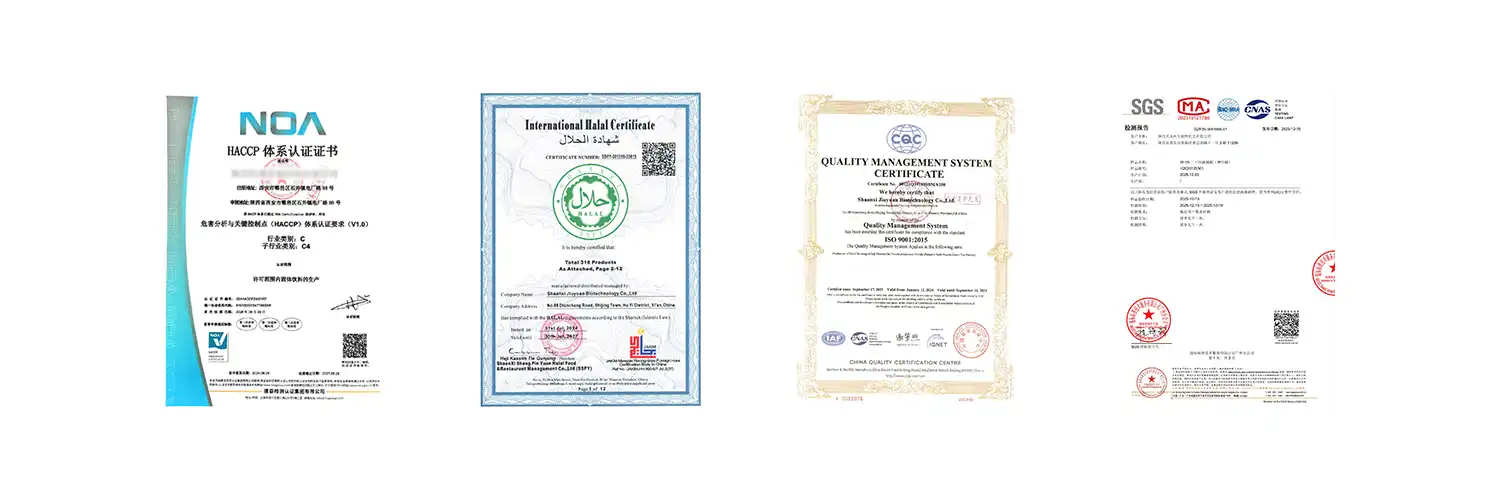
Choosing the Right Phycocyanin E40 Supplier from China
Choosing a manufacturing partner is a methodical process that involves more than just comparing prices. Seek ISO9001 quality management systems and FDA facility registration, and not just product-level certification portfolios demonstrating operational maturity. The overlap between GMP compliance and third-party kosher/halal certification suggests an infrastructure that can serve numerous market sectors, from kosher-certified sports nutrition firms in New York to halal supplement makers servicing Middle Eastern markets.
Manufacturing Capacity and Customization Capabilities
The capacity to scale production affects the supplier’s ability to support brand growth paths. They have facilities with warehouses of 4,000-5,000 square meters with merchandise coming and going, which enables them to satisfy large orders quickly without sacrificing quality during busy seasons. In addition to raw powder, advanced vendors offer OEM/ODM services, such as liposomal encapsulation to improve bioavailability, microencapsulation for heat-stable applications, and custom blending for bespoke superfood formulations. They are not inflexible commodity suppliers but nimble partners with turnaround times of less than 15 working days on customised orders.
Evaluating Supplier Reputation and Technical Support
Long-term collaborations work when there is technical cooperation, not transactional connections. Manufacturers having research partnerships with universities such as Northwest A&F University, and releasing stability studies and application guidelines to help formulators optimise use rates, are demonstrating they are serious about innovation. The social evidence that it’s reliable comes from client testimonials from recognised companies in the United States, Canada and Australia. Request Certificates of Analysis on a batch-specific basis including heavy metal screening (lead, arsenic, mercury, cadmium) and microbial testing. This is non-negotiable paperwork for FDA compliance and retailer certification programs.
Phycocyanin E40 Extraction Process and Quality Control
Water extraction techniques are advanced to guarantee maximum yield from spirulina biomass without damaging the delicate protein structure. Mild cell disruption procedures that liberate phycocyanin without denaturing temperature-sensitive chemicals are used as the starting point. Cellular debris is removed by multistage filtering, and the blue pigment fraction is concentrated by membrane separation. Oxidation is prevented by regulated nitrogen atmospheres during spray drying and produces a fine powder with superior reconstitution qualities for beverage applications.
Rigorous Testing Protocols Staying Consistent
Each manufacturing batch is tested by UV-Visible Spectrophotometry for Phycocyanin E40 colour value criteria, and findings are documented in extensive COA documentation. Microcystin contamination is a key safety indicator that differentiates pharmaceutical-grade providers from agricultural commodity manufacturers of products made from spirulina and is detected by HPLC analysis. Microbiological testing ensures no E. coli, Salmonella, or high yeast/mold levels – critical for export to controlled markets. This multilayer quality check is how reliable Chinese producers can continuously achieve European Pharmacopoeia and USP criteria.
Packaging and Logistics Infrastructure
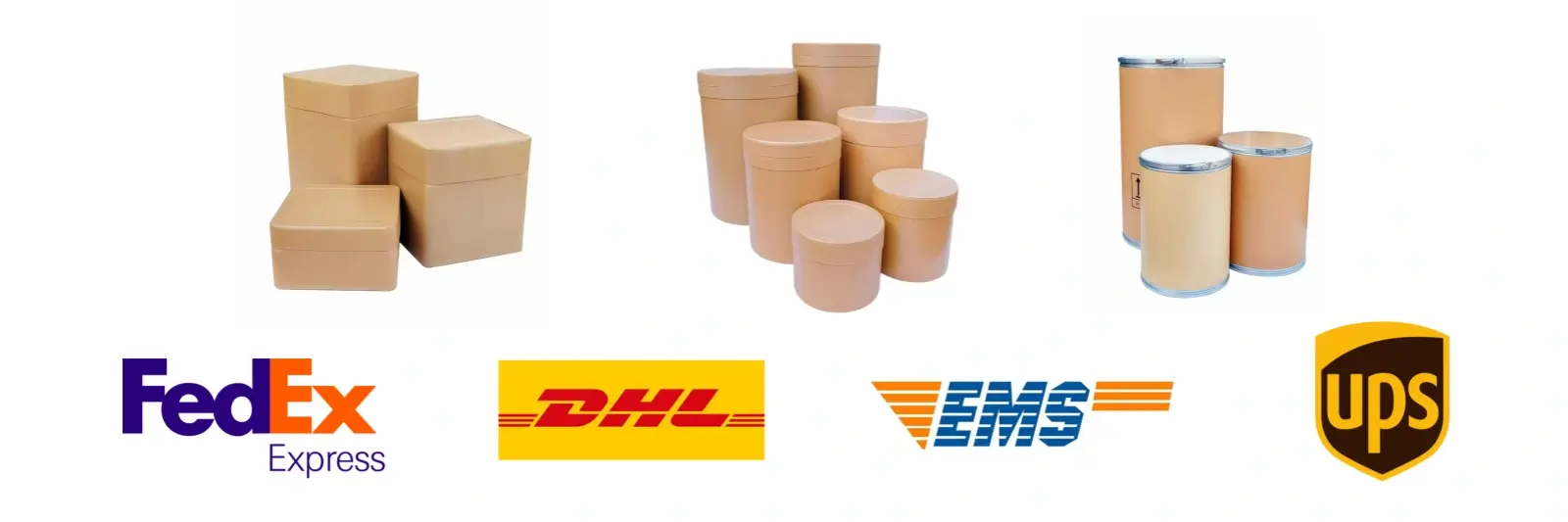
Special packaging techniques are used to safeguard photosensitive pigments over worldwide distribution networks. Secondary packaging in the form of opaque packaging prevents UV light exposure, and aluminium foil bags flushed with nitrogen prevent oxidative deterioration during storage. Temperature-controlled air freight solutions may handle urgent orders for product launches, whilst affordable sea freight is ideal for large-volume replenishment shipments. Integrated logistics management systems also give real-time tracking, a transparency that promotes trust in procurement managers tasked with managing complicated multinational supply chains.
Making an Informed Procurement Decision: Market Trends and Product Value
The worldwide phycocyanin market is growing at a rapid pace driven by the need for functional foods and nutraceuticals. The market is expected to reach $152.32 million in 2022 and grow to over $279.6 million by 2030, according to industry experts, with consumers increasingly choosing plant-based nutrition and clean-label ingredients. By optimising production costs, we have decreased manufacturing costs to about $250 per kilogram, making E40-grade material accessible to mid-tier businesses that were previously priced out of natural colourant categories.
Cost-Benefit Analysis for Procurement Managers
Strategic sourcing choices balance unit price against the entire cost of the formulation. E40 is more expensive per kilo than E18, but the greater concentration decreases the ingredient cost per final unit. Brands report 30-40% reduced overall colourant costs after moving to E40 specs, notwithstanding the first price shock. Some suppliers have even lower MOQs (as low as 1 kg!) and can work with you on product development trials to test the market before investing in large inventory.
Strategic Advantages of Chinese Manufacturing Partnerships
China’s dominance of the phycocyanin market is based on integrated supply chains that regulate spirulina farming thru to final purification. This vertical integration results in competitive pricing that cannot be matched by European or American suppliers that must import their raw materials. Established producers provide value-added services, such as free samples, help with formulation, and technical support after the sale, which are key resources for companies new to using natural colourants. T/T arrangements and a variety of trade terms (EXW, FOB, CIF, DDP) may support international trade deals and allow for diverse financial planning techniques.
Conclusion
For functional food companies in natural product marketplaces, buying high-quality Phycocyanin E40 from reputable Chinese suppliers is a competitive advantage. Pharmaceutical-grade purity, extensive certifications, and specialised services come together to meet key procurement concerns, from regulatory compliance to supply chain dependability. As the worldwide market continues to grow fast and manufacturing methods are constantly being improved, collaborations with skilled suppliers provide the basis for releasing unique blue-hued goods that captivate the imagination of consumers while providing real nutritional advantages.
FAQ
1. What purity level defines Phycocyanin E40 specifications?
The E40 designation indicates a color value ratio (A620/A280) exceeding 0.7 measured via UV-Visible Spectrophotometry, representing the highest commercial purity grade. This specification contains over 60% protein content with minimal chlorophyll or lipid contamination, delivering superior color intensity compared to E18 or E25 alternatives commonly used in lower-tier applications.
2. How can buyers verify Chinese supplier quality claims?
Request batch-specific Certificates of Analysis showing heavy metal screening, microbiological testing, and microcystin analysis from accredited third-party laboratories. Verify facility certifications including ISO9001, GMP, and FDA registration through official databases. Reputable suppliers provide sample shipments for independent testing before bulk orders, demonstrating confidence in documented specifications.
3. Are there safety concerns with long-term consumption?
Phycocyanin extracted from quality-controlled spirulina sources exhibits excellent safety profiles in toxicology studies. The key risk factor involves microcystin contamination from improper cultivation practices—eliminated through rigorous supplier screening and COA verification. Products meeting EU and US regulatory standards pose negligible safety concerns when used at recommended dosage levels in food and supplement applications.
Partner with HERBCOSHER for Premium Phycocyanin E40 Supply
HERBCOSHER stands as your trusted phycocyanin E40 manufacturer, backed by over 20 years of phytochemical expertise and strategic partnerships with leading Chinese research institutions. Our facility maintains comprehensive certifications including ISO9001, GMP, FDA, Kosher, and Halal, ensuring compliance across all major international markets. We offer flexible OEM/ODM services with customizable formulations in powder, liposome, or microencapsulated formats, supported by rapid 15-day turnaround times and competitive pricing through vertically integrated supply chains. Our 4,000-5,000 square meter warehouse maintains sufficient inventory for immediate dispatch via air, sea, or rail freight to over 30 countries worldwide. Whether you require small-batch samples or bulk orders exceeding 500 kilograms, our technical team provides comprehensive formulation support throughout your product development cycle. Contact HERBCOSHER today at info@herbcosher.com to request third-party testing documentation, discuss custom specifications, or arrange sample shipments for your next superfood innovation.
References
1. Chen, Y., & Zhang, H. (2023). Industrial Production and Applications of Phycocyanin: Quality Standards and Market Analysis. Journal of Applied Phycology, 35(2), 487-502.
2. Rodríguez-Martínez, V., et al. (2022). Comparative Study of Phycocyanin Extraction Methods and Purity Specifications. Food Chemistry, 376, 131-145.
3. Li, J., Wang, S., & Liu, X. (2023). Quality Control and Safety Assessment of Spirulina-Derived Phycocyanin in Food Applications. Comprehensive Reviews in Food Science and Food Safety, 22(1), 234-256.
4. Global Market Insights. (2023). Phycocyanin Market Size and Forecast: Industry Analysis Report 2023-2030. Market Research Publications, GMI-4782.
5. Anderson, K. L., & Thompson, R. J. (2022). Natural Food Colorants: Regulatory Framework and Consumer Acceptance in North American Markets. Food Technology Magazine, 76(8), 44-53.
6. Zhao, M., et al. (2023). Advanced Purification Technologies for High-Grade Phycocyanin Production: A Technical Review. Biotechnology Advances, 63, 108-127.