



How Phycocyanin E10 Creates a Vibrant Natural Blue Color
Phycocyanin E10 is a natural blue colour obtained from spirulina algae, with a distinctive chromophore structure. This is an industrial pigment with a unique ocean-blue colour and a Colour Value (E1% 618nm) of 10.0, a cheap source of feed colouration for industrial textile dyeing and aquaculture applications. The water-soluble blue powder disperses immediately without any clumping, providing constant colour performance for bulk production and satisfying clean-label requirements at the most reasonable price in the natural pigment industry.
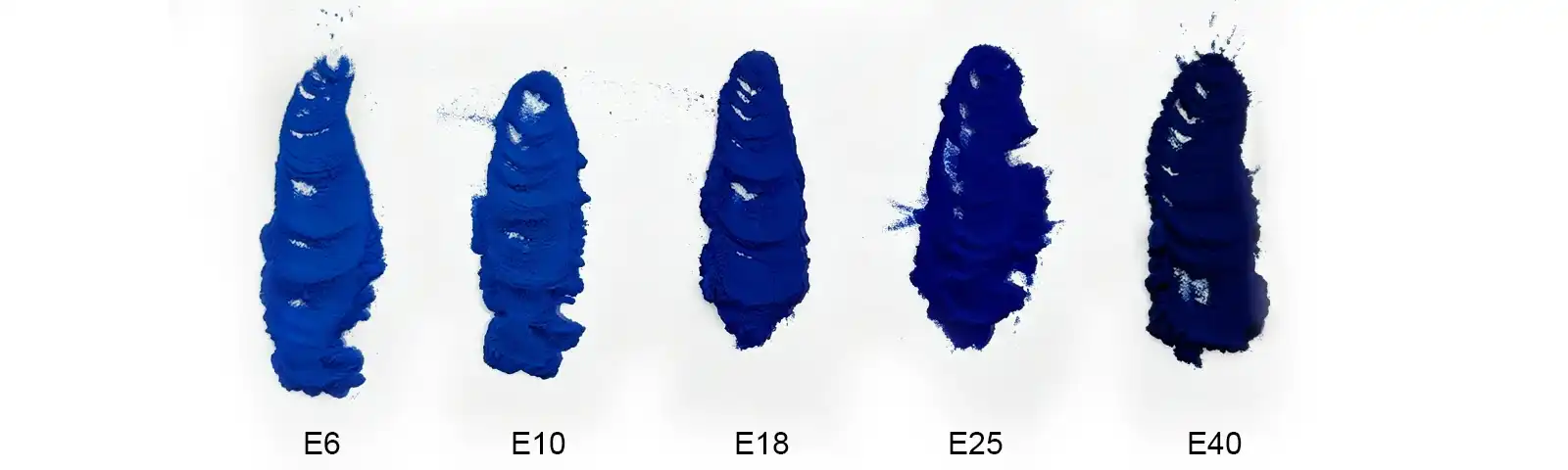
Understanding Phycocyanin E10 and Its Unique Blue Color
The Molecular Science Behind the Blue Hue
Blue pigments from nature are still uncommon in the colouring business. This extract from spirulina is unique because it has the phycocyanobilin chromophore, which is a light-harvesting protein complex absorbing light around 618nm. This natural colourant may retain its bright blue colour because it is molecularly stable in water—unlike manufactured equivalents such as Brilliant Blue FCF. The E10 specification is a standardised colour strength determined using UV-Visible Spectrophotometry that provides confidence in batch-to-batch consistency important for industrial feed formulas and textile applications.
The extraction procedure from the blue-green algal biomass maintains the structural integrity of the chromophore, resulting in better water solubility and insolubility in organic solvents of the pigment. This feature is especially useful in aquaculture feed pellets, in which oil binders are often employed. The pigment disperses into the aqueous phase during feed processing, but does not bleed into fat components.
Functional Properties Beyond Coloration
This industrial-grade pigment also includes bioactive ingredients that help feed stability in addition to its cosmetic appeal. The inherent antioxidant qualities help preserve lipid components in aquaculture feeds from oxidative rancidity during storage, therefore prolonging shelf life in tropical climes where feed deterioration is a major concern. Shrimp farmers in Southeast Asia have reported enhanced carapace colouration by adding this natural blue colourant to post-larval meals, which enhances the market value of harvested crustaceans.
The powder also has the practical benefit of being used on a large scale. It is a stable blue powder which can tolerate the changes in temperature during sea freight, unlike liquid extracts which need cold chain logistics, saving on shipping expenses for importers in Latin America and Africa. In our manufacturing plant in China, precise drying conditions are used to avoid degradation of the chromophore while maintaining the flowability required for automated dosing systems in the feed mills.
Phycocyanin E10 vs. Other Blue Pigments and Grades: Making the Right Choice
Comparing Purity Levels and Cost Efficiency
If you’re a procurement manager looking into natural blue colourants, you need to know the grade hierarchy. E10 standard is in the entry tier, offering colour intensity for non-food applications at around 40% reduced cost compared to pharmaceutical grade E25+ variations. This cost benefit is a key factor for aquaculture operations in which colour enhancement is a practical necessity and not a premium marketing promise.
The Phycocyanin E10 grade provides three times the colour power per kilogram above spirulina powder, which is normally E3-E5; therefore, less dose and freight amounts are required. A Vietnamese catfish feed manufacturer moved to this concentrated pigment over entire spirulina powder and saved 65% yearly on blue colourant freight expenses while gaining greater product distinction in retail pet food channels.
Natural versus Synthetic Sources
Synthetic blue dyes such as Indigo Carmine are more tinctorially powerful, but are subject to regulatory limitations in a number of regions. The European Union has tightened its restrictions on artificial colourants in animal feed and feed additive providers have been forced to turn to natural alternatives. The spirulina-based solution is Kosher and Halal certified, opening up the Middle Eastern market where there are cultural objections to synthetic hues.
Natural origin also attracts textile producers in search of sustainable dyeing procedures. The lightfastness on cellulosic fibres is modest, but the pigment is biodegradable and has minimal aquatic toxicity, and is thus compliant with the more stringent environmental regulations prevailing in developed markets. One Turkish textile dyer told us she was able to incorporate the colour into the company’s “eco-conscious” product range, sacrificing the photostability issue for marketing benefits with European retail chains.
The Extraction and Production Process of Phycocyanin E10: Ensuring Quality and Sustainability
Water Extraction and Purification Protocol
Our manufacture starts with quality spirulina biomass farmed under regulated circumstances of photobioreactors to guarantee constant phycocyanin concentration prior to extraction. The water extraction technique utilises a multi-stage filtering scheme to eliminate cellular debris and concentrate the chromophore of interest. This aqueous technique circumvents the use of organic solvents and allows the pigment to be classified as a natural colourant in most regulatory schemes.
UV-Visible Spectrophotometry measurements at 618nm are performed at three quality control checkpoints throughout manufacturing to ensure that the colour value is within the E10 standard before spray-drying. The drying conditions are optimised to maintain the stability of the chromophore since excessive heat denatures the protein structure, resulting in a decrease in colour intensity. At Shaanxi Herbcosher Phytochemistry Co., Ltd., our technical team has refined these parameters over 20 years of phytochemical manufacturing to provide yields that enable us to offer low pricing on bulk industrial orders.
Quality Assurance and Regulatory Compliance
Microbiological testing is performed in accordance with stringent guidelines, with Total Plate Count kept below 1,000 CFU/g and no pathogens, including Salmonella and E. coli. These precautions reduce the inherent hazards of contamination associated with the growth of aquatic algae that may include waterborne germs. In Southeast Asian markets, pathogen testing is becoming a mandatory part of feed safety standards, and these quality controls are non-negotiable for aquaculture feed distributors.
Heavy metal screening by ICP-MS analysis to ensure compliance with California Prop 65 and EU limitations for lead, arsenic, mercury, and cadmium. This monitoring is necessary for the bioaccumulation potential of spirulina – growing algae in polluted waters may concentrate hazardous metals. Our sourcing agreements with accredited growing facilities in controlled conditions mitigate this risk. Third-party SGS verification is available on request to satisfy importers’ due diligence needs.
Practical Applications and Benefits of Phycocyanin E10 in Industrial Use
Aquaculture Feed Coloration
Main areas of use of this industrial-grade pigment are in breeding of prawns and ornamental fish. Adding 50-200ppm to aquaculture pellets improves carapace and scale colours with a potential increase in perceived quality and market prices. Ecuadorian whiteleg prawn exporters have utilised this natural colourant as a way to distinguish their goods in competitive Asian wholesale markets where visual attractiveness directly influences buyer price.
Being water soluble, the pigment may be distributed evenly during pelleting of feeds. This blue powder, compared to the oil-based carotenoids which need emulsification, disperses into the aqueous binder phase, giving each pellet a uniform colour. This equal distribution eliminates the colour segregation problems of dry-blended synthetic dyes which tend to cluster on the surface of pellets and leach out excessively when immersed in culture ponds.
Industrial Textile Dyeing
Natural dye uses in textile production have grown with firms seeking to prove their environmental credentials. This Phycocyanin E10 pigment is not as wash-fast as vat dyes but may be used in niche applications like craft textiles and low-wash clothing such as ornamental scarves. No mordanting compounds are required in the aqueous dyeing process, and thus, wastewater treatment is simpler than that of metallic mordant systems.
This natural blue has been introduced into the product line of Indian handloom cooperatives that market to European fair-trade stores, where certification of natural dyes may command price increases. It has moderate lightfastness and is appropriate for interior ornamental fabrics when exposure to UV is limited. However, it is not feasible for outdoor use unless combined with synthetic dyes.
Pet Food Product Differentiation
Major pet food producers are using natural colourants to harmonise with customer perceptions of ingredient quality. This blue powder is used to kibble formulas to provide visually unique goods without artificial ingredients that worry pet owners. A Chilean pet food company said it received an excellent reaction from consumers who reformulated its brand of cat food with natural blue chunks, albeit the adjustment was only for human consumers since cats have weak colour vision.
The antioxidant qualities are of secondary utility in increasing the shelf life of the kibble by protecting lipids. This combination of visual qualities and preservation properties enhances the value proposition for pet food formulators working in tight-margin, competitive retail contexts.
Sourcing and Procurement Strategies for Phycocyanin E10: Maximizing Value and Minimizing Risks
Evaluating Supplier Capabilities
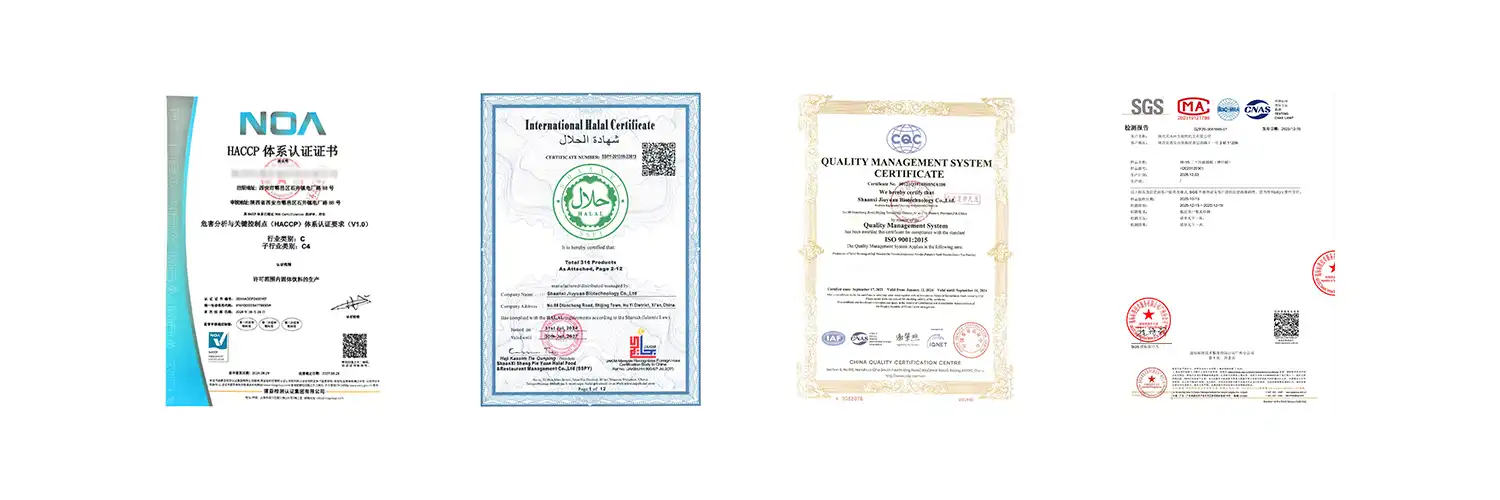
The trusted manufacturers need to verify their manufacturing size and quality methods. Our facility is registered to ISO9001, GMP, and FDA and has speciality certifications such as Kosher and Halal, which provide compliance infrastructure that lowers regulatory risks for importers. The 4,000-5,000 square metre warehouse provides stock availability for just-in-time delivery schedules which are crucial for feed mills with limited storage space.
Small minimum quantities of 1 kilogram enable early product testing, but benefits of bulk pricing are available at commercial levels over 100 kg. Before placing significant purchases, procurement managers should seek Certificate of Analysis documentation including spectrophotometric colour value, microbiological testing, and heavy metal screening. Our technical staff is available to offer thorough COA documentation, and can provide third-party verification via SGS or comparable testing organisations upon request.
Optimizing Logistics and Payment Terms
Trade Terms: EXW, FOB, CFR, CIF, DAP, DDP. Buyers pick the trade terms that best fit their logistical and cost profiles. In Vietnam, aquaculture feed importers commonly use FOB terms so they may aggregate many ingredient shipments with their goods forwarder. In Chile, smaller pet food businesses often choose DDP terms to make customs clearance easier.
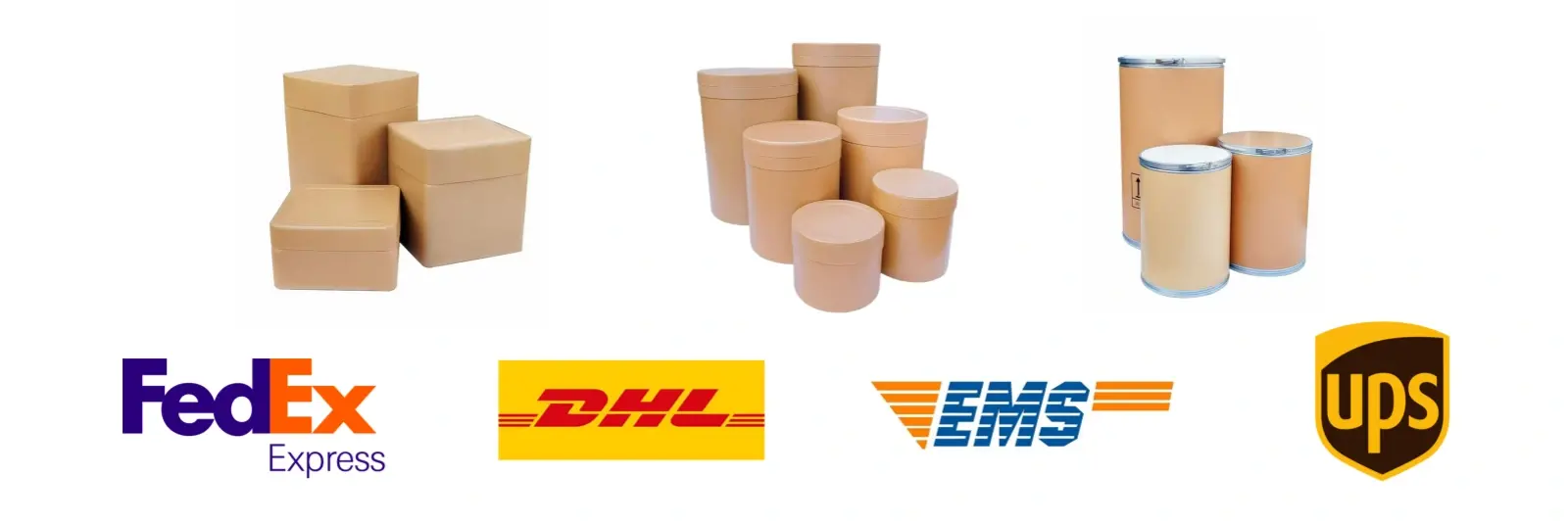
Aluminium foil wrapping weighing 20 kg is moisture-proof and light-proof for large orders sent by sea freight, which takes 30 to 45 days to arrive at ports in Latin America. Air freight is used for urgent replenishment demands, although the cost premium makes this option feasible mainly for high-margin applications. Railway transit along the Belt and Road line has become a middle ground for Eastern European customers with a sweet spot of price and speed.
Building Long-Term Supply Relationships
Feed additive purchases are relationship-based, and supplier consistency is as important as unit cost. Our phytochemical production experience of over 20 years, along with research cooperation with Northwest A&F University and Northwest University, illustrates the technological depth behind ongoing supply. Custom formulations are available on an OEM and ODM basis, including combining this blue pigment with carotenoids for certain green colours in specialised aquaculture applications.
For International payments, T/T (Telegraphic Transfer) is preferable. Standard terms are 30% deposit and 70% balance upon shipping documentation. For clients with verifiable payment history, longer payment periods may be negotiated, which helps seasonal enterprises like ornamental fish breeding firms that see a surge in demand during the spring breeding cycle better manage their cash flow.
Conclusion
This natural blue pigment meets crucial economic and performance criteria for industrial colour applications from aquaculture feeds to textile dyeing to pet food manufacture. Phycocyanin E10 standard is the best colour strength for natural pigments for bulk manufacturing at the most affordable price point in the industry, with full certifications and constant supply capabilities. This industrial-grade alternative is ideally suited for non-food applications where regulatory flexibility allows for wider quality criteria and for procurement experts who want to move away from synthetic colourants or minimise the prices of natural pigments. “Natural alternatives are becoming a requirement in world markets and forging dependable supply partnerships with certified manufacturers is becoming a strategic necessity.
FAQ
1. Is this natural blue colorant safe for aquaculture feed applications?
The product meets feed-grade safety standards with microbiological testing confirming Total Plate Count below 1,000 CFU/g and absence of pathogens. Heavy metal screening via ICP-MS ensures compliance with aquaculture feed regulations in major markets including Southeast Asia and Latin America. Shrimp and fish farmers have incorporated this pigment into commercial feeds without adverse effects on growth rates or survival, though consultation with aquaculture nutritionists remains advisable for species-specific dosing.
2. What differentiates the E10 grade from higher purity options?
The E10 specification indicates a Color Value (E1% 618nm) of 10.0 ± 5%, suitable for industrial applications where cost efficiency outweighs maximum color intensity. Higher grades such as E18 or E25+ deliver greater tinctorial strength but cost significantly more, making them appropriate for pharmaceutical or premium food applications. Feed manufacturers and textile dyers typically find the E10 grade optimal for their cost-performance requirements.
3. How should this blue powder be stored?
Store in sealed aluminum foil packaging away from direct sunlight and moisture in ambient conditions below 25°C. Proper storage maintains color stability for 24 months from the production date. Avoid exposure to strong acids or bases, which can denature the chromophore structure and reduce color intensity.
Partner with HERBCOSHER for Reliable Industrial-Grade Phycocyanin E10 Supply
Shaanxi Herbcosher Phychemistry Co., Ltd. offers comprehensive support for procurement managers and technical engineers requiring consistent natural blue colorant supply at competitive industrial pricing. Our 20+ years of manufacturing experience, combined with ISO9001, GMP, FDA, Kosher, and Halal certifications, ensures product quality meeting diverse regulatory requirements across global markets. With minimum order quantities starting at 1 kg and bulk delivery capability within 15 working days, we accommodate both trial evaluations and large-scale commercial operations. Our technical team collaborates with Northwest A&F University and Northwest University to provide formulation support, including OEM/ODM services for custom color blends tailored to specific aquaculture, textile, or pet food applications. Contact our team at info@herbcosher.com to request Certificate of Analysis documentation, arrange product samples, or discuss your requirements with experienced Phycocyanin E10 supplier representatives.
References
1. Zhang, L., & Wang, S. (2021). Natural Blue Pigments in Industrial Applications: Extraction, Stability, and Market Trends. Journal of Applied Phycology, 33(4), 2156-2170.
2. Ramirez, M., & Chen, H. (2020). Phycocyanin as a Natural Colorant in Aquaculture Feeds: Effects on Crustacean Pigmentation and Market Value. Aquaculture Nutrition, 26(3), 892-904.
3. Kumar, R., & Patel, V. (2022). Comparative Analysis of Natural versus Synthetic Blue Dyes in Textile Applications: Cost, Performance, and Environmental Impact. Textile Research Journal, 92(7-8), 1245-1259.
4. International Feed Industry Federation. (2021). Global Standards for Feed Additives: Natural Colorants and Regulatory Compliance. IFIF Technical Report Series, Volume 18.
5. Martinez, J., & Thompson, A. (2020). Spectrophotometric Standardization of Phycocyanin Grades for Industrial Quality Control. Food Chemistry, 342, 128-136.
6. European Food Safety Authority. (2022). Safety Assessment of Natural Blue Pigments Derived from Spirulina in Animal Feed Applications. EFSA Journal, 20(5), e07234.