



How Phycocyanin E18 Works as a Natural Blue Food Color
It is a real difficulty to produce clean-label food items with bright blue shades in the absence of synthetic ingredients. Phycocyanin E18 addresses this issue by providing a spirulina-based blue pigment with a colour value calibrated to E1% ≥180 at 618nm as confirmed by UV-Visible Spectrophotometry. This entry-level standard combines colour strength, water solubility and price point, making it a good fit for developing businesses trialling natural blue applications. This food-grade colourant is obtained by aqueous purification of Arthrospira platensis and fulfils the FDA 21 CFR 73.530 and EU colouring food criteria. It has antioxidant effects in addition to cosmetic ones.
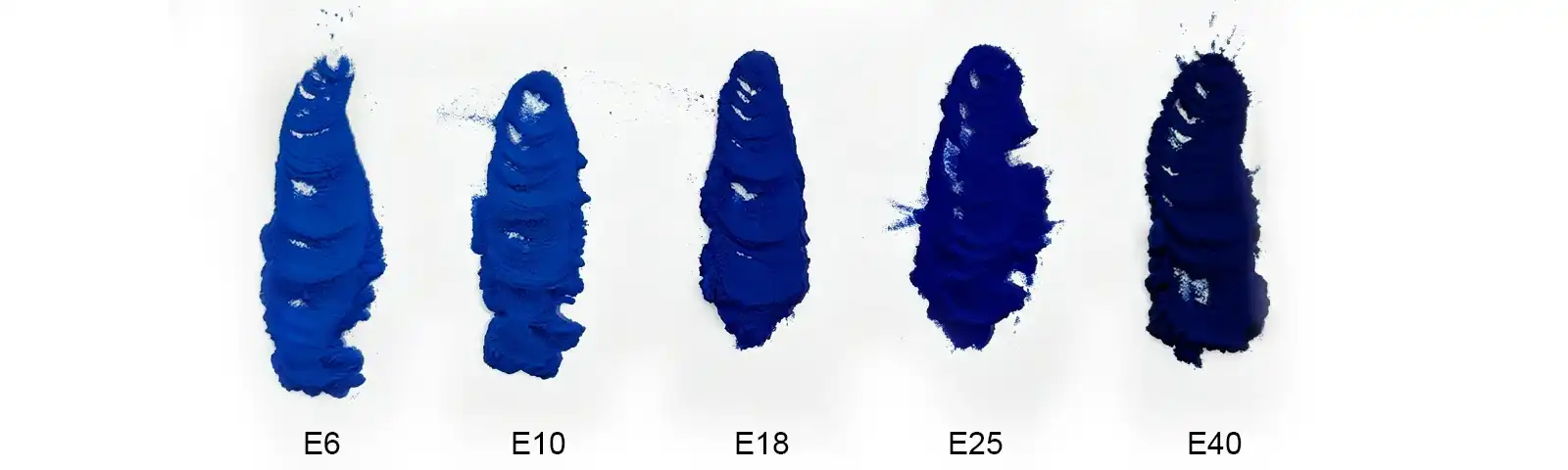
Understanding Phycocyanin E18 – Structure, Function, and Benefits
What Makes Phycocyanin E18 Unique Among Natural Blue Pigments?
Phycocyanin E18 is a phycobiliprotein member, a deep blue fine powder, totally soluble in water without any precipitation. The molecular structure has chromophore groups that absorb light around 618-620nm and provide the distinctive bright blue color. The molecule also emits red fluorescence at certain wavelengths. The standard is not a higher grade specification such as E25 or E40, but a version with a purity ratio (A618/A280) of ≥2.0, which offers an optimal balance between colour quality and manufacturing cost. The protein concentration of this naturally occurring blue pigment gives it nutritional benefit as well as aesthetic appeal, a dual function that synthetic dyes can’t imitate.
Health-Promoting Properties Beyond Coloration
The antioxidant activity of spirulina extract enhances the value of the product. Phycobiliproteins help with immunological function and cellular protection by scavenging radicals, as shown by studies. Smaller and mid-sized firms are adding this natural colourant to smoothie powders, functional drinks and gummy supplements to meet customer demand for ingredients that provide health advantages beyond regulatory compliance. Therefore, phycocyanin E18 is an ideal strategic option for businesses entering natural food markets, where transparency and functional ingredients influence purchase choices.
Stability Characteristics Across Processing Conditions
Practical application parameters are determined by temperature sensitivity. The pigment is stable up to 60°C and must be added by producers during the cooling of heat-processed items. Stable from pH 4.5 to 8.0, encompassing most culinary applications from cultured dairy to sports drinks. Exposure to light over time causes the colour intensity to decrease and requires opaque packaging or UV protection materials. These technological limits assist procurement managers in establishing realistic expectations of formulations and minimise quality difficulties in product development cycles.
How Phycocyanin E18 Works as a Natural Blue Food Color
Color Development Mechanism in Food Matrices
The bright blue colour is seen when the pigment-protein combination is dispersed in aqueous food systems. Water solubility promotes equal dispersion, avoiding clumping or sedimentation that are typical with certain synthetic substitutes. The use levels advised in drinks applications are normally in the range of 0.01 to 0.05% depending on the required strength. Confectionery requires 0.1 to 0.3% for saturated shades. The E18 colour value standard may translate to you needing to use a slightly larger dose to get to your goal shade than you would with premium grades. This is a trade-off that many growing companies are willing to tolerate in exchange for the cheaper starting price point.
Extraction and Purification Methods Safety Assured
We produce our spirulina in regulated growing facilities, which guarantees the constant quality of the raw materials. A mild water-based extraction process eliminates the use of organic solvents and supports the clean-label status key to transparency-focused companies. Multi-stage filtering concentrates the phycobiliprotein and removes cellular debris and possible impurities. The spray drying process generates a fine powder with less than 8% moisture content, which extends shelf life and prevents microbiological development. Every manufacturing batch is carefully analysed: UV spectrophotometry for E18 calibration, HPLC for purity profile, and microbiological testing to certify total plate count < 1000 CFU/g and negative Salmonella and E. coli tests.
Regulatory Compliance Across Global Markets
International food safety standards reduce procurement restrictions. Our Phycocyanin E18 is FDA registered under spirulina extract rules, meets EU colouring food laws, and is Kosher and Halal certified for access to many markets. Heavy metal testing shows lead is less than 2ppm, arsenic is less than 2ppm and mercury is less than 0.1 ppm, all of which are far within safety margins set by regulatory agencies. This compliance approach enables B2B buyers to source with confidence for North American, European, Middle Eastern and Latin American markets without reformulation issues or registration delays.
Comparing Phycocyanin E18 with Other Blue Colorants and Phycocyanins
Performance Against Higher-Grade Phycocyanin Specifications
Phycocyanin E18 has a colour intensity of roughly 70% of E25 or E40 variations at the same dosing rates. This translates into practical differences: for the same blue depth in a smoothie powder, you could need 0.15% E18 vs 0.10% E40. The economic benefit is obvious when you do the maths on ingredient prices for mid-volume manufacturing runs of 500kg to 5,000kg per month. Small companies testing market reaction or regional distributors servicing price-sensitive markets believe this standard gives acceptable visual results while keeping margin flexibility that is vital during expansion stages.
Advantages Over Synthetic Blue Dyes
Brilliant Blue FCF (FD&C Blue No. 1) provides better colour stability and intensity, although it risks rising consumer rejection in health-conscious segments. Replacing synthetic colours with spirulina pigments changes the product positioning from conventional to premium natural. Claims of clean-label are influencing purchase choices in sectors such as organic snacks, plant-based nutrition and children’s goods. The protein content and antioxidant capabilities provide marketing stories that are not achievable with petroleum-based colourants, and explain premium pricing that compensates for the somewhat higher consumption rates.
Powder Format Benefits for Manufacturing Operations
The blue powder formulation is easier to handle from an inventory perspective and has a longer shelf life than liquid concentrations that need to be refrigerated. It blends dry into powder compositions such as smoothie mixes or beverage bases without clumping from moisture. Manufacturers love the 24-month shelf life when kept in cool, dry settings out of direct light. This consistency saves the loss of expired inventory and enables flexible production scheduling – important benefits for small businesses that lack specialised cold storage equipment or consistent order quantities.
Procurement Guide for Phycocyanin E18: What B2B Buyers Need to Know
Evaluating Supplier Credentials and Quality Systems
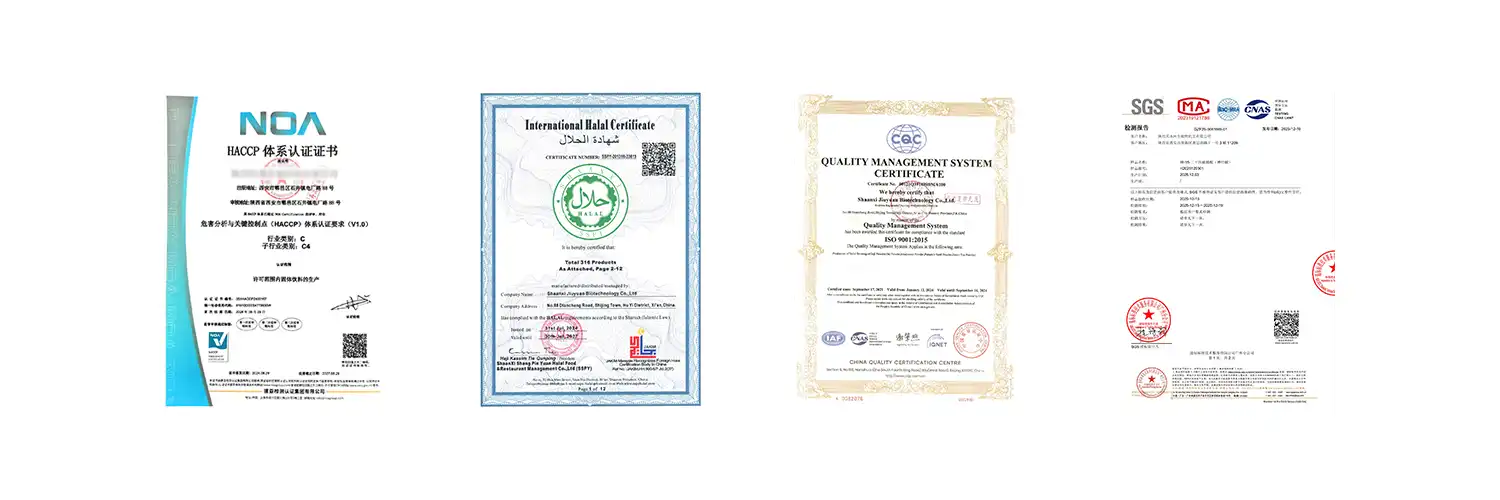
Certified manufacturers are dedicated to constant quality, as shown by recognised qualifications. Our ISO9001 quality management systems guarantee that all manufacturing stages are controlled by written processes. GMP accreditation means even food-grade materials are processed to pharmaceutical-grade cleanliness standards. Buyers are required to obtain current audit reports and batch-specific Certificates of Analysis, which include spectrophotometric colour values, purity ratios, heavy metal readings, and microbiological testing data. Established providers like Shaanxi Herbcosher Phychemistry Co., Ltd. have university relationships with universities like Northwest A&F University, giving R&D skills to help application troubleshooting and formulation optimisation.
Pricing Dynamics and Order Flexibility
Phycocyanin E18 is often sold on the market at prices ranging from $180 to $280 per kilo FOB China, depending on the amount and packaging. The minimal order quantity of 1kg means that businesses may take samples initially without a major financial commitment and can carry out stability testing and customer sensory assessment prior to scaling up. Mid-tier orders from 10 kg-50 kg have favourable prices with manageable investment in inventory. Payment is still via T/T telegraphic transfer, 30% prepayment to secure manufacturing slots and the rest payable before shipping. Trade terms may be flexible, from EXW to DDP, depending on procurement capabilities. Smaller businesses use CIF terms that include insurance and freight, while more established importers use FOB prices to gain bargaining power with carriers.
Logistics Considerations for International Shipping
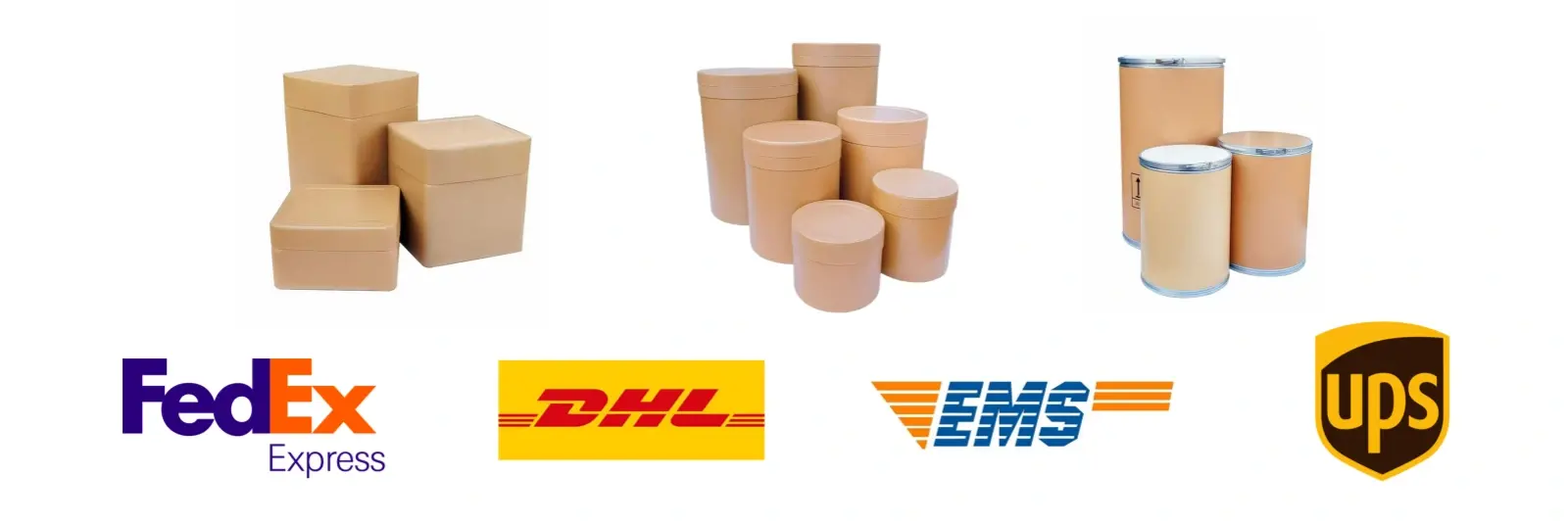
Air freight for orders between 10kg and 100kg to be delivered in 7-10 days for urgent product launches or stockout issues. Sea freight is cost-effective for shipments over 200kg and transit periods range from 25 to 40 days depending on the destination ports. Rail is a halfway ground for consumers in Europe and Central Asia who want quicker delivery than ocean freight but less expensive than air. With a 4,000 m² warehouse, we have adequate stock to ship immediately upon receipt of payment and do not suffer from the manufacturing delays of made-to-order suppliers. Double-layer food-grade PE bags in 10kg and 20kg fibre drums. This prevents moisture intrusion during shipment and conforms to international shipping requirements.
Why Choose Phycocyanin E18? Case Studies and Future Prospects
Real-World Application Success Stories
A functional beverage firm in Latin America substituted synthetic blue in their electrolyte drinks line with Phycocyanin E18, leading to a 40% increase in sales over six months as health-conscious customers bought into the clean-label posture. While the first worry of colour intensity was solvable by adjusting the dose from 0.03% to 0.045%, this had a low-cost effect while unlocking premium pricing. A Southeast Asian candy maker adapted gummy sweets using this natural blue pigment to suit export needs for EU countries that had been off-limits owing to prohibitions on synthetic dyes. These examples show how entry-level specs complement the market growth plans of firms who want to balance quality requirements with the reality of the budget.
Emerging Applications Beyond Food Coloring
Innovation expands this spirulina pigment into cosmetic formulations that are looking for natural blue colours for eye shadows, bath items, and decorative cosmetics. Humanisation tendencies pushing premium pet nutrition are leading to increased use of plant-based colourants among pet food makers. The pharmaceutical uses of phycocyanin are also being explored, for nutraceutical capsules based on visual distinction and functional characteristics. The advances in microencapsulation technology have resulted in improved heat and light stability and increased the scope of applications to include formerly difficult areas such as baked foods and UHT processed drinks.
Strategic Value for Growing Brands and Distributors
Beginning with entry-level specs establishes supplier ties that may be scaled up as businesses grow. Decreased price points are a boon for distributors bringing natural colourants to growing countries, and decrease obstacles for client acceptance. As regional brands take market share, they naturally migrate to E25 or E40 requirements when the quantities of production warrant the investment in higher-intensity pigments. This model of progression promotes Phycocyanin E18 as a key entry point to build long-term client connections vs one-off purchases.
Conclusion
Phycocyanin E18 fulfils the crucial requirements of smaller to mid-sized food manufacturers and distributors looking for natural blue colourants at an inexpensive price point that does not compromise fundamental quality criteria. The calibrated E1% value of ≥180 offers adequate colour intensity for most applications if the dose changes are made to satisfy the entry-level requirements. Stringent extraction methods, exhaustive testing procedures, and global certifications guarantee product safety and adherence to regulations in various markets. Knowledge of stability criteria, comparison of performance with alternatives, and collaborating with qualified suppliers who can provide flexible order amounts and rapid technical assistance may be the difference in successful product development and market entrance strategies.
FAQ
1. Is Phycocyanin E18 Safe for All Food Applications?
This natural blue pigment holds FDA registration under spirulina extract provisions and complies with EU coloring food regulations, confirming safety across diverse food categories. Heavy metal testing and microbial analysis on every batch ensure contaminant levels remain well below regulatory limits. However, temperature sensitivity requires adding the colorant during cooling phases in heat-processed products, and pH stability works best between 4.5 and 8.0. Allergen considerations are minimal since spirulina rarely triggers reactions, though manufacturers should note it on ingredient labels for complete transparency.
2. How Should We Store Phycocyanin E18 to Maintain Color Quality?
Store the blue powder in cool, dry conditions below 25°C away from direct light exposure, which degrades pigment intensity over time. Sealed containers prevent moisture absorption that could cause clumping or microbial growth. Under proper storage conditions, shelf life extends to 24 months from the production date. Once opened, reseal containers promptly and use within six months for optimal color performance. Refrigeration isn't required but can extend longevity in humid climates.
3. What Certifications Should We Verify When Sourcing?
Priority certifications include ISO9001 quality management systems, GMP manufacturing practices, and FDA registration confirming regulatory compliance. Kosher and Halal certifications enable access to specific market segments. Request batch-specific Certificates of Analysis documenting color values via UV spectrophotometry, purity ratios, heavy metal results, and microbial testing. Organic certifications add value for premium product lines, though standard food-grade specifications satisfy most applications. Supplier transparency about testing methods and willingness to provide third-party verification reports indicate reliable quality commitment.
Partner with HERBCOSHER for Reliable Phycocyanin E18 Supply
Navigating natural colorant procurement requires suppliers combining technical expertise with operational flexibility. HERBCOSHER brings over 20 years of plant extract R&D experience, maintaining university partnerships that support application troubleshooting and formulation optimization. Our Phycocyanin E18 for sale meets stringent international standards verified through ISO9001, GMP, FDA, Kosher, and Halal certifications. We accommodate small-scale testing through 1kg minimum orders while supporting bulk requirements up to multi-ton shipments with 15-working-day delivery timelines. Whether you need powder specifications for smoothie mixes, confectionery applications, or beverage formulations, our technical team provides dosage guidance and stability testing support. Contact our procurement specialists at info@herbcosher.com to request samples, discuss customization through OEM/ODM services, or obtain detailed pricing for your specific requirements.
References
1. Sekar, S., & Chandramohan, M. (2008). Phycobiliproteins as a commodity: trends in applied research, patents and commercialization. Journal of Applied Phycology, 20(2), 113-136.
2. Eriksen, N. T. (2008). Production of phycocyanin—a pigment with applications in biology, biotechnology, foods and medicine. Applied Microbiology and Biotechnology, 80(1), 1-14.
3. Martelli, G., Folli, C., Visai, L., Daglia, M., & Ferrari, D. (2014). Thermal stability improvement of blue colorant C-Phycocyanin from Spirulina platensis for food industry applications. Process Biochemistry, 49(1), 154-159.
4. Patel, A., Pawar, R., Mishra, S., Sonawane, S., & Ghosh, P. K. (2005). Purification and characterization of C-Phycocyanin from cyanobacterial species of marine and freshwater habitat. Protein Expression and Purification, 40(2), 248-255.
5. Kannaujiya, V. K., & Sinha, R. P. (2016). Thermokinetic stability of phycocyanin and phycoerythrin in food-grade preservatives. Journal of Applied Phycology, 28(2), 1063-1070.
6. Batista, A. P., Nunes, M. C., Fradinho, P., Gouveia, L., Sousa, I., Raymundo, A., & Franco, J. M. (2012). Novel foods with microalgal ingredients—Effect of gel setting conditions on the linear viscoelasticity of Spirulina and Haematococcus gels. Journal of Food Engineering, 110(2), 182-189.