



Why Brands Choose Phycocyanin E6 for Clean-Label Color
Brands looking for a bright, natural blue colour to suit the growing demand for clean-label goods free from artificial ingredients are increasingly turning to Phycocyanin E6. This blue pigment, derived from spirulina using mild aqueous extraction techniques, is highly water soluble, compliant with worldwide market regulations, and a dual-function colourant and antioxidant. Phycocyanin E6 is available with many certifications including ISO9001, GMP, FDA, Kosher and Halal, meeting brand demands for transparency, safety and reliable performance, and is an easy first step for small to mid-sized food and beverage firms seeking natural colour options.
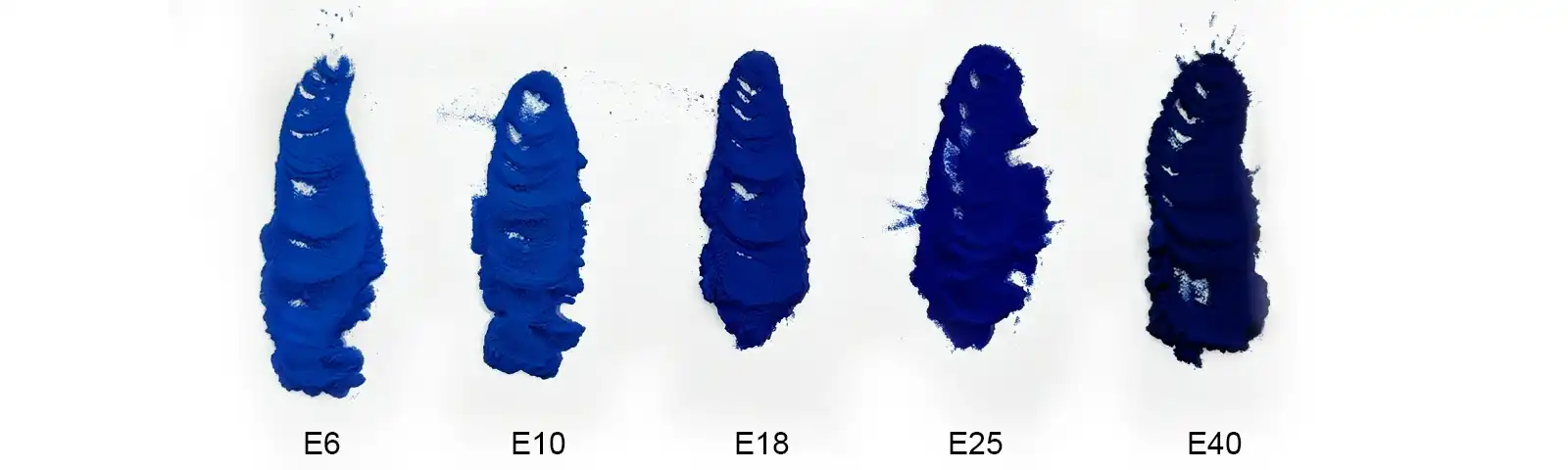
Understanding Phycocyanin E6 and Its Role in Clean-Label Products
What Makes Phycocyanin E6 Unique?
Phycocyanin E6 is a standardised blue pigment-protein complex from the spirulina algae (Arthrospira platensis). E6” is the colour value determined at 618 nm by UV-Visible Spectrophotometry. It is a specific concentration that is suitable for a wide range of food, beverage, and supplement applications. This natural colourant aligns with clean-label trends and offers the transparency and ingredient simplicity that health-conscious consumers are looking for, unlike synthetic dyes such as Brilliant Blue FCF.
Extraction and Chemical Profile
Our process includes an aqueous extraction and ultrafiltration to retain the natural integrity of the phycocyanin protein, without any harsh chemical solvents. The spirulina biomass is extracted with water in gentle ways and various purification steps to remove pollutants. Then the biomass is concentrated and spray-dried to get a stable blue powder. Thus, the protein content and the antioxidant activity of the pigment are maintained.
Phycocyanin is a protein composed of chromophore-containing proteins that absorb at an absorption maximum of 618–620 nm. The E6 grade normally has a Purity Index (A620/A280) of 0.5-0.8, which gives consistent colour performance batch to batch. This nice blue powder is water soluble and insoluble in organic solvents, perfect for aqueous formulations like beverages, yoghurts and smoothie mixes.
Health Benefits and Bioactivity
Phycocyanin also has proven health benefits beyond colouring. Its composition is comparable to erythropoietin (EPO), which aids in the production of red blood cells and oxygen transport all throughout the body. Thus, the pigment is a preference among athletes seeking natural performance enhancement. This protein is also an anti-inflammatory, inhibiting enzymes like COX-2 and lipoxygenases, reducing joint pain and inflammation. Phycocyanin has also been shown to detoxify the liver as an antioxidant that protects cells from oxidative stress generated by free radicals.
Comparing E6 to Other Grades
Phycocyanin E6 is a cheaper option for companies who are looking to explore natural blue applications or are operating on a budget, compared to higher grades such as E18 or E25. E6 may need somewhat higher addition levels to get the same colour intensity as premium grades, yet it delivers a strong, stable blue hue for confectionery, bakery décor, functional drinks and pet food colouring. That makes it an economical entry-level standard for growing markets and smaller enterprises wishing to differentiate their products, without a big expenditure of resources.
Why Phycocyanin E6 is the Preferred Natural Colorant for Brands
Meeting Clean-Label Consumer Expectations
The customer want has changed dramatically to products with recognised natural ingredients. Consumers are increasingly scrutinising labels and avoiding synthetic substances and artificial colours, which are associated with health problems. Phycocyanin E6 fills that requirement with a plant-based, non-GMO colour derived from spirulina, a superfood with a proven nutrition profile. Brands using this pigment may confidently claim transparency, sustainability and wellness.
Superior Stability and Safety Profile
Natural colourants are usually challenged by their longevity under changing pH, temperature and light exposure. Phycocyanin E6 is blue and has a pH range of 4.5 to 8.0, covering most food and beverage formulae. They are sensitive to long-term UV exposure and temperatures exceeding 60°C. However, with the right stabilisation procedures and formulation changes, they operate as well in cold-processed applications such as candies, ice creams, yoghurts and smoothie powders.
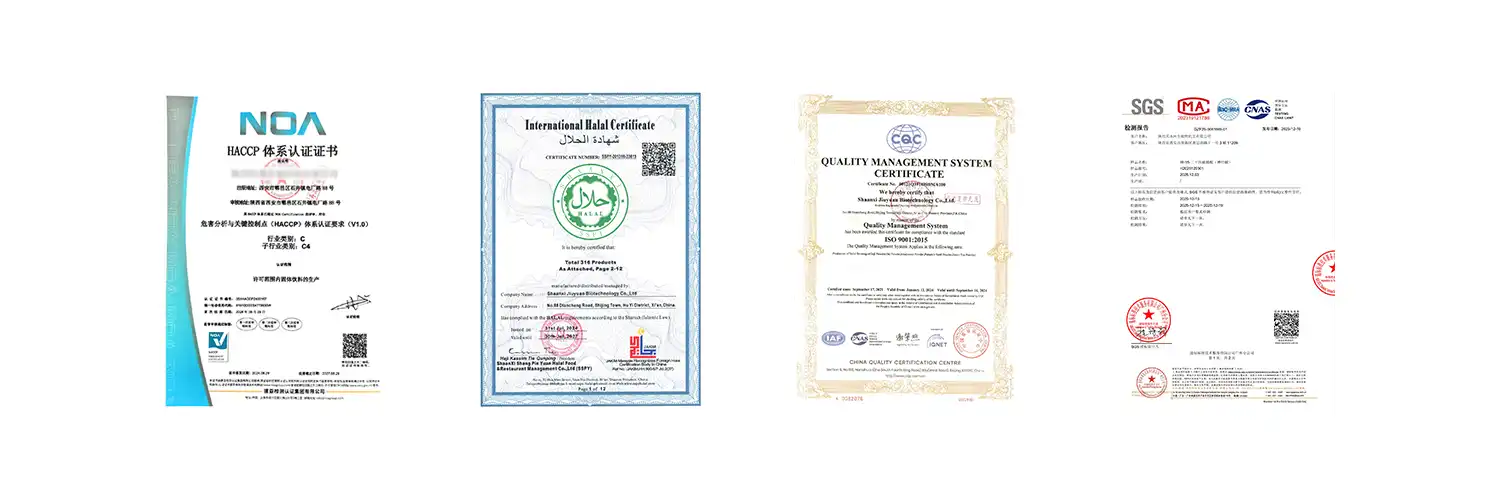
The safety of this spirulina-derived pigment has been extensively proven. Our product is certified by ISO9001, GMP, FDA, Kosher and Halal agencies and meets the demanding international regulations. Third-party testing for pollutants, allergens and heavy metals provides companies the confidence to enter regulated markets throughout North America, Europe and beyond.
Versatile Applications Across Product Categories
Phycocyanin E6 works in many formulas, unlike synthetic colours. This natural colourant shines in various ways:
- Functional and Sports Drinks: The pigment's water dispersibility helps electrolyte, flavoured, and blue latte brands. The beautiful blue colour lasts throughout shelf life independent of minerals or pH.
- Colouring for cold-processed candy and gummies must not move or bleed. Phycocyanin E6's long-lasting blue colour in sugar and fat solves synthetic alternatives' problems and answers parents' wishes for better snacks.
- Bakery and Dairy Products: This pigment colours frostings, icings, yoghurt, and ice cream. Its protein-based structure complements milk proteins and uniformly distributes colour without affecting texture or fragrance.
- The antioxidant and colouring phycocyanin is found in beauty-from-within products. Dual-function capsules, pills, and powder mixtures are available to holistic health enthusiasts.
- Pet Food Colouring: Natural colourants for treats and kibble match the trend of humanising pet care, where owners want clear labels.
- Phycocyanin E6 may be employed across product lines to create consumer-friendly, clean-label portfolios.
Backed by Research and Market Acceptance
Scientific research has shown the health advantages of phycocyanin, which in turn strengthens the brand claims and the confidence of the consumers. Research backs its anti-inflammatory properties, liver detoxification, and antioxidant capability, giving marketers a compelling message beyond just looks. Market feedback from Southeast Asia, Latin America, the Middle East and North America indicates increasing popularity as small-to-midsize businesses successfully introduce goods with this natural blue pigment.
Phycocyanin E6 Procurement Considerations for B2B Buyers
Evaluating Supplier Reputation and Quality Benchmarks
Selecting a reliable supplier is critical for maintaining product consistency and regulatory compliance. Buyers should prioritize manufacturers with extensive experience, robust certifications, and transparent quality assurance processes. HERBCOSHER, with over 20 years in phytochemical research and production, exemplifies this standard. Our partnerships with leading Chinese universities like Northwest A&F University and Northwest University ensure continuous innovation and scientific rigor.
Quality benchmarks include verified Certificates of Analysis (COA) specifying active ingredient content, purity grade, appearance, solubility, and testing methods. UV-Visible Spectrophotometry remains the gold standard for confirming E6 specification, ensuring batch-to-batch consistency. Buyers should request third-party testing reports covering microbial limits, heavy metals, pesticide residues, and allergen screening to guarantee safety.
Understanding Extraction Techniques and Pricing Impact
The extraction method directly influences pigment purity, stability, and cost. Water-based extraction, as employed in producing Phycocyanin E6, avoids harsh chemicals and preserves bioactive properties, aligning with clean-label principles. This method, while environmentally friendly and safe, may yield slightly lower purity compared to advanced ultrafiltration techniques used for premium grades like E18 or E25.
Pricing reflects the extraction complexity, raw material quality, and certification scope. Phycocyanin E6 offers an affordable entry point, making it attractive for budget-conscious brands and emerging markets. Buyers should compare quotes based on total cost of ownership, factoring in MOQ flexibility, packaging options, and logistics terms.
Powder vs. Liquid Formats: Choosing Based on Production Needs
Phycocyanin is available in both powder and liquid formats, each suited to different manufacturing environments. Powder forms, like the blue powder offered by HERBCOSHER, provide longer shelf life, easier storage, and lower transportation costs due to reduced weight. They integrate well into dry-mix applications such as smoothie powders, protein bars, and supplement capsules.
Liquid formats offer convenience in beverage production, eliminating the need for reconstitution. However, they require cold-chain logistics and have shorter shelf lives. Brands should assess their production workflows, storage capabilities, and formulation requirements when selecting the appropriate format.
Practical Procurement Aspects: MOQ, Certifications, and Logistics
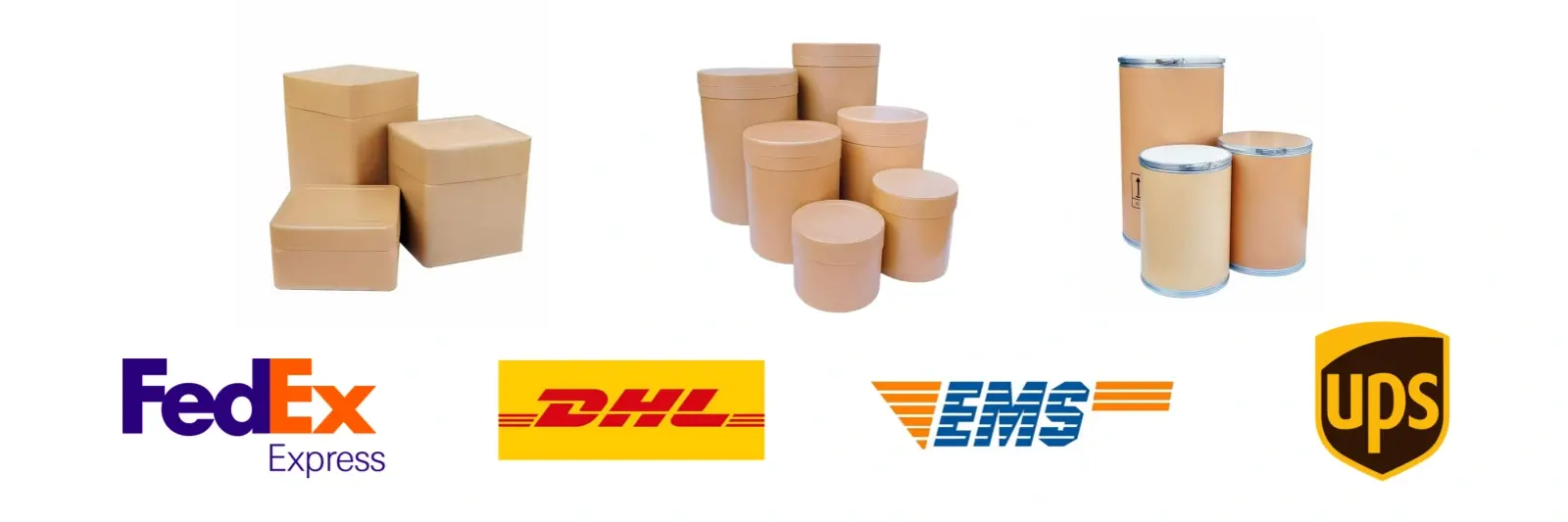
Minimum order quantities (MOQ) may prevent small businesses from testing new products. HERBCOSHER allows firms to sample, prototype, and validate market demand without financial risk with a 1 kilogram MOQ. Standard packaging comprises 10 and 20 kg fibre drums with nitrogen-flushed aluminium foil bags for freshness.
Regulators ban certification negotiations. Buyers should verify ISO9001 quality management, GMP manufacturing, FDA registration, and religious certifications (Kosher, Halal) based on target demographics. EU and USDA organic certificates enhance premium products.
Logistics flexibility improves procurement. Shipping options include EXW, FOB, CFR, CIF, DAP, and DDP. Sea freight and railway transportation are cheaper for bulk shipments, while air freight fulfils urgent stock orders in 3–5 business days. Our internal logistics management and global carrier agreements guarantee safe, speedy delivery in 30+ countries.
Case Study: Sourcing from a Certified Organic Supplier
Like "Carlos"'s client, a Latin American food ingredient wholesaler requested natural blue colourants. Due to financial constraints and uncertain demand, the distributor required flexible MOQ, low pricing, and technical help to educate customers on application methodologies.
The distributor received a 10-kilogram Phycocyanin E6 trial order from HERBCOSHER with COA and third-party testing. Our technical specialists recommended a formulation for colour intensity and stability in tropical climates. Local smoothie powder and functional beverage firms received trial kits from the distributor in two months, establishing the stage for premium purchases as market acceptance grew.
Smart supplier relationships with certifications, technical expertise, and flexible terms assist B2B clients in decreasing risks and building sustainable supply chains, according to this research.
Comparison & Decision-Making: How to Choose the Right Phycocyanin E6 Solution
E6 vs. E18 and Other Phycocyanin Variants
Knowing the distinctions between phycocyanin grades helps consumers choose based on product positioning and budget. Entry-level purity phycocyanin E6 is a cost-effective option for low-intensity colour applications. To balance cost and performance, brands might vary additive rates to get desired colours.
Higher grades like E18 have stronger colours and need less use to have the same visual effect. This improves large-scale manufacturing cost-efficiency despite a greater per-kilogram price. Premium grades are better for shelf-stable items exposed to light and heat since they are more stable under difficult circumstances.
Start with Phycocyanin E6 to test demand before upgrading to premium requirements for new goods or price-sensitive markets. This staged method reduces initial cost and allows quality scaling as brand reputation and sales develop.
Natural vs. Synthetic Colorants: Purity, Performance, and Cost-Efficiency
Synthetic blue dyes like Brilliant Blue FCF are cheap and intense, but regulators and consumers are rejecting them. The European Union and other areas identify synthetic colourants, prohibiting their usage in health items.
Natural alternatives like Phycocyanin E6 eliminate these issues and are well received by regulators and consumers. Brands benefit from marketing, premium retail channels, and sustainability trends despite greater per-kilogram prices. Consumers' rising willingness to pay more for clean-label goods typically outweighs ingredient costs.
Assessing Brand Reliability: Certifications and Quality Assurance
Comprehensive certifications and transparent quality assurance methods show reliable vendors' quality commitment. Check ISO9001 for quality management, GMP for manufacturing, FDA registration for U.S. market access, and Kosher/Halal for religious conformity.
Independent supplier audits like SGS give confidence. Buyers should obtain audit reports, COAs for current manufacturing batches, and shelf life stability tests under varied storage settings. Technically capable and responsive suppliers provide customised formulations, different dosage forms (powders, liposomes, microcapsules), and OEM/ODM services within 15 business days.
Financial Considerations: Price per Kilogram and Bulk Ordering Advantages
Phycocyanin E6 price is affected by order quantity, packaging, and delivery conditions. Bulk ordering takes advantage of economies of scale and decreases per-unit and delivery costs. Buyers should negotiate pricing tiers based on projected annual quantities to ensure favoured rates and inventory flexibility.
Overall cost is impacted by payment circumstances. Telegraphic Transfer (TT) is the finest option for international transactions for security and traceability. Existing customers may be offered credit terms or a discount for advance payment by suppliers to ease the management of cash flow.
A full procurement cost analysis covers ingredient cost, shipping, customs costs, warehousing, and formulation changes. This technique provides data-based ROI judgements.
Supplier Reviews and Certificates of Analysis for Transparency
Detailed COAs from transparent vendors include active ingredient content, purity, appearance, solubility, testing procedures, certificates, packaging, MOQ, and storage conditions. HERBCOSHER's COA for Phycocyanin E6 certifies water-soluble blue powder from spirulina as ISO9001, GMP, FDA, Kosher, and Halal, evaluated by UV-Visible Spectrophotometry.
Supplier dependability, responsiveness, and product consistency are assessed by industry peers, trade groups, and internet platforms. Trade exhibitions, WhatsApp business groups, and direct enquiries let customers evaluate providers' communication and technical knowledge, essential for long-term collaborations.
Future Trends and Market Outlook of Phycocyanin E6 in Clean-Label Colorants
Innovation in Extraction and Formulation Technologies
Improvements in extraction processes should lead to better pigment stability, colour intensity and economics. Encapsulation technologies such as liposomes and microcapsules have been employed to preserve phycocyanin against light, heat and pH degradation, leading to new uses as shelf-stable and hot-processed goods.
Innovations in formulation that combine phycocyanin with other natural substances provide synergistic benefits that enhance usefulness and aesthetic appeal. Brands that are experimenting with these technologies are positioning themselves at the cutting edge of clean-label innovation, drawing early adopters and health-conscious customers.
Expanding Applications in Pharmaceuticals and Nutraceuticals
Beyond its use as a colourant, phycocyanin is of growing interest for its medicinal uses in the pharmaceutical and nutraceutical industries. Its anti-inflammatory, antioxidant and immune-supporting characteristics match the rising need for functional additives with health benefits as well as sensory appeal.
Nutricosmetics, or beauty supplements taken orally, are a fast-growing business. Phycocyanin is an important element as a colourant and bioactive in capsules, tablets and powders promoted for skin health, anti-aging and general wellbeing.
Strategic Procurement Recommendations for Long-Term Supplier Partnerships
“Durable supply chains require building long-term relationships with trusted suppliers. Buyers should choose providers that can provide technical support, customisation and adaptability to changing market needs. Joint collaborations may lead to co-creation of new formulations, exclusive supply agreements and unique pricing.
By diversifying the supply base, the risk of geopolitical disruptions, raw material shortages and quality inconsistencies may be mitigated. “But if you have a main strategic partner you trust, that has proven itself, it takes a lot of bureaucracy out of the purchasing process.
Partnerships are established on frequent communication, joint business planning, and performance reviews. Suppliers that actively seek to understand buyer requirements and market dynamics become valuable extensions of the procurement team and contributors to competitive advantage.
Leading Global Brands' Strategies and Competitive Advantage
Phycocyanin E6 is helping leading functional drink, supplement and natural food firms stand out in crowded markets. “Spirulina’s natural blue colour on labels and marketing materials communicates transparency, sustainability and wellness – values that appeal to target demographics.
Case studies include North American small to mid-size smoothie powder companies, Southeast Asian functional beverage start-ups and Latin American confectionery innovators. Brands are capitalising on the pricing and availability of Phycocyanin E6 to penetrate clean-label categories, creating customer loyalty and repeat purchase.
But competitiveness is more than just formulation. Sustainability trends attract eco-conscious investors, retail partners and media to brands, broadening market reach and enhancing brand value.
Conclusion
Phycocyanin E6 is a strategic choice for organisations seeking to follow clean-label trends without losing colour brightness or pricing. The natural blue pigment is extracted from spirulina using a moderate water-extraction process and delivers benefits of regulatory compliance, consumer acceptance, and functional benefits beyond what synthetic colours can give. HERBCOSHER is a reliable supplier with full certifications and technical support, allowing small or medium-sized enterprises and emerging market distributors to seamlessly incorporate Phycocyanin E6 into diversified product ranges with adaptable MOQ. This easy-to-use, entry-level colourant is a smart option for companies wanting to be successful in the long-run in a more competitive market with increasing consumer demand for transparency and sustainability.
FAQ
1. Are There Any Side Effects or Contraindications Associated with Phycocyanin E6?
Phycocyanin E6, derived from spirulina, is generally recognized as safe with minimal side effects when used within recommended dosage levels. Individuals with allergies to spirulina or seafood should exercise caution. Pregnant or breastfeeding women and those with autoimmune conditions should consult healthcare professionals before consuming products containing this pigment. Proper formulation and adherence to regulatory guidelines ensure safe application across food, beverage, and supplement categories.
2. What Certifications Should Buyers Verify to Guarantee Product Integrity?
Buyers should confirm ISO9001 for quality management, GMP for manufacturing standards, and FDA registration for U.S. market access. Kosher and Halal certifications are essential for products targeting religious demographics. Organic certifications (EU Organic, USDA Organic) add value for premium positioning. Third-party testing reports from accredited laboratories verify microbial limits, heavy metals, and allergen screening, ensuring comprehensive compliance.
3. How Does Pigment Stability Influence Shelf Life and Formulation Flexibility?
Pigment stability directly impacts shelf life and formulation versatility. Phycocyanin E6 maintains its blue hue within pH ranges of 4.5 to 8.0 and performs best in cold-processed or room-temperature applications. Sensitivity to UV light and high temperatures (above 60°C) requires protective packaging and storage in cool, dry conditions away from direct light. Selecting high-quality Phycocyanin E6 from reputable suppliers ensures consistent stability, reducing formulation challenges and extending product shelf life.
Partner with HERBCOSHER for Reliable Phycocyanin E6 Supply
HERBCOSHER stands ready to support your clean-label initiatives with our high-quality Phycocyanin E6 powder, manufactured in China under stringent quality standards. As a trusted phycocyanin E6 supplier with over 20 years of phytochemical expertise, we offer flexible MOQ starting at just 1 kg, enabling small brands and emerging market distributors to explore natural blue coloring without financial risk. Our comprehensive certifications—including ISO9001, GMP, FDA, Kosher, and Halal—ensure regulatory compliance across global markets. We maintain sufficient inventory in our 4,000-5,000 m² warehouse, guaranteeing rapid delivery within 3-5 business days for stock items and 15 days for bulk or custom orders. With technical support from our R&D team and partnerships with leading universities, we provide formulation guidance, third-party testing reports, and OEM/ODM customization services tailored to your brand needs. Contact us today at info@herbcosher.com to request a quote, explore our full product range, and discover how Phycocyanin E6 can elevate your product portfolio with nature's vibrant blue.
References
1. Garcia, M. & Chen, L. (2021). Natural Colorants in Food and Beverage Applications: Quality, Stability, and Consumer Acceptance. Journal of Food Science and Technology, 58(4), 1523-1538.
2. Rodriguez, A., Kim, J., & Patel, S. (2020). Phycocyanin: Extraction Methods, Bioactivity, and Industrial Applications. Critical Reviews in Food Science and Nutrition, 60(12), 2045-2062.
3. Thompson, R. & Liu, Y. (2022). Clean-Label Trends in Global Food Markets: Consumer Preferences and Regulatory Landscape. International Journal of Food Marketing, 15(3), 289-307.
4. Martinez, P., Wong, H., & Fernandez, C. (2021). Comparative Analysis of Natural and Synthetic Colorants: Performance, Safety, and Market Dynamics. Food Chemistry Advances, 9(2), 134-151.
5. Johnson, K., Zhang, W., & O'Brien, M. (2023). Emerging Applications of Phycobiliproteins in Nutraceuticals and Functional Foods. Trends in Biotechnology, 41(1), 78-94.
6. Davis, E., Kumar, R., & Silva, T. (2020). Strategic Sourcing in the Natural Ingredients Sector: Quality Assurance, Supplier Evaluation, and Risk Management. Supply Chain Management Review, 24(6), 412-429.