



Phycocyanin E6 vs Synthetic Blue Dyes: What Makes It Different?
Choosing a blue colourant for your food or beverage line may be a little daunting, especially when you have to decide between natural and synthetic possibilities. Phycocyanin E6 is a natural blue pigment, derived from spirulina algae, as a clean-label alternative to conventional synthetic blue dyes such as Brilliant Blue FCF. The main difference is in their origin, safety, and marketing. Phycocyanin E6 is produced by spirulina, extracted with water, giving a wonderful colour and antioxidant benefits, while synthetic dyes are petrochemical-based compounds, designed for stable colour and no nutritional value. Understanding the differences enables you to make smarter sourcing selections that meet regulations, customer needs, and your brand values.
Understanding Phycocyanin E6 and Synthetic Blue Dyes
What is Phycocyanin E6?
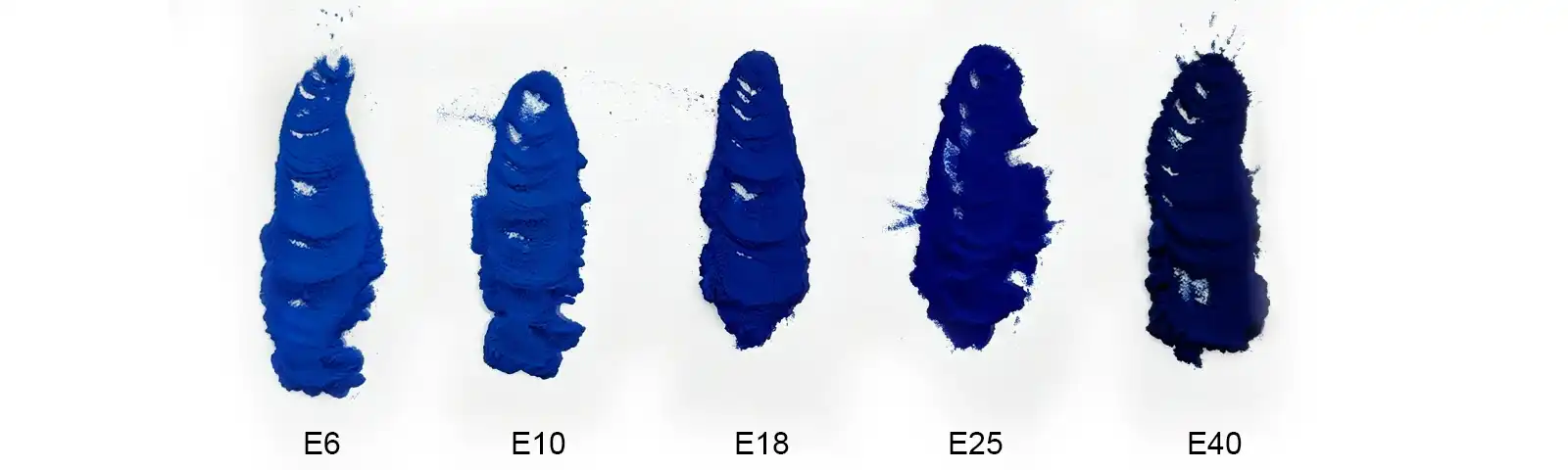
Phycocyanin E6 is a standardised blue pigment-protein complex derived from Spirulina platensis. "E6" is the colour value determined at 618 nm by means of UV-Visible Spectrophotometry and indicates a specified purity level for basic applications in food, beverages and cosmetics. It is a fine blue powder, a natural colourant, soluble easily in water but insoluble in organic solvents and so suited for use in aqueous formulations. It is extracted using a mild water extraction procedure and keeps the natural integrity of spirulina’s beneficial constituents, including proteins and antioxidants. The manufacturing method comprises the selection of high-quality spirulina biomass, water extraction to liberate the phycocyanin proteins, many phases of purification, and spray drying the concentrate into a stable powder form.
Common Synthetic Blue Dyes in the Market
Synthetic blue dyes dominate the colourant industry, since they are cheap and even. Brilliant Blue FCF (E133) is permitted for use in North America and Europe. It is very stable in acidic environments and high-temperature processing. Indigo Carmine (E132) gives a blue-green colour and is often used in sweets and drinks. Patent Blue V (E131) has been banned in several countries, although it is still widely used in medicinal applications. The colours are chemically synthesised from petroleum compounds, assuring batch-to-batch homogeneity but creating worries for health-conscious customers and firms seeking clean-label positioning. Regulatory clearance may vary widely; E133 is allowed in the US and EU, but certain markets like Norway have limits, necessitating rigorous compliance evaluation throughout procurement.
Extraction and Production Methods Compared
The manufacturing processes of natural phycocyanin and synthetic dyes are essentially different. Phycocyanin E6 is obtained from a regulated culture of spirulina, and the cells are broken using aqueous procedures that maintain the protein structure. Impurities are removed by ultrafiltration and chromatography, and the final product is standardised to the E6 specification by spectrophotometric testing. The method is free of harsh chemical solvents in accordance with environmental sustainability aims. Synthetic blue dyes, in contrast, are obtained via multi-step chemical synthesis including aromatic chemicals, sulfonation, and filtration using industrial solvents. This technique is efficient and scalable, but produces chemical waste and is based on non-renewable feedstocks, leading to environmental issues of growing concern for regulators and customers alike.
Key Differences Between Phycocyanin E6 and Synthetic Blue Dyes
Origin and Natural Status
The most obvious difference is the material. Phycocyanin E6 is derived only from spirulina algae, an organism rich in nutrients grown in regulated aquatic conditions. Natural origin enables manufacturers to describe items as “colored with spirulina extract” or “naturally derived” in line with the clean-label movement sweeping the worldwide market. Synthetic blue dyes are substances that are synthesised in laboratories and have no plant or animal origin and are categorised as artificial additives. This basic distinction has implications for labelling requirements, consumer perception and regulatory processes. Phycocyanin E6 is often more expensive than synthetic colourants but is gaining a strategic edge as a natural colourant for health and emerging markets where consumer transparency and healthiness are key considerations.
Safety Profile and Toxicology
Phycocyanin E6 is safe since it is of biological origin. It is considered to be safe for human consumption by regulatory authorities such as the FDA, and studies have shown it has minimal toxicity. Phycocyanin is a protein, and like the proteins in our food, it is metabolised in our bodies. There is no risk of it accumulating or causing bad consequences. The synthetic blue dyes have been extensively tested for their toxicological effects and are permitted for use within prescribed limits. However, sometimes, certain synthetic colourants are implicated in hypersensitivity responses in sensitive persons. Regulatory agencies impose rigorous Acceptable Daily Intake (ADI) limits for synthetic colours, but natural phycocyanin often has fewer limitations, making formulation and compliance easier, especially in markets that value natural ingredients, such as the organic sectors of the EU and US.
Antioxidant and Functional Benefits
Phycocyanin E6 offers functional health advantages not present in synthetic dyes, in addition to colouring. It is a powerful antioxidant that gets rid of free radicals and helps cells stay healthy. The two-in-one capability enables marketers to present goods as both physically beautiful and contributing to wellbeing, a compelling marketing approach for functional drinks, nutritional supplements and nutricosmetics. Synthetic blue dyes are only colourants; they don’t have any nutritional or biological characteristics. Phycocyanin E6 is gaining importance for brands that target health-conscious consumers or want to use it as a differentiator in terms of added value. The compound is sensitive to heat and light and has to be formulated carefully to ensure stability over the shelf life of the product.
Environmental and Sustainability Considerations
Procurement emphasis is increasingly on sustainability. Phycocyanin E6 is extracted from sustainable spirulina biomass, which is frequently grown using less land and water than conventional crops. The extraction uses water, leading to little chemical waste. Even growing spirulina helps sequester carbon. Synthetic dye manufacturing depends on petrochemical feedstocks, energy-intensive synthesis, as well as chemical waste streams, causing environmental issues. Companies with sustainability aims and transparent supply chains are more likely to align with natural phycocyanin for corporate social responsibility purposes. Third-party certifications such as organic, non-GMO, and eco-labels help tell the sustainability story, appealing to the eco-aware customer and to strict procurement standards in markets such as the European Union.
Market Comparison and Product Procurement Considerations
Price and Purity Analysis
Pricing is a major consideration in B2B purchasing. Generally, synthetic blue dyes are cheaper, with wholesale pricing commonly in the $10-30 per kilogram range depending on quality and source. The price of phycocyanin E6 is usually in the range of $50-$150 per kilogram (kg) depending on purity, vendor reputation, and amount of order, reflecting its natural origin and difficult manufacturing process. The E6 standard provides an entry-level purity for cost-concerned consumers either trialling natural colourants or targeting price-sensitive markets. Higher grades, such as E18 or E25, are more expensive but provide a richer hue; therefore, less quantity is needed. Purity significantly affects performance: greater purity grades provide more vibrant colour and stability, justifying their expense for premium product lines. Dosage rates should be considered when calculating overall cost. Natural pigments may need to be applied at greater levels than synthetics to attain the same colour strength.
Formulation Versatility and Application Scenarios
Phycocyanin E6 is quite good in certain formulation situations. Highly water soluble, it's the perfect ingredient for beverages, including sports drinks, flavoured waters and functional smoothies. In powder form, it adapts well to dry mixes for protein powders, baking decorations and confectionery coatings. However, its protein structure restricts stability under high-acid, high-temperature, or extended UV-exposure circumstances; thus, formulators must modify pH, employ stabilisers, or pick appropriate packaging. Synthetic blue dyes have wider stability regarding pH and processing conditions and are suitable for use in hard candies, carbonated drinks, and baked products where high temperatures are encountered. Regarding choosing suppliers, enquire about technical data sheets, stability testing, and formulation assistance to aid in aligning colourant choices with your particular product matrix and processing parameters.
Supplier Evaluation Criteria
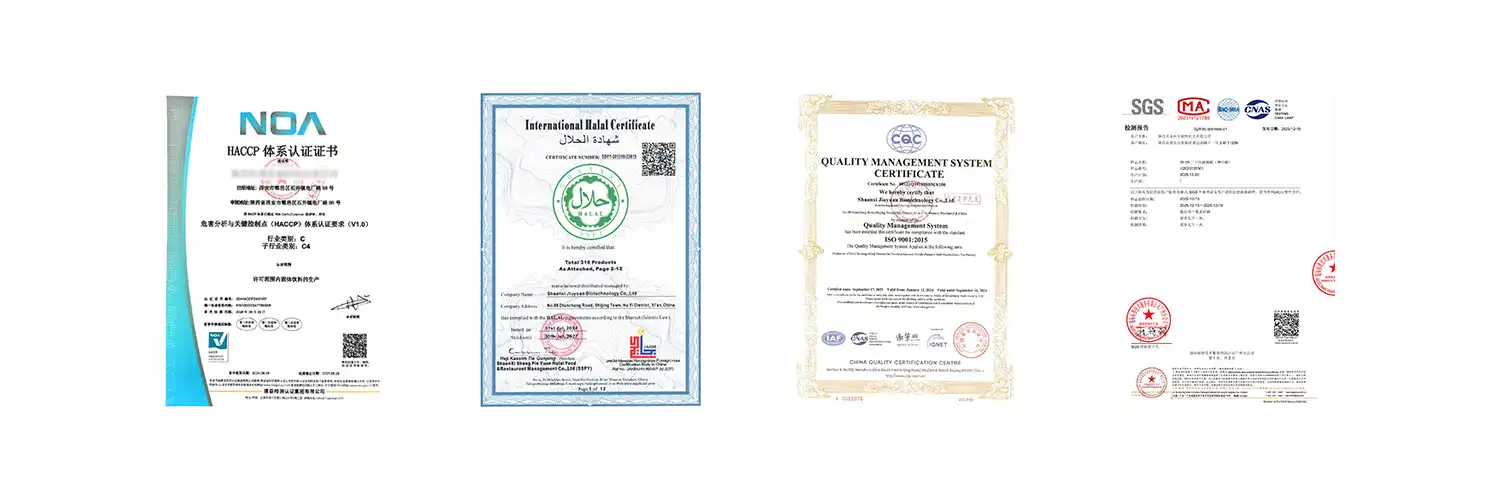
As important as choosing the proper colourant is finding a dependable provider. Key factors include certification coverage: seek ISO9001, GMP, FDA registration, and necessary organic or Halal certifications based on target markets. Ensure a Certificate of Analysis (COA) accompanies each batch confirming purity, microbiological limits, and heavy metals. MOQs are important, particularly for small to medium-sized firms experimenting with natural colourants – vendors with MOQs as low as 1kg allow flexibility for experiments. T/T payment and explicit trade terms like FOB or CIF help to keep pricing transparent and logistical planning. Assess warehouse capacity and delivery schedules – vendors with large quantities in stock may meet urgent requests within days, whereas bespoke formulas might take 15 working days or more. Lastly, consider technical assistance. Knowledgeable suppliers may help with formulation, stability testing and troubleshooting, saving you the expense of trial and error in product development.
Advantages of Choosing Phycocyanin E6 for Your Business
Phycocyanin E6 puts your brand at a strategic advantage in the clean-label revolution sweeping across the food and beverage industry. The demand for natural ingredients among consumers is still on the rise, with over 60% of buyers surveyed actively looking for items devoid of artificial colours. Rules throughout the world are more and more in favour of natural additives, and this reduces the risks linked to compliance in the most demanding markets. Phycocyanin’s antioxidant characteristics permit functional claims, providing your product with a competitive advantage in crowded stores. Natural spirulina extract in brands generally increases customer trust and willingness to pay premium pricing.
Real-world phycocyanin uses show its flexibility. Top smoothie powder manufacturers use Phycocyanin E6 with antioxidant claims and Instagrammable blue tones. Functional beverage entrepreneurs pair it with adaptogens, claiming holistic health benefits. Spirulina extract is winning over health-conscious parents by replacing synthetic blues and helping confectionery makers trim their ingredient lists. Pet food companies are incorporating natural phycocyanin into treats and supplements, catering to pet owners who value natural nutrition. The case studies shown here verify the economic potential of phycocyanin in several areas.
Long-term cost reductions come from the dependability of the supply chain and regulatory changes. Steady supply from trusted suppliers means you won’t have manufacturing delays due to colourant shortages. As regulators tighten the screws on synthetic additives, early adoption of natural alternatives future-proofs formulas against reformulation costs. Working with experienced natural colourant suppliers provides access to technological advances (e.g., stabilised formulations or microencapsulated versions) that may enhance shelf life and broaden application options. Invest in Phycocyanin E6 now, and your brand will be prepared for the market needs of the future.
How to Source High-Quality Phycocyanin E6: A Practical Guide
Defining Your Specifications
Clear procurement is the first step to effective procurement. Select your desired grade of purity: E6 for entry-level applications and budget projects or a higher grade for bright colour requirements. Select a form: regular powder, water-dispersible powder, or liquid concentration, each suitable for various industrial processes. Set stability criteria depending on the pH, processing temperature, and shelf-life expectations of your product. Set acceptable dose levels as greater application rates influence formulation costs. Packaging Information: 10-kilogram or 20-kg barrels are typical; however, bespoke packaging may be offered. Clear specifications make it easier to communicate with suppliers, minimise misunderstandings, and speed sample and procurement processes.
Evaluating Suppliers and Requesting Samples
Thoroughly examine prospective vendors. Check certifications. Are you selling in the US? Then you need to be FDA registered. Are you selling in Europe? Then you need to be EU organic certified. Are you selling to the Middle East? Then you need to be Halal certified. Ask for COAs and third-party testing for purity, microbiological safety, and pollutants such as heavy metals and pesticides. Check the supplier’s experience. If the manufacturer has 20+ years in producing phytochemicals like HERBCOSHER, they may provide process knowledge and quality consistency. Check warehouse capacity and stock levels to guarantee fulfilment happens on schedule. Request samples for pilot testing, colour performance, solubility, and stability in your real formulation matrix. Sampling is a direct comparison of providers, which exposes quality discrepancies that may not show up in specifications.
Placing Orders and Ensuring Quality Consistency
Confirm order terms when pleased with samples. Confirm MOQ. Small-scale trials may be done beginning from 1kg. Negotiate cost according to your estimated quantities. Payment arrangements to be agreed, often T/T on first orders, with possibility to adjust terms as relationship grows. Choose trade conditions according to your logistical facilities: EXW if you are arranging your own transport, FOB if you want to coordinate maritime freight yourself, or DDP if you want the convenience of delivery duty paid. Delivery timings: Set stocked goods ship within days, while bespoke formulas may take weeks. Request a COA for each batch with each shipment. This ensures traceability and quality assurance. Maintain open communication lines with your supplier’s technical staff to resolve any formulation or quality issues quickly. “Some of the benefits include priority allocation in times of supply crunches, bespoke solutions, and co-development of products.
Conclusion
Whether you use Phycocyanin E6 or synthetic blue dyes will depend on your brand positioning, target market preferences, and regulatory environment. Phycocyanin E6 also provides clean-label appeal, antioxidant functionality and sustainability benefits aligned with consumer trends and future-proofing formulations against stricter restrictions. Synthetic dyes are inexpensive and stable in manufacturing but are coming under increasing consumer scepticism and regulatory scrutiny. Understanding the subtleties of the specification, analysing the credentials of the suppliers, and doing rigorous pilot testing are key to successful procurement. If you are new to natural colourants or reformulating old goods, collaborating with experienced manufacturers can guarantee you have access to quality supplies, technical assistance, and dependable supply chains. The demand for natural ingredients is growing faster than ever. Moving ahead of this trend means better brand positioning and new routes to market expansion.
FAQ
1. What is the shelf life of Phycocyanin E6 compared to synthetic blue dyes?
Phycocyanin E6 typically maintains stability for 18 to 24 months when stored in cool, dry conditions away from light, though stability varies based on formulation environment and stabilization techniques used. Synthetic blue dyes generally offer longer shelf life, often exceeding three years due to their chemical stability. Proper storage and formulation adjustments, such as pH control and antioxidant addition, can extend phycocyanin's usable life.
2. Can Phycocyanin E6 replace synthetic dyes in all applications?
Phycocyanin E6 works excellently in water-based, neutral to slightly alkaline systems like beverages, dairy products, and confections processed at moderate temperatures. Applications involving high heat, extreme acidity, or prolonged UV exposure may challenge phycocyanin stability, potentially requiring reformulation or hybrid approaches. Synthetic dyes remain preferable for applications demanding extreme processing conditions, though ongoing research into stabilized phycocyanin forms expands its applicability.
3. How do I calculate the right dosage of Phycocyanin E6 for my product?
Dosage depends on desired color intensity, product matrix, and phycocyanin purity grade. E6 typically requires 0.05% to 0.2% by weight to achieve light to medium blue shades in beverages and similar applications. Conduct small-scale trials, adjusting concentrations incrementally until reaching target color. Supplier technical teams can provide dosage guidance based on specific applications, and many offer formulation support during product development phases.
Partner with a Trusted Phycocyanin E6 Supplier
HERBCOSHER, with over 20 years of expertise in natural plant extract production, stands ready to support your sourcing needs with high-quality Phycocyanin E6. Our water-extracted spirulina blue pigment meets international standards, certified by ISO9001, GMP, FDA, Kosher, and Halal, ensuring compliance across global markets. We maintain substantial warehouse inventory spanning 4,000–5,000 square meters, enabling rapid fulfillment of stock items within 3 to 5 business days and custom orders within 15 working days. Flexible MOQs starting at just 1 kg allow cost-effective trials, while diverse trade terms—EXW, FOB, CFR, CIF, DAP, and DDP—accommodate varied logistics preferences. Our technical team, backed by collaborations with Northwest A&F University and Northwest University, provides formulation support from concept through commercialization. Whether you're a food colorant distributor testing natural blue pigments or a small brand launching clean-label products, HERBCOSHER delivers reliable supply, competitive pricing, and comprehensive service. Reach out today at info@herbcosher.com to request samples, discuss specifications, and discover how our Phycocyanin E6 for sale can elevate your product line.
References
1. Rodríguez-García, I., & Guil-Guerrero, J. L. (2008). Evaluation of the antioxidant activity of three microalgal species for use as dietary supplements and in the preservation of foods. Food Chemistry, 108(3), 1023-1028.
2. Eriksen, N. T. (2008). Production of phycocyanin—a pigment with applications in biology, biotechnology, foods and medicine. Applied Microbiology and Biotechnology, 80(1), 1-14.
3. Batista, A. P., Gouveia, L., Bandarra, N. M., Franco, J. M., & Raymundo, A. (2013). Comparison of microalgal biomass profiles as novel functional ingredient for food products. Algal Research, 2(2), 164-173.
4. Sigurdson, G. T., Tang, P., & Giusti, M. M. (2017). Natural colorants: Food colorants from natural sources. Annual Review of Food Science and Technology, 8, 261-280.
5. Moreno, J., & Vargas, M. A. (2003). Microalgae for feed, food and pharmaceuticals: Constraints and opportunities. Bioresource Technology, 89(3), 215-232.
6. Carocho, M., Barreiro, M. F., Morales, P., & Ferreira, I. C. (2014). Adding molecules to food, pros and cons: A review on synthetic and natural food additives. Comprehensive Reviews in Food Science and Food Safety, 13(4), 377-399.