



Genipin Powder vs Synthetic Crosslinkers: Which Is Better?
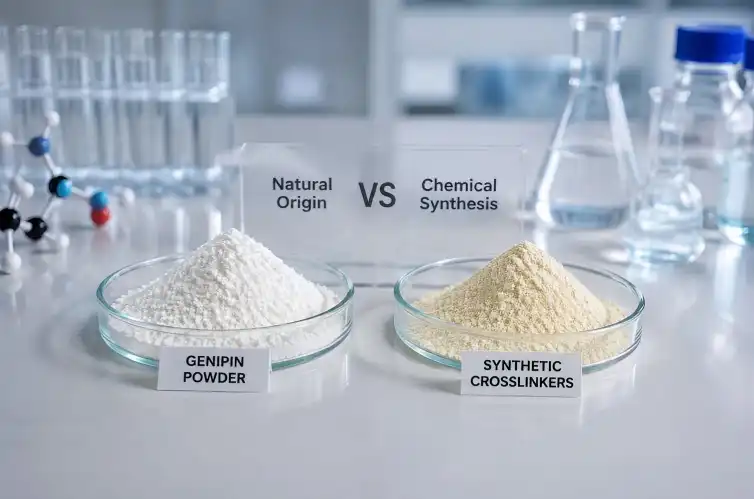
The greatest industrial bonding agent is biocompatible, doesn't hurt cells, and follows clean-label trends: Genipin Powder. Gardenia fruit extract renders this natural crosslinker 5,000 to 10,000 times safer than glutaraldehyde while maintaining steady, repeatable performance in biological, cosmetic, and pharmaceutical applications. Its 98% purity, certified by HPLC, makes it ideal for producers that value safety, legal compliance, and environmental friendliness without losing functionality.
Introduction
Medicines, cosmetics, tissue engineering, and nutrition formulations are affected by crosslinkers' chemical stability and mechanical strength. Choosing the correct bonding agent affects product safety, regulatory compliance, and market performance. As quality standards rise and customers want natural materials, B2B buyers must understand the performance differences between natural and synthetic materials.
Genipin Powder, a biocompatible crosslinker derived from Gardenia jasminoides fruit, is compared to glutaraldehyde, formaldehyde, and epoxy-based resins in scientific, safety, and financial terms. We examine molecular processes, their uses, regulatory challenges, and procurement methods to assist clients choose crosslinking solutions that fit current production and market needs.
Understanding Crosslinkers: Genipin Powder and Synthetic Alternatives
What Is Genipin Powder?
Pure natural binding agent Genipin Powder. Beta-glucosidase degrades geniposide to make it. HPLC tests reveal 98% active genipin in this white or off-white material. Dimethyl sulfoxide, methanol, and ethanol dissolve the chemical efficiently, while water does not. This makes it handy in many production applications.
Methyl (1R,2R,6S)-2-hydroxy-9-(hydroxymethyl)-3-oxabicyclo[4.3.0]nona-4,8-diene-5-carboxylate is its structure. It naturally interacts with major amino groups at pH 7.0–8.5. This method creates stable covalent connections that improve materials and cell health. Producers may address customer demand for plant-based ingredients with a clean-label product made from gardenia fruit.
Synthetic Crosslinkers: Chemical Profiles and Limitations
Synthetic crosslinkers include formaldehyde, glyoxal, glutaraldehyde, and epoxy. These folks respond quickly, are available, and charge reasonably. Glutaraldehyde readily crosslinks via aldehyde-amine reactions. Medical device sterilization and tissue repair are common uses. Formaldehyde creates methylene bridges between proteins, while epoxy-based crosslinkers with hydroxyl and amino groups build three-dimensional networks.
Despite their benefits, manufactured crosslinkers are problematic. Glutaraldehyde damages many cells and causes inflammation. Cancer-causing formaldehyde is regulated by the government. Unstable storage reduces shelf life, so watch your supplies. Companies' pledges to be more environmentally friendly and use less harmful chemicals in production influence buyers' purchase decisions.
Key Technical Differentiators
Biocompatibility scores matter. Genipin Powder, a natural crosslinker, protects cell function while stabilizing. Strong chemical reactions from synthetic chemicals damage tissues. Storage stability differs too. Genipin lasts a long period when properly maintained, although many synthetics degrade or polymerize unexpectedly. These issues affect formulation reliability and regulator approval processes.
Comparing Genipin Powder and Synthetic Crosslinkers: Performance and Safety
Crosslinking Efficiency and Mechanism
Blue crosslinks are formed by nucleophilically attacking Genipin Powder's olefinic carbon with primary amines. This technique works effectively without catalysts or severe conditions at normal pH. The networks exhibit mechanical strength and enzymatic resistance similar to commercial crosslinkers, but with superior safety ratings.
Synthetic compounds speed crosslinking with aldehyde-amine condensation or epoxide ring-opening processes. These techniques swiftly bind, but they leave hazardous chemicals and unreacted compounds that damage biocompatibility. Strong synthetic crosslinking can damage sensitive proteins and biological structures. This prevents its usage in pharmaceutical and cosmetic goods, where ingredient safety is crucial for market acceptance.
Cytotoxicity and Biocompatibility Assessment
Genipin Powder is 5,000 to 10,000 times less toxic to cells than glutaraldehyde, according to many cell type studies. In sensitive settings like medication delivery systems, tissue scaffolds, and skin formulations, it is safe. The natural crosslinker helps cells develop and bind together while maintaining structure. This makes it ideal for long-term biocompatible biomedical engineering tasks.
Glutaraldehyde and formaldehyde induce inflammation, cell death, and tissue pain at crosslinking levels. These man-made compounds leak residues from cross-linked materials, posing long-term safety risks to implantable devices and cosmetics. Regulatory agencies are scrutinizing manufactured crosslinkers, especially when individuals touch or ingest them. Traditional chemical makers find it tougher to comply.
Stability and Shelf Life Considerations
Manufacturers benefit from Genipin Powder's stability. The 98% pure and crosslinking crystalline substance will last longer if stored properly. This reliability helps trace items and assures batch-to-batch performance. The defined melting point of 120–124°C and established solubility behavior make it easier to maintain the recipe from production to production.
Synthetic crosslinkers usually need to be refrigerated and don't last long on the shelf. Glutaraldehyde solutions solidify with time, making them less effective and difficult to test for quality. Formaldehyde releases volatile compounds that can compromise workplace safety and environmental compliance. These constraints increase corporate expenses by requiring higher inventory turnover and garbage disposal planning. Technically and economically, natural choices are better.
Applications and Benefits in Industrial Use
Pharmaceutical and Nutraceutical Formulations
Genipin Powder links protein-based carriers with polysaccharide frameworks to produce improved drug transport systems. It is used by pharmaceutical firms to manufacture pH-sensitive hydrogel microspheres that protect bioactive molecules in the stomach and allow drug absorption in the intestines. It encapsulates delicate proteins, peptides, and enzymes without affecting their function since it is biocompatible.
Nutraceuticals employ natural crosslinkers in liposomes and sustained-release tablets. Clean-label certification supports plant-based vitamin claims. Crosslinking chitosan networks with genipin stabilizes probiotic formulations and increases functional ingredient release. These usage satisfy customers who prefer natural excipients while achieving product technical performance criteria.
Cosmetic and Personal Care Applications
Cosmetic formulators enhance collagen and gelatin-based skin care products with Genipin Powder. This strengthens structures, improving anti-aging benefits. The natural crosslinker strengthens hydrogel masks, serums, and face treatments without harming the skin. It interacts with amino acids to form gardenia blue pigment, a safe plant-based colorant for cosmetics that prefer natural hues.
Tissue Engineering and Biomedical Devices
Genipin's chromogenic properties are employed in jagua gel tattoos. The material interacts with stratum corneum keratin to create a natural blue-black hue that lasts 10–15 days without synthetic colors. This novel idea fills the market demand for safe, short-term body art. Personal care businesses emphasize plant-based products in their marketing. This suits the clean beauty trend and consumer health concerns.
Regenerative medicine professionals utilize Genipin Powder to enhance the mechanical properties of collagen scaffolds for vascular grafts, heart valves, and cartilage repair matrices. Crosslinkers help cells adhere together and proliferate while increasing tensile strength and enzyme resistance. Changeable crosslinking density allows three-dimensional bioprinting to precisely regulate scaffold breakdown and tissue integration.
Medical device manufacturers crosslink gelatin and chitosan for wound dressings and surgical implants. Long-term biocompatibility direct tissue contact usage are possible with the low cytotoxicity profile. New medicinal products reach the market faster with simpler regulatory approval than with synthetic crosslinkers. These characteristics make natural crosslinkers the greatest choice for future biological purposes.
Natural Colorant Production
Genipin Powder is used to create gardenia blue, a stable natural color used in "clean label" food and drink product instead of synthetic colors. Heat-resistant, pH-stable colorants from amino acids can be employed in beverages, desserts, and processed foods. This application satisfies synthetic colorant regulatory standards while maintaining product distinctiveness and visual attractiveness.
Practical Procurement Considerations for B2B Buyers
Quality Standards and Certifications
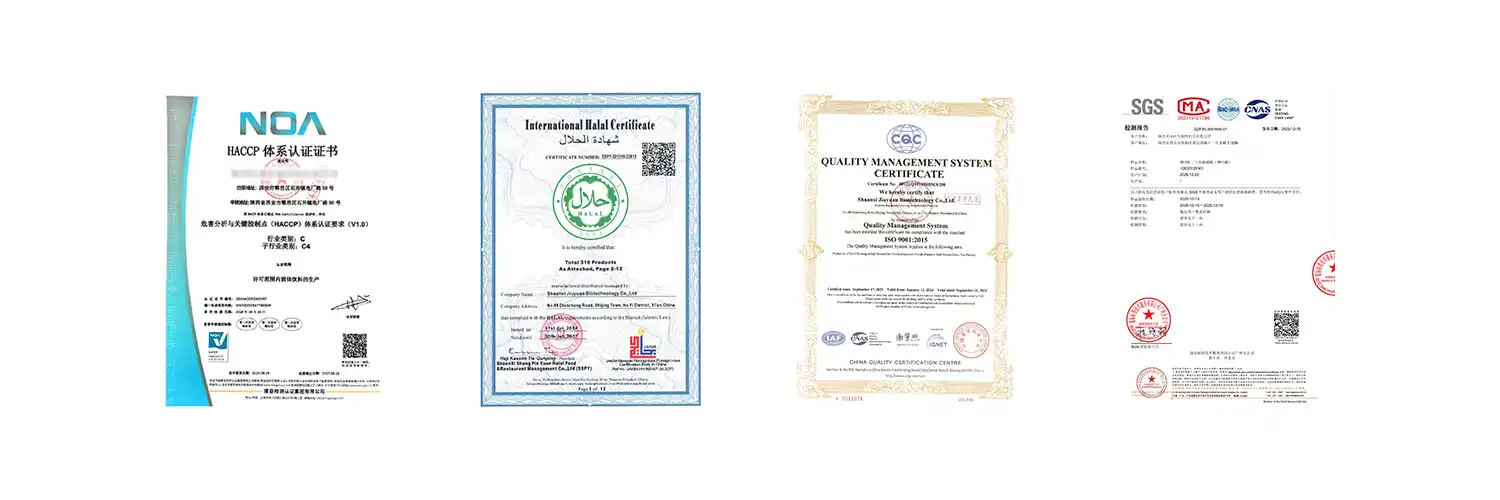
Source Genipin Powder after checking numerous quality aspects. Pharmaceutical-grade material should be at least 98% pure, have less than 1% moisture, and have strict geniposide limitations, according to HPLC testing. Business-to-business customers should prioritize ISO9001, GMP, FDA registration, Kosher, and Halal merchants to ensure they meet worldwide quality control systems and religious dietary restrictions.
Independent testing companies verify chemical standards, microbiological limits, and heavy metal levels. Trustworthy merchants issue COAs with every batch, allowing you to monitor the goods along the supply chain. These paperwork requirements aid regulatory filings and quality assurance. Buyers should create testing arrangements that involve checking new materials and maintaining samples to maintain product quality between procurement cycles.
Supplier Evaluation and Supply Chain Reliability
Genipin Powder providers should have manufacturing capacity, experienced assistance, and logistical infrastructure. Fully integrated supply chains from gardenia fruit to extraction and cleaning let manufacturers manage quality and pricing. Inventory-rich companies with 4,000 to 5,000 square meters of warehouse space can swiftly replenish and fill orders.
Making plant extracts requires production knowledge. Suppliers with over 20 years of plant extraction experience help enhance operations and solve issues. Working with research universities allows you to develop new technologies and extraction processes. These agreements provide ongoing production, purity, and cost improvements, which benefits long-term buying relationships.
Pricing Structures and Order Flexibility
Bulk Genipin Powder purchases generally save money. Prices reduce further for orders above 100 kg. Starter testing and formulation development can start with 1 kilogram orders. Containers like 10 kg and 20 kg make moving items easier and save space and money.
EXW, FOB, CFR, CIF, DAP, and DDP delivery terms make international purchasing flexible. Wire transfers (T/T) are still standard, but if you have a solid connection, you may negotiate other arrangements. Air freight for urgent orders, sea freight for large amounts, and rail freight for certain trade corridors allow procurement teams to balance costs and delivery times based on production plans and inventory management.
Customization and OEM/ODM Capabilities
Leading suppliers customize for specific formulas. Change purity levels, make sure the product matches your demands, and help you create new formulations. Genipin Powder can be OEM/ODM-made into private-label products. The average development procedure takes 15 days. These services assist businesses enter new markets faster when they wish to manufacture innovative products but lack R&D resources.
Application guidance from technical support teams helps consumers choose the optimal bonding techniques for their grids and performance goals. This collaborative strategy reduces recipe development time and errors. Suppliers can learn new use cases and cutting-edge applications from university research programs. This boosts creativity and competitiveness.
Making the Decision: Which Crosslinker is Right for Your Business?
Performance Requirements and Application Fit
Choosing between Genipin Powder and synthetic crosslinkers starts with performance requirements. Natural crosslinkers are biocompatible and fulfill regulatory criteria, so pharmaceuticals, cosmetics, and medical devices—uses that contact people—prefer them. Plant-based compounds in "clean label" products appeal to health-conscious clients and help justify higher prices.
Technical factors including bonding density, mechanical strength, and decay resistance determine material selection. Natural crosslinkers provide long-term remedial delivery in controlled-release conditions when the material breaks down slowly. Synthetic alternatives may work for industrial purposes that prioritize fast reaction and low cost over biological compatibility, but environmental rules are making them less suitable.
Regulatory Landscape and Compliance Strategy
Regulatory systems increasingly prioritize natural substances with proven safety. Safety (GRAS) and biocompatibility studies support regulatory applications for Genipin Powder. FDA, EMA, and other organizations allow natural crosslinkers in medication categories already developed. This streamlines approval and reduces rule violations.
Manufacturers must comply with local laws while selling their products abroad. Multi-market methods are easier with natural crosslinkers since they are approved in more marketplaces and have fewer constraints. Organic certifications, religious food permissions, and quality management system compliance prove that the supplier is committed to satisfying all requirements and make it easier for items to reach markets worldwide.
Cost-Benefit Analysis and Long-Term Value
Genipin Powder is more expensive than synthetic crosslinkers, but its total cost of ownership estimations are still reasonable. Lower regulatory expenses, safety paperwork, and liability concerns offset higher raw material prices. Marketing natural ingredients helps keep pricing high, increasing profitability and ROI.
Long-term supplier relationships bring technical partnership, formulation innovation, and speedier access to scarce materials. Manufacturers who employ natural crosslinkers are prepared for regulatory and customer changes. The strategic investment in biocompatible materials boosts the brand's image and market position over time.
Conclusion
Natural crosslinkers like Genipin Powder are safer, perform better, and comply with laws. This botanical-derived crosslinker has cytotoxicity thousands of times lower than glutaraldehyde, good biocompatibility, and several pharmaceutical and cosmetic applications, meeting current manufacturing demands. Its 98% purity, wide variety of certifications, and dependable supply chain make it a strong choice for B2B buying strategies. As clean-label formulas and regulatory compliance become more important to businesses, natural crosslinkers are not only other options, but the best choice for forward-thinking companies that want to gain a competitive edge through new ingredient and customer-focused product development.
FAQ
1. How safe is Genipin Powder compare to glutaraldehyde?
Genipin Powder harms cells 5,000 to 10,000 times less than glutaraldehyde in certain cell types. This enormous safety cushion allows manufactured crosslinkers to be employed in direct tissue contact, medication delivery systems, and cosmetic formulations, where they would ordinarily induce inflammation and cell damage.
2. What are typical usage concentrations for industrial formulations?
Crosslinking concentrations range from 0.1% to 2.0% weight/volume, depending on substrate and mechanical properties. Genipin should be 0.5–1.0% for collagen scaffolds and 1.0–2.0% for chitosan hydrogels. While mixing, adjust dosage to match processing time and mechanical strength.
3. Can Genipin Powder substitute synthetic crosslinkers across all applications?
Genipin Powder can replace crosslinkers in biocompatible biological, cosmetic, and pharmaceutical applications. Industrial environments that require high responsiveness or cheap cost still employ synthetic choices, while environmental rules are preferring natural ones. Talking to providers about technological concerns helps determine if specific use cases may change.
Partner with HERBCOSHER for Premium Genipin Powder Supply
Over 20 years of plant extraction experience and FDA registration, ISO9001, GMP, Kosher, and Halal certifications make HERBCOSHER a reliable Genipin Powder source. Our natural crosslinker is 98% pure, by HPLC. It delivers from our 4,000+ square meter warehouse, which has enough of stock to fulfill bulk orders in 15 days. Through our affiliations with Northwest A&F University and Northwest University, we provide flexible OEM/ODM services, innovative formulas for powders and liposomes, and comprehensive scientific support. International operations keep air, sea, and train freight to over 30 nations safe and on schedule. Contact our buyers at info@herbcosher.com to receive samples, discuss bulk Genipin Powder prices, or explore custom bonding solutions to help you create new products that satisfy high quality and compliance criteria.
References
1. Butler, M.F., Ng, Y.F., and Pudney, P.D. (2003). Mechanism and kinetics of the crosslinking reaction between biopolymers containing primary amine groups and genipin. Journal of Polymer Science Part A: Polymer Chemistry, 41(24), 3941-3953.
2. Sung, H.W., Huang, R.N., Huang, L.L., and Tsai, C.C. (1999). In vitro evaluation of cytotoxicity of a naturally occurring crosslinking reagent for biological tissue fixation. Journal of Biomaterials Science, Polymer Edition, 10(1), 63-78.
3. Mi, F.L., Tan, Y.C., Liang, H.F., and Sung, H.W. (2002). In vivo biocompatibility and degradability of a novel injectable-chitosan-based implant. Biomaterials, 23(1), 181-191.
4. Touyama, R., Takeda, Y., Inoue, K., Kawamura, I., Yatsuzuka, M., Ikumoto, T., Shingu, T., Yokoi, T., and Inouye, H. (1994). Studies on the blue pigments produced from genipin and methylamine. Chemical and Pharmaceutical Bulletin, 42(8), 1571-1578.
5. Muzzarelli, R.A. (2009). Genipin-crosslinked chitosan hydrogels as biomedical and pharmaceutical aids. Carbohydrate Polymers, 77(1), 1-9.
6. Nickerson, M.T., Patel, J., Heyd, D.V., Rousseau, D., and Paulson, A.T. (2006). Kinetic and mechanistic considerations in the gelation of genipin-crosslinked gelatin. International Journal of Biological Macromolecules, 39(4-5), 298-302.