



What Is Astragalus Extract Powder Good For?
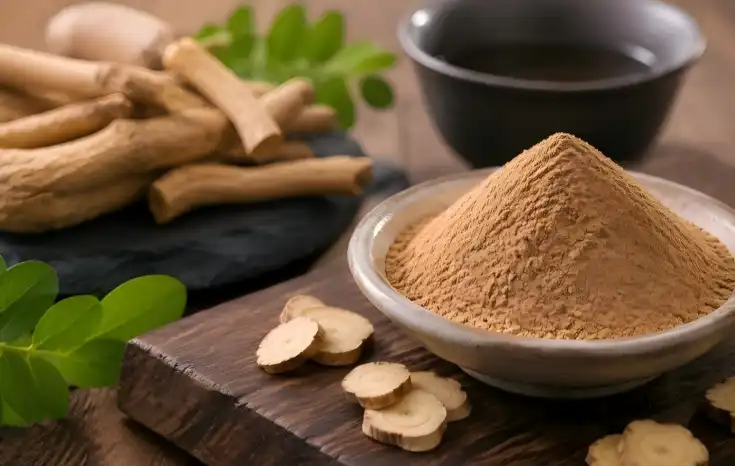
Astragalus Extract Powder can help your defense system, protect your cells from damage, and make antioxidants work better. This plant ingredient comes from the roots of the Astragalus membranaceus plant. It has a lot of beneficial chemicals, like astragaloside A, polysaccharides, and isoflavones, that are good for your health. This standardized extract is used by companies in the nutraceutical, pharmaceutical, and cosmetics industries to make goods that improve immune health, cardiovascular health, anti-aging, and lung health. Because it is so flexible, it can be used in food, vitamins, functional drinks, skin care products, and animal health goods.
Introduction
As more people look for plant-based health options, the global market for natural products keeps growing. Astragalus Extract Powder is a key ingredient for businesses making supplements to boost the immune system, cosmetics that fight aging, and useful foods. This guide is designed to help buying managers, product creators, and distributors make choices about business-to-business purchases. We will talk about the requirements for business use, quality, sourcing, and legal compliance that are most important to makers and dealers in the US market.
Knowing the chemical makeup and performance traits of Astragalus Extract Powder helps you choose a better provider and come up with new products. The extract has been shown to work in clinical studies and is generally safe. This makes it a desirable ingredient for businesses that want to make their products stand out while also meeting customers' growing demand for natural, science-based products.
Understanding Astragalus Extract Powder and Its Benefits
Dried roots of Astragalus mongholicus or Astragalus membranaceus are the first step in making quality Astragalus Extract Powder. Manufacturers separate active substances while keeping their biological activity by using controlled methods for extraction, concentration, and drying. High-performance liquid chromatography (HPLC) makes sure that the standards are met, and the amount of astragaloside in the sample can be anywhere from 1% to 30%, based on what it will be used for.
Core Bioactive Compounds and Their Functions
The extract's healing ability comes from three main types of compounds. Astragalosides, especially astragaloside IV, have telomerase-active qualities that are linked to longer cell life and lower oxidative stress. Polysaccharides help the immune system by turning on macrophages, T cells, and natural killer cells. This makes both innate and adaptive immune reactions stronger. Isoflavones provide additional antioxidants, which protect cells from damage caused by free radicals and help heart function.
This fine, brownish-yellow to light yellow powder dissolves easily in water, which makes the process of making drinks and liquid nutrients easier. Professionally extracted material is standardized, which ensures stability from batch to batch, which is very important for business manufacturing.
Documented Health Applications for Product Development
Astragalus Extract Powder is used by B2B clients in a number of different industries for different medical reasons. Products that boost the immune system are aimed at seasonal health. They help lower the number of lung infections and allergy reactions by making mucosal defense mechanisms stronger. Anti-aging ingredients use telomerase activation potential to deal with cellular senescence in both vitamins that you take and products that you put on your skin.
Cardiovascular support represents another significant application category. Because it can improve microcirculation and lower inflammatory signs, the ingredient is useful in supplements for heart health. Traditional uses of using kidney protection and metabolic support have been proven to work by modern study, which makes them appealing to companies that are making all-around health goods.
Commercial Advantages for Manufacturers
The fact that the ingredient is considered food-medicine homology makes the regulatory process easier in many countries. Its mildness and long history of safety back claims of long-term use without a lot of extra research. Compatibility with other plant extracts increases formulation freedom, which lets product makers make mixes that work together to target multiple health outcomes in a single product.
Astragalus Extract Powder Dosage, Usage, and Safety Considerations
To make a good product, you need to know the right Astragalus Extract Powder concentration amounts for different delivery forms. Supplements in capsules and tablets usually have 250 mg to 500 mg of standardized extract per serving. The daily suggested amount can be anywhere from 500 mg to 2,000 mg, based on the level of standardization and the health claims that are being made. For functional beverage uses, smaller concentrations are used, normally 100 to 300 mg per serving, while taking into account the taste profile.
Format-Specific Application Guidelines
Encapsulated product makers can benefit from the powder's great flowability and compressibility, which makes tableting easier and lowers the cost of production. The high bulk density makes dosing accurate without making the capsules too big. Water-soluble drink grades stay stable in pH ranges from 3.5 to 4.5. They don't settle in acidic energy drinks and health shots and can handle high temperatures for pasteurization without losing much of their power.
Quality Standards and Regulatory Compliance
When extracts are used as cosmetics on the skin, they need to be very pure, and the particles need to be the right size. High-purity types that are high in cycloastragenol mix easily into oil-in-water emulsions and add antioxidant benefits without changing the color or thickness of the product. Concentrations used in cosmetics are usually between 0.5% and 3% of the total weight of the finished product.
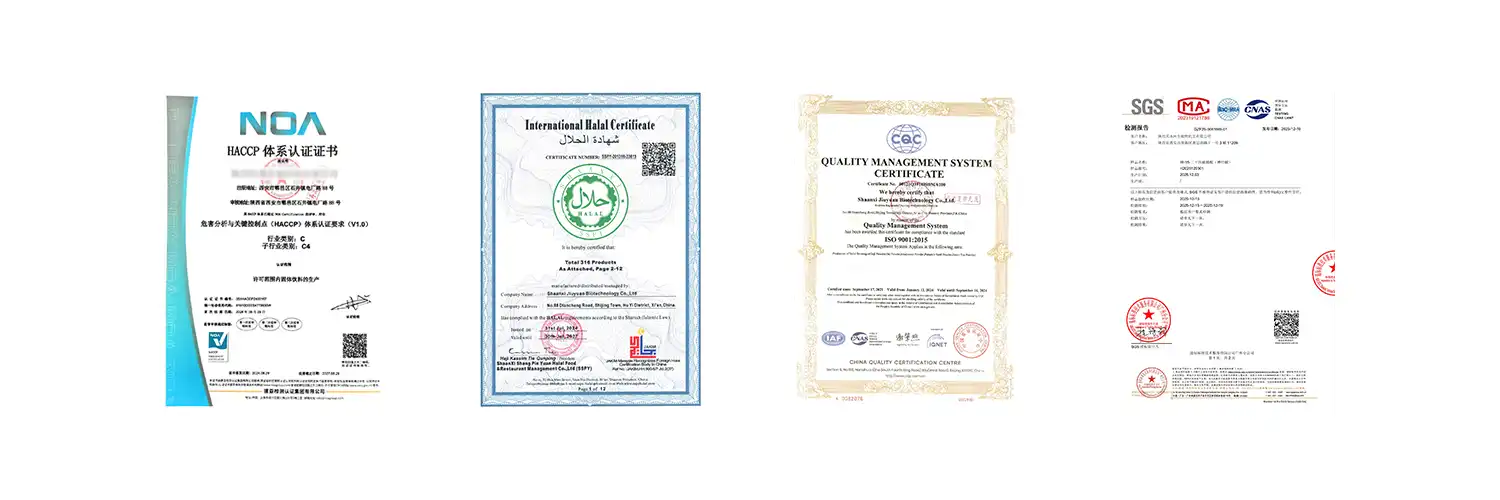
When making purchases, companies must give more weight to sellers that show they follow international quality standards. ISO9001 approval makes sure that manufacturing processes are uniform, and GMP compliance makes sure that production rules are up to pharmaceutical standards. FDA registration takes care of the needs for entering the US market, and organic standards (USDA, EU) help with the marketing of clean-label products.
Heavy metal testing should confirm lead levels less than 3.0 mg/kg, arsenic under 1.0 mg/kg, cadmium under 1.0 mg/kg, and mercury below 0.1 mg/kg. Screening for pesticide residues using GC-MS/LC-MS ensures compliance with USP standards and EU regulations. Microbiological standards must be very strict: the total plate count must be less than 1,000 CFU/g, yeast and mold must be less than 100 CFU/g, and there must be a complete absence of Salmonella, E. coli, and Staphylococcus pathogens.
Safety Profile and Contraindications
Clinical data backs up the safety profile of Astragalus Extract Powder when used according to the guidelines given. At high amounts, mild stomach problems can happen sometimes, but they usually go away on their own. B2B buyers should be aware of possible combinations with immunosuppressant drugs and let end users know about them. Pregnant and nursing women usually don't use it because there isn't enough safety data on these groups. This affects how finished goods are positioned in the market.
Comparing Astragalus Extract Powder with Other Forms and Products
Whole root powder, standardized extracts, pills, tinctures, and special forms like liposomes or microcapsules are all on the market. Understanding differences in performance helps buyers make choices about Astragalus Extract Powder that are in line with product goals and target groups.
Extract Powder Versus Whole Root Powder
Standardized extracts give concentrated active compounds that are always strong, so health claims can be made that are true across all production runs. Because whole root powder has smaller amounts of bioactives, you need to take more of it in order to reach therapeutic levels. Because the extraction process breaks down cellular structures that stop compounds from being absorbed, extract forms are more bioavailable.
Manufacturers targeting professional-grade supplements and medical uses prefer standardized extracts for their reliability and documentation. Whole root powder appeals to traditional wellness markets and cost-sensitive formulations where lower potency is acceptable.
Organic Versus Conventional Sourcing
Organic Astragalus Extract Powder products are more expensive, but they have clear benefits for brands that value purity and sustainability. Certified organic raw materials don't contain any pesticide waste, which makes following the rules easier and appeals to health-conscious customers. When strict residue testing proves safety, conventional extracts are cheaper for goods that need to be competitive on price.
Evaluating Supplier Credibility and Product Quality
High-quality sellers show they know what they're doing by giving thorough information about their products, such as plant identification through HPTLC fingerprinting, quantitative assay data from HPLC analysis, and full contaminant screening results. To meet the needs of different formulations, manufacturing should be able to offer custom standardization choices, different particle size distributions, and specialized processes like spray drying or micronization.
How to Choose and Source Astragalus Extract Powder for Your Business
Strategic buying begins with defining precise business requirements for Astragalus Extract Powder across multiple dimensions. Nutraceutical businesses need uniform high-potency grades to back up their health claims, while functional food companies focus on solubility and taste neutrality. Cosmetic brands require ultra-fine particle sizes and stability in emulsion systems.
Supplier Evaluation Criteria
Assess manufacturing infrastructure including extraction technology, quality control laboratories, and storage facilities. Controlled temperature and pressure are used in modern extraction methods to keep delicate bioactive chemicals safe while increasing yield efficiency. Modern HPLC and mass spectrometry equipment enables accurate standardization and contamination detection.
Certification portfolios should span quality management (ISO9001), food safety (HACCP), organic standards (USDA, EU), and religious compliance (Kosher, Halal) depending on target markets. FDA registration demonstrates commitment to United States regulatory requirements. Verify certifications through direct contact with certifying bodies rather than relying solely on supplier claims.
Flexible Service Capabilities
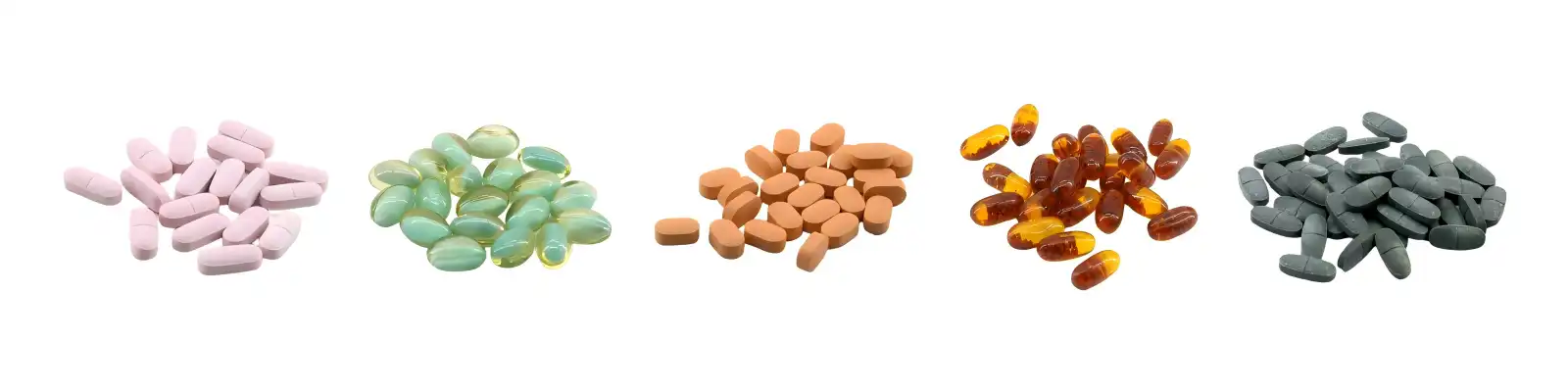
OEM and ODM relationships can help brands get into new markets or add more products to their lines more quickly. Capable providers offer help with formulating, custom standardization levels, a range of delivery forms (powders, granules, microcapsules, liposomes), and a range of packing options, from drums of bulk products to sachets that are ready for consumers.
Pricing and Logistics Optimization
Market rates for Astragalus Extract Powder vary considerably based on standardization levels, organic certification, and order volumes. Bulk purchasing reduces per-unit costs significantly, with price breaks typically occurring at 100 kg, 500 kg, and 1,000 kg order thresholds. Long-term supply agreements with volume commitments secure favorable pricing while ensuring consistent material availability.
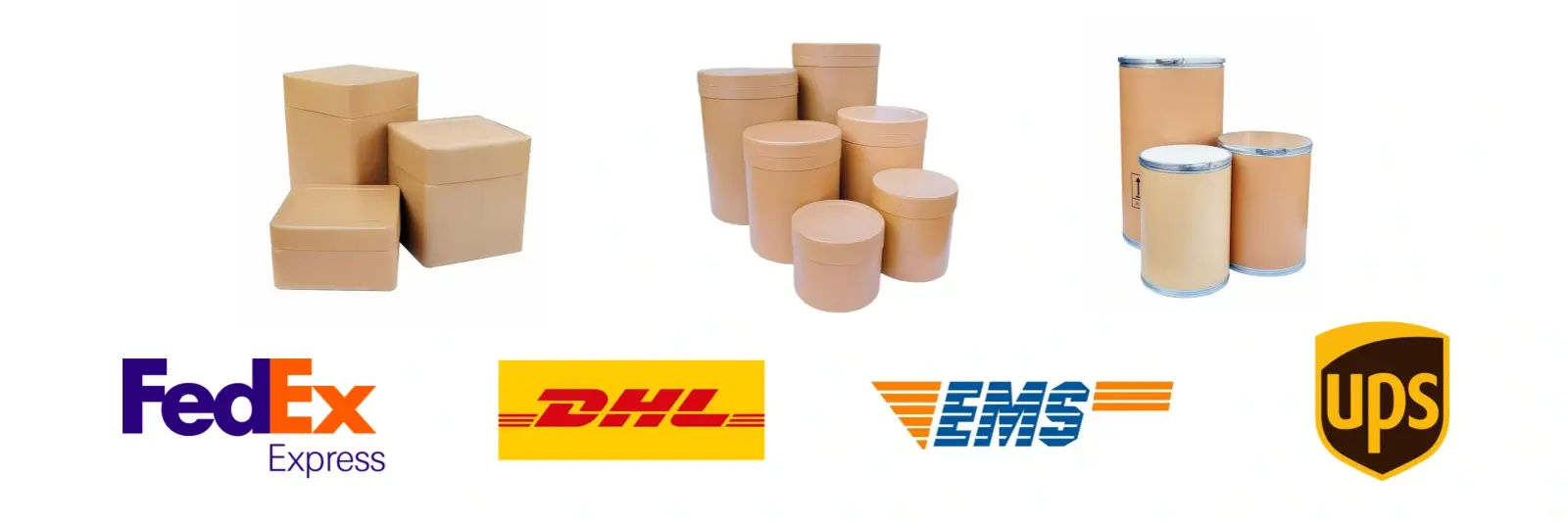
International shipping options include air freight for urgent small orders, sea freight for cost-effective bulk shipments, and rail freight for Asian-European corridors. Experienced suppliers navigate export documentation, customs clearance, and incoterm options (EXW, FOB, CFR, CIF, DAP, DDP) to optimize delivered costs and transit times. Minimum order quantities starting at 1 kg accommodate product development and testing phases before scaling to commercial production.
Maximizing the Benefits of Astragalus Extract Powder in Your Product Line
Successful manufacturers integrate botanical extracts strategically, aligning Astragalus Extract Powder selection with market trends and therapeutic positioning. During recent health crises, sales of immune-supporting goods with these extracts experienced significant growth, establishing sustained consumer awareness and repeat purchase patterns.
Strategic Formulation Approaches
Synergistic combinations amplify therapeutic effects while creating unique product identities. Pairing astragalus with echinacea and elderberry targets comprehensive immune defense. Combining with rhodiola and ginseng addresses stress resilience and energy metabolism. Anti-aging formulations blend astragalus with resveratrol and CoQ10 for multi-pathway cellular protection.
Delivery format innovation differentiates products in crowded markets. Liposomal encapsulation enhances bioavailability, supporting premium positioning. Water-soluble granules enable single-serve stick packs for convenience-focused consumers. Microencapsulation masks flavor in functional foods while protecting sensitive compounds from degradation.
Market Positioning and Consumer Communication
Science-backed marketing uses health outcomes research. Clinical trials demonstrating decreased cold frequency, workout recovery, or skin elasticity support the message. Standardisation and testing transparency improve customer confidence, especially among informed wellness purchasers.
Clean-label trends favour botanical substances with simple sources. Products with organic certification, sustainable harvesting, and third-party testing stand out from those with synthetic or poorly documented substances.
Emerging Opportunities and Industry Trends
Pharmaceutical-grade supplements targeting healthcare practitioners benefit from plant components' growing acknowledgement in traditional treatment. Veterinary apps are growing as pet owners seek natural health treatments like humans. Sports nutrition increasingly uses adaptogenic botanicals for recovery and performance.
Increasing standardisation and quality demands are changing regulatory environments. As global compliance requirements tighten, manufacturers working with suppliers with strong quality systems and technical competence benefit.
Conclusion
Understanding Astragalus Extract Powder's benefits helps producers and distributors make educated procurement selections for product development. The extract boosts immunity, antioxidant protection, cardiovascular support, and anti-aging in nutraceuticals, pharmaceuticals, cosmetics, and functional foods. Supplier quality, certification portfolios, customisation, and logistical efficiency are strategic sourcing priorities. Standardisation, distribution format optimisation, regulatory compliance, and market positioning linked with consumer wellness trends driving natural ingredient demand are needed for product line integration.
FAQ
1. What standardization level should I specify for immune support supplements?
Formulations that focus on the immune system usually use extracts that are standardized to 10–20% polysaccharides or 0.3–1% astragaloside IV, balancing efficacy with cost considerations. Higher potency grades support premium positioning and smaller serving sizes, while moderate standardization levels offer competitive pricing for mainstream products.
2. How do I verify supplier authenticity and product quality?
Request complete documentation including botanical identification reports using HPTLC fingerprinting, quantitative assay results from HPLC analysis, heavy metal testing via ICP-MS, pesticide residue screening, and microbiology reports. Verify certifications directly with issuing bodies and consider conducting independent third-party testing of samples before committing to bulk orders.
3. Can this ingredient interact with common medications?
The extract may enhance immune function in ways that affect immunosuppressive medications prescribed for autoimmune conditions or organ transplants. B2B buyers should ensure finished products include appropriate labeling advising consumers to consult healthcare providers before use, particularly when taking prescription medications.
Partner with HERBCOSHER for Premium Astragalus Extract Supply
HERBCOSHER delivers pharmaceutical-grade botanical ingredients backed by over 20 years of extraction expertise and comprehensive quality certifications including ISO9001, GMP, FDA registration, USDA Organic, Kosher, and Halal. Our Astragalus Extract Powder features standardized astragaloside A content from 1% to 30%, verified through HPLC analysis and supported by complete contaminant testing documentation. We maintain substantial inventory in our 4,000-5,000 square meter warehouse, enabling bulk order fulfillment within 15 working days. Flexible OEM/ODM services encompass custom formulations, multiple delivery formats including powders, liposomes, and microcapsules, and packaging solutions tailored to your market requirements. Our technical team, collaborating with leading universities including Northwest A&F University, provides comprehensive formulation support throughout product development. Contact our team at info@herbcosher.com to request samples, product specifications, and pricing for your next project. Whether you're seeking a reliable Astragalus Extract Powder supplier for ongoing production or developing innovative formulations requiring custom standardization, HERBCOSHER offers the quality, flexibility, and service excellence your business demands.
References
1. Fu J, Wang Z, Huang L, et al. Review of the botanical characteristics, phytochemistry, and pharmacology of Astragalus membranaceus. Journal of Ethnopharmacology, 2014.
2. Auyeung KK, Han QB, Ko JK. Astragalus membranaceus: A Review of its Protection Against Inflammation and Gastrointestinal Cancers. American Journal of Chinese Medicine, 2016.
3. Block KI, Mead MN. Immune system effects of echinacea, ginseng, and astragalus: a review. Integrative Cancer Therapies, 2003.
4. Cho WC, Leung KN. In vitro and in vivo immunomodulating and immunorestorative effects of Astragalus membranaceus. Journal of Ethnopharmacology, 2007.
5. Zhang WJ, Wojta J, Binder BR. Effect of notoginsenoside R1 on the synthesis of tissue-type plasminogen activator and plasminogen activator inhibitor-1 in cultured human umbilical vein endothelial cells. Arteriosclerosis, Thrombosis, and Vascular Biology, 1997.
6. Sinclair S. Chinese herbs: a clinical review of Astragalus, Ligusticum, and Schizandrae. Alternative Medicine Review, 1998.