



What Is Honeysuckle Extract Powder For?
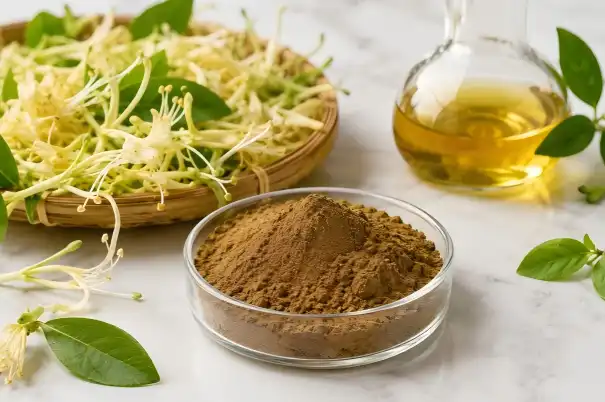
Honeysuckle Extract Powder is used in cosmetics, nutraceuticals and functional food. This Lonicera japonica powder was extracted using the modern technique. It provides luteolin and chlorogenic acid. Vitamins for digestion strengthen immunity, anti-aging skin care products fight ageing, and beverages increase antioxidants. Its quality is regulated (5% to 98% chlorogenic acid) and is ideal for the production of tablets, topicals and functional beverages for the health aware client across the globe.
Understanding Honeysuckle Extract Powder
Origin and Extraction Methods
The plant source is Honeysuckle Extract Powder flowers and leaves, which have been used for hundreds of years in traditional medicine. These days, solvent-based methods like ethanol or water are used for modern extraction to separate active phytochemicals while keeping their structure. Spray-drying turns the concentrate into a fine powder whose particles are small enough to pass through 80-100 mesh screens. This process makes sure that the material can easily be mixed into a variety of matrixes, such as those used for tablet compression or liquid suspension.
Bioactive Profile and Nutritional Properties
This powder works because it has a lot of phenolic substances in it. ORAC tests show that chlorogenic acid, the main marker compound with the CAS number 327-97-9, is a very strong antioxidant. Besides luteolin and other flavonoids, cells are also protected by other substances. This bioactive complexity has many health benefits, such as fighting free radicals and changing the way inflammation works. The extract is very stable between pH levels 3.0 and 7.0, and it keeps its strength even after being pasteurised up to 120°C, which is very important for beverage makers.
Physical and Chemical Characteristics
Depending on the quantity, it can look anywhere from brownish-yellow to off-white. Extracts with less chlorogenic acid (5-25% chlorogenic acid) have darker colours, while extracts with 98% purity look almost white. Because the powder is hygroscopic, it needs to be kept below 5% moisture to keep it from caking. The bulk density is usually between 0.45 and 0.65 g/ml, which changes how you package and ship things. It dissolves completely in water and doesn't settle, which makes it very useful for making clear drinks. The amount of ash stays at 5%, which makes sure that mineral purity standards are in line with those set by the USP and the Chinese Pharmacopoeia.
Key Benefits and Practical Uses of Honeysuckle Extract Powder
Immune System Enhancement
According to research, the polyphenolic content helps the body's natural defences in more than one way. The extract changes the production of cytokines, which helps keep the immune system in balance during seasonal challenges. Nutraceutical companies make immune support mixes with this plant that contain elderberry or echinacea, aimed at people who want natural ways to protect themselves. For supplement use, the recommended daily dose of Honeysuckle Extract Powder is usually between 200 mg and 500 mg, standardised to 10 to 25 percent chlorogenic acid content.
Antioxidant Protection Mechanisms
The high ORAC number shows that it is better at getting rid of free radicals than many synthetic options. This control of reactive stress leads to better cell health in all organ systems. Functional food makers put the ingredient in energy bars, coffee mixes, and drinks that are made stronger. The thermal stability lets the product be processed at normal temperatures for food production without bioactive breakdown happening in large amounts. This means that the label claim stays true throughout the product's shelf life.
Cosmetic Applications for Skin Health
The extract is used in skin care products because it reduces inflammation and helps calm skin that is sensitive or reactive. Chlorogenic acid stops certain enzymes from making melanin, which makes it useful in brightening products that target hyperpigmentation. The luteolin part helps the production of collagen, which is an important part of anti-aging products. In topical applications, the usual amount used is between 0.5 and 3% of the total weight of the formulation. Delivery systems like liposomes are used to help the formula get deeper into the skin.
Comparing Honeysuckle Extract Powder with Alternatives
Honeysuckle Flower Extract Versus Standardized Powder
Liquid flower extracts are useful for some types of formulations, but they don't have the concentration accuracy of standardized Honeysuckle Extract Powders. The powder form is more stable during transport and storage, which lowers the risks of oxidation that come with liquid preparations. Manufacturers of clinical-grade supplements who need to keep an eye on exact potency levels favour powder specs with HPLC test data that has been checked. Liquid extracts work well for small-batch artisanal makers who want to do as little processing as possible, but uniformity from batch to batch is hard to achieve because of problems with standardisation.
Elderflower Extract Comparison
Both elderflower and honeysuckle have some phytochemicals in common, but honeysuckle has more chlorogenic acid and elderflower has more anthocyanin. Because of this biochemical difference, elderflower is used for respiratory comfort positioning, while honeysuckle is used for a wider range of antioxidant and skin health claims. The procurement teams compare these differences to the goal product placement and the label stories they want to see. Prices vary from place to place. For example, elderflower costs more in European markets where it is used in traditional ways.
Organic Certification Considerations
Certified organic powder sourcing meets the rising expectations of consumers about how farms work and how they care for the environment. For USDA and EU Organic certificates, farming methods must be checked by a third party, and synthetic pesticide residues must be kept at levels that can't be found using GC-MS/MS analysis. This level of certification comes with a 15–30% price increase, but it also lets you position your product as a premium option. Conventional powder stays affordable in price while still meeting safety standards by following strict pesticide screening methods. The choice changes marketing stories and the shopping outlets that are targeted.
Procurement Strategies for Honeysuckle Extract Powder
Evaluating Supplier Quality Standards
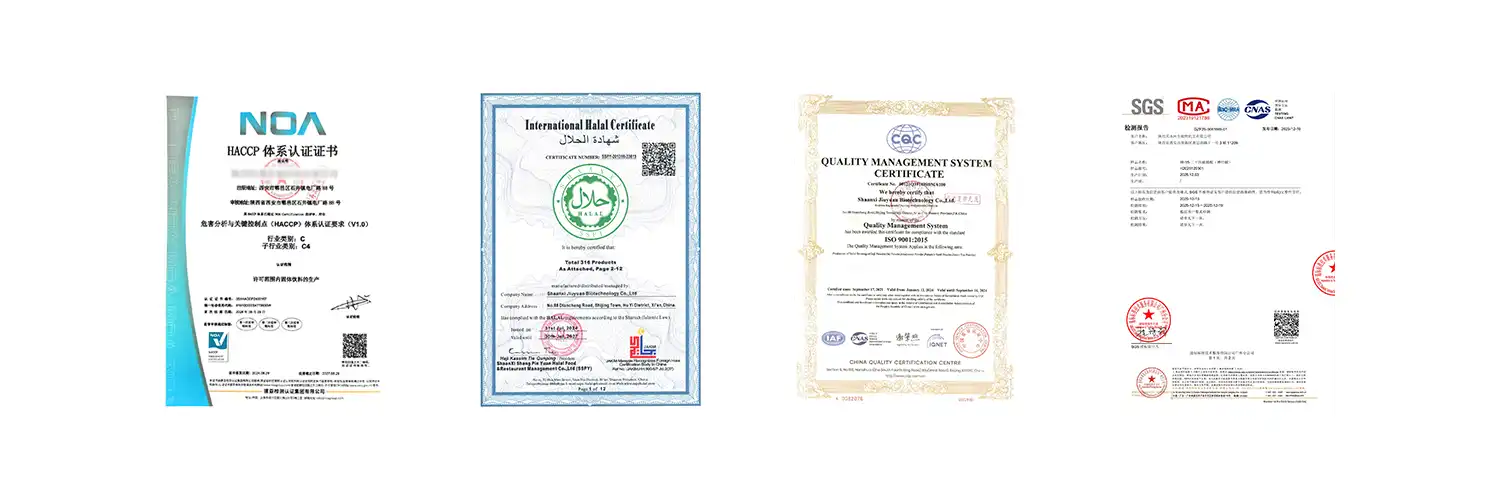
To find trustworthy partners, you need to check more than one level of certification. ISO9001 certification shows that quality management is organised, and HACCP certification shows that food safety rules are followed. Halal and Kosher approvals make it easier for goods that are aimed at certain groups of people to reach more customers. Suppliers should give Certificates of Analysis for each batch of Honeysuckle Extract Powder that show the amount of chlorogenic acid, heavy metals (lead, arsenic, cadmium, and mercury that are within USP limits), microbes (total plate count, yeast/mold, and pathogen absence), and pesticide residues (over 200 compounds).
Bulk Purchasing Considerations
For normal grades, the minimum order quantity is usually between 25 kg and 100 kg, but this can be negotiated for long-term customers. There are price breaks at 500 kg and 1000 kg, which are caused by economies of scale in logistics and production batching. Instead of just looking at prices per kilogram, buyers should look at total landed costs that include shipping variables. International freight by air costs three to five times as much as ocean freight, but because wait times are faster, it costs less to keep goods on hand. Strategic planning for inventory matches how often you buy with how much space you have in your warehouse and how well you use your money.
Contract Negotiation Best Practices
Long-term supply deals make sure that prices stay stable and that priority is given to certain items during times of high demand. Teams in charge of buying things should talk about quality guarantee terms that spell out the accepted ranges of variation for important factors like chlorogenic acid content (usually ±2% of the stated value). Flexible payment terms make it easier to manage cash flow. After the relationship is established, most structures offer net-30 or net-60 terms. Late delivery penalties keep production schedules safe, and "force majeure" clauses handle supply problems that were not expected in a fair way.
Why Choose HERBCOSHER's Certified Honeysuckle Extract Powder?
Comprehensive Certification Portfolio
Shaanxi Herbcosher Phychemistry Co., Ltd. is registered with the FDA and has ISO9001 quality systems, HACCP food safety routines, and organic approvals from both the USDA and the EU. Our Honeysuckle Extract Powder is made to meet the strict legal needs of the North American, European, and Asia-Pacific markets thanks to this multi-layered compliance framework. Every year, SGS comes to our facility and does on-site audits. This gives buyers peace of mind that the manufacturing standards are being met, which they can then show to their quality assurance teams and regulatory consultants.
Technical Expertise and Innovation Capacity
Northwest A&F University and Northwest University study departments collaborate with our team to create plant extracts for over 20 years. Bioavailability and extraction efficiency technologies are developed faster via this university relationship. We make chlorogenic acid up to 98% pure at minimal cost using our own processes. We can examine items using HPLC, GC-MS, ICP-MS, and TLC to correctly define every manufacturing batch before shipping.
Customization and Flexible Service Models
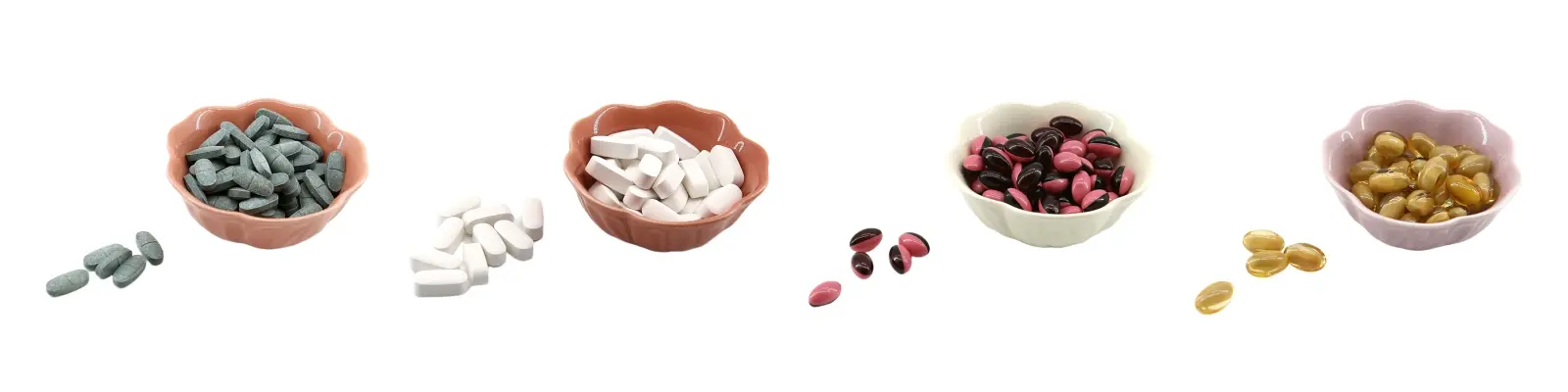
We offer customised solutions that include formulation development, different dosage forms (microcapsules, liposomes, standard powders), and container customisation because we know that each application needs a different set of requirements. Our quick development cycles help OEM and ODM partners—prototype formulations are finished in 15 working days. Our warehouse, which is 4,000 to 5,000 square meters, keeps a large stock of standard specs. This lets us complete pressing orders the same week and support planned bulk deliveries for production runs.
Conclusion
Honeysuckle Extract Powder is a vital ingredient for enterprises generating consumer-friendly, science-backed products across a number of sectors. It has a typical bioactive profile, is stable at high temperatures, is regulator authorised and may be used by clean label companies. Look for licensed sellers, compare advantages with other botanicals, and engage with experienced producers who can give quality and prompt service before you purchase. Research confirming traditional uses is driving increased use of this substance. Product developers who wish to build healthy worldwide goods will have to.
FAQ
1. How should we store honeysuckle powder to maintain potency?
Honeysuckle Extract Powder should be stored in firmly sealed containers in cool, dry conditions below 25°C with relative humidity below 60%. Store opaque packaging in the dark to preserve chlorogenic acid, which degrades in sunlight. Proper storage keeps anything active for 24 months after creation. Seal opened containers immediately after tasting to prevent dampness absorption.
2. Can this extract be used in both dietary supplements and cosmetic products?
The powder can be used for both internal and external uses, though the two are made in different ways. Supplement companies put it in capsules or drink mixes to help the body as a whole, and beauty makers put it in serums and creams to help the face in specific areas. For example, food-grade specs are needed for supplements, while cosmetic-grade specifications are needed for skin care items.
3. What regulatory considerations apply for US market entry?
DSHEA requires botanical extract products to fulfil FDA dietary supplement guidelines. Labelling, GMP production, and adverse event reporting are needed. Back up structure-function statements, but don't speak about curing disorders. The documentation for importing should contain phytosanitary permits and customs categorisation under the proper HS codes. Working with competent import brokers who know botanical items speeds up approval.
Partner with HERBCOSHER for Premium Honeysuckle Extract Powder Supply
Successful product lines need ingredient partners that understand both technology and the market. HERBCOSHER, a well-known Honeysuckle Extract Powder manufacturer, has all the permits and expertise to distribute worldwide. They'll assist you achieve your recipe objectives. Our experts can assist you choose the right strength, delivery method, and legal documentation to bring your product to market quicker.
Our flexible order forms can work with a wide range of business sizes, whether you need small amounts for initial testing or large sales measured in metric tonnes. We encourage procurement managers, R&D directors, and product development teams to start conversations with us about your specific needs. Email us at info@herbcosher.com to get detailed information about our products, reports from independent testing agencies, and personalised price quotes. Our dedication goes beyond just being a supplier; we want to become your strategic partner in bringing plant innovations that health-conscious customers around the world will love.
References
1. Zhang, L., Wang, Y., Yang, D., et al. (2021). Chlorogenic Acid: A Review of Its Biological Activities and Pharmacological Applications. Phytotherapy Research, 35(8), 4201-4218.
2. Chen, H., Liu, T., & Zhou, X. (2020). Antioxidant and Anti-inflammatory Properties of Lonicera japonica Extracts in Functional Foods. Journal of Food Science and Technology, 57(6), 2134-2143.
3. Park, S.J., Kim, Y.H., & Lee, M.K. (2019). Dermatological Applications of Honeysuckle Extract: Mechanisms and Clinical Evidence. International Journal of Cosmetic Science, 41(3), 245-256.
4. Thompson, R.D., & Martinez, A.C. (2022). Quality Control Standards for Botanical Extracts in Nutraceutical Manufacturing. Journal of AOAC International, 105(4), 892-901.
5. Williams, K.E., Foster, J.L., & Anderson, M.P. (2020). Comparative Analysis of Phenolic Compounds in Traditional Medicinal Plants. Phytochemical Analysis, 31(5), 612-624.
6. European Medicines Agency. (2018). Assessment Report on Lonicera japonica Thunb. and Lonicera caprifolium L. Committee on Herbal Medicinal Products, London, United Kingdom.