



Senna Leaf Extract Powder – A Trusted Natural Laxative for Modern Herbal Solutions
Senna Leaf Extract Powder is a reliable plant ingredient that is used by pharmaceutical companies, nutraceutical brands, and wellness stores all over the world to treat gut health problems naturally. This standardized extract comes from the leaves of Cassia angustifolia and Cassia acutifolia. It is high in sennosides, which are the bioactive chemicals that give it its laxative effects. Unlike raw herbal preparations, powdered herbs can be precisely controlled in terms of their strength, have fewer resinous impurities, and be more stable. This makes them an ideal ingredient for modern herbal recipes that aim to relieve constipation and improve digestive health.
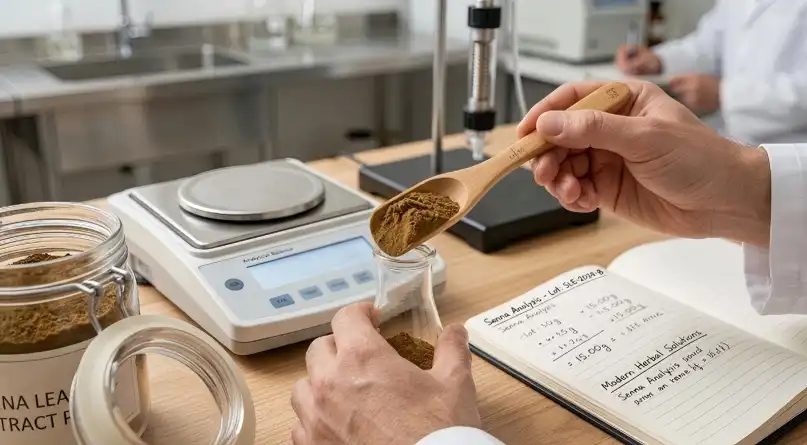
Understanding Senna Leaf Extract Powder: Nature's Trusted Laxative
Botanical Origin and Extraction Excellence
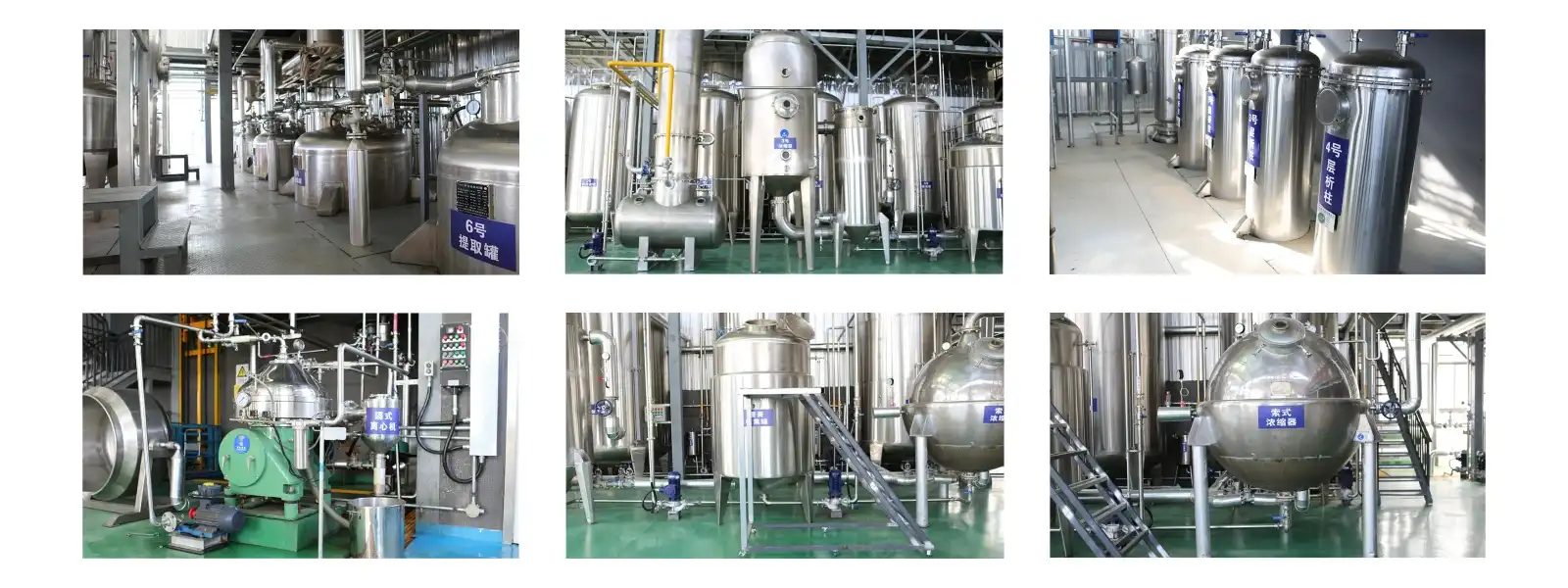
There are two main types of senna plants: Indian Senna (Cassia angustifolia) and Alexandrian Senna (Cassia acutifolia). Both kinds have been used in traditional medicine for hundreds of years because they are very good for digestion. Controlled extraction, concentration, and spray drying are used in the extraction process to turn raw plant material into a concentrated powder. The active sennosides A and B are kept while useless plant fibres and acids are removed.
Our production process employs High Performance Liquid Chromatography (HPLC) to check the exact amount of sennoside, which is usually set at 20% purity. This level of scientific thoroughness makes sure that each batch is the same, which is very important for pharmaceutical-grade uses. The fine powder that is made is brownish-yellow to light yellow and has a unique slightly bitter taste. It dissolves best when mixed with sodium bicarbonate solutions, which means it can be used in a wide range of formulations.
Mechanism of Action: How Sennosides Work
The healing power of senna extract comes from the prodrug nature of sennosides. These glycosides stay fixed in the stomach and small intestine after being eaten. When sennosides get to the gut, bacteria there break them down into active rhein anthrone molecules. These molecules drive the colonic mucosa, which leads to more peristaltic movements. At the same time, they stop the gut lumen from absorbing water. This dual action makes stools softer and speeds up the bowel movement process. Effects usually show up 8 to 12 hours after intake.
This expected start window is very helpful for formulation scientists who are making over-the-counter laxatives. Standardized Senna Leaf Extract Powder is more reliable than unrefined plant powders when it comes to dosing. Its exact dosage suggestions balance safety with effectiveness, lowering the risk of too much purging or electrolyte imbalances.
Comparative Advantages Over Other Senna Formats
A lot of the time, buyers look at senna-based products and compare extract powder to senna teas, whole leaf powder, and senna pods. There are many ways that extract powder is better than other options. Resinous compounds that cause serious abdominal cramps are taken out during the concentration process. This is a regular problem with whole leaf products. Unlike liquid extracts, which can go bad over time due to oxidation and microbe contamination, powders stay stable for a longer time on the shelf.
While sennoside content can vary a lot depending on boiling time, water temperature, and leaf quality, senna teas are easy for consumers to use. However, they are hard to standardize. Because extract powder takes away these factors, formulators can make pills, tablets, and functional drinks with sure amounts of active ingredients. Particles with a size of 80 mesh are guaranteed to have good flow properties during encapsulation and even spread in powder mixes.
Practical Uses and Benefits for Health and Wellness
Primary Application: Constipation Relief and Digestive Support
The main use is to relieve constipation and support digestion. The main medical use of Senna Leaf Extract Powder is to help people who have occasional diarrhea. There is clinical proof that it works for short-term use, and the suggested daily dose is usually between 15 and 30 mg of sennosides. Pharmaceutical companies use the substance to make tablets and capsules, and functional beverage companies mix it with plants that work well together, like ginger and fennel, to make drinks that are good for your digestion.
The antibacterial qualities of the product are useful in addition to its laxative effects. According to research, sennosides stop some harmful bacteria from growing. These bacteria include Staphylococcus aureus and Corynebacterium diphtheriae. This antibiotic action might help improve the balance of microbes in the gut, but this use needs more clinical research. Since senna extract quickly eases acute digestive discomfort symptoms like bloating and stomach distension after big meals, it is a useful ingredient in digestive enzyme recipes and products for after a meal.
Secondary Benefits: Weight Management and Detoxification
Extra benefits include weight loss and detoxing the body. The extract is being used more in weight loss products because it can speed up intestinal transit and lower calorie intake of calories. It takes less time for calories and fats to be absorbed when food residue goes through the stomach faster. Responsible makers, on the other hand, say that senna shouldn't be sold as the main ingredient in weight loss products. Instead, they say that it should be sold as an extra ingredient in health plans that include exercise and changes to your diet.
Senna powder is sometimes used in detoxification plans to help the body get rid of biological waste. Senna extract has anti-inflammatory qualities that have been studied by the cosmetics industry for use on the skin, especially in formulas for skin diseases that are linked to inflammatory processes. Even though these uses are still secondary to gut health uses, they do open up new ways to make products more useful.
Safety Profile and Responsible Usage Guidelines
B2B procurement professionals need to know about the safety factors of senna extract to make sure their finished goods meet legal standards. When used for a short time (usually less than two weeks) at the suggested doses, it is very safe for healthy people. Mild stomach cramps, diarrhea, and chemical problems from taking too much are all possible side effects.
Some things that shouldn't be done are intestine blockage, inflammatory bowel disease, appendicitis, and being very thirsty. The extract shouldn't be taken by women who are pregnant or who are nursing without medical care. Senna items should only be used by kids younger than 12 years old with the help of a healthcare provider. Long-term or heavy use can cause dependence on laxatives and melanosis coli, a harmless but unsightly darkening of the walls of the colon. These safety concerns show how important it is for finished products to have clear labels and teach customers how to use them.
Senna Leaf Extract Powder Vs. Alternative Remedies: Informed B2B Procurement Decisions
Botanical Alternatives: Cascara Sagrada and Psyllium Husk
When purchasing teams look at plant laxatives, they often compare senna to psyllium husk and cascara sagrada. Cascara sagrada, which comes from the bark of Rhamnus purshiana, has the same anthraquinone glycosides and works in the same way. But cascara is limited in some areas because of worries about genotoxicity, which makes it harder to sell around the world. When properly regulated and used according to standards, Senna Leaf Extract Powder is still accepted by most regulatory bodies.
In terms of how it works, psyllium husk is different because it acts as a bulk-forming cleanser instead of a stimulant. Psyllium soaks up water to make stools bulkier and strengthens natural peristalsis by stimulating it mechanically. While psyllium is softer and can be used for a long time, it usually takes 12 to 72 hours to start working, which is a lot longer than senna's 8 to 12 hour window. Because of this, senna is better for short-term diarrhea relief, while psyllium is better for long-term use.
Natural Extract Versus Synthetic Laxatives
Synthetic stimulant laxatives, such as bisacodyl and sodium picosulfate, have more stable metabolism and lower dose costs. But people are choosing natural plant ingredients more and more because they think they are safer and more in line with holistic health ideas. Market studies show that products with the words "natural" or "plant-based" on them are more expensive, and people are more likely to believe them, especially health-conscious people aged 25 to 55.
Senna extract comes from plants, which is in line with the clean-label trends that are popular in the functional food and nutritional industries. Brands can use the realism of botanicals in their marketing stories while still providing clinically proven benefits similar to synthetic substitutes. This location benefit makes up for the small price increase that comes with high-quality botanical extracts.
Organic Certification and Product Differentiation
Choosing between organic and conventional senna extract is a smart buying choice that has big effects on the market. Organic approval (USDA Organic, EU Organic) is appealing to high-end shoppers and stores that have strict rules about where their products come from. Our plant has several organic certifications, so clients can get both conventional and organic grades, based on the needs of their target markets.
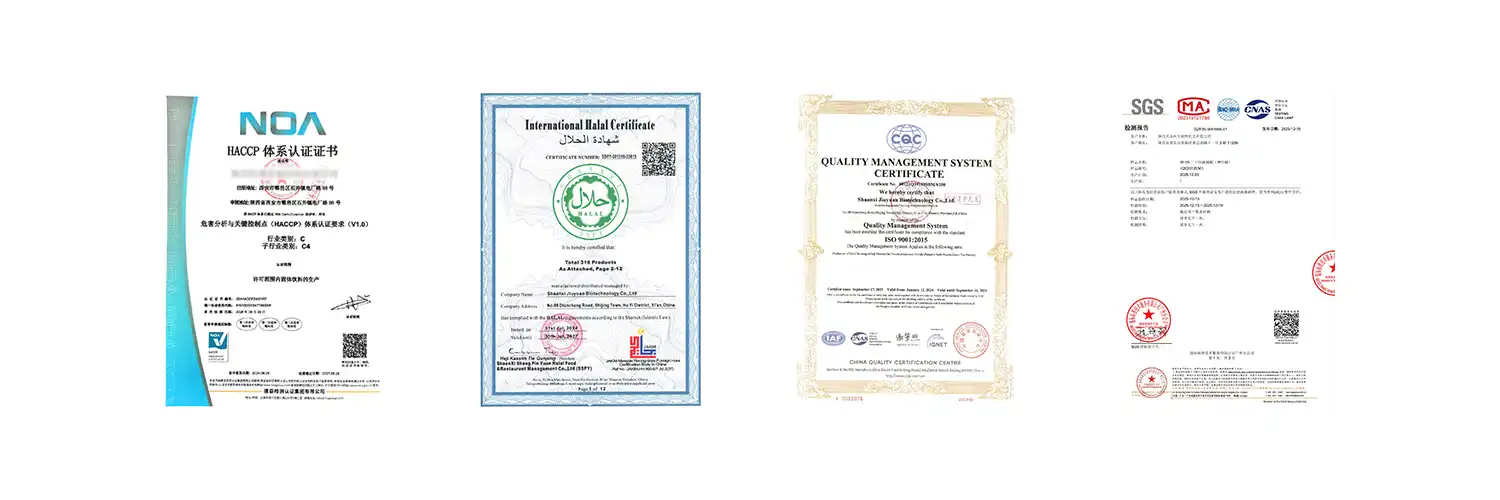
Certifications like ISO9001, GMP, Kosher, and Halal from a third party give products the authority they need to be sold around the world. These certificates show that the company follows standards for quality management, religious dietary rules, and pharmaceutical production. Professionals in charge of buying things should give preference to sellers who offer complete paperwork packages that include Certificates of Analysis (CoA), allergen statements, and heavy metal testing results.
Strategic Sourcing and Procurement of Senna Leaf Extract Powder
Supplier Selection Criteria and Quality Assurance
When choosing a dependable service, consider more than pricing per unit. The most crucial skill is analysis. Suppliers must demonstrate HPLC sennoside measurement skills and follow authorized microbiological limits, heavy metals, pesticide residues, and aflatoxins testing methodologies. We work with independent third-party testing locations to update our laboratories with the newest equipment for quality inspections.
Traceability procedures provide accurate raw materials from seed cultivation to extract production. Full batch records contain harvest dates, extraction settings, and quality inspections. All supply chain members have complete visibility. This paperwork aids regulatory inspections and speedy quality concerns resolution. Non-GMO and organic status verification requires additional documents, which trustworthy producers are delighted to offer.
Production capacity and inventory management affect procurement dependability. Our 4,000–5,000-square-meter warehouse stocks several typical standards, reducing wait times for regular orders. Bulk purchasing offers ensure priority during strong demand and save money on big purchases. Flexibility choices including EXW, FOB, CFR, CIF, DAP, and DDP may meet shipping demands and preferences.
Pricing Dynamics and Bulk Purchase Advantages
The price of Senna Leaf Extract Powder depends on a number of things, such as the amount of sennoside present, its approval status, the number of orders, and the state of the market supply. Standardized 20% sennoside extracts are usually the most cost-effective choice for industrial formulations because they are both useful and cheap. Prices are higher for grades with higher concentrations (40–60% sennosides), but they allow for smaller dose forms and fewer fillers in pill formulations.
Volume pricing begins with orders of 100 kilograms or more, with major price reductions at 500 kg and 1,000 kg. Long-term supply contracts with three-month or yearly commitments assure the greatest rates and materials availability. Our 1 kilogram minimum order is ideal for product development teams doing pilot testing before buying full-scale.
International plant trading often uses T/T payment arrangements. They safeguard both parties and reduce transaction costs. Established customers may negotiate extended payment periods or lines of credit for large transactions. Clear price structures with detailed quotations that include product information, packing choices, and shipping conditions simplify the purchase process.
OEM/ODM Capabilities and Custom Formulation Support
Value-added services distinguish luxury suppliers from commodities. Customers may blend senna extract with other botanicals, prebiotics, or stomach enzymes that function well together using our OEM/ODM services. The skilled team collaborates on product development from concept to stability testing and regulatory documentation.
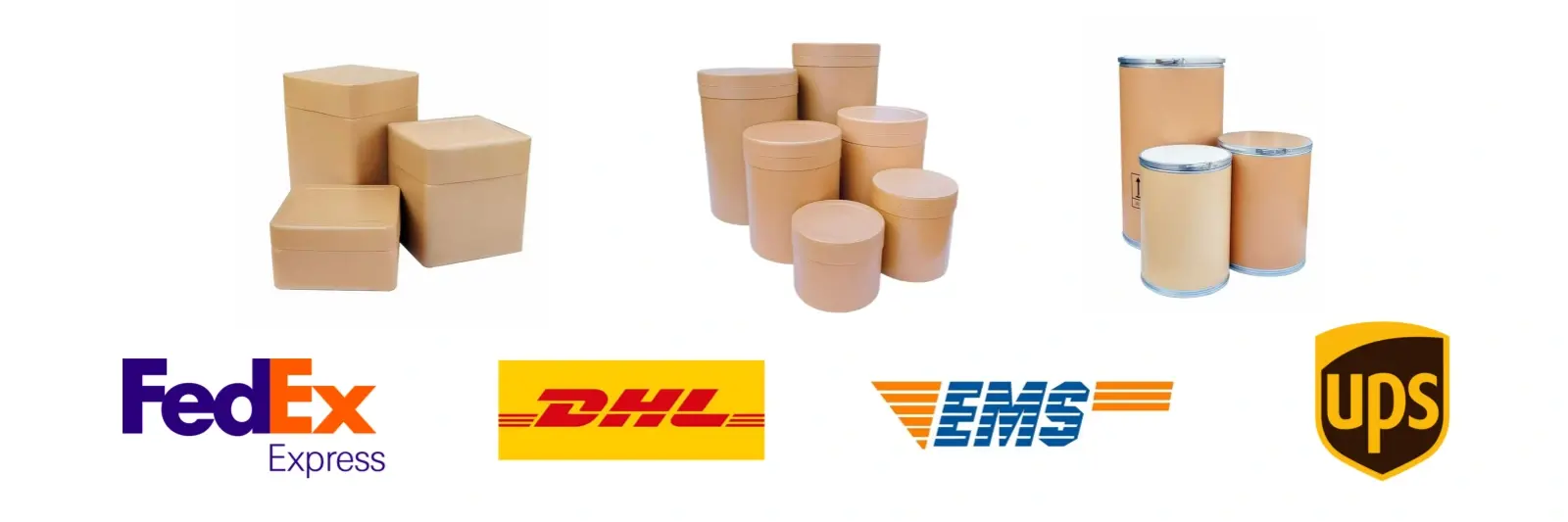
Custom packaging includes bulk barrels (25 kg standard), smaller units for testing and sampling, and specific storage containers. Labelling services include client branding, legal drafting, and multilingual translations. Quick product launches to capitalize on fresh market opportunities are possible with 15-day custom order turnaround times.
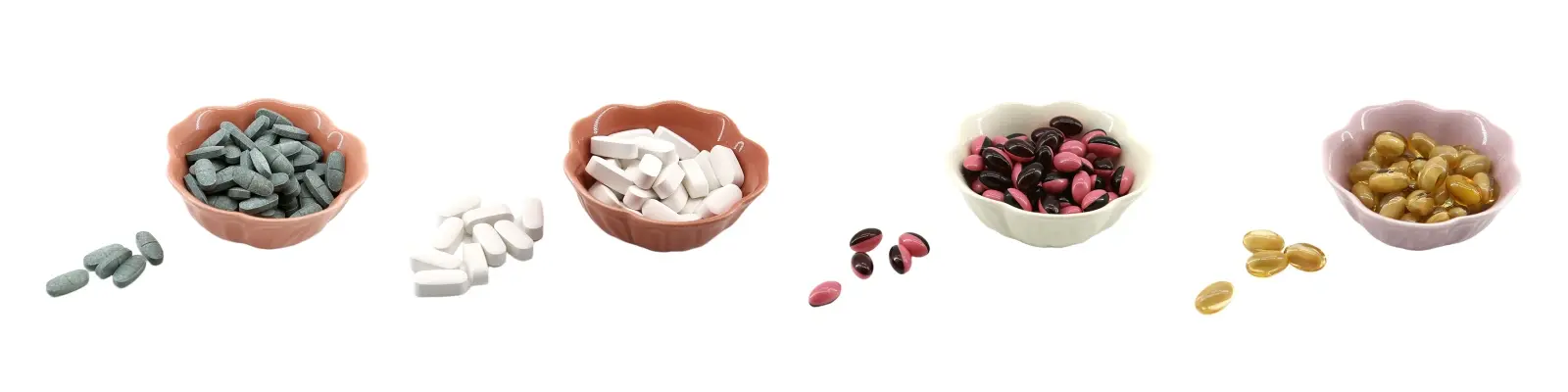
The knowledge in formulation includes many types of delivery forms, such as capsules, tablets, powders, and the more and more common liposomal and microcapsule technologies that improve bioavailability and lower the risk of side effects in the digestive system. Our wide variety of services transforms us from an ingredient vendor to a strategic development partner that helps customers innovate.
Future Outlook and Trends in Natural Herbal Laxatives Market
Market Growth Drivers and What Customers Want
Plant extracts, especially digestive health components, are predicted to develop rapidly worldwide. Effective yet mild laxatives are needed since elderly persons in developed economies have higher constipation. Youth are seeking natural alternatives to standard pharmaceuticals because they believe botanicals are safer and better for preventative health.
Specialized herbal products were originally exclusively accessible in health food stores and pharmacies, but e-commerce has expanded. Social media evaluations and recommendations from friends and family are helping digestive health products sell successfully online. This online market rewards enterprises who invest in useful material, transparency about product origins and production, and fast customer support.
Regulations change often. The FDA and EMA are upgrading botanical food supplement and traditional herbal medicine regulations. As regulations tighten, suppliers that comply with new heavy metal and chemical waste limitations provide their clients simple market access.
Technological Innovations in Extraction and Standardization
Advanced extraction methods provide more accurate phytochemical control of plant products. Supercritical CO2 extraction, membrane filtration, and chromatographic purification may separate sennoside portions and remove unwanted compounds. These novel concepts reduce the negative effects of basic preparations and enable safer next-generation products.
Better standardization approaches are emerging than sennoside counting. Metabolomic fingerprinting using mass spectrometry provides full chemical profiles to verify plants and detect adulteration. These strategies provide evidence that supports health claims and differentiates pricey items in competitive marketplaces. Investment in analytical equipment is crucial for pharmaceutical and nutraceutical suppliers that require pharmaceutical-grade quality assurance.
Nano-encapsulation and controlled-release technologies improve therapeutic efficacy in certain scenarios. Encapsulating sennosides might delay release to target the colon more precisely, lowering dosage and upper GI tract adverse effects. Liposomal transport may increase medication bioavailability and slow chemical degradation. These technological upgrades cost more but appeal to innovative firms who want to stay ahead.
Conclusion
Senna Leaf Extract Powder is one of the most important ingredients used by companies to make effective gut health products. It will continue to be useful in the market because it has a normal potency, reliable pharmacokinetics, and is in line with what people want in natural goods. The commercial success of finished goods is greatly increased by making smart purchasing choices that focus on supplier quality systems, full certifications, and expert support abilities. As the market for botanical health products grows, brands can take advantage of opportunities by teaming up with experienced extract makers who can help them deal with complicated regulations and keep quality standards high.
FAQ
1. How quickly does senna extract work for constipation relief?
Senna Leaf Extract Powder usually makes you go to the bathroom 8 to 12 hours after taking it. This reliable time frame lets users plan when to take the product—taking it before bed usually leads to bowel movement in the morning. The start time varies on how fast your body digests the product, how much you take, and whether you eat something with it.
2. Is senna extract safe for children and pregnant women?
Senna extract should not be given to kids younger than 12 years old without the supervision of a medical professional. Senna products can cause uterine contractions and the transfer of active chemicals through breast milk, so women who are pregnant or nursing should stay away from them. Adults who have long-term health problems should talk to a doctor before using strong laxatives.
3. What should I look for when selecting a senna extract supplier?
Give more weight to providers who can provide full quality paperwork, such as Certificates of Analysis, HPLC test results, and certifications like ISO9001, GMP, and organic status. Check the amount of inventory that can be held, the output capacity, and the technical help that can be provided. Long-term relationships that are based on fast suppliers, clear price structures, and freedom when it comes to minimum order amounts and custom formulas are signs of a good relationship.
Partner with HERBCOSHER – Your Trusted Senna Leaf Extract Powder Supplier
Manufacturers looking for high-quality Senna Leaf Extract Powder can get it from HERBCOSHER, which has been in the plant extract business for more than 20 years. Our factory is approved by ISO9001, GMP, FDA, Kosher, and Halal, and it makes standard 20% sennoside extracts that are sure to work, and HPLC tests prove it. We keep a lot of stock on hand, which lets us quickly fill large orders within 15 business days. This is made possible by flexible shipping terms and partnerships with global transportation companies. Our expert team offers full OEM/ODM support for special formulations, which helps you make unique goods that meet the changing needs of the market. Trust the quality and dependability that people in more than 30 countries have come to expect. Get in touch with us right away at info@herbcosher.com to talk about your senna extract needs and to ask for samples that come with proof that they were tested by a third party.
References
1. European Medicines Agency. (2017). Assessment report on Cassia senna L. and Cassia angustifolia Vahl., folium. Committee on Herbal Medicinal Products.
2. Bradley, P. R. (Ed.). (1992). British Herbal Compendium: A Handbook of Scientific Information on Widely Used Plant Drugs, Volume 1. British Herbal Medicine Association.
3. Williamson, E. M., Driver, S., & Baxter, K. (Eds.). (2013). Stockley's Herbal Medicines Interactions: A Guide to the Interactions of Herbal Medicines, Dietary Supplements and Nutraceuticals with Conventional Medicines. Pharmaceutical Press.
4. Mills, S., & Bone, K. (2000). Principles and Practice of Phytotherapy: Modern Herbal Medicine. Churchill Livingstone.
5. World Health Organization. (1999). WHO Monographs on Selected Medicinal Plants, Volume 1. World Health Organization.
6. Brinker, F. (2010). Herbal Contraindications and Drug Interactions: Plus Herbal Adjuncts with Medicines. Eclectic Medical Publications.