



What Is Radish Red Pigment? Benefits and Food Industry Uses Explained
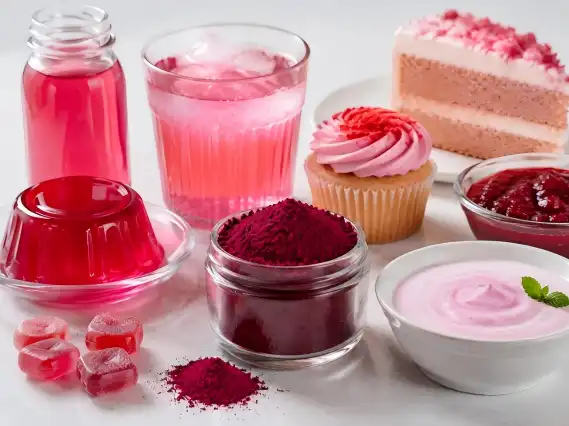
Raphanus sativus L., or red radish, has thick roots that are used to make a natural dye called Radish Red Pigment. This natural colour is in the family of anthocyanins, and its bright, steady red colour comes from acylated pelargonidin products. Unlike man-made colours, this plant-based colourant meets the growing demand for ingredients with clean labels. It also stays stable in acidic formulas better, which makes it a great choice for use in vitamins, food, and drinks.
Understanding Radish Red Pigment
Botanical Origins and Chemical Composition
Red radishes produced in China and other Asian nations provide radish red pigment. Separated succulent root tissue contains several colourful anthocyanins. Mostly arylated cyanidin and pelargonidin glycosides work. They are chemically related to p-coumaric and ferulic acids. This acylation process distinguishes fruit anthocyanins from radishes. It also makes molecules more resistant to environmental hazards.
Chemicals include polyphenolics and flavonoids. They tint food and act biochemically. HPLC tests reveal 99%–99.8% purity. For industrial usage, quality will always be consistent. Formulators can predict colour performance across manufacturing runs by making everything the same.
Extraction and Production Methods
Modern manufacturing uses solvent extraction and sophisticated membrane filtering for plant extraction. Fresh radish roots are cleaned, sliced, and given enzymes to break down their cell walls. Anthocyanin compounds are extracted from plants using water-ethanol solvents.
Extraction temperature must be monitored since too much heat might harm anthocyanins' fragile structures. To maintain colour purity, pigments are made between 40°C–60°C. Vacuum concentration removes excess liquids after extraction. Sprayed to dry, the mixture becomes a crimson-to-dark red powder that is simple to store and transfer.
Production quality criteria include testing pH (2.0–4.0 is optimum for extraction), standardising colour using spectrophotometry, and screening for microorganisms to fulfil international food safety standards. The powder combines well with water and ethanol and doesn't cloud, making it ideal for clear beverages.
Benefits of Radish Red Pigment for the Food Industry
Clean-Label Compliance and Safety Profile
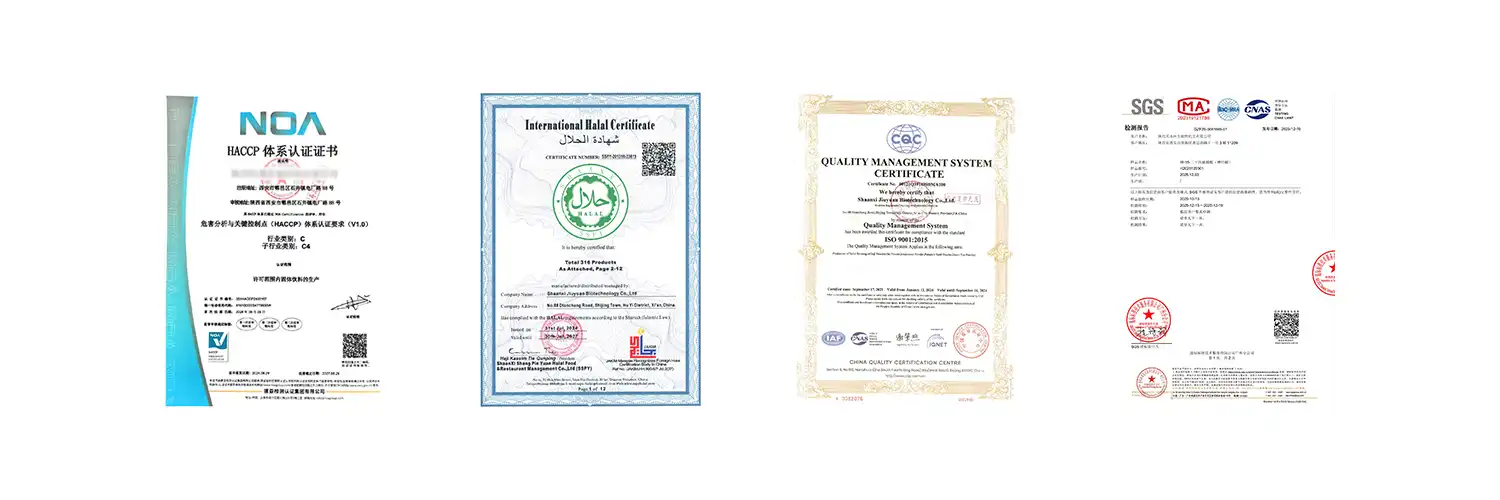
There are more botanical colourants on the market because people want to use natural products. This colour made from Radish Red Pigment meets strict government standards and consumer tastes for plant-based ingredients that are simple to recognise. Because it has international certifications like ISO9001, GMP, FDA registration, Kosher, and Halal compliance, it can be used in a lot of different markets and among different religious groups.
Plant anthocyanins have long been utilised correctly. These vary from man-made solutions like Allura Red (Red 40), which are being researched for health risks. Toxicological studies reveal that typical use doesn't harm anybody, supporting its status as a natural food ingredient. This safety assessment is essential for kids' and health-conscious foods since parents examine ingredient lists.
Functional Color Performance
The intensity of the hue indicates industrial dye performance. Radish Red Pigment has a high tinctorial strength, so makers require little to produce the colour they desire. They work better than fakes, making them cost-effective. At 514nm wavelength, the E(1%, 1cm) scale shows 30–90 colour values, indicating a lot of colour.
Acidic items become strawberry red, which people appreciate because it makes them appear fresh. Cruciferous extract maintains hues bright and clear without introducing muddy or brownish tones. Natural colourants don't taste or smell terrible when handled properly, according to several sensory studies. This frequently occurs with poor natural colourants that include glucosinolates.
Applications of Radish Red Pigment in the Food Industry
Beverage Applications
Businesses that create beverages, particularly acidic ones, utilise this natural colourant most. Radish Red Pigment maintains the same under low pH, making it ideal for fruit-flavored waters, sports drinks, energy drinks, and fizzy soft beverages. People enjoy how transparent it is and doesn't fog up like other polysaccharide-rich alternatives.
Health-conscious drink makers employ natural colour and antioxidants. Its hue doesn't alter significantly after pasteurisation, hot-fill packing, and aseptic processing. Adding natural tastes, vitamins, minerals, and citric acid to popular beverages makes it simple to create new ones.
Natural colourants are being used in ready-to-drink cocktails, wine, and artisan spirits seeking clean label status. These applications benefit from the pigment's ethanol solubility, which prevents precipitation and colour change at alcohol concentrations up to 20%.
Confectionery and Dessert Products
Candy makers use this colourant in hard candies, chewy candies, and gelatin-based sweets. When making sweets with sugar, it's very important that the colourant can handle high temperatures. While beetroot extract goes brown when cooked, radish anthocyanins stay bright red while they are being made.
Gelatin and pectin systems work well with colours that can be mixed with gelling agents and acids that change the texture and taste of food. The company that makes the product says that the colour develops evenly and doesn't change how the setting works or how the finished product feels. Because it doesn't leave a bad taste, the colourant doesn't hide the tastes that went into making high-end sweets.
Frozen treats like sorbet, ice cream, and frozen yoghurt all keep their colour even after being frozen and thawed several times. The pH needs to be changed with fruit purees or acidulants so that the colour can work in dairy systems. This is because dairy bases with a normal pH make the colour turn purple-gray, which is not what you want.
Radish Red Pigment vs. Other Red Colorants: A Comparative Guide
Natural Alternatives Comparison
Business uses beetroot extract most often as a red colourant. Beetroot hues are inexpensive and readily available, but they brown when heated. Beets' earthy flavour from betalain may destroy sensitive products. Radish anthocyanins don't brown when cooked and retain their bland flavour when polished. Radish Red Pigment addresses this gap while performing similarly in acidic applications.
Carmine (cochineal extract) from insects is stable and bright, but consumers reject it because of its animal origin. Vegans, vegetarians, and certain religious groups avoid carmine, presenting market prospects for plant-based substitutes.
Grape skin and elderberry extracts contain antioxidant-rich anthocyanins but lack structural acylation. These alternatives are more susceptible to pH-induced colour alterations and need larger use rates to obtain equal colour intensity. Radish extract's performance-to-cost ratio shines in formulations that need longer shelf life or difficult processing.
Synthetic Colorant Alternatives
Red 40 (Allura Red AC) and Red 3 (Erythrosine) are synthetic reds that don't fade throughout pH ranges. However, people are increasingly more worried about lab-made chemicals, and governments like the European Union are pressuring corporations to employ natural alternatives, even if they cost more and require more technical expertise.
As extraction and stability technologies improve, natural and synthetic colourants perform similarly. Synthetic dyes are still the most popular for low-cost usage, although natural hues are becoming increasingly popular in high-end items. People will pay 15–20% more for natural products than man-made ones.
Procuring Radish Red Pigment: What B2B Buyers Need to Know
Supplier Evaluation Criteria
You must consider more than pricing to identify dependable Radish Red Pigment providers. Production certifications indicate high standards and excellent manufacturing procedures. Creating food-safe ingredients requires this. Companies selling in the U.S. should locate suppliers with ISO9001 quality management systems, GMP certification, and facility registrations with regulatory agencies including FDA establishment registration.
Traceability systems provide supply chain honesty and enable speedy quality fixes. These systems monitor raw materials from farm to market. As a supplier, you should monitor HPLC anthocyanin levels, heavy metals including lead, arsenic, mercury, and cadmium, microorganisms like yeast, mould, and pathogens, and solvent residue for each batch.
Technical support distinguishes premium from commodity providers. Application professionals that understand formulation problems and can propose use rates, compatibility testing, and stability optimisation bring value beyond raw material supply. Long-term supplier collaborations for research and specialised extraction standards provide product developers an edge.
Quality Assurance and Compliance
Buyers avoid low-quality items with extensive tests. Request analytical reports for each batch of items to ensure they satisfy accepted criteria. When checking supplier documentation, third-party lab testing at certified institutions provides an unbiased perspective.
Cross-contamination is possible in multi-product facilities, yet allergy declarations reveal no usual allergens. Organic and non-GMO project-verified products must prove GMO-free. You need current certifications from reputable regulatory agencies to sell to Kosher and Halal customers.
The requirements need different documentation for each destination market. You must follow E-number and REACH chemical registration standards to sell in the EU. Before entering the US, products must be registered with the FDA and obey colour standards. Know these regulations to prevent costly customs delays or rejections.
Conclusion
People want ingredients that are clear and don't have any chemicals in them, which is changing the food industry. Radish Red Pigment is a versatile choice that gives you bright looks, long-lasting performance, and health benefits that you already know about. It works better in acidic environments, can handle heat and light better than other natural pigments, and is widely accepted by regulators. For product developers who are thinking about the future, this is the best choice. As worries about health and the environment continue to shape ingredient choices, plant-based colourants like radish anthocyanin extract will play a bigger role in how foods, drinks, supplements, and cosmetics are made.
FAQ
1. Does this natural colorant affect product taste?
Quality Radish Red Pigment purified using sophisticated processes is organoleptically neutral in final items. The pigment is cleaned using innovative technologies to keep it neutral in final items. Good materials remove these chemicals via membrane filtration and hoover deodorising. Taste and smell tests demonstrate that suggested levels in beverages, candies, and ready-to-eat meals don't increase flavour.
2. What pH range maintains optimal color stability?
The colour works best when the pH is between 2 and 4. If you put it somewhere acidic, it turns a bright strawberry red colour. A pH above 5.0 makes colours more purple, and a pH of 5.0 makes colours that are hard to control that are blue-gray. For colour performance that stays the same over the shelf life of a product, formulators should use acidulants like citric acid or keep matrices that are naturally acidic.
3. Can it replace synthetic red dyes in existing formulations?
Direct replacement requires different proportions and stability, thus the formula must be altered. Only acidic settings operate for natural anthocyanins. However, man-made hues may be employed in many pH levels. The guidelines should examine how well colours match, how stable the chemical is throughout processing, and how it mixes with other compounds. Expert advice from previous reformulation efforts improves success.
Partner with HERBCOSHER for Premium Radish Red Pigment Supply
HERBCOSHER is a trustworthy business that has been making plant extracts for more than 20 years. They are where you can buy and make Radish Red Pigment. With our many certificates, like ISO9001, GMP, FDA registration, Kosher, and Halal, we can be sure that we meet all quality standards in other countries. Our warehouse is 4,000 to 5,000 square meters and holds a lot of stock. This lets us quickly fill large orders within 15 business days.
We can do more than just standard supply. We can also make custom medicines in different dosage forms (powders, liposomes, microcapsules), and we can make sure the packaging fits your market's needs. When we work with Northwest A&F University and Northwest University, we can get access to cutting edge research that helps us keep making new products.
It is still very important to keep an eye on the quality. To do this, HPLC testing shows that the product is 99% to 99.8% pure, heavy metal screening is complete, and bacterial testing meets strict international standards. We make sure that deliveries to more than 30 countries around the world are safe and on time by coordinating freight choices by air, sea and land. Our expert sales team can be reached at info@herbcosher.com to talk about your needs and give you free samples to try.
References
1. Andersen, Ø. M., & Jordheim, M. (2010). Anthocyanins in Food. In Chemistry of Natural Pigments (pp. 283-324). Royal Society of Chemistry, London.
2. Giusti, M. M., & Wrolstad, R. E. (2003). Acylated anthocyanins from edible sources and their applications in food systems. Biochemical Engineering Journal, 14(3), 217-225.
3. Rodriguez-Saona, L. E., & Wrolstad, R. E. (2001). Extraction, isolation, and purification of anthocyanins. Current Protocols in Food Analytical Chemistry, F1.1.1-F1.1.11.
4. Stintzing, F. C., & Carle, R. (2004). Functional properties of anthocyanins and betalains in plants, food, and in human nutrition. Trends in Food Science & Technology, 15(1), 19-38.
5. Wrolstad, R. E., Culbertson, J. D., Nagaki, D. A., & Madero, C. F. (1980). Color stability of strawberry juice concentrate. Journal of Food Science, 45(5), 1064-1067.
6. Zhu, F. (2018). Anthocyanins in cereals: Composition and health effects. Food Research International, 109, 232-249.