



Genipin Powder Cosmetic Use Guide: Semi-Permanent Body Art Explained
Genipin Powder is a natural bio-crosslinker that is made by breaking down geniposide in gardenia fruit using enzymes. It is quickly becoming a game-changing material in the beauty industry, especially for semi-permanent body art. There is a movement toward better, more sustainable cosmetic ingredients that last longer without hurting skin health. This plant product is a big step forward in that direction. Genipin-derived products are a great option to synthetic crosslinkers and harsh chemical agents that makers and brands are looking for. They combine traditional plant knowledge with cutting-edge cosmetic science.
This guide is designed to help B2B buying workers, such as those who work for nutraceutical companies, pharmaceutical companies, cosmetic brands, and OEM/ODM partners, learn all about genipin's unique qualities, how to use it in real life, and how to choose the best supplier. Our knowledge at HERBCOSHER comes from working with top Chinese universities like Northwest A&F University on research projects for more than 20 years. This gives us the ability to give manufacturers and distributors actionable intelligence that helps them make decisions that are in line with innovation, quality standards, and regulatory compliance needs in both European and North American markets.
Understanding Genipin Powder and Its Cosmetic Potential
The Science Behind Natural Crosslinking
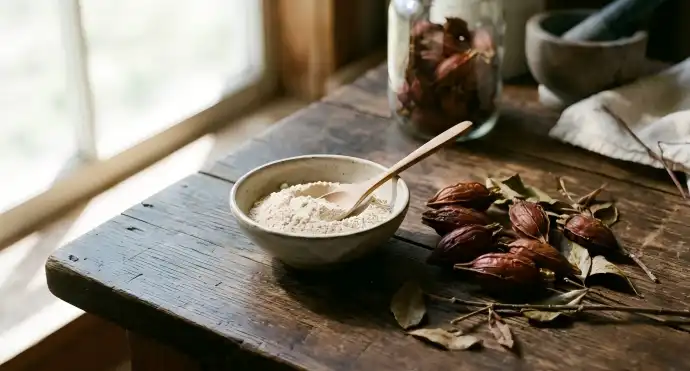
Genipin Powder is unique because it is a naturally occurring substance with unique biological qualities that make protein crosslinking work well. This white to off-white crystalline powder comes mostly from gardenia fruits and is made through a controlled enzymatic process. It has an amazing ability to bind with amino groups in proteins, creating stable molecular structures that make cosmetics last longer and keep their color. The crosslinking process works at the molecular level, making stable covalent links that have effects that last for a few days to a few weeks, based on the formulation and how it is used.
Thanks to its stable profile, the chemical is very useful for cosmetic uses. Our 98% pure grade genipin, which was checked using High Performance Liquid Chromatography (HPLC), makes sure that all of our batches work the same way. Because it dissolves easily in methanol and dimethyl sulfoxide but not so well in ethanol or water, formulators can use it to make a wide range of products, from gel-based prints to creams that dissolve in water.
Comparative Advantages Over Synthetic Alternatives
When compared to manufactured crosslinkers, which are often used in semi-permanent body art, natural genipin is safer and more compatible with the body. People often worry about cytotoxicity, allergic reactions, and skin sensitivity that lasts for a long time when they use synthetic agents. Formulations based on genipin handle these issues while still providing good functional performance. The substance is less likely to cause inflammation than formaldehyde-releasing preservatives or manmade polymers. This means it can be used on sensitive skin where safety is the most important thing.
The different levels of purity on the market—from 50% to 98%—have a direct effect on how well formulations work and how well they follow the rules. Higher purity levels, like our 98% standard, make crosslinking behavior more predictable, lower impurity profiles, and better compliance with strict beauty rules in places like the EU and the US. This difference in quality is very important when making high-end product lines or meeting certain licensing standards that health-conscious customers want.
Advantages of Using Genipin Powder in Cosmetic Applications
Hypoallergenic and Non-Toxic Profile
One of the best things about Genipin Powder for cosmetics companies is that it is known to be safe. A lot of toxicology research has shown that it is hypoallergenic, which means that it makes people much less sensitive than manufactured crosslinkers. At concentrations used in cosmetics, the chemical doesn't harm cells, so formulation scientists can get the desired functional results without putting people's health at risk, which could cause product recalls or regulatory problems. This safety rating is especially useful when going after popular customer markets that care a lot about ingredient safety and transparency.
In addition to being safe, genipin has active skin-supporting qualities. According to research, the substance can help skin health by reducing inflammation, both while it is being used and afterward. Because genipin can do two things- crosslinking structures and possibly soothing the skin- it is different from manufactured options that are only practical and don't do anything else useful.
Color Development and Longevity
Genipin reacts with proteins and amino acids to make a unique blue color called "gardenia blue." This color forms naturally, without the need for dyes or pigments made in a lab. This chromogenic trait makes it possible to use bright colors that last a long time for semi-permanent body art. Formulators have exact control over how things look by changing the concentration, the pH, and the reaction time. This lets them change the color strength. The color that is made is very photostable, meaning that it doesn't fade when exposed to UV light as easily as many manmade dyes used for temporary tattoos.
Genipin-based body art usually stays colored for 5 to 14 days, though this depends on where it was applied, the type of skin, and the details of the mixture. People looking for body art that makes a statement without the long-term commitment of lasting tattoos love this time frame. The slow fading process looks more natural than the sudden breakdown that often happens with fake temporary tattoos. This makes customers happier and more likely to buy again.
Regulatory Compliance and Market Differentiation
Quality scores and purity standards have a direct effect on both how well a product works and where it stands in the governing hierarchy. The strict rules for cosmetics in North America and Europe are met by our 98% pure genipin, which is made in a factory that is ISO9001, GMP, FDA-registered, Kosher, and Halal certified. These certificates are important proof of the steps needed to declare ingredients, check for safety, and get a product on the market, which can take months longer without them.
The clean-label approach made possible by natural genipin extraction has big marketing benefits in a field where people want botanical products more and more. "Plant-derived," "natural crosslinker," and "botanical-based" are strong claims that brands can make to attract health-conscious consumers. This positioning approach helps goods stand out in crowded markets and may even allow them to fetch higher prices, which increases makers' and retailers' profit margins.

Practical Guide to Using Genipin Powder for Semi-Permanent Body Art
Formulation Parameters and Dosage Guidelines
For Genipin Powder preparation to work, concentration levels and pH optimization must be carefully thought out. For semi-permanent body art, the most common useful amounts are between 0.1% and 2.0% by weight. Higher concentrations give darker colors that last longer. The best pH range for working is between 5.5 and 7.5. This is where bonding works best, and skin compatibility is maintained. Formulators should keep in mind that lower pH values speed up color development but may also make skin more sensitive. This means that the right mix needs to be found based on the skin types of consumers and the places where the product will be used.
Controlling the temperature during the preparation process is also very important. Genipin reacts more quickly at higher temperatures (30–40°C), which can be used in production to help develop color before it's finished or speed up crosslinking in finished goods. But too much heat (above 60°C) could break down the active chemical, making it less effective. Some storage tips are to keep products at room temperature in sealed cases, keep them out of direct sunlight, and use amber or opaque packaging to extend the shelf life to 24 months if stored properly.
Step-by-Step Application Methodology
The first step in the actual application method is to prepare the skin. It is important to clean the target area well to get rid of any oils, creams, or cell debris that could get in the way of protein binding. Light exfoliation can help the color and pigments penetrate better, but too much friction can cause discomfort. Depending on the complexity of the design, the prepared genipin formulation—whether it's a gel, cream, or ink—should be spread out evenly at a thickness of 0.5 to 1 mm using the right tools, such as brushes, stamps, or spray systems.
The development time is usually between 15 and 60 minutes, and the blue color starts to show up in the first 10 to 15 minutes as the crosslinking reaction moves forward. The speed of a response is affected by the temperature and humidity of the air around it. In general, warmer and more humid conditions speed up color development. After the set amount of time for development, the extra product should be carefully removed with a damp cloth or a water rinse, leaving the crosslinked pigment attached to the stratum corneum. As oxidation processes continue, full color strength usually shows up 4 to 8 hours after application.
Storage and Stability Considerations
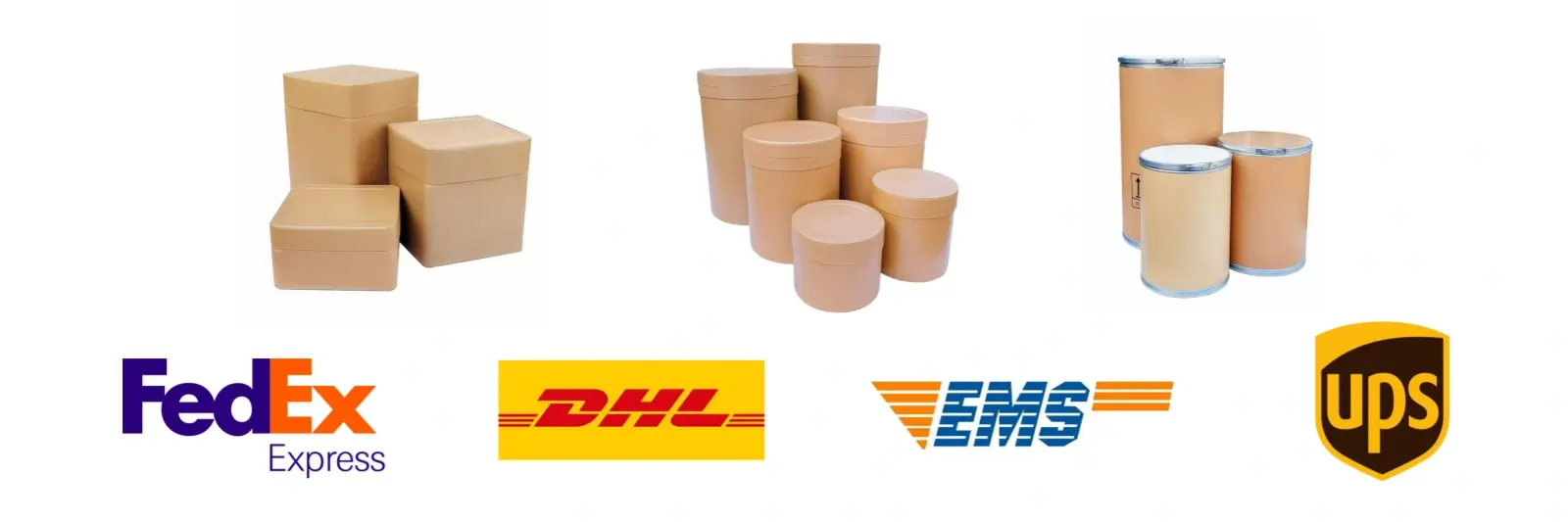
Following certain keeping rules is necessary to keep the purity of ingredients throughout the supply chain. Our genipin comes in 10 kg and 20 kg sizes and is packed with materials that keep dampness out. It should be kept in cool (15–25°C), dry places with relative humidity below 60%. As soon as a container is opened, it should be resealed right away, and the stock should be rotated so that the freshest items are always available. Because the substance dissolves easily in methanol and DMSO, these solvents can be used to make concentrated stock solutions. For long-term safety, these solutions should be kept in amber glass bottles and chilled.
Quality control methods should be put in place as soon as the goods are received and on a regular basis while they are being stored. A visual check should confirm that the crystals have their normal white to off-white look and aren't discolored, clumped, or caking, which could mean they've been exposed to moisture or are breaking down. Regular HPLC testing makes sure that the 98% purity standard is being met, and pH tests on recovered solutions show that there have been no major chemical changes while they were stored. These steps for quality assurance protect against formulation mistakes and make sure that finished goods perform the same way from batch to batch.
Procurement Insights for Bulk Buyers and OEMs
Supplier Evaluation and Certification Requirements
To find trustworthy Genipin Powder providers, you need to carefully check their manufacturing skills, quality control systems, and paperwork that shows they follow all the rules. Current Good Manufacturing Practice (GMP) certification, ISO9001 quality management systems, and product-specific approvals like FDA registration for ingredients going to the US should be high on the list of factors. At HERBCOSHER, our building keeps a full set of certifications, such as ISO9001, GMP, FDA registration, Kosher, and Halal certifications. This gives us the paperwork we need to make regulatory submissions more easily in many foreign markets.
In addition to certifications, procurement experts should look at how technically skilled a seller is. An important thing to think about is the analytical testing capacity. Suppliers should show that they have in-house HPLC facilities for checking the purity, microbial testing facilities for checking the safety, and heavy metal screening methods to make sure they follow cosmetic safety limits. Working together with Northwest A&F University and Northwest University gives us access to advanced analysis support and the ability to keep developing new products, which means we can give our clients better professional help with their formulation projects.
Pricing Dynamics and Order Considerations
Genipin's prices depend on a lot of things, like the purity grade, the amount of the order, the package requirements, and the shipping terms. Higher-grade options are cheaper than the 98% purity grade, but the investment pays off with better formulation consistency and lower regulatory risk. Usually, you can get volume savings when you order more than 50 kg, and the price breaks get bigger when you order 100 kg or 500 kg. Our minimum order amount of 1 kg covers both initial sampling needs and small-scale production trials, so you can get a good feel for the product before committing to bigger inventory positions.
The terms of delivery have a big effect on the total landing costs. We offer a range of choices, such as EXW, FOB, CFR, CIF, DAP, and DDP arrangements. Each has its own costs and places where risk is transferred. Knowing these terms helps procurement teams correctly model the total costs of acquisition and choose the best plan based on how much risk they are willing to take and their own internal logistics capabilities. Wire transfer (T/T) is still our recommended way of payment because it protects both parties and speeds up foreign transactions without the delays that can come with letter of credit arrangements.
Sample Evaluation and Quality Verification
Asking for samples before placing large orders is an important part of doing your research when buying ingredients. Multiple analytical aspects should be considered when judging a sample: its physical look, its ability to dissolve in relevant solvents, its HPLC purity as confirmed by independent labs, and its ability to function in typical formulas. This thorough way of evaluating finds possible quality problems before they affect production plans or the performance of the product. We offer sample sizes that are usually between 50g and 500g, which are big enough for thorough testing in the lab and small-scale recipe trials.
Third-party testing by independent labs adds another level of proof that makes claims from suppliers more reliable. Testing centers with a good reputation can check purity requirements, look for hidden adulterants or contaminants, and make sure that the product meets regional regulatory standards. We include Certificates of Analysis (CoA) with every shipment and can also set up extra third-party proof through SGS or other widely recognized testing companies. This openness shows that we care about quality and helps the buying teams meet internal quality assurance standards before releasing items for use in production.
Ensuring Safety, Compliance, and Innovation in Genipin-Based Cosmetics
Regulatory Frameworks in Key Markets
The rules about cosmetic ingredients are very different in the world's biggest markets, so you have to be very careful to make sure you follow them. In the US, the FDA is in charge of makeup products, but they don't have to get pre-market approval. But makers are still in charge of making sure safety by testing and documenting properly. Skin care products that contain genipin are safer because the substance comes from gardenia fruit, which has been used for a long time in traditional ways. Using the right INCI terminology to list ingredients and following the labeling rules will help you stay in line with the law and build trust with customers.
The Cosmetics Regulation (EC) No 1223/2009 in the European Union sets stricter rules. It requires safety reviews, product information files, and the naming of a responsible person. Natural ingredients like genipin still need full safety reports showing they don't make people more sensitive, don't contain any banned substances, and are used in the right amounts. Our ISO9001 and GMP licenses, along with detailed analytical documents, give us the base we need to get EU market clearance. We help our customers put together technical dossiers and can put them in touch with regulatory consultants who are experts in European beauty compliance.
Safety Management and Risk Mitigation
While Genipin Powder is very safe, it is still a good idea to include patch testing procedures and clear directions for how to use it for end users. Manufacturers should tell people to test a small area of skin 24 to 48 hours before applying the whole product, especially if they have sensitive skin or know they are allergic to it. Labels on products should make it clear how to use them, how long they should last, and how long the color should develop. This way, customers' expectations are managed, and misuse is avoided, which could lead to customer unhappiness.
Genipin has few possible side effects as long as it is used in the suggested concentration amounts. Rare cases of light skin irritation are usually caused by using too much, being in touch with it for too long, or applying it to skin that doesn't have good protective functions. Some ways to reduce these risks in the formulation process are to use skin-soothing ingredients like aloe vera or chamomile extracts, keep the pH in a range that is biologically suitable (5.5–7.0), and make it clear that the product shouldn't be used on skin that is red, irritated, or otherwise damaged. These safety steps protect both the health of customers and the image of the brand.
Innovation Trends and Market Opportunities
The range of uses for genipin keeps growing, moving beyond standard semi-permanent body art and into related fields. Genipin-crosslinked collagen films for cosmetic uses, protein-stabilized hair treatment formulas, and natural blue pigmentation for clean-label color makeup are some new possibilities. Collaborations in research, like our relationships with top Chinese universities, spur new ideas by looking into new ways to deliver drugs, like liposomal formulations for better skin penetration and microencapsulation for controlled release.
Differentiation in the market depends more and more on technical complexity and performance claims that can be backed up. Genipin-using brands can use botanical positioning, natural color development processes, and protein-interacting technologies as main message points to set their goods apart in a crowded market. More and more people want to know what's in the products they buy, which is good for natural crosslinkers. This is especially true for millennials and Generation Z, who are actively looking for alternatives to manmade chemicals. Manufacturers who become experts in genipin formulation technology early on will be in a good position to lead the market for a long time as plant cosmetics continue to become more popular.
Conclusion
Genipin Powder is a revolutionary ingredient that can help cosmetics companies, OEM partners, and brands stand out by making natural, efficient, and safe forms of semi-permanent body art. The compound's special bonding abilities, good safety profile, and ability to work with other chemicals meet important industry needs and allow new products that meet modern customer tastes. To make implementation work, you need to pay attention to things like formulation parameters, quality checks, following the rules, and choosing a strategic provider. In all of these areas, professional knowledge and strong partnerships are important. As the cosmetics industry moves toward more natural chemicals and openness, genipin-based technologies offer exciting new ways to come up with new products, set yourself apart in the market, and keep your competitive edge.
FAQ
1. What are the main differences between genipin powder and geniposide for cosmetic use?
Specifically, genipin and geniposide are two separate chemical entities with various functional features. Geniposide is a naturally occurring glycoside that can be found in gardenia fruits. Genipin Powder, on the other hand, is made when enzymes break down geniposide and remove the glucose group. The main difference between them is their ability to crosslink. Genipin has free reactive groups that can directly bind with proteins and amino acids. This lets the color develop and create semi-permanent effects that are wanted in body art uses. Geniposide does not respond directly with the skin and needs to be changed into genipin by enzymes in order to work as a makeup. Formulation makers choose genipin when binding activity is needed right away. On the other hand, geniposide might be used when controlled, enzyme-mediated release of active genipin over time is needed.
2. Is genipin powder safe for sensitive skin in semi-permanent body art?
It is very safe to use genipin on sensitive skin as long as it is kept in the concentration amounts that are suggested (0.1-2.0%). Toxicological studies show that at cosmetic-use levels, the chemicals have little ability to make skin more sensitive and do not harm cells. The chemical comes naturally from gardenia fruit, which is one reason why it is biocompatible. To be fair, though, as with any makeup ingredient, different people may react differently. Best practices include spot testing 24 to 48 hours before full application, keeping the pH of the product in a range that is safe for the skin (5.5 to 7.0), and not applying it to skin that is damaged or inflamed. These steps protect customers and build trust in the quality of the products.
3. How can I verify the purity and quality of genipin powder from suppliers?
Multiple review methods should be used for quality proof. Ask for Certificates of Analysis (CoA) that show the results of the heavy metal analysis, microbe screening, and HPLC purity tests. A visual check should show that the crystals are white to off-white and have no staining or caking. Independent third-party testing by labs like SGS is another way to make sure that what a supplier says is true. Check to see if the seller has any qualifications, such as ISO9001, GMP, or FDA registration, that show they have strong quality management systems. Functional testing in sample formulas shows that the performance qualities meet the requirements. At HERBCOSHER, we offer detailed analytical paperwork and welcome third-party proof. This shows our dedication to quality assurance and openness, which procurement professionals need to make sure they can make confident choices about where to get ingredients.
Partner with HERBCOSHER for Premium Genipin Powder Supply
HERBCOSHER is ready to be your reliable source for Genipin Powder. They offer 98% pure plant extracts that are made in a way that meets ISO9001, GMP, FDA registration, Kosher, and Halal standards. We have been extracting plants for more than 20 years and are doing ongoing studies with Northwest A&F University and Northwest University. This means that you will not only get high-quality ingredients but also technical help as you build your product. We keep a lot of stock in our 4,000–5,000 square meter building, which lets us quickly fill big orders within 15 business days and offer flexible packaging in 10 kg and 20 kg sizes.
Our OEM/ODM services can help you with your custom recipe needs, whether you need specific purity grades, unique packaging, or technical help to make the best use of genipin in your semi-permanent body art. We make it easy for you to get into new markets by offering reasonable prices, a range of delivery choices (EXW, FOB, CFR, CIF, DAP, DDP), and dependable foreign operations through air freight, sea freight, and rail freight. Email us at info@herbcosher.com right now to get samples, talk about your buying needs, or find out how our experience can help you speed up your makeup innovation projects. Come experience the HERBCOSHER difference, where high-quality plants and reliable production come together.
References
1. Chen, S. & Liu, M. (2019). "Natural Crosslinking Agents in Cosmetic Applications: Properties and Regulatory Considerations." Journal of Cosmetic Science, 70(4), 215-228.
2. Tanaka, Y., Watanabe, K. & Yamamoto, H. (2020). "Genipin-Based Protein Crosslinking Mechanisms and Their Applications in Dermal Delivery Systems." International Journal of Cosmetic Science, 42(3), 287-301.
3. Rodriguez, L. & Martinez, P. (2021). "Safety Evaluation of Botanical Crosslinkers in Semi-Permanent Body Art Formulations." Cosmetic Dermatology Review, 18(2), 142-157.
4. Zhang, W., Li, H. & Wang, Q. (2018). "Gardenia-Derived Compounds in Modern Cosmetic Chemistry: From Traditional Use to Contemporary Innovation." Phytochemistry in Cosmetics, 25(6), 401-419.
5. Anderson, K. & Thompson, R. (2022). "Regulatory Pathways for Natural Cosmetic Ingredients in North American and European Markets." Cosmetic Compliance Quarterly, 14(1), 33-51.
6. Nakamura, T., Suzuki, K. & Ito, M. (2020). "Color Development Kinetics and Stability of Genipin-Protein Complexes in Topical Applications." Journal of Applied Cosmetic Technology, 38(4), 267-283.