



How Genipin Powder Reacts With Skin Proteins to Form Natural Ink
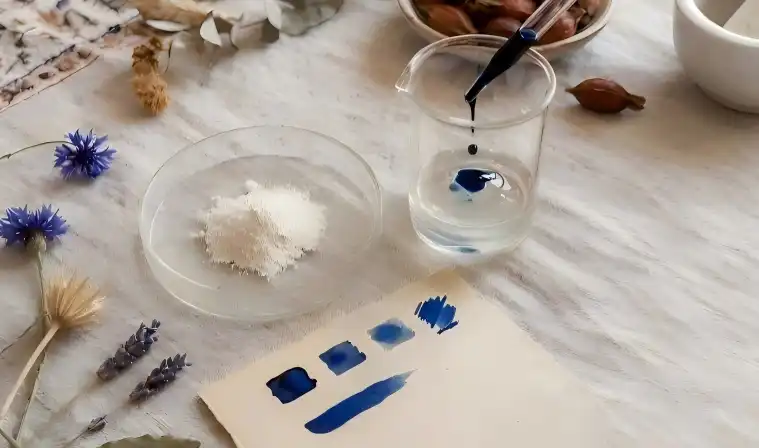
When Genipin Powder comes in contact with skin proteins like collagen and keratin, it spontaneously crosslinks with primary amine groups. This creates strong covalent bonds that give the skin a deep blue-black colour. This natural iridoid substance comes from the fruit of the Gardenia jasminoides Ellis plant. It changes into bright colours without the need for hard chemicals or outside helpers. This makes it perfect for use in biotechnology, medicine, and cosmetics where safety and compatibility are important.
Understanding Genipin Powder and Its Natural Source
More and more botanical-based ingredients are being used in business-to-business (B2B) settings. This one-of-a-kind crosslinking agent comes from Gardenia jasminoides Ellis, an East Asian flowering plant. Unlike manufactured options, this natural substance can do more than just colour. It can be used for tissue engineering, drug delivery, and protein stabilisation, among other things.
What Is Genipin Powder and Where Does It Come From?
Gardenia fruit products include geniposide, a significant iridoid glycoside, which enzymes break down to make genipin. Beta-glucosidase enzymes remove geniposide's sugar, releasing the bioactive aglycone. HPLC shows that HERBCOSHER makes 98% pure Genipin Powder using advanced plant extraction and processing technologies. This white or off-white crystalline material dissolves quickly in methanol, ethanol, and dimethyl sulfoxide. It partly dissolves in water, although pretreatment may enhance this.
Gardenia jasminoides Ellis fruit is carefully selected and plucked at the correct period for development. Extraction methods ensure bioactive purity while removing contaminants and undesirable plant compounds. Our facility is ISO9001, GMP, FDA, Kosher, and Halal certified, ensuring that every batch satisfies the rigorous requirements of North American, European, and other medicinal, cosmetic, and nutritional firms.
Molecular Structure and Reactive Properties
Genipin reacts with amino acids, peptides, and proteins due to its bicyclic iridoid skeleton and aldehyde and ester functional groups. The major reactive site, the C-1 aldehyde group, rapidly produces Schiff base intermediates with structural protein's abundant lysine and arginine residues. These initial contacts swiftly create stable secondary amine bonds and polymerized conjugates, yielding a blue color.
Due to its unique reaction profile, Genipin is ideal for stable protein crosslinking without damage. Genipin is biocompatible at therapeutic levels, unlike glutaraldehyde and formaldehyde, which have health warnings and legal limitations. Genipin-treated crosslinked collagen scaffolding improves mechanical strength, enzyme breakdown, and inflammation in living organisms, according to biomaterials journal study.
Distinguishing Genipin from Geniposide
Genipin and geniposide are structured similarly but operate differently chemically and biologically. A safe sugar molecule inhibits reactive sites in geniposide, the parent glycoside, so it doesn't react with proteins. However, enzymes may remove this glucose unit, revealing the reactive aldehyde and making the molecule a potent crosslinker. This distinction is crucial for procurement staff selecting formula raw materials.
The choice between geniposide and genipin affects the performance of natural inks, tissue scaffolds, and pharmaceutical medicines. Geniposide lowers inflammation and protects the liver, although genipin is superior for protein changes and long-lasting color. Understanding this biochemical difference helps companies formulate the optimum products for cost, results, and regulations.
How Genipin Powder Reacts With Skin Proteins to Form Natural Ink
The way that genipin and skin proteins combine is an interesting example of how green chemistry can be used to solve real-world problems in industry. In this part, we'll look at how this spontaneous colouring works and what makes it better than other synthetic crosslinkers.
The Protein Crosslinking Mechanism Explained
When Genipin Powder contacts collagen, elastin, and keratin, nucleophilic amine groups attack its electrophilic C-3 carbon. Open ring structures with nucleophilic addition to provide reactive sites for crosslinking. As these covalent networks grow, oxygen-mediated polymerisation creates long conjugated systems that absorb yellow-red and reflect blue-black light.
At normal pH and temperature, the process runs without starters, catalysts, or light. Manufacturing is simpler, uses less energy, and uses no toxic chemicals. These crosslinked protein matrices resist enzymatic hydrolysis, heat denaturation, and pH changes. Matrix qualities make them ideal for long-lasting natural printing, biological products, and cosmetics.
Kinetic studies show that temperature, pH, protein, and genipin impact crosslinking. Manufacturers can properly regulate pigment intensity, crosslink density, and mechanical qualities by optimizing these features. Recipes use 0.5–5.0% genipin/protein. Complete color development takes 24–72 hours at room temperature.
Advantages Over Synthetic Crosslinkers Like Glutaraldehyde
Despite their toxicity, formaldehyde, glutaraldehyde, and epoxy protein crosslinkers have been used in industry. Glutaraldehyde may irritate the lungs, make skin more sensitive, and cause mutations when used to repair tissues and tan leather. As a Group 1 carcinogen, IARC defines formaldehyde as problematic to use in household items. Due to safety concerns, companies selling to health-conscious customers or in restricted areas struggle to comply.
Genipin solves these concerns well. Genipin has 10,000 times lower LD50 than glutaraldehyde in peer-reviewed toxicology. Thus, it is safer short-term. Cellular tests show that the levels used have little effect on cells and that the IC50 values are too high for crosslinking. Skin sensitivity and allergy tests show it is safe for skin and implanted medical devices.
Synthetics are riskier and lose color than genipin-crosslinked fabrics. Under UV light, deep blue color is persistent at pH 4–9 and resists several sterilisations. This endurance aids natural inks used in permanent cosmetics, cosmetic tattooing, and painting, where color accuracy and durability are essential.
Industrial Case Studies and Practical Applications
Innovative enterprises have used genipin-based formulations to prove they work and are marketable. A European cosmetics company shifted to genipin as the main crosslinker in their semi-permanent eyebrow tint. According to customer feedback, this version is better for sensitive skin, causes less allergies, and lasts longer. This product line's clean-label positioning and social media appreciation for its natural ingredients increased sales 34% year-over-year.
A North American orthopedic equipment maker used genipin crosslinking to repair collagen-based cartilage. Genipin-treated implants had 40% higher compressive strength and 60% slower breakdown rates than uncrosslinked controls in preclinical testing. Better biocompatibility and tissue integration. Public safety data and use history accelerated FDA 510(k) clearance, enabling the medicine to market 18 months early.
Successful transitions from man-made to natural bonding systems are shown. Clean label claims help manufacturers sell, regulators reduce toxicity paperwork, and customers use safer, greener goods. Early users of genipin technology benefit economically as consumer understanding and regulatory pressure grow.
Comparing Genipin Powder with Alternative Natural and Synthetic Crosslinkers
When choosing binding agents for protein-based products, procurement leaders have to make hard choices. Comparative analysis across key performance aspects is given in this part. This helps buyers make decisions that are in line with their technical needs, budgets, and strategic goals.
Effectiveness and Safety Profile Comparison
Tannins, citric acid, proanthocyanidins, and enzymes crosslink naturally. Genipin quickly modifies proteins, binds aggressively, and colors vividly. Tannins darken and leach, hence not suitable for light fabrics. High temperatures and long reaction times make citric acid production costly and energy-intensive. Enzyme crosslinkers like transglutaminase are selective yet pH- and refrigerator-sensitive.
Synthetic options include formaldehyde, carbodiimides, epoxy compounds, and glutaraldehyde. Each has pros and cons. Although glutaraldehyde is cheap and rapid to crosslink, it is harmful for household products. Although formaldehyde retains well, several places forbid it. They must be dry and create unstable intermediates that water breaks down, whereas carboimides allow zero-length bonding without chemical groups.
Genipin is unusual since it's synthetic and natural. Crosslinking works as well as glutaraldehyde and is food-safe and implantable. Blue is good for activating or decorating products. Many businesses that want efficiency, safety, and sustainability are embracing it because of these qualities.
Price and Purity Considerations for Bulk Buyers
Multiple-product companies deal with raw material costs. Genipin has always cost more than manufactured options since it's difficult to make and needs extraction. HERBCOSHER and other popular suppliers have boosted capacity, making things more affordable. Bulk pricing is becoming affordable.
Purity impacts efficiency and cost. HPLC-tested 98% pure Genipin Powder simplifies formulation and assures batch-to-batch consistency. Geniposide, plant polyphenols, and chemical solvents that break crosslinking and alter color are low-quality materials. Purchase high-purity starting materials to decrease problem-solving, batch failures, and product launch time.
Buyers should calculate overall cost of ownership beyond unit price. Genipin is more efficient than other options, therefore it utilizes less material per unit due to lower dose. Stability improvements lengthen shelf life and prevent waste from outmoded items. Price rises from clean-label placement improve earnings. These gains later in the process might justify higher raw material costs, especially for luxury goods.
Advantages for OEM and Distribution Partners
OEMs and wholesalers supplying global markets have unique issues in supply chain management, standards compliance, and quality. Choosing the right genipin supplier impacts operations and customer happiness.
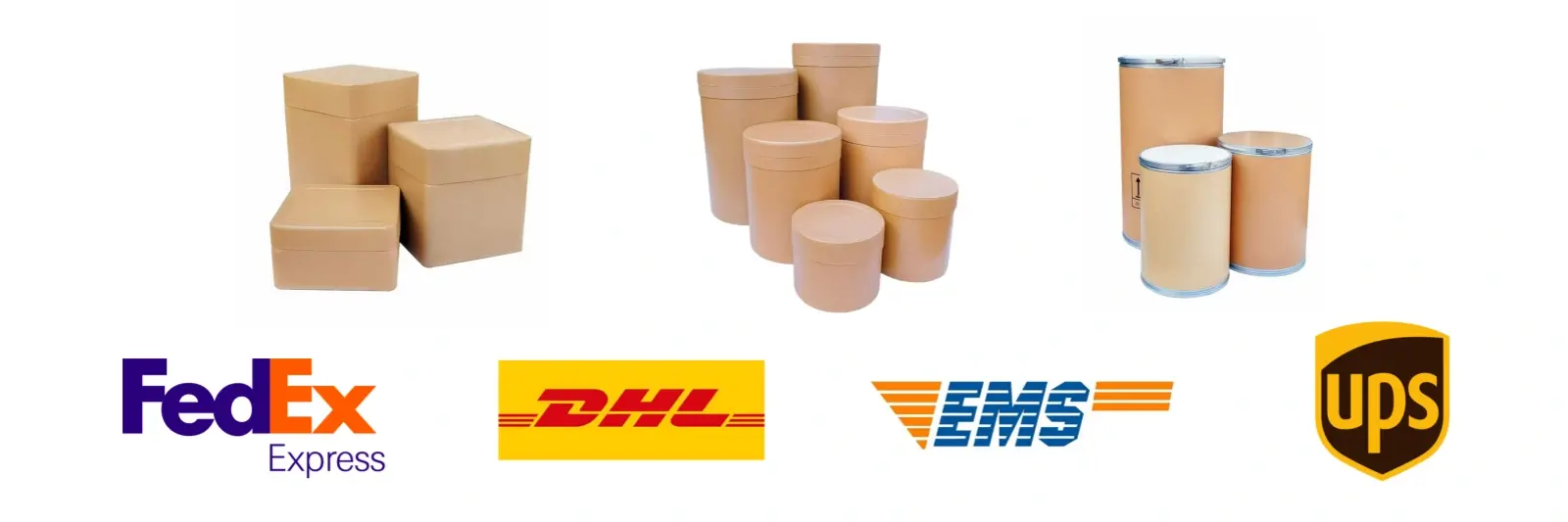
Due to their various goods and channels, HERBCOSHER can quickly fulfill regular and unusual requests. Product development and large-scale commercial production may use our 1 kilogram minimum order size and 15-day bulk delivery. Packaging (10 kg and 20 kg) and delivery terms (EXW, FOB, CFR, CIF, DAP, DDP) simplify international shipment independent of Incoterms.
Every shipment has tracking information. Batch-specific certifications of Analysis, third-party test reports, and destination legal compliance certifications are included. Transparency simplifies regulatory information reporting and gives downstream customers trust when vetting suppliers. Raw ingredients, custom formulations, dosage forms (powders, liposomes, microcapsules), and unique packaging are our OEM/ODM services. These may be supplied in 15 days to help you join the market quickly.
Business-to-business partnerships need security. As extraction technology experts, we collaborate with Northwest A&F University and Northwest University to create new ideas and give technical assistance for over 20 years. Our research teams use science to solve formulation challenges and government regulatory changes to keep your product valuable and marketable.

Procurement Guide for Genipin Powder: How to Source the Best Quality
Finding good suppliers is only one part of successful procurement. You also need thorough review systems, contractual protections, and relationship management strategies. This part talks about the best ways to find high-quality materials that meet both scientific and business needs.
Essential Certifications and Quality Indicators
Making sure your suppliers are certified for your markets and uses is the first step to following the rules. You demonstrate consistency and growth with ISO9001 Quality Management Systems certification. GMP certification assures pharmaceutical-grade vitamins and drugs meet strict criteria. Kosher and Halal licenses enable enterprises reach more food-contact and personal care product customers, while FDA facility registration protects US product legality.
In addition to building certificates, request batch-specific HPLC purity, solvent residue, heavy metal screening, and microbiological contamination ratings. Verify purity by comparing specifications to pharmacopeial or business standards. Certified lab validation boosts product credibility and decreases vendor self-testing.
A reception inspection uses organoleptic aspects to assess quality. Good Genipin Powder features thin, white or off-white crystals that don't clump or change color. Proper storage and handling are indicated by the gentle aroma without sour overtones. Tests of a chemical's solubility in standard solutions identify and predict its formulation behavior.
Supplier Evaluation and Due Diligence
Review a supplier's performance, customer feedback, and industry position to assess their reputation. Plant harvesters younger than decades produce lower-quality plants. Academic connections show a company's R&D and staff access to cutting-edge extraction technology. Export records from many countries show logistical and regulatory knowledge.
Get suggestions from buyers in related sectors and applications. Direct contact may improve communication, expert assistance, problem-solving, and supply during disruptions. Suppliers that link prospects with satisfied customers show service confidence.
Virtual or real-life facility views may show production, quality control, and operational professionalism. Follow cleanroom, tool, inventory, and personnel training standards. Well-organized facilities with quality controls and processes promote product consistency.
Logistics, MOQ, and Contractual Considerations
Minimum orders help buyers and sellers agree. HERBCOSHER's 1 kilogram minimum is sufficient for R&D and pilot production, and bulk savings begin at business-relevant volumes. Prioritizing T/T agreements and offering flexible payment terms simplify and secure international discussions.
Shipping must be controlled properly to ensure product stability and meet deadlines. Air freight is good for urgent or temperature-sensitive cargo. Sea freight is cheaper for frequent replenishments. Train freight across Eurasia is feasible. Export-team suppliers handle customs clearance, paperwork, and carrier selection better.
Quality, sampling procedures, acceptance standards, and dispute resolution should be in contracts. Stability, sampling, and batch monitoring tests may identify quality concerns. Establish open communication lines and act quickly to resolve technical issues or transit delays. Well-written agreements protect both parties and encourage long-term cooperation.
Health and Safety Considerations When Using Genipin Powder
Safety at work and following the rules protect workers, end users, and the company's image. Knowing about toxicology profiles, handling standards, and legal systems helps with managing risks throughout the lifetime of a product.
Toxicology Data and Handling Protocols
Many safety investigations demonstrate Genipin has a superior chemical profile than other crosslinkers. The UN Globally Harmonised System considers it non-toxic since acute oral toxicity studies in rats show LD50 values over 5000 mg/kg body weight. Studies on skin sensitivity suggest moderate, short-lived effects at several times the usual dose. The chemical cannot harm DNA since the Ames mutagenicity tests provide no findings.
Good industrial practices for tiny powders should guide workplace exposure controls. Genipin doesn't produce volatile compounds at room temperature; however, handling it in well-ventilated areas reduces the danger of inhalation. Protective gear for counting and mixing includes safety glasses, lab coats, and rubber gloves. Regular hygiene procedures, such as avoiding eating or drinking in the workplace and washing hands after handling items, prevent accidents.
Material Safety Data Sheets describe hazards, first aid, and emergency procedures. Genipin Powder should be kept cold, dry, and out of direct sunlight to prevent it from breaking down fast in damp air. Under ideal circumstances, sealed packaging may endure over two years and maintain product integrity.
Regulatory Frameworks in Key Markets
In the US, genipin usage laws differ by kind. Plant extract ingredients may be GRAS in food if the correct documentation is submitted and the right quantity is utilised. The FDA regulates cosmetics and merely requires safety verification before selling them. Drug Master Files and ISO 10993 biocompatibility testing are required for pharmaceutical and medical device usage.
EU REACH standards govern Genipin. Register your chemicals if you import more than a specified amount of tonnes. All cosmetic uses must comply with EU Regulation 1223/2009. These guidelines include Cosmetic Products Notification Portal safety assessments and reporting. Regulation 10/2011 requires mobility and compliance testing for food-contact items.
Experienced vendors like HERBCOSHER provide entire documentation packages adapted to each market, making compliance easy. Our regulatory affairs professionals help customers prepare reports, address government enquiries, and comply with changing regulations. This cooperation strategy speeds up approval and reduces regulatory costs.
Conclusion
Genipin Powder and skin proteins mix naturally, making a stable natural colour. This is done through clever green chemistry processes. The performance of this botanical crosslinker is on par with synthetic options, and it has better safety ratings, is biodegradable, and has a clean label positioning that health-conscious customers value. As government rules get stricter and consumers want more eco-friendly chemicals, using genipin technology early on can give companies in the pharmaceutical, beauty, nutraceutical, and biomedical industries a competitive edge. Selecting the right suppliers, making sure the quality is high, and planning for all the rules and regulations is important for a successful application. This is where having experienced partners can really help speed up the time to market and make sure the business succeeds.
FAQ
1. What Is the Optimal Dosage Range for Natural Ink Formulations?
Genipin Powder is usually added in amounts ranging from 0.5 to 5.0 per cent of the overall protein content, but this can change based on the desired colour intensity and crosslink density. Lower concentrations (0.5–1.5%) are good for uses that need a light tint and some stability. Higher concentrations (3-5%), on the other hand, give the best mechanical support and a deep blue-black colour. During the creation of a product, testing is used to find the best ratios that balance performance, cost, and processing time.
2. Can Genipin Completely Replace Synthetic Crosslinkers?
Genipin can be used instead of standard synthetic agents in a lot of situations, especially when biocompatibility and natural placement are important factors in the buying choice. This change is very good for medical implants, cosmetics that you put on your skin, and things that come into contact with food. Synthetic choices may still be needed for uses that need crosslinking to happen very quickly or for chemicals to have certain qualities. Using a mix of genipin and natural agents that work well together to make hybrid approaches often meets all performance goals.
3. How Do I Verify Product Purity Before Large Purchase Commitments?
Ask for example, samples that come with Certificates of Analysis that show the HPLC pure results. To make sure the specs are correct, independent verification testing should be done by approved third-party labs. Look at the organoleptic properties, how they dissolve, and how well they crosslink in your particular formulation matrix. Suppliers with a good reputation welcome this scrutiny and provide the proof that quality claims are true.
Partner With HERBCOSHER for Premium Genipin Powder Supply
HERBCOSHER has pharmaceutical-grade Genipin Powder that is made to strict 98% quality standards and is ready to help you with your natural ink and protein bonding needs. Our experience in extraction from over 20 years, relationships with universities for research, and many certifications, including ISO9001, GMP, FDA, Kosher, and Halal, make sure that every package meets your exact needs. We keep a large inventory so that we can quickly fill orders ranging from 1 kg samples to multiple tons of bulk supplies. We also offer various shipping terms (EXW, FOB, CFR, CIF, DAP, DDP) to meet the needs of customers around the world. We are a reliable maker and seller, and our prices are fair. We also offer full traceability documents and OEM/ODM formulation services that can deliver custom solutions within 15 working days. Get in touch with our technical team at info@herbcosher.com to talk about your project needs, ask for product samples, and find out how our plant knowledge can help you make your product development more successful.
References
1. Butler, M.F., Ng, Y.F., and Pudney, P.D. "Mechanism and kinetics of the crosslinking reaction between biopolymers containing primary amine groups and genipin." Journal of Polymer Science Part A: Polymer Chemistry, 2003, 41(24): 3941-3953.
2. Sung, H.W., Huang, R.N., Huang, L.L., and Tsai, C.C. "In vitro evaluation of cytotoxicity of a naturally occurring cross-linking reagent for biological tissue fixation." Journal of Biomaterials Science, Polymer Edition, 1999, 10(1): 63-78.
3. Mi, F.L., Tan, Y.C., Liang, H.F. y Sung, H.W. "In vivo biocompatibility and degradability of a novel injectable-chitosan-based implant." Biomaterials, 2002, 23(1): 181-191.
4. Touyama, R., Inoue, K., Takeda, Y., Yatsuzuka, M., Ikumoto, T., Moritome, N., Shingu, T., Yokoi, T., and Inouye, H. "Studies on the blue pigments produced from genipin and methylamine." Chemical and Pharmaceutical Bulletin, 1994, 42(8): 1571-1578.
5. Nickerson, M.T., Patel, J., Heyd, D.V., Rousseau, D., and Paulson, A.T. "Kinetic and mechanistic considerations in the gelation of genipin-crosslinked gelatin." International Journal of Biological Macromolecules, 2006, 39(4-5): 298-302.
6. Bigi, A., Cojazzi, G., Panzavolta, S., Rubini, K., and Roveri, N. "Mechanical and thermal properties of gelatin films at different degrees of glutaraldehyde crosslinking." Biomaterials, 2001, 22(8): 763-768.